Introduction
L’industrie mondiale de la construction évolue rapidement. De nombreuses entreprises recherchent maintenant des choix de logement plus rapides, moins coûteux et respectueux de l’environnement, en particulier pour les efforts B2B tels que les camps de travailleurs, les hôtels, les stations touristiques et les refuges d’urgence. La construction habituelle en béton sur place manque souvent des délais stricts et des limites financières. Les maisons de conteneurs modulaires sont devenues une option plus intelligente et plus pratique.
En termes simples, les maisons de conteneurs modulaires sont des unités fabriquées en usine. Les gens peuvent les expédier et les assembler sur place avec peu de tracas. Ils offrent une solide flexibilité et des coûts beaucoup plus bas par rapport aux bâtiments standard. Cette approche permet aux entreprises d'étendre leurs activités ou de déplacer leurs sites sans investir de gros montants dans les installations.
Ce guide détaillé aide les acheteurs commerciaux à sélectionner le bon fournisseur modulaire. Il examine les principaux éléments d'achat parmi les grands noms tels que Boxabl, les fournisseurs traditionnels de logements en conteneurs, et Sunlit-Tec — un producteur chinois compétent spécialisé dans les maisons de conteneurs extensibles et pliables pour des projets B2B internationaux.
Pourquoi des conteneurs modulaires ? Avantages pour les acheteurs B2B
Vitesse de déploiement
Les modules fabriqués en usine réduisent considérablement le temps de construction sur place. Plutôt que d'attendre des mois pour que les tâches de brique et de mortier se terminent, les unités modulaires arrivent entièrement préparées. La mise en place peut se faire en quelques jours. Pour les grands hébergements de travailleurs ou les agrandissements de stations, cette vitesse se traduit par des gains de projet plus rapides.
Économie de coûts
En comparaison avec les méthodes de construction courantes, modulaire maisons de conteneurs Réduire les coûts de 20 à 50 %. Cela vient de la production uniforme, du temps de travail réduit et de petites quantités de déchets. Les achats en vrac pour B2B réduisent également le coût par unité grâce à des avantages à plus grande échelle.
Durabilité et portabilité
Les maisons de conteneurs modulaires se montrent très performantes en matière de durabilité en raison de leur potentiel de réutilisation et de leurs déchets de construction minimes. Ils correspondent aux lignes directrices environnementales mondiales et gagnent souvent des incitations à la construction verte. Leur grande portabilité les convient bien pour des projets de courte durée, des maisons de secours en cas de catastrophe, des stations saisonnières ou des opérations nécessitant des déplacements réguliers.
Éscalabilité à travers les applications
Des capsules glamping aux installations de bureau à deux étages, les systèmes modulaires s’adaptent sans difficulté. Ils servent à des fins temporaires et permanentes, idéales pour le logement d'entreprise, les bureaux de sites éloignés ou les stations écologiques qui visent à une expansion rapide sans modification permanente du terrain.
Comparaison des fabricants : les principaux points d’approvisionnement du point de vue des fournisseurs
| Facteur d'achat | Boxabl | Logement conteneur | Sunlit-Tec |
| Qualité & Matériaux | Innovation pliable; panneaux composites | Conversions de conteneurs en acier durable | Cadrage en acier galvanisé amélioré; isolation en polyuréthane; Certifié CE/ISO |
| Personnalisation & Flexibilité de conception | Modèle pliable fixe (Casita) | Conversions de base à partir de conteneurs d'expédition | Hautement personnalisable : unités extensibles, options à deux étages |
| Structure des coûts et Valeur | Coût initial élevé mais faible coût d'installation | Coût de base bas; finitions limitées | Tarifs B2B en vrac transparents; Focus sur la valeur du cycle de vie |
| Capacité de production et Délai d'exécution | Longue liste d'attente en raison de la demande | Temps de livraison modéré (basé sur la conversion) | Production d'usine chinoise efficace; Plumb moyen de 4 à 12 semaines |
| Logistique et Installation | Navires emballés à plat; 1-3 jours de mise en place | Transport lourd; installation de grue nécessaire | Expédition pliable ou modulaire; Exportation mondiale facile |
| Support après-vente | Garantie limitée | Service minimum après-vente | Support technique 24h/24 ; Garantie qualité d'un an |
| Durabilité & Conformité | Conception économe en énergie (États-Unis) | Matériaux réutilisés mais portée limitée de la certification | Matériaux écocertifiés ; conforme aux codes internationaux |
Qualité & Matériaux
Sunlit-Tec excelle avec une puissance structurelle supérieure. Le cadre principal utilise de l'acier galvanisé haute résistance. Il offre une excellente sécurité, résistant aux tremblements de terre jusqu'au niveau 10 et à des enroulements jusqu'au niveau 12. Chaque unité comprend une isolation ignifuge en polyuréthane de qualité supérieure et des finitions intérieures respectueuses de l'environnement. Ces caractéristiques garantissent une durabilité durable dans les climats difficiles et les intempéries sévères.
Personnalisation & Flexibilité de conception
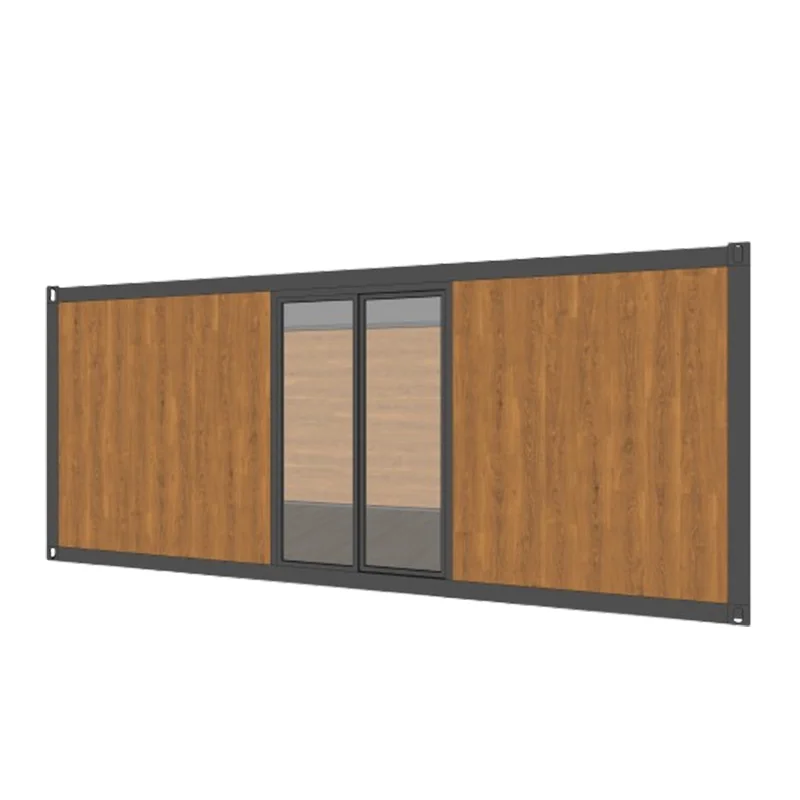
Les unités pliables de Boxabl sont inventives mais se limitent à des agencements fixes. Les fournisseurs de logements de conteneurs adaptent généralement les anciens conteneurs d'expédition avec des intérieurs de base. Sunlit-Tec offre une valeur ajoutée en livrant des croquis personnalisés complets avant la production, qui comprennent des conceptions à deux étages et des modèles extensibles adaptés à des fins hôtelières ou résidentielles.
Structure des coûts et Valeur
De nombreux fournisseurs cachent des frais supplémentaires tels que l'expédition et les travaux de fondation dans leurs estimations. En comparaison, Sunlit-Tec offre des prix d'achat B2B simples avec des réductions de volume à partir de seulement trois unités. Les acheteurs bénéficient d'une valeur fiable à long terme en raison de matériaux robustes qui exigent une maintenance minimale sur de nombreuses années.
Capacité de production et Délai d'exécution
La popularité de Boxabl a causé des retards de plusieurs mois. En revanche, les lignes de production automatisées de Sunlit-Tec en Chine maintiennent une production constante même pendant les périodes de forte demande. Les délais de livraison standard sont de 4 à 12 semaines en fonction du volume de commande.
Logistique et Installation
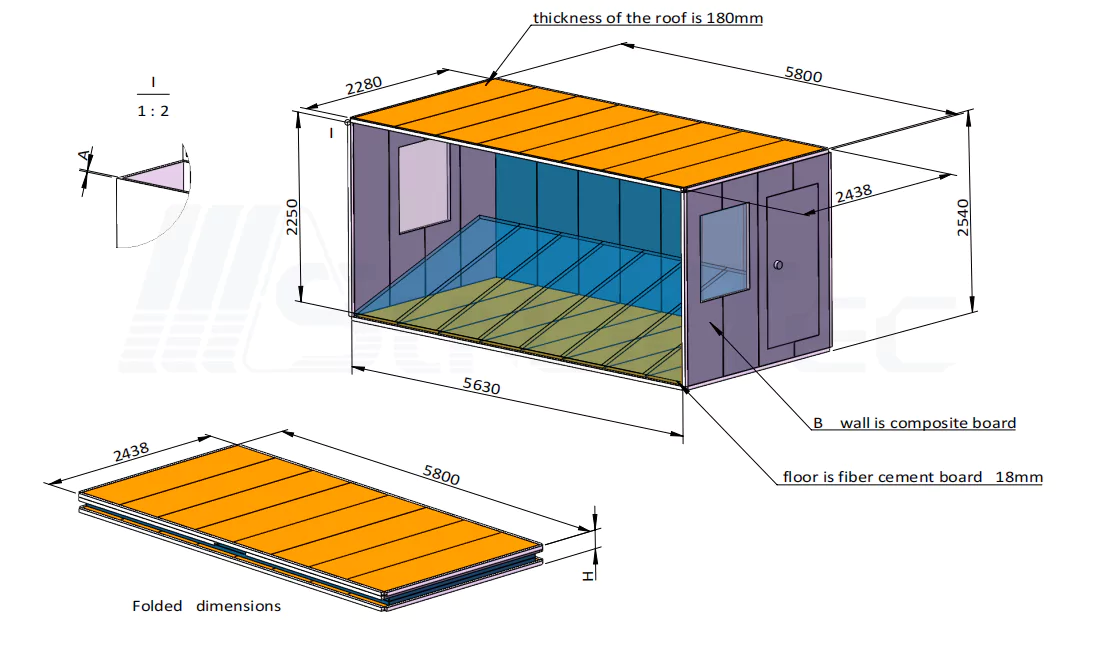
Tous les modèles Sunlit-Tec sont conçus pour un transport maritime efficace. Beaucoup peuvent s'intégrer dans des conteneurs standard de 20 pieds pour réduire les frais d'expédition. Acier galvanisé, verre, panneau composite en acier couleur EPS, composants en contreplaqué de bambou atteignent le site préparé pour un assemblage rapide sur place. Les travailleurs suivent les vidéos d'installation fournies.
Support après-vente & garantie
Sunlit-Tec offre un service après-vente complet. Elle couvre la fourniture de pièces détachées, l'assistance technique constante et les contrats d'entretien facultatifs au-delà de la période de garantie d'un an.
Durabilité & Conformité
Tous les matériaux utilisés possèdent des certificats de protection de l'environnement. Les meubles et les appareils électriques proviennent de marques de renommée internationale pour garantir la sécurité. L'adhésion aux normes CE et ISO assure aux acheteurs que chaque unité répond aux normes internationales d'exportation.
Guide étape par étape pour l'achat de maisons de conteneurs B2B
- Évaluation des besoinsDéfinir la taille du projet, la portée budgétaire, le calendrier de déploiement, les conditions climatiques et les contraintes réglementaires.
- Recherche sur les fournisseurs Shortlist– Comparez des fabricants comme Boxabl et Sunlit-Tec en utilisant des critères tels que la qualité du matériau et la capacité de personnalisation.
- Demande de devis (RFQ)Obtenez des propositions techniques détaillées, y compris des plans de plancher et des ventilations des coûts.
- Évaluation du site et Planification logistique– Examiner les itinéraires de transport; planifier des fondations ou des installations de support si le terrain est inégal.
- Négociation du contrat– Sécuriser des conditions de paiement favorables (T / T ou L / C), garanties, étapes de livraison.
- Production et Contrôle qualitéEffectuer des inspections par des tiers au stade de l’usine.
- Expédition & DédouanementCoordonner efficacement la logistique internationale; Sunlit-Tec fournit un soutien à la documentation maritime.
- Installation sur placeL’assemblage est généralement terminé dans un à trois jours en utilisant des modules préfabriqués.
- Examen post-projet Accord d'entretienÉtablir un partenariat de service à long terme garantissant une évolutivité future.
Comment Sunlit-Tec se distingue comme votre fournisseur modulaire idéal
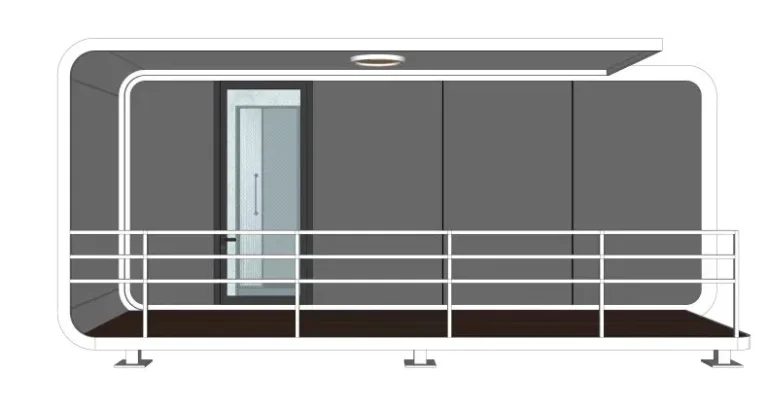
Fondée en 2014 avec des bases solides en ingénierie de structures en acier, Sunlit-Tec s'est développée en un fournisseur modulaire ciblé de maisons de conteneurs de haute qualité. Il allie des compétences d'ingénierie avancées avec un design créatif. En conséquence, la société fournit diverses solutions comme des maisons de conteneurs extensibles, capsules spatialescabines de pommes et maisons modulaires entièrement personnalisables. Ces articles ont atteint les marchés en Europe, en Amérique du Nord, en Asie du Sud-Est, au Moyen-Orient et dans d'autres régions avec succès.
Les principaux différenciateurs sont:
- Des conceptions extensibles/pliables réduisant le volume de fret jusqu'à 50 %.
- Les configurations à deux étages maximisent la surface utilisable tout en conservant une empreinte compacte.
- Livraison rapide "prête à déménager" en quelques heures après l'atterrissage.
- Service unique couvrant les rendus de conception à la maintenance après-vente.
Pour les grands projets d'achat B2B tels que la construction de villégiatures ou le logement des travailleurs à l'étranger, ces avantages conduisent à des délais de livraison fiables et à des gains clairs de retour sur investissement. Cela se compare favorablement à la stratégie de modèle unique de Boxabl ou aux changements de base de conteneurs de petites entreprises.
Conclusion
Choisir le bon fournisseur modulaire nécessite plus que le seul prix. Il s'agit d'aligner la capacité de production, les normes de qualité et la fiabilité du service sur vos horaires de projet spécifiques et vos objectifs commerciaux en cours. Les entreprises peuvent réduire considérablement les risques et obtenir des rendements plus forts en suivant un processus d'achat de maisons de conteneurs B2B simple et organisé avec une communication honnête. Pour les entreprises à la recherche d'options de logement modulaire extensibles et de haute qualité soutenues par une ingénierie solide et une aide après-vente mondiale, Sunlit-Tec sert de partenaire fiable prêt à Fournir des résultats sur mesure rapidement.
Questions fréquentes
Q1: Quelles sont les principales différences entre Boxabl et les fournisseurs traditionnels de logements en conteneurs?
R: Boxabl se concentre sur des unités pliables conçues pour une mise en place très rapide en quelques jours, mais il a peu de choix de mise en page. Les fournisseurs traditionnels de conteneurs transforment les conteneurs usagés à des coûts de départ plus faibles, mais ils manquent les avancées intégrées observées dans des systèmes dédiés comme ceux de Sunlit-Tec.
Q2: Combien peuvent les acheteurs B2B économiser en choisissant des maisons de conteneurs modulaires par rapport à la construction traditionnelle?
R : Les acheteurs commerciaux économisent généralement 20 à 50 % sur les dépenses globales du projet en raison des périodes de travail plus courtes et des étapes de fabrication standard. En même temps, ils raccourcissent les temps de construction de mois à semaines.
Q3: Quels facteurs clés devraient les entreprises prendre en compte lors de la sélection d'un fournisseur modulaire?
R: Les entreprises devraient évaluer la qualité des matériaux, tels que les cadres en acier galvanisé, ainsi que les fonctionnalités de personnalisation comme les mises en page extensibles. Ils devraient également vérifier la capacité de production pour des délais de livraison courts, le savoir-faire de l'expédition pour la livraison mondiale, des certifications comme CE / ISO et des options de service après-vente solides.
Q4: Sunlit-Tec convient-il aux achats internationaux de maisons de conteneurs B2B?
R : Oui. Sunlit-Tec a une vaste expérience d'exportation à travers les continents. Il suit les codes de construction internationaux et utilise des matériaux certifiés écologiquement de grandes marques mondiales. Par conséquent, il peut gérer facilement les commandes complexes à l'étranger.
Q5: Quel est le délai de livraison typique pour les commandes de conteneurs modulaires B2B?
A: En fonction de l'étendue de la personnalisation et de la quantité de commande, la production dure généralement 4-12 semaines. La coordination du transport maritime suit. Cela est beaucoup plus rapide que les cycles de construction traditionnels, qui s’étendent sur plusieurs mois ou plus.