The New Frontier of Retail Infrastructure
The “Agility” Crisis
Classic physical retail building has always dealt with a key weakness — time. In 2026, where retail trends evolve faster than most development cycles, a 12-month construction timeline simply doesn’t make sense. Developers face escalating costs, slow permitting, and an inability to pivot when consumer behavior shifts overnight. This “agility crisis” pushes the field toward cleverer, quicker, and greener methods to create business areas.
The Modular Paradigm
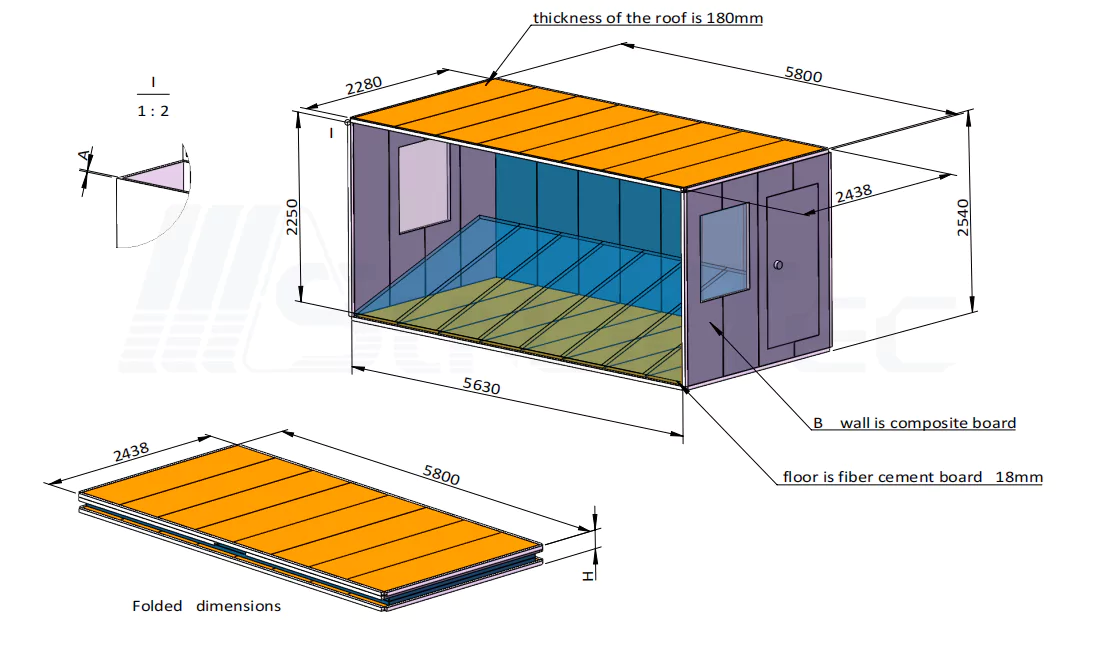
Mobile homes, in a general way, mean factory-built ready-made structures that move as one piece or break down simply, ship out, and put back together. They offer solid adaptability and cost less than standard building approaches. Bringing this idea to retail creates Modular Retail Units — ready-designed setups made away from the site and set up in weeks rather than months.
These Prefabricated Commercial Spaces provide better oversight and growth options for builders who must roll out shops fast at various spots without cutting corners on standards or looks.
Sunlit Tec’s Vision
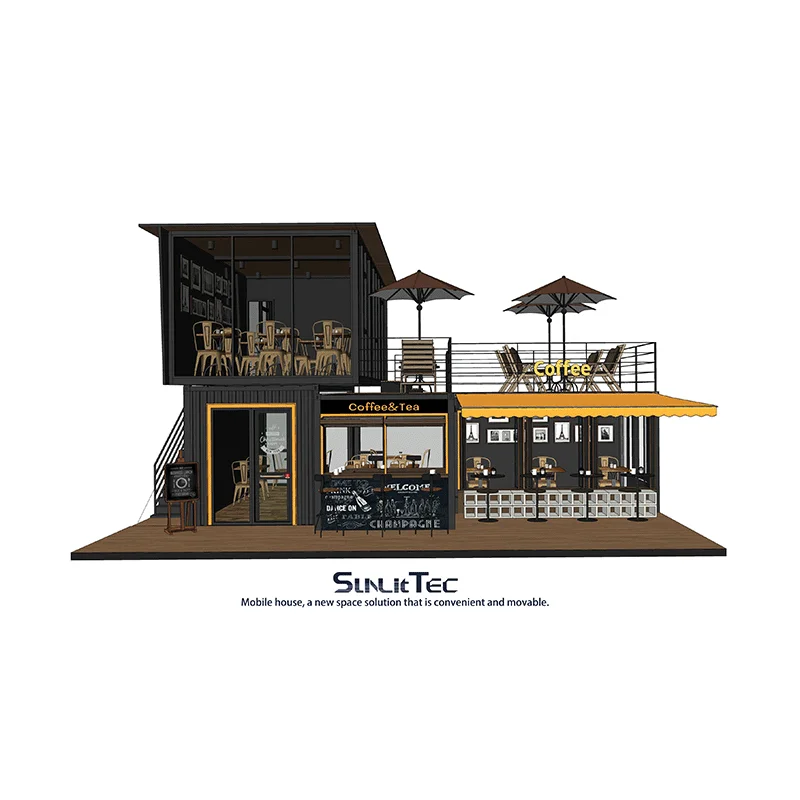
Started in 2014 as a steel building firm and then growing into a leader in modular design, Sunlit Tec sits right where creative ideas meet factory accuracy. It blends top-quality stuff like galvanized steel frames and double-layer Low-E glass with clever control setups. This connects short-term setups to lasting high-end shop fronts.
The firm’s outlook stays straightforward: modularity goes beyond just cutting costs — it focuses on smart flexibility. In today’s retail setups, being adaptable means staying strong.
Strategic Advantages: Beyond Speed and Cost
Rapid Deployment
Factory production lets Sunlit Tec’s modular setups cut “Time-to-Revenue” by almost half versus old-school building ways. Making times in the plant run from 8 to 12 weeks. Then, site setup finishes in just days. Builders can launch fresh stores or tweak current ones right away. This proves vital in fast-changing fields like clothing or gadgets. For instance, a fashion chain used this to open 10 pop-ups across cities in under three months, grabbing seasonal trends before rivals.
Quality Precision
Standard site work faces weather holdups and uneven work quality. But Sunlit Tec works in steady factory settings. There, each connection, sheet, and part hits strict measures. To keep people safe, the core frame of the mobile house uses galvanized steel pipes. These guarantee the whole unit’s safety features. The same idea makes sure modular shop fronts hold up well after moving or growing. In one project, a electronics retailer relocated a unit after a year and found no drop in performance, thanks to this controlled build process.
Sustainability as a Multiplier
Sustainability isn’t a choice now; it’s what funders and buyers demand. Modular building naturally cuts waste materials by up to 90% with exact cuts and reuse of common parts. On-site mess stays low because most tasks happen elsewhere. This matters a lot for projects aiming for LEED status and smaller carbon marks. Plus, smart insulation setups boost green operations in the long run. Take a recent eco-focused mall addition: it slashed waste by 85% and earned green certifications faster than traditional builds.
Smart Technology Integration: Defining the 2026 Storefront
Interactive Facades
Sunlit Tec adds Smart Glass Storefronts that change from clear to cloudy based on light strength or people touching them. Picture a show window that stays see-through in the day and turns into a screen for projections at night. This mixes building design with digital tales for fancy brands wanting deep customer pull. A luxury watch brand tested this in a city event, drawing 40% more foot traffic through interactive displays.
IoT & Data Collection
Every piece can include IoT sensors. These watch crowd flows, stay times, and weather factors. Such info helps builders fine-tune shop setups. It also gives renters useful details on buyer actions. Thus, each shop front becomes a smart info tool.
Thermal Intelligence
Power saving stays at the heart of Sunlit Tec’s fresh ideas. Smart window systems team up with strong insulation like polyurethane fire-rated panels. They keep heat steady in different weathers. This cuts cooling and heating needs by up to 30%. It fits right with energy efficient modular retail solutions for developers chasing steady gains from running costs. In hot climates like the Middle East, one deployment reduced energy bills by 25% over the first year.
Commercial Use Cases for Retail Developers
- Luxury Pop-up Clusters:Set up half-lasting retail groups in city spots or vacation areas. Use modular groups that mix smart glass fronts with adjustable insides.
- Modular Extensions:Turn unused parking areas or outside spaces into money-makers. Do this with cheap ready-made shop systems built for fast setup.
- Global Scalability:Common plans let worldwide builders copy brand feels steadily over countries. Yet, they can tweak outer looks to fit local tastes.
Overcoming Traditional Barriers
Aesthetic Flexibility
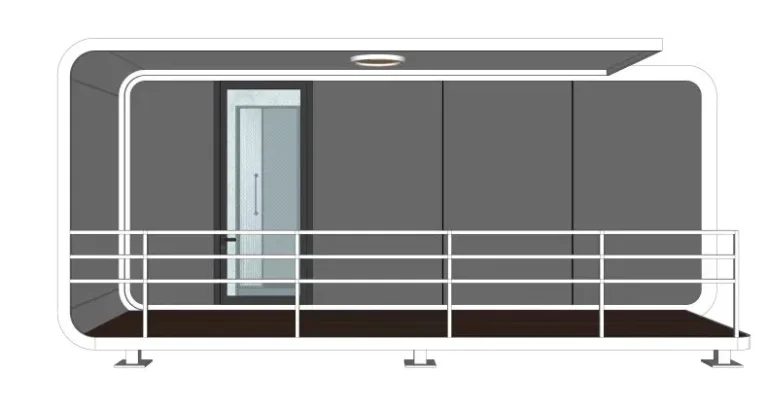
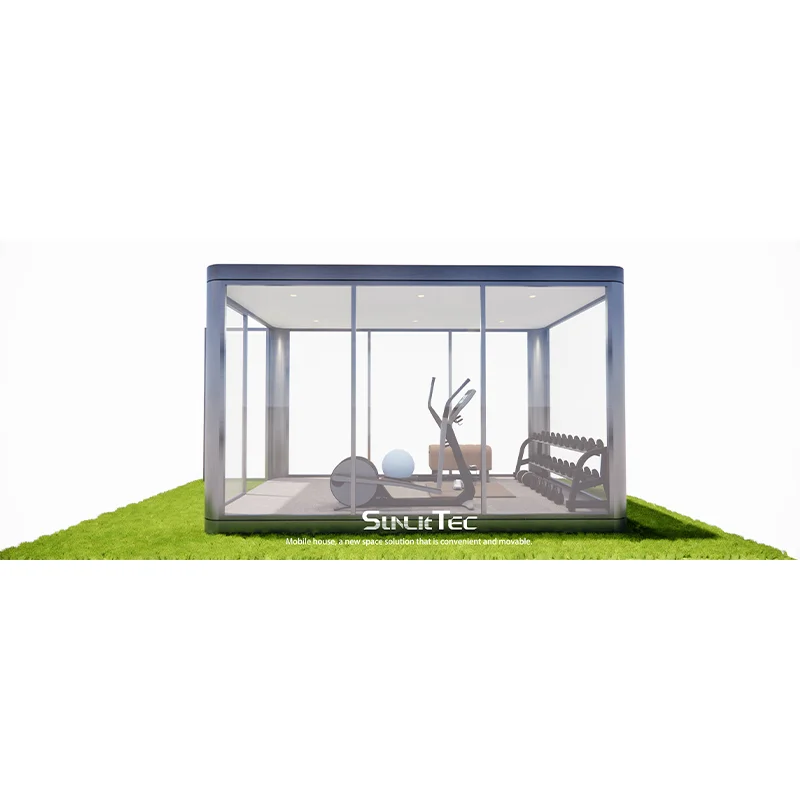
The old idea that modular equals plain and square doesn’t hold up anymore. Sunlit Tec gives options for tailored modules. These draw from its Apple Cabin line — smooth aluminum-covered units with wide-view windows and polished touches. They’re great for upscale retail uses. A boutique hotel chain adapted these for seasonal shops, blending them seamlessly into historic districts without looking out of place.
Regulatory Navigation
Ready-made building eases rule-following. Each unit ships from the factory with global safety checks already done. Local okay processes speed up. That’s because build math stays uniform and cleared ahead of time.
Structural Longevity
Sunlit Tec picks heavy-duty materials built for years of tough use in harsh weathers. Wind resistance level 12. Earthquake resistance level 9. These ratings mean solid trust for builders putting money into lasting goods. A coastal project survived a major storm intact, proving the frames’ real-world toughness.
Conclusion
The mix of modular building and clever tech has reshaped how business builders handle property spending. In a time shaped by quick shifts, info smarts, and green rules, Modular Retail Units aren’t tests anymore. They’re key setups for strong expansion. Sunlit Tec keeps guiding this change by offering growable tools packed with digital smarts. This lets brands draw in crowds while watching expenses closely.
Developers looking toward 2026 will find that partnering with Sunlit Tec means more than building stores; it means constructing adaptive ecosystems ready for whatever comes next.
FAQs
Q1: How does Sunlit Tec ensure durability in its Prefabricated Commercial Spaces?
A: Every unit relies on galvanized steel framing. It pairs with double-layer Low-E glass panels. These have been checked for wind resistance level 12. They also handle seismic stability level 9. Such features provide steady performance in various weather settings over the years.
Q2: Can Smart Glass Storefronts integrate third-party display technologies?
A: Yes. The smart glass panels feature plug-and-play channels compatible with LED projection systems or interactive signage commonly used by high-end retail brands.
Q3: What makes modular construction more sustainable than traditional methods?
A: Since most fabrication occurs off-site under controlled conditions, material waste drops dramatically while site disruption is minimized. This setup matches up nicely with ESG aims for those focused on green practices.
Q4: Are these Modular Retail Units relocatable if business needs change?
A: Absolutely. The structures allow for easy taking apart and moving. No harm comes to them during transport. This lets people shift them or use them again at different spots in just a few days.
Q5: How soon can developers expect revenue after project initiation?
A: On average, from final design approval to installation takes about 10 weeks — meaning faster openings and quicker returns compared to conventional builds lasting six months or more.