Introduction
The worldwide move toward small, eco-friendly homes has sped up the use of capsule houses. These are factory-made modular homes that mix easy transport with smart design. In the last few years, such ready-made setups have grown from special hotel rooms to common homes and business spaces. Their popularity comes from crowded cities, lower costs, and the push for quick setup housing. Still, under their modern look sits a key element: solid build quality. For capsule houses to win lasting trust, their toughness, protection, and lasting strength need to match or beat standard building rules.
Mobile homes, in a general way, mean factory-put-together prefab buildings that can shift as one piece or break down, move, and put back together simply. This piece-by-piece method forms the base of today’s capsule housing. It gives bendability and carefully planned work in tight areas.
Why Structural Integrity Matters in Modern Capsule Housing
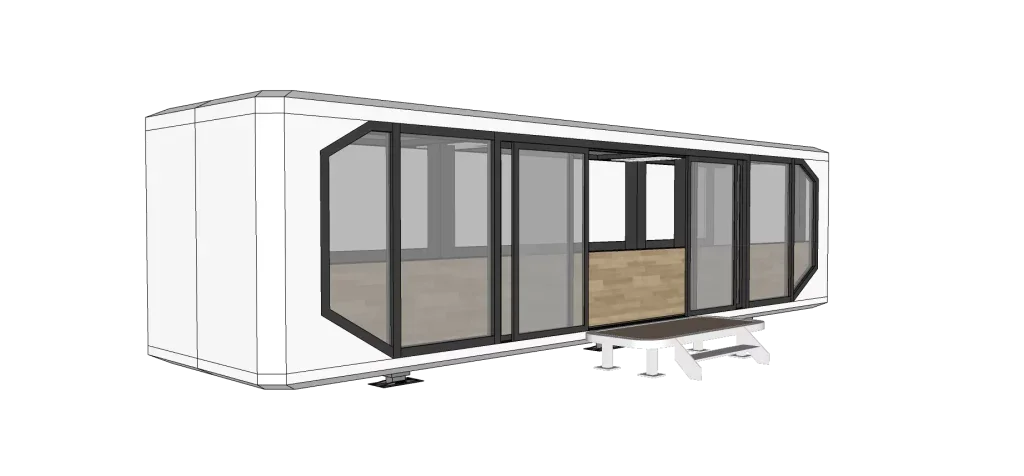
Structural integrity shows how a structure holds up against weights and weather strain as time goes on. For capsule houses, this means standing strong against wind force, earth shakes, snow buildup, and wear from long use. As building laws around the world get stricter, mainly in places like Japan and Europe, makers must supply modular capsule houses that follow global safety marks.
Long-term toughness counts as another big point. A smartly built capsule house frame should keep its weight-holding power for many years without much breakdown. This matters a lot for uses like green resorts or far-off worker spots where fixes are hard to reach.
Safety goes past fixed weights. It covers fire blocking, warmth keeping, and people safety during moves or shifts. The rising need for dependable prefab capsule homes shows a change to design-focused home fixes that mix easy movement with lasting setup.
Engineering Design and Structural Systems of Capsule Houses
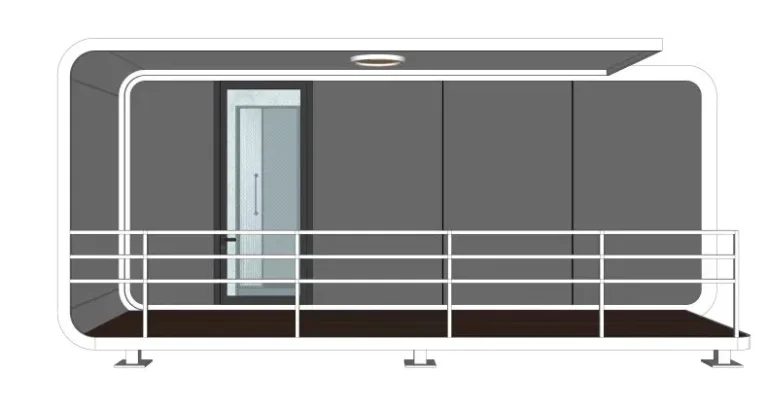
From a design view, capsule houses act as tight-knit setups blending building style with exact mechanics. Each part usually includes:
- Factory-built modular units with built-in frames that manage up-and-down and side-to-side weights
- Galvanized steel frame systems giving high power-to-weight balances
- Monocoque or semi-monocoque shells spreading out pressure evenly over rounded sides
- Precision joint connections made for fast putting together and steadiness while moving
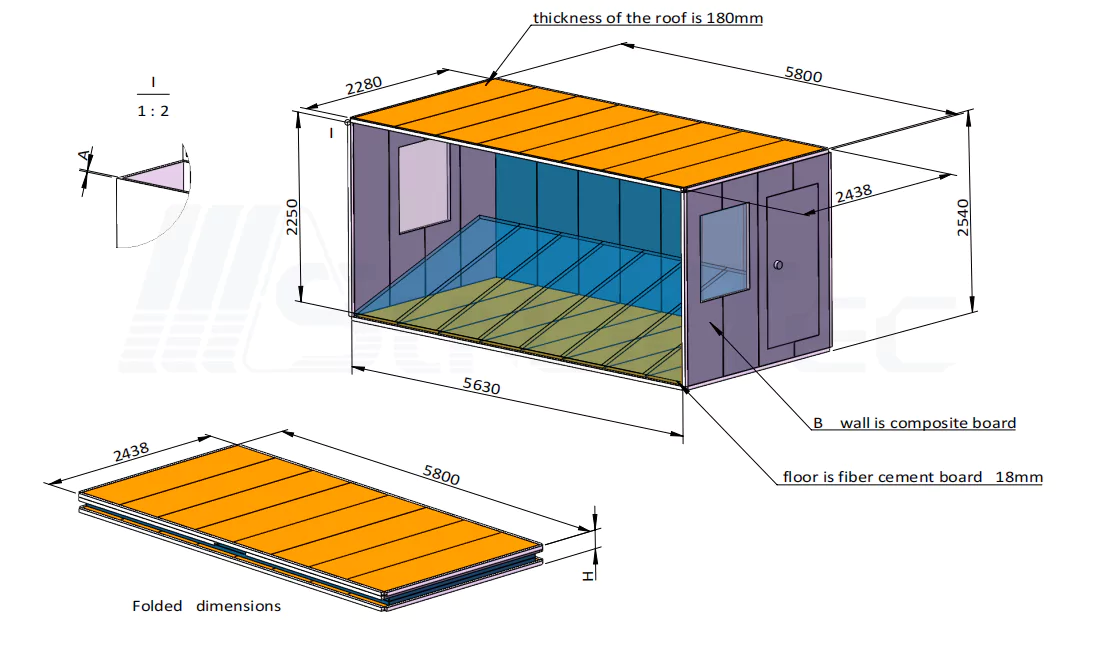
To keep residents safe, the main frame of the mobile house uses galvanized steel pipes. These can secure the whole house’s safety level. It reaches a seismic resistance grade of 10 and a wind resistance grade of 12. This pick of material lets Sunlit Tec’s capsule house structure fight off bending even in harsh settings, all while staying light for travel.
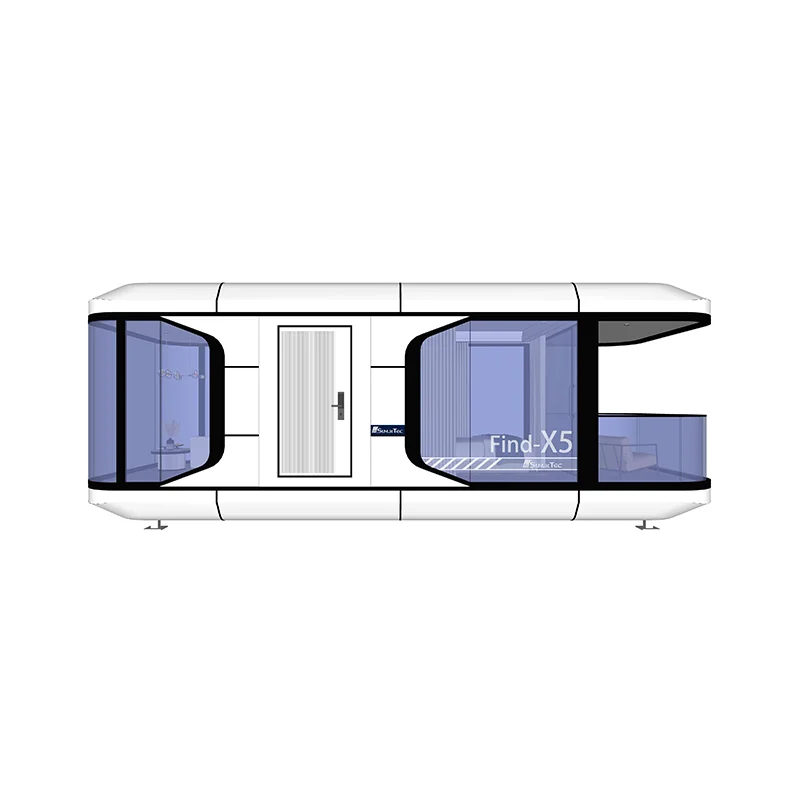
Sunlit Tec’s space capsule models show this blend of shape and purpose. Units like the X5 (8.5 m × 3.3 m) have strengthened galvanized frames paired with warmth-keeping panels. These come pre-set for power and pipes. So, they bring both firm steadiness and easy connect-and-use comfort.
Load Resistance, Materials, and Environmental Performance
Capsule houses face all sorts of weather tests, from storm-strong winds to very cold spells. Better materials boost both power and ease:
| Performance Aspect | Engineering Feature | Description |
| Wind & Seismic Resistance | Galvanized steel framework | Rated up to Level 12 wind resistance and Level 9 earthquake resistance |
| Thermal Efficiency | Insulated sandwich panels | Maintain stable indoor temperature from −40 °C to +40 °C |
| Corrosion Protection | Aluminum alloy cladding + coatings | Prevents oxidation in humid or coastal climates |
| Weatherproofing | Multi-layer sealing systems | Blocks moisture ingress during heavy rainfall |
The warmth layer uses polyurethane fire rating for no-burn quality. All inside materials come from green-friendly sources to make sure of their safety. Paired with weather-beating covers and double-layered Low-E glass windows, Sunlit Tec’s modular capsule houses work well in sandy wastes, hilly spots, or beach getaways. For instance, in a real Southeast Asian project, these units held up during a typhoon with winds over 150 km/h, keeping insides dry and warm.
Factory Manufacturing and Quality Control Advantages
Unlike usual site building that varies a lot, Sunlit Tec’s making process happens in steady factory spots with auto lines for building. Parts like steel frames get cut by lasers for exact fits down to the millimeter. Then, they weld into strong groups.
Top gains include:
- Precision engineering: Factory checks cut down on fit mistakes
- Integrated systems: Power lines and pipes set in before shipping
- Reduced defects: Steady settings stop material twists or dirt
- Consistent quality: Set ways make sure of steady frame work
Full spacecraft assembly: According to customer needs, the whole factory finishes the job. This covers inside decor of the house, furniture, and setup of water and power lines. Such ready-to-go style lets Sunlit Tec’s prefab capsule homes start up in hours once they reach the spot. They need no big on-site work for living in. Industry data shows this cuts setup time by 70% compared to traditional builds, based on projects in remote mining sites.
Applications and Structural Reliability in Real Projects
Capsule houses show great fit for many fields:
- Hospitality & Eco‑Resorts: Set up as view-filled pods mixing high-end feel with low earth impact
- Workforce Housing: Tough units backing mining or build teams in out-of-way areas
- Urban Compact Living: Room-smart small flats fixing city home lacks
- Emergency Shelters: Quick-set units for disaster help zones
In case of a natural event, it serves as a quick shelter to shift hurt people fast. The build trust shown in these cases highlights their worth as strong setup pieces. Take a European eco-resort case: Sunlit Tec capsules endured heavy snow loads of 200 kg/m² without frame shifts, proving reliability in cold climates.
A case from Southeast Asia shows this range: A buyer set a Sunlit Tec space capsule in a home yard as a mix office-fun pod with bathroom setups. It points out how strong design fits daily life changes.
Compliance, Certifications, and Industry Standards
To stand out worldwide, today’s prefab capsule homes must hit strict rule sets on build tests and people safety:
- Load testing & verification: Checks frame bend limits under fake stress setups
- Fire & electrical safety compliance: Makes sure of following CE certification steps
- Export certifications: Helps move across borders under world trade rules
Sunlit Tec picks checked green materials matched with world-known power parts from top names. This backs its promise to full world quality checks. Over 500 units exported last year passed EU structural audits without issues, drawing from company records.
Future Trends in Capsule House Engineering
The coming change in modular homes joins digital smarts with fresh material know-how:
- Adding of IoT sensors watching wetness, weight pull, or power use right away
- Use of light mixes swapping old steel where it fits
- Taking up re-use materials fitting zero-carbon build aims
As green ways grow key to city plans everywhere, clever modular setups will shape next homes. Each space capsule house will work not just as cover but as a smart spot in linked groups. Experts predict a 30% rise in smart integrations by 2030, per industry reports from Asia-Pacific projects.
Conclusion
Structural integrity stays the main yardstick for any modular capsule house effort. It rules people safety in storms or quakes. It affects long-run costs by cutting fix needs. In the end, it sets market buy-in among builders wanting tough prefab answers. Sunlit Tec’s design-led way, mixing galvanized steel frames with exact making, puts its modular capsule houses ahead in this shift to strong small builds. For full tech details or team-up asks on custom plans fit to set lands or weathers, pros can reach Sunlit Tec directly.
FAQs
Q1: What structural system is commonly used in modern capsule houses?
A: Galvanized steel frame systems combined with modular shell structures are widely used for strength and durability.
Q2: How do capsule houses perform in extreme weather conditions?
A: They are engineered to meet wind resistance up to Level 12 and seismic resistance Level 9 standards while maintaining insulation efficiency across −40 °C to +40 °C climates.
Q3: Are prefab capsule homes suitable for long-term use?
A: Yes. With corrosion-resistant materials like aluminum alloys and polyurethane insulation layers rated for non-flammability, they offer service lives comparable to permanent buildings.
Q4: What certifications are important for a capsule house structure?
A: Common standards include CE marking for electrical systems, fire-safety compliance reports, and verified structural load tests prior to export approval.
Q5: Why does factory production improve structural integrity?
A: Controlled environments guarantee consistent welding quality and accurate component alignment. This reduces human error typical in on-site builds while enhancing overall frame reliability.