Introduction

The worldwide construction industry is experiencing a major change—from usual on-site work to carefully managed off-site production (OSM). Modular and prefabricated setups are no longer rare methods; they now play a key role in eco-friendly city growth. This change comes from better productivity, but also from the rising challenges of following rules across different countries.
Technical standards stay as the main obstacle for entering global B2B buying. Every area applies unique rules for structure, fire safety, and environmental protection that modular makers must follow before setup or shipping out. For example, an industrial module made for North America needs to match the International Building Code (IBC) and ICC/MBI standards. Meanwhile, its version for Europe deals with CE marking and Eurocode checks.
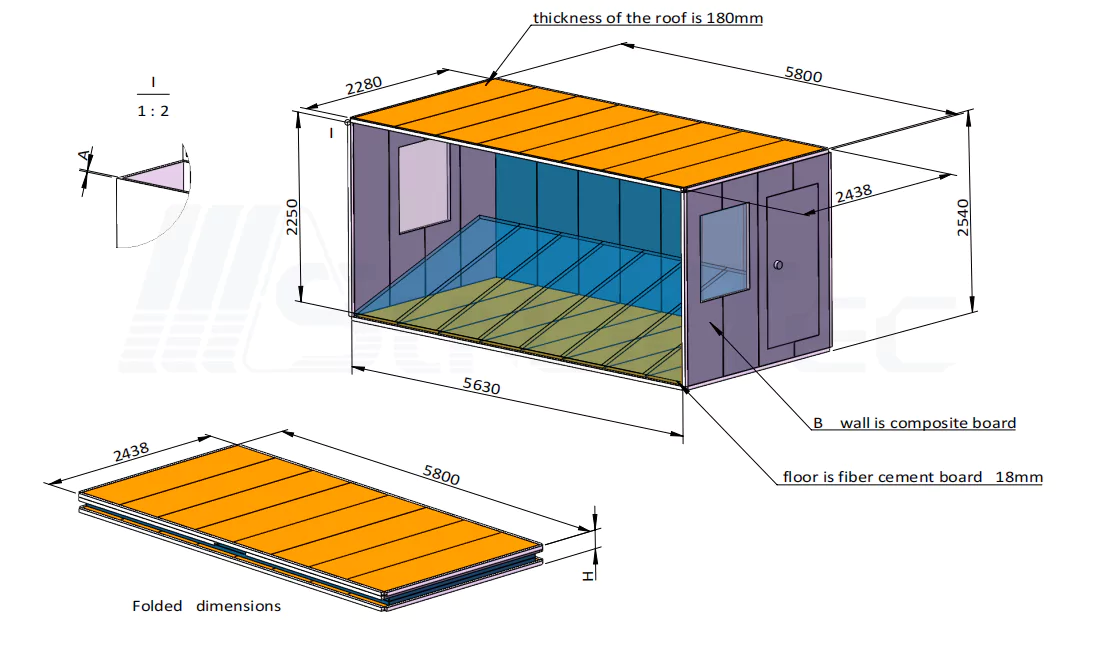
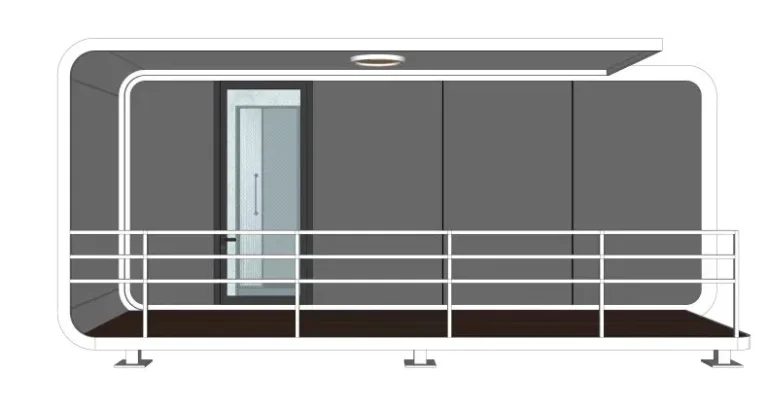
Companies like Sunlit Tec fill this space with uniform modular setups built to satisfy worldwide approval needs while keeping the same safety as site-constructed buildings. Mobile homes, in a general way, mean factory-built prefabricated structures that can move as one piece or break down easily, ship, and put back together. This modular adaptability—paired with strict design—lets Sunlit Tec’s items fit smoothly into various rule settings without losing strength or user ease.
North American Market: IBC, MBI, and Material Science
Structural Integrity: Deciphering the IBC
In North America, the International Building Code (IBC) acts as the base for all non-living prefabricated buildings. It controls things like weight-holding power, fire protection, access ease, and earthquake handling. For modular producers like Sunlit Tec stepping into this area, matching IBC makes sure their parts are just as legal as regular on-site built places.
Off-site Standards: ICC/MBI 1200 & 1205
The ICC/MBI 1200 and 1205 rules focus on off-site building steps. They outline quality checks and paperwork for modular putting together. These guidelines speed up okaying processes between plants and local offices by setting how modules get checked before sending off.
Material Focus: ASTM-Certified Galvanized Steel Frames
Material knowledge has a big part in reaching these rules. To keep residents safe, the chief frame of the mobile house uses galvanized steel pipes. These ensure the whole house’s safety, hitting a quake resistance of 10 and wind resistance of 12. ASTM-certified galvanized steel offers strong pulling power and rust protection—features vital for tall modular setups facing different weather in North America.
European Technical Requirements: From CE to Eurocodes
European Technical Assessment (ETA)
In the EU setup, new modular systems need a European Technical Assessment (ETA) under Regulation (EU) No 305/2011 (Construction Products Regulation). This check confirms product work where no standard rule fits—especially useful for mixed steel-aluminum modules in today’s office pods or hotel spaces.
Structural Steel Design under Eurocode 3
Eurocode 3 (EN 1993) handles structural planning with steel parts. Following it makes sure modular frames hold steady under pressure and twist forces common in tall setups. Sunlit Tec’s design groups simulate these pressures on computers before making—letting exact adjustments during building.
Thermal & Fire Performance
Fire rating by EN 13501 is yet another big step for use in Europe. Non-burning filler materials like Rockwool or polyurethane boards go into wall setups to reach up to EI120 levels based on user type. The filler layer uses polyurethane fire rating for no burning; all inside materials come from green sources to keep them safe. These details promise both user protection and lasting strength under EU green rules.
Technical Specialization for Industrial Applications
Industrial-level modular parts require a mix of shipping ease and strong build.
- Containerization Standard:Sticking to ISO shipping sizes lets Sunlit Tec modules—like container-style offices—travel worldwide without changes while staying firm during pile-up tasks.
- HVAC & MEP Integration:Power systems match UL approvals in North America or CE matching in Europe. Plant-set mechanical setups cut on-site work and fit local power needs.
- Site-Specific Engineering:For jobs in storm-heavy or quake areas, Sunlit Tec tweaks its base strengthening plan with finite element analysis (FEA). It shows good bendability and costs less than old-style building. This flexibility brings toughness without wasting too much material.
Quality Assurance and Factory Certification
ISO Management Systems
To keep steadiness in big B2B orders, Sunlit Tec runs under ISO 9001 (Quality Management) and ISO 14001 (Environmental Management). These systems oversee each part—from getting raw supplies to last checks—making sure steady accuracy over lands.
Third-Party Inspections
Border-crossing checks matter a lot when setting up a modular home abroad. Outside checkers confirm hidden parts like pipes or wires against target rules before shipping. This openness creates confidence for builders handling projects in many countries.
Sustainability Credits
Today’s buying often links rule-following with green measures like LEED or BREEAM approval. By using reusable metals and low-VOC coatings in set factory spots, Sunlit Tec adds real points to eco-building efforts—a rising need for public job bids around the world.
Conclusion
As building moves to more machine work and green ways, approvals keep as the main measure of trust. Global builders now pick makers whose papers line up right with local rules—from IBC weight charts to Eurocode pressure trials. Sunlit Tec’s ongoing work in modular planning not only speeds up setup times but also ensures full rule tracking from plant floor to end use permit.
For designers plotting city growth jobs or builders setting a modular home overseas, teaming with an approved maker like Sunlit Tec brings sure results—rule-matching structures brought at plant-level quickness.
FAQs
Q1: How do modular buildings handle extreme weather conditions?
A: Each unit gets designed from local weather facts like basic wind speed or ground snow load. Strongened galvanized steel frames give high wind resistance up to level 12 and seismic resistance up to level 10 for steadiness even in hurricane spots.
Q2: Is CE marking mandatory when importing modular buildings into Europe?
A: Yes. Structural parts must follow EN 1090 under the Construction Products Regulation (CPR). This confirms welding quality and material tracking before setup inside EU lines.
Q3: What certifications should be checked when selecting a modular supplier?
A: Check for ISO 9001/14001 management approvals plus item-specific okay like ICC/MBI 1200 & 1205 or ETA reports in Europe. These papers show that making steps and materials hit worldwide quality marks.
Q4: How does installing a modular home differ from conventional construction?
A: Modules come ready from the plant—with power wiring, pipe lines, filler layers—and need just on-site linking. This cuts build time a lot while still matching local check steps.
Q5: Can these prefabricated modules qualify for green building credits?
A: Absolutely. Modular making cuts waste through exact material cuts and set energy use in production. This helps jobs gain LEED or BREEAM green points along with quicker job finish times.