Introduction
Cities deal with increasing challenges. These come from dense populations and pressures on the environment. There is also a rising need for lasting infrastructure. Usual methods for planning cities often fail to match these shifts. Adding technology to city design has grown vital. It helps build smart, strong, and pleasant communities.
Current planning for cities uses digital setups, connections through IoT, and flexible designs. This creates adaptable places that fit what residents want. Smart areas stress good operations, lasting ways, and designs focused on people. They go beyond just ease. For innovative modular solutions that integrate these elements, explore offerings from Sunlit Tec.
What Are Integrated Space Systems?
Integrated space systems mark the next step in city building. They mix flexible construction, smart controls, and settings enabled by IoT. This leads to useful, changeable, and linked spaces.
In broad terms, modular housing units (sometimes called mobile homes) are structures put together in factories. People can move them, take them apart, and put them back together. This depends on the size of the project. Each unit acts as a separate “building block.” You can join or grow them as needed.
These systems usually include:
- Smart modules with adjustable lighting, climate control, and security features
- IoT sensors for checking energy use and conditions in the environment
- Flexible layouts suitable for both residential and commercial applications
The advantages go past simple ease. Residents get better comfort from designs that save energy and automation they can set. Meanwhile, business developers find answers that grow easily. These cut building times, lower costs, and help with goals for lasting use.
Impact on Urban Communities
Enhanced Energy Efficiency and Sustainability
Smart tools let buildings handle energy use in a good way. They allow changes to lighting and temperature based on who is there and outside conditions. Such features can cut costs for utilities. They also reduce emissions of carbon. This helps with urban growth that lasts longer.
Ongoing studies and the choice of strong, energy-saving, and green materials boost safety, work, and lasting quality. For instance, galvanized steel frames and polyurethane insulation offer solid structure and heat control. At the same time, they limit harm to the environment.
Improved Living Experience through Automation and Connectivity
Residents gain from linked smart devices. These include clever locks and lighting that adjusts. Sunlit Tec units arrive ready with smart locks, soft lighting, and good management of water systems. They support spaces that respond well. These can change to what users like through automation they can set.
Space Optimization for Dense Urban Areas
Shortage of land in cities calls for new ways to use space. Modular integrated systems make the most of what is there. They do this by piling units up or linking them side by side. Yet, they keep comfort and good looks. Light steel prefabricated housing works for long stays. It fits areas with many people, based on unit size and project scale.
Sunlit Tec Solutions in Action
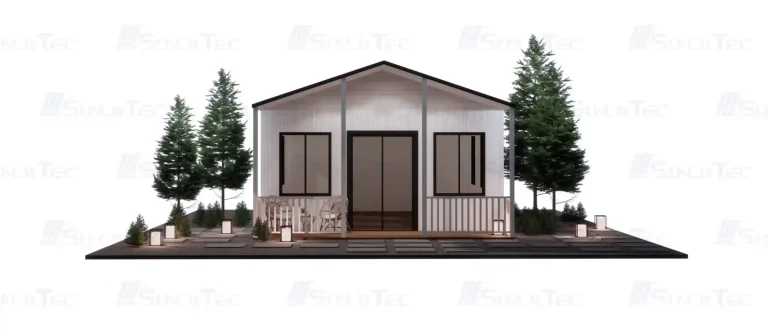
Sunlit Tec has led in flexible innovation since 2014. It shifted from making steel structures to creating advanced modular housing options. Its range covers capsules spatiales, apple cabins, board houses, and Maisons conteneurs. All focus on lasting ways and good use.
Each product shows the ideas of integrated space:
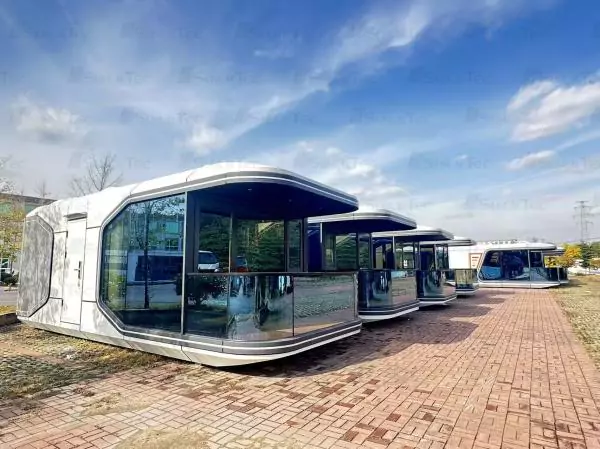
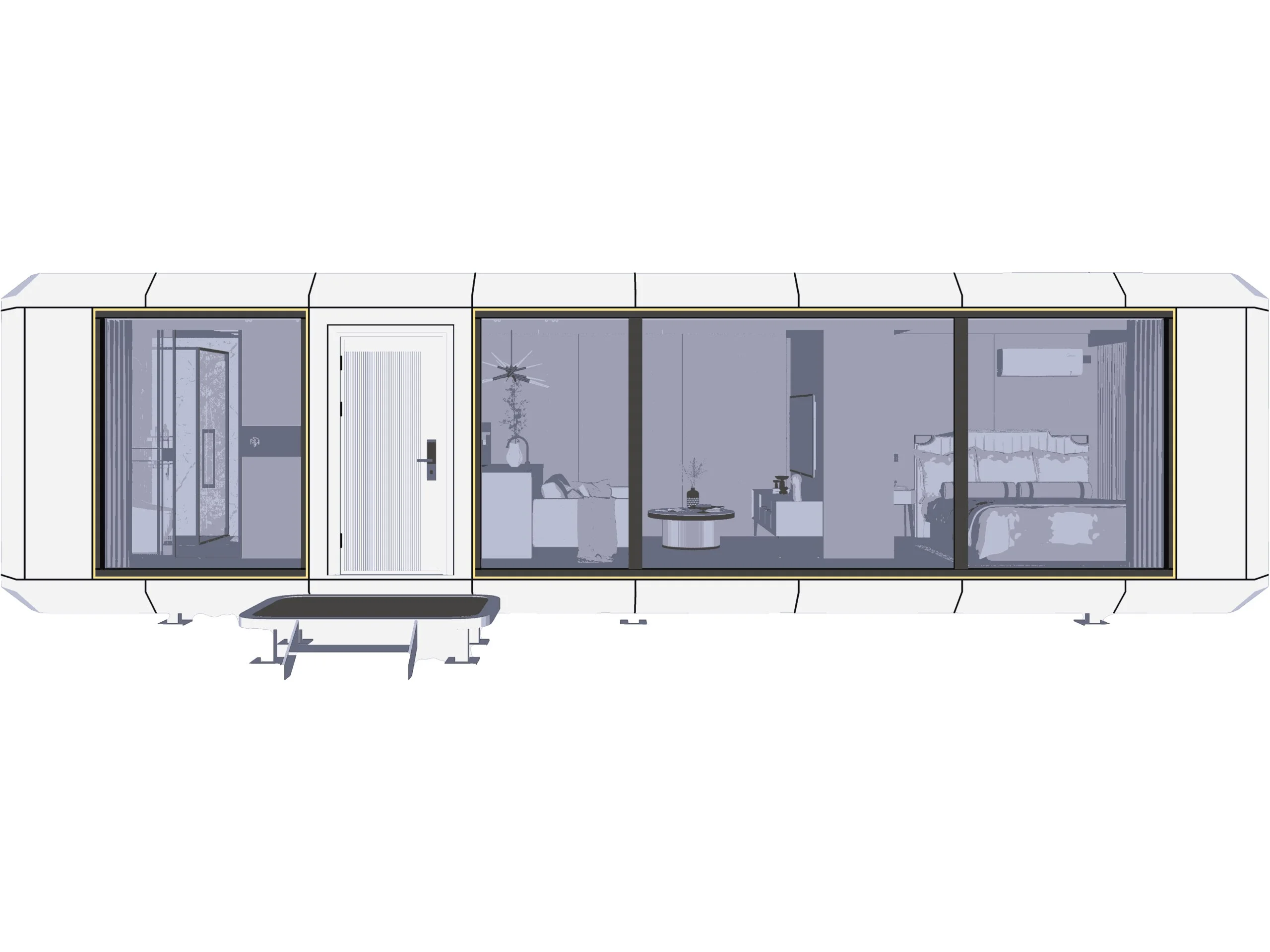
- Space Capsules: Built with aviation-grade aluminum alloy frames and panoramic windows offering wide-angle views; they combine compact efficiency with high comfort.
- Apple Cabins:Lightweight yet robust units made from galvanized steel frames, ideal for homestays or small offices due to easy installation and portability.
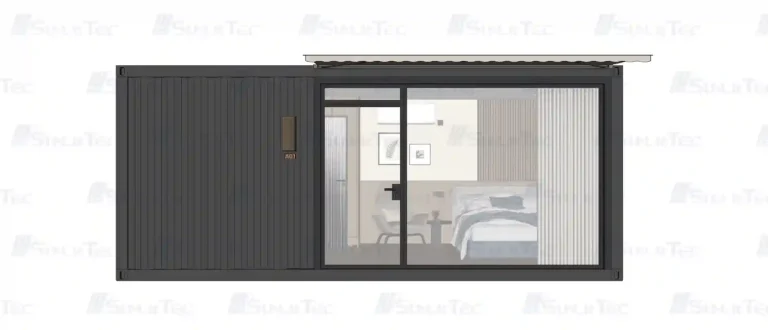
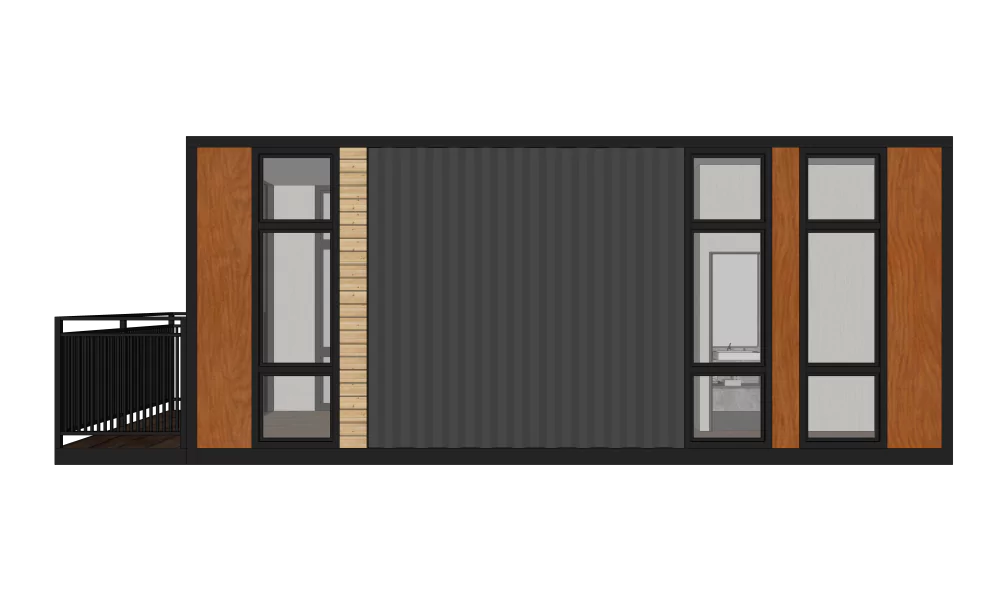
- Container Houses:Designed according to international freight standards for cost-effective shipping, allowing flexible layout customization.
A recent project in Southeast Asia showed Sunlit Tec’s method. It involved a courtyard space capsule set up as a hub for office and leisure. The work finished quickly. The client praised its comfort, usefulness, and fresh design. This proves how modular units can blend technology with real needs.
Measurable Outcomes
For mid-sized projects, developers see much shorter building times. These often last under three months. This happens because of off-site prefab work. Waste drops, and returns on investment can rise. This comes from options like renting or moving units, based on project scale and how complex the design is.
Implementation Strategies for Developers
For developers who want to add these systems to city projects — whether fresh builds or updates — good results depend on careful planning:
- Site Assessment:Check how well the land adapts; Sunlit Tec units can go on uneven ground with bracket foundations or cement platforms.
- Phased Integration:Start with mixed developments that join usual structures with modular add-ons. Then, grow to full smart communities.
- Technology Partner Selection:Pick sellers that give full services — from custom drawings to support after setup.
- Compliance & Certification:Make sure materials fit green standards; all Sunlit Tec materials have eco-certifications that ensure safety.
- Resident Engagement:Teach those living there about features like smart control of climate or adding renewable energy. This helps get the most from them.
A useful plus is the ability to move them: After finishing the house build, it must go onto a vehicle with crane help. This ease aids short-term setups like pop-up shops or shelters for disasters. It avoids lasting changes to the land.
Conclusion
As cities turn into smarter setups, integrated space systems will change how people live and work in them. Developers who take on these tools can make projects ready for future rules on lasting ways and needs for digital setups.
Sunlit Tec keeps leading by mixing flexible building ideas with exact engineering. It provides living modules that adapt. These aim for good operations, comfort for users, and urban growth that lasts.
Questions fréquentes
Q1: What are integrated space systems, and how do they work?
A: Integrated space systems join flexible building methods with IoT technology. They create linked settings where lighting, temperature, security, and energy use get managed automatically through smart controls.
Q2: How can integrated systems improve sustainability in urban communities?
A: They cut waste in building through prefab steps. They also use green materials like galvanized steel frames and polyurethane insulation layers. These boost lasting quality while lowering emissions.
Q3: Are these solutions scalable for large urban projects?
A: Yes. Flexible designs let developers grow projects. They can pile units up or link many side by side. This needs no big changes to the ground.
Q4: How do Sunlit Tec products support smart community infrastructure?
A: Each unit adds smart hardware — including automated lighting systems, water circuitry management, smart locks — enabling seamless connectivity within broader community networks.
Q5: What are the costs and ROI of implementing integrated space systems?
A: Costs change based on how much you customize; however, factory-prefabricated production greatly cuts labor costs. Faster setup raises ROI through quicker rates of people moving in, compared with usual builds.