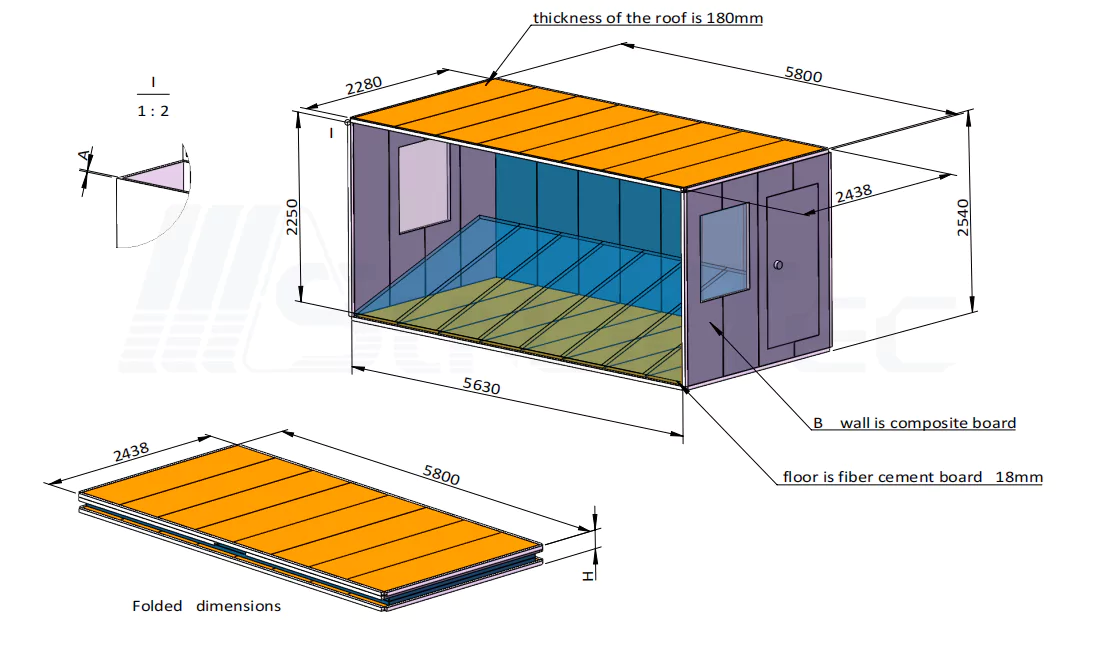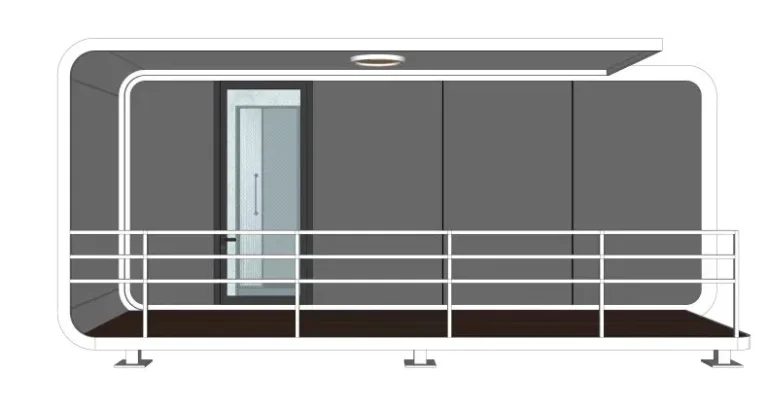
Глобальный переход к модульным домам из контейнеров в реальных строительных проектах
Строительные проекты в разных частях мира претерпевают незаметные, но весьма практические изменения.
В отдаленных промышленных зонах, прибрежных районах и на временных строительных площадках традиционные методы строительства часто оказываются слишком медленными или слишком зависимыми от местных условий труда. Погодные условия, задержки в логистике и нехватка рабочей силы, как правило, приводят к срыву сроков.
Вот где модульные контейнерные системы для дома начинают обретать больше смысла.
Во многих случаях они уже не являются настоящим «альтернативным жильем». Для все большего числа подрядчиков это просто первый вариант, рассматриваемый на этапе планирования проекта.
В ходе реальной работы по закупкам одни и те же проблемы возникают снова и снова:
- Сроки доставки в реальных условиях транспортировки
- структурная стабильность после многократных перемещений
- стабильность между партиями в крупных заказах
Sunlit Tec компанией Компания разрабатывает модульные жилищные решения, ориентируясь на практические требования, а не только на концепции дизайна. Ассортимент продукции включает в себя дома из контейнеров, модульные блоки в форме космических капсул, домики в форме яблок и расширяемые модульные системы, используемые на разных этапах реализации проектов.
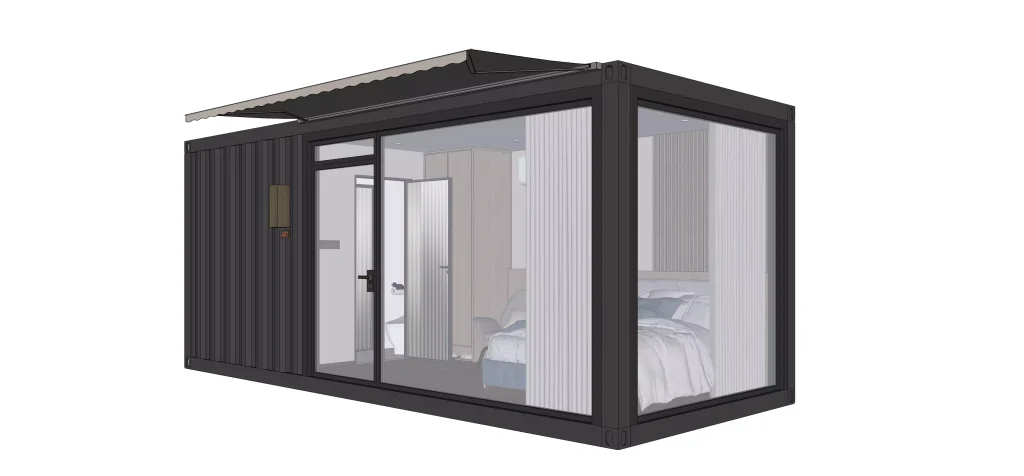
Модульная система жилищного строительства Sunlit Tech
Компания Sunlit Tec не занимается производством одного продукта. Ее система ближе к модульной экосистеме, где различные модули разработаны для разных уровней сложности проектов.
Исходя из реальной структуры продукции, к основным категориям относятся:
| Тип продукта | Типичная функция | Реальный сценарий применения |
| Контейнерный дом | Офис + жилье | Строительные площадки, промышленные лагеря |
| Блок космической капсулы | Компактный жилой модуль | Туризм, аренда жилья, гостеприимство в отдаленных районах. |
| Яблочная кабина | Небольшое гибкое жилье | Экопарки, краткосрочная аренда жилья, живописные места. |
| Дом с возможностью расширения | Масштабируемая живая система | Крупное жилье для работников, для использования в чрезвычайных ситуациях. |
В ходе реальной реализации проектов эти продукты часто комбинируются. На одном объекте могут начинать с контейнерных жилых помещений для рабочих, а позже, по мере масштабирования производства, внедряться расширяемые модули. Планирование редко остается неизменным, особенно в удаленных районах, где условия проекта меняются практически без предупреждения.
Инженерная конструкция высокопрочных модульных домов из контейнеров.
Долговечность модульного жилья определяется не только использованием более толстой стали. В реальной инженерной практике гораздо важнее то, как конструкция ведет себя во время транспортировки, подъема и многократных циклов монтажа.
Модульные блоки Sunlit Tec строятся на основе стальных каркасных систем в сочетании с теплоизоляционными панельными конструкциями. Цель состоит не только в прочности, но и в устойчивости при многократных перемещениях.
К основным структурным характеристикам относятся:
- Стальная рама шасси, предназначенная для подъема и транспортировки грузов с помощью крана.
- Системы теплоизоляции стен используются как в холодных, так и в высокотемпературных регионах.
- Предварительная сборка на заводе позволяет сократить отклонения при сборке на месте.
- Антикоррозионное покрытие для длительного воздействия внешней среды.
Технические характеристики продукции различаются в зависимости от модели, но реальные данные из системы Sunlit Tec показывают типичные параметры таких устройств, как:
- Космическая капсула X7Длина около 11,5 м, площадь 38 м², рассчитан на 2–4 человек.
- Модульная кабина Apple Cabin P3: длина около 5,85 м, площадь 13 м², компактный, рассчитан на 2 человека.
- Расширяемые модули: многовариантные планировки для создания масштабируемых жилых пространств.
Это не абстрактные дизайнерские идеи. Они отражают то, как модульное жилье стандартизируется для серийного производства и экспортных поставок.
Например, в прибрежных районах коррозионная стойкость становится важнее толщины изоляции. В пустынных регионах большее значение имеют терморегулирование и особенности расширения панелей. Основные принципы проектирования меняются в зависимости от конкретных условий местности.
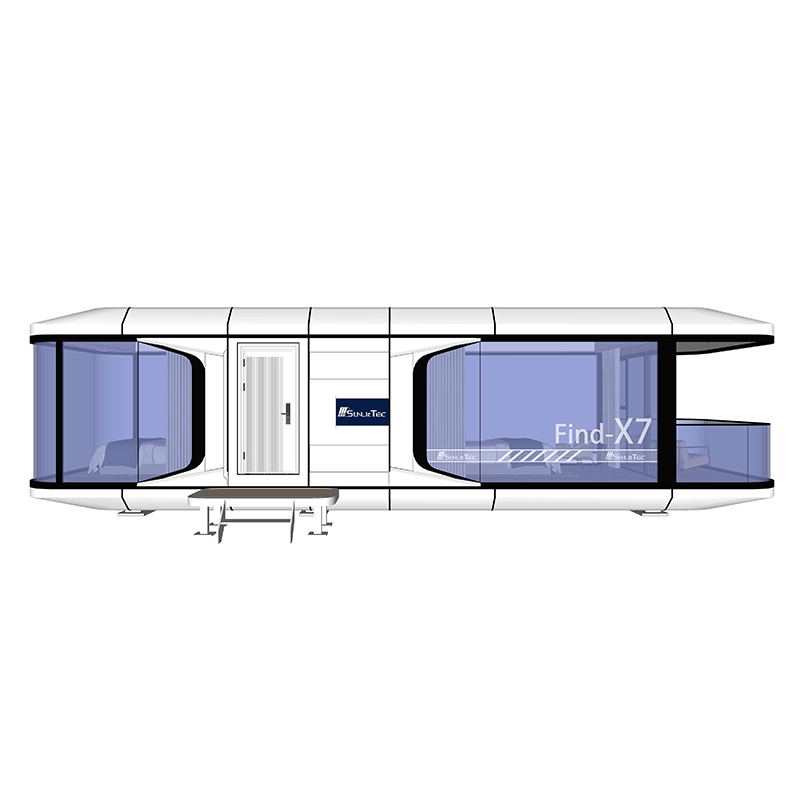
Сценарии применения в рамках глобальных проектов
Использование модульных контейнерных домов вышло далеко за рамки временных общежитий.
Строительные и инфраструктурные площадки
Это по-прежнему наиболее распространенный вариант развертывания. Модули используются для размещения жильцов, офисов на объекте и хранения. Скорость установки обычно важнее эстетики.
Горнодобывающая промышленность, нефтедобыча и проекты в области удаленной энергетики
В отдаленных районах с нестабильной логистикой модульное жилье снижает зависимость от местных строительных цепочек. Передвижные модули позволяют поэтапно расширять производство без перестройки инфраструктуры.
Экстренная помощь и помощь при стихийных бедствиях
В зонах стихийных бедствий скорость развертывания имеет решающее значение. Развертываемые системы и контейнерные дома могут быть быстро установлены для восстановления базовых условий жизни.
Проекты в сфере гостиничного и туристического бизнеса
Кабины Apple и модули в виде космических капсул все чаще используются в живописных местах. Их назначение не всегда ориентировано на роскошь, а скорее на компактность и быструю установку в условиях, требующих соблюдения строгих норм.
Здесь прослеживается примечательная тенденция: многие «временные» установки в итоге используются гораздо дольше, чем планировалось изначально. Это меняет подход к оценке долговечности при принятии решений о закупках.
Почему B2B-покупатели выбирают Sunlit Tech в качестве поставщика контейнерных домов
В реальных процессах закупок цена редко является единственным решающим фактором.
В случае крупномасштабных международных проектов покупателей обычно интересует, сможет ли поставщик обеспечить стабильность качества при многократных поставках и при изменении требований проекта.
Позиция компании Sunlit Tec как поставщика контейнерных домов основана на следующих принципах:
- OEM/ODM-производство с учетом различных региональных стандартов.
- Стабильность качества партий при крупномасштабном производстве.
- Опыт в организации экспортных поставок в различных регионах мира.
- Возможность интеграции различных модульных систем в рамках одной проектной компоновки.
На практике в некоторых проектах даже происходит корректировка компоновки модулей после первоначального развертывания. Это случается чаще, чем ожидалось, особенно в удаленных строительных зонах, где численность рабочей силы или объем работ меняются в процессе выполнения.
Гибкость становится частью самой ценности продукта.
Экономическая эффективность и стоимость модульного жилья на протяжении всего жизненного цикла
Оценка стоимости модульного жилья не ограничивается ценой за единицу.
Более реалистичный расчет включает в себя:
- транспортные и логистические расходы
- Зависимость от времени установки и трудозатрат
- потенциал повторного использования после завершения проекта
- частота технического обслуживания в течение всего жизненного цикла
По сравнению с традиционным строительством, модульные системы часто значительно сокращают потребность в рабочей силе на строительной площадке. В регионах с нестабильной или сезонной доступностью рабочей силы это различие становится ключевым фактором.
Ещё один практический аспект — повторное использование. Модуль, использованный в одном проекте, часто можно переместить и установить на другом объекте с минимальными изменениями. Это одна из главных причин, по которой модульные системы получают всё большее распространение в глобальных инфраструктурных проектах.
Перспективы развития модульного сборного жилья
В отрасли постепенно происходит смена направления развития: от строительства одноквартирных домов к интегрированным модульным экосистемам.
Уже наблюдаются некоторые тенденции:
- Повышенный спрос на энергоэффективные системы теплоизоляции.
- Стандартизация интерфейсов модульных соединений
- Гибридное использование офисных помещений и жилых зон, объединенных общей планировкой.
- Расширение деятельности в коммерческий и гостиничный секторы.
Это не внезапная трансформация. Это скорее медленный структурный сдвиг, вызванный глобальным давлением в строительной отрасли, повышением эффективности логистики и изменением стоимости рабочей силы.
Вывод
Модульные дома из контейнеров используются уже не только в качестве временных укрытий на удаленных объектах. В глобальных строительных, энергетических, гостиничных и промышленных проектах они теперь обеспечивают более быстрое развертывание, более стабильное качество и большую гибкость на строительной площадке.
Компания Sunlit Tec предлагает контейнерные дома, модульные конструкции в форме космических капсул, домики из яблок и расширяемые жилые системы для проектов различного масштаба и условий эксплуатации. Для покупателей реальная ценность заключается не только во внешнем виде, но и в структурной стабильности после транспортировки, перемещения и длительного использования на открытом воздухе.
Благодаря настраиваемым конфигурациям и заводской стабильности, Sunlit Tec помогает подрядчикам, дистрибьюторам и застройщикам планировать масштабируемое сборное жилье с меньшей неопределенностью на строительной площадке. Для планирования проектов или удовлетворения потребностей в оптовых поставках, свяжитесь с Sunlit Tech для получения индивидуальной поддержки по вопросам модульного жилья и консультаций по ценообразованию.
Часто задаваемые вопросы
В1: Какие типы модульного жилья предлагает компания Sunlit Tec?
А: Дома из контейнеров, модули в виде космических капсул, домики из яблок и расширяемые модульные системы. Каждый тип используется для проектов разного масштаба и потребностей в развертывании на месте, в зависимости от того, как планируется проект.
Вопрос 2: Как обычно используются дома из контейнеров в реальных проектах?
А: В большинстве случаев они используются в качестве офисов на строительной площадке, помещений для персонала или для хранения вещей. На крупных проектах их часто устанавливают первыми, до завершения полной подготовки площадки.
Вопрос 3: Подходят ли модульные дома Sunlit Tec для эксплуатации в суровых условиях?
А: Да. Стальные каркасные конструкции и теплоизоляционные панели предназначены для выдерживания вибраций при транспортировке и дальних перевозках. Они обычно используются в местах с жарким, холодным или нестабильным климатом.
Вопрос 4: Можно ли комбинировать различные модульные блоки в одном проекте?
А: Да, дома из контейнеров, домики из яблок и модульные конструкции часто объединяются на одной площадке в зависимости от численности персонала и требований этапа проекта.
В5: Что следует учитывать при выборе поставщика модульных домов?
А: Покупатели обычно обращают внимание на стабильность производства, опыт экспорта и стабильность поставок. Возможность индивидуальной настройки продукции под индивидуальные потребности заказчика также важна, особенно для крупных или поэтапных проектов.