Глобальная тенденция к использованию модульного жилья в строительных проектах
Строительная отрасль меняется уже давно, но в последние несколько лет эти изменения стали более заметны на практике. Крупные проекты в горнодобывающей промышленности, туризме и инфраструктуре больше не полностью зависят от традиционного строительства на месте. Значительная часть работ теперь переносится на заводы, иногда даже раньше, чем ожидалось.
Модульное жилье Это часть этих изменений. На самом деле это уже не "тренд", а скорее практическое решение проблем, связанных с нестабильными сроками и нехваткой рабочей силы.
Согласно исследованиям мировой индустрии сборного строительства, модульное и сборное строительство неуклонно расширяется, особенно в нежилых секторах, таких как лагеря, курорты и временная инфраструктура. Некоторые отчеты показывают, что этот сегмент растет со среднегодовым темпом роста в 5-10% в глобальном масштабе, при этом наибольший спрос наблюдается на рынках Азии, Ближнего Востока и Африки.
Китай находится в центре этой системы не из-за маркетинговых заявлений, а из-за особенностей структуры цепочки поставок: обработка стали, изоляционные материалы, сварочные мощности и контейнерная логистика часто сосредоточены в нескольких промышленных кластерах.
Sunlit Tec компанией В рамках этой системы компания функционирует как производитель модульного жилья, ориентированный на повторяемое, готовое к экспорту производство, а не на единичные строительные проекты.
Модульная производственная база и экспортная структура Китая
Модульное жилье — это не единый продукт. Это комбинация множества производственных этапов, которые должны быть согласованы от начала до конца.
В большинстве производственных процессов этот процесс обычно включает в себя:
- Изготовление стальных каркасов
- Сварка металлоконструкций и антикоррозионная обработка
- Монтаж теплоизоляции стеновых панелей
- Предварительный монтаж электропроводки и сантехники
- Внутренняя отделка
- Проектирование усиления конструкции и загрузки контейнеров для экспорта
Именно здесь у многих мелких поставщиков возникают проблемы. Если какой-то этап выполняется некачественно, проблемы с монтажом проявляются позже на объекте. Иногда это не критично — просто двери немного смещены или требуется регулировка точек соединения. Но в крупных проектах эти мелкие проблемы быстро накапливаются.
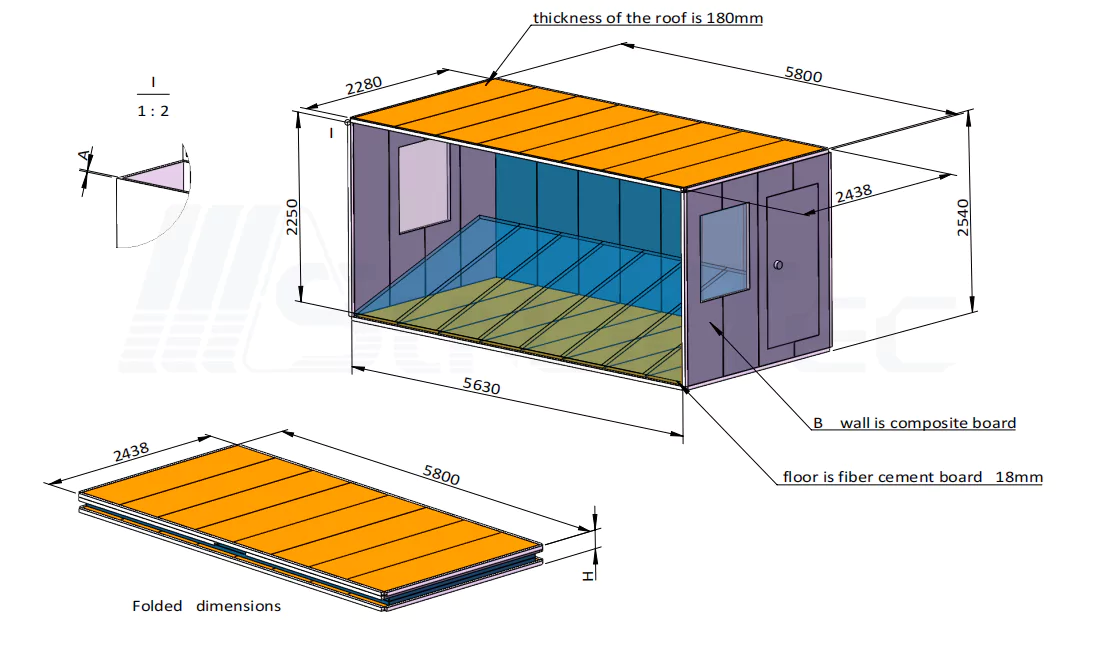
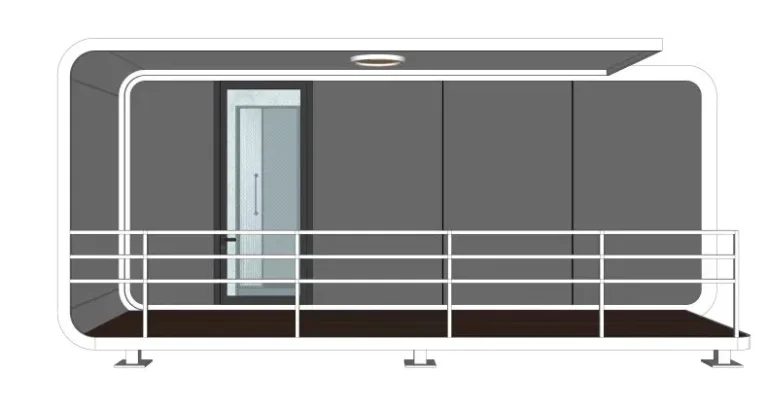
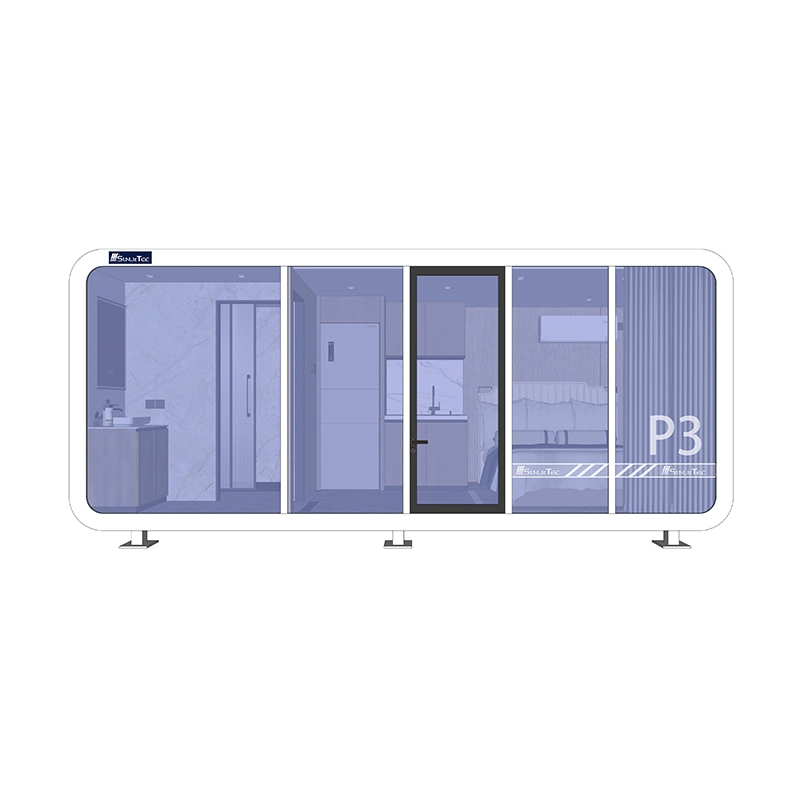
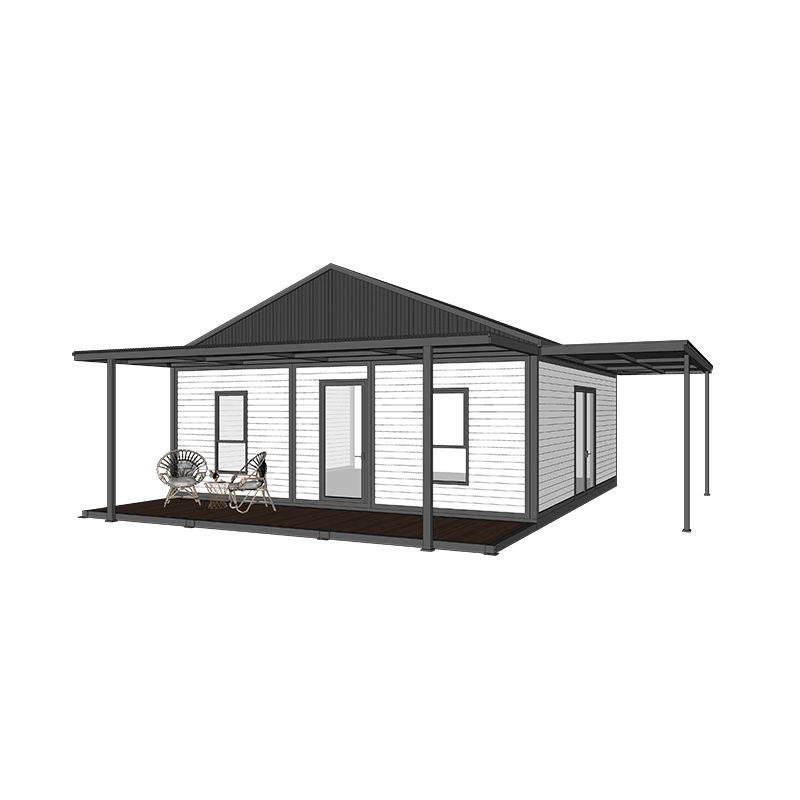
В официальную линейку продукции Sunlit Tec входят космические капсулы, домики в форме яблок, сборные дома и контейнерные жилые системы, предназначенные для различных типов проектов, от размещения персонала до коммерческого и туристического использования. Линейка продукции явно ориентирована на многоцелевое применение, а не на создание конструкций для одного вида деятельности.
Компания Sunlit Tech как производитель модульных домов
Компания Sunlit Tec позиционирует себя не столько как традиционный застройщик, сколько как... поставщик систем жилищного строительства, ориентированный на производство.
Основные категории продукции включают:
- Дома из контейнеров для рабочих лагерей и временного проживания.
- Яблочные домики для размещения туристов и отдыхающих на курорте.
- Сборные модульные жилые блоки для коммерческих проектов
- Индивидуальные модульные космические решения от OEM/ODM производителей.
Эти продукты созданы на основе одной идеи: повторяемость.
В реальных условиях закупок B2B единообразие важнее креативности дизайна. Подрядчик, заказывающий 100 единиц для удаленного объекта, не оценивает «разнообразие дизайна». Настоящая проблема заключается в том, будут ли все единицы вести себя одинаково во время транспортировки, установки и длительной эксплуатации.
Здесь есть небольшая, но важная деталь. Многие модульные проекты терпят неудачу не на этапе производства, а во время транспортировки или сборки на площадке. Небольшое искажение в выравнивании каркаса может привести к задержкам на несколько дней на объекте. Именно здесь обычно начинается рост стоимости проекта.
Производственная система Sunlit Tec построена таким образом, чтобы уменьшить эту изменчивость за счет стандартизации производства.
Масштабируемая производственная система в реальных проектах
Масштабируемость в модульном жилищном строительстве заключается не в увеличении размеров, а в возможности расширения производства без нарушения стабильности.
Типичная производственная логика
| Этап | Что происходит на самом деле |
| обработка стали | Резка, сварка, антикоррозийная обработка. |
| модульная сборка | Интеграция каркаса, стен и крыши |
| Установка системы | Предварительный монтаж электропроводки и сантехники |
| Контроль качества | Испытания на выравнивание конструкции и герметичность |
| Подготовка к экспорту | Усиление для транспортировки грузов на большие расстояния. |
Эта структура не меняется независимо от того, составляет ли заказ 10 единиц или 200 единиц. Эта стабильность является основой масштабируемости.
Почему масштабируемость важна в реальных закупках
Основано на реальных примерах реализации проектов модульного жилья:
- Горнодобывающие проекты часто расширяются поэтапно, а не все сразу.
- Развитие туризма предполагает сезонное увеличение количества объектов в зависимости от спроса.
- Для обеспечения правительством экстренного жилья требуется внезапное массовое развертывание.
- Подрядчики, работающие по схеме «проектирование, закупка и строительство», масштабируют инфраструктуру в зависимости от циклов финансирования.
Стоит отметить один важный момент для поставщиков: даже небольшие задержки в сроках поставки модулей могут повлиять на дальнейший график строительства, особенно в отдаленных регионах, где логистические возможности ограничены.
Сценарии применения продукта
Модульные системы Sunlit Tec используются в различных отраслях промышленности, а не ограничиваются одним сектором.
Жилье для персонала и для удаленных объектов
В горнодобывающей, нефтяной и инфраструктурной отраслях системы временного жилья играют важную роль.
Типичные требования:
- Быстрое развертывание на неровной местности
- Теплоизоляция для экстремальных климатических условий
- Конструкция с возможностью штабелирования или расширения
- Прочные транспортные характеристики
Развитие туризма и гостиничного бизнеса
В живописных местах и проектах глэмпинга все чаще используются домики Apple и модульные курортные модули.
Интересно, что спрос здесь обусловлен не только функциональностью. Существует также фактор «визуального восприятия». Некоторым покупателям важнее, как устройство выглядит на фотографиях, чем как оно работает на бумаге.
Аварийная и общественная инфраструктура
В ситуациях реагирования на стихийные бедствия или временного перемещения:
- Жилье необходимо сдать в кратчайшие сроки.
- Базовые системы должны быть уже предварительно установлены.
- Устройства должны функционировать немедленно после установки.
Модульное жилье отвечает этому требованию, поскольку большая часть строительных работ завершается до отгрузки.
Реалии глобальных цепочек поставок и экспорта
Одним из менее очевидных преимуществ китайского модульного производства является интеграция логистики.
Модульные жилые блоки обычно проектируются с учетом габаритов при транспортировке. Это означает, что сама конструкция соответствует стандартам контейнеров, что уменьшает потери пространства во время перевозки. Это влияет на общую стоимость проекта больше, чем ожидают многие покупатели.
Ещё одним фактором является документация. Экспортные проекты требуют координации между производственными, инспекционными и таможенными процессами. Поставщики, имеющие опыт в этой области, сокращают задержки, не связанные напрямую с производством.
Компания Sunlit Tec работает в условиях, ориентированных на экспорт, где производство и логистика рассматриваются как единая система, а не как отдельные этапы.
Направление рынка и контекст отраслевых данных
Исследования рынка сборных домов, проводимые государственными органами, показывают три устойчивых направления спроса:
- Модульные дома-мини остаются крупнейшим сегментом рынка, чему способствуют экономичность и государственные программы жилищного строительства.
- Космические капсулы и интерактивные модули набирают все большую популярность в сфере туризма.
- Мобильные домики Apple остаются нишевым, но стабильным сегментом на курортах и в небольших коммерческих проектах.
Интересный вывод из последних отчетов по цепочкам поставок заключается в том, что спрос больше не определяется исключительно ценой. Покупатели все чаще обращают внимание на следующие факторы:
- стабильность доставки
- простота установки
- производственные мощности поставщика
- экспортный опыт
Именно здесь производители, такие как Sunlit Tec, позиционируют себя, сосредотачиваясь на надежности системы, а не на разовой индивидуальной настройке.
Вывод
Модульное жилье перестало быть экспериментальной категорией в мировом строительстве. Оно стало частью стандартной процедуры закупок для проектов, требующих скорости, масштаба и предсказуемой сдачи.
Компания Sunlit Tec представляет собой производственный подход, основанный на повторяемых производственных системах, экспортно-ориентированном дизайне и возможности применения в различных отраслях. От размещения персонала до туризма и развертывания в чрезвычайных ситуациях, модульное жилье становится практичным решением, а не просто альтернативой.
По мере того как масштабы и сложность глобальных проектов продолжают расти, спрос на надежных поставщиков модульного жилья, вероятно, будет и дальше увеличиваться. В этом контексте стабильность работы заводов и дисциплина в цепочке поставок имеют большее значение, чем новаторство в дизайне.
Для международных покупателей, оценивающих долгосрочные возможности поставок и модульные системы жилья для конкретных проектов, компания Sunlit Tec предлагает производственную структуру, соответствующую потребностям крупномасштабного глобального развертывания. Для получения информации о ценах на основе проектов, технических характеристиках или индивидуальных решениях в области модульного жилья, свяжитесь с Sunlit Tech обсудить масштабируемые варианты поставок в связи с предстоящими глобальными изменениями.
Часто задаваемые вопросы
В1: Что отличает производителя модульных домов в глобальных проектах B2B?
А: Поставщик, производящий стандартизированные системы жилых помещений на заводах и поддерживающий крупномасштабные экспортные поставки.
В2: Какие продукты входят в ассортимент компании Sunlit Tec?
А: Дома из контейнеров, домики из яблок, сборные модульные блоки и системы обустройства пространства, разработанные по индивидуальному заказу.
В3: Почему модульное жилье широко используется в строительных проектах?
А: Это сокращает время строительства на объекте и повышает стабильность при крупномасштабных внедрениях.
Вопрос 4: Можно ли использовать модульное жилье в экстремальных условиях?
А: Да, теплоизоляционные и конструкционные системы могут быть адаптированы к различным климатическим условиям.
Вопрос 5: Почему Китай является крупной базой для производства модульных домов?
А: Развитая цепочка поставок стали, зрелая экосистема сборного строительства и отлаженная система экспортной логистики обеспечивают глобальные поставки.