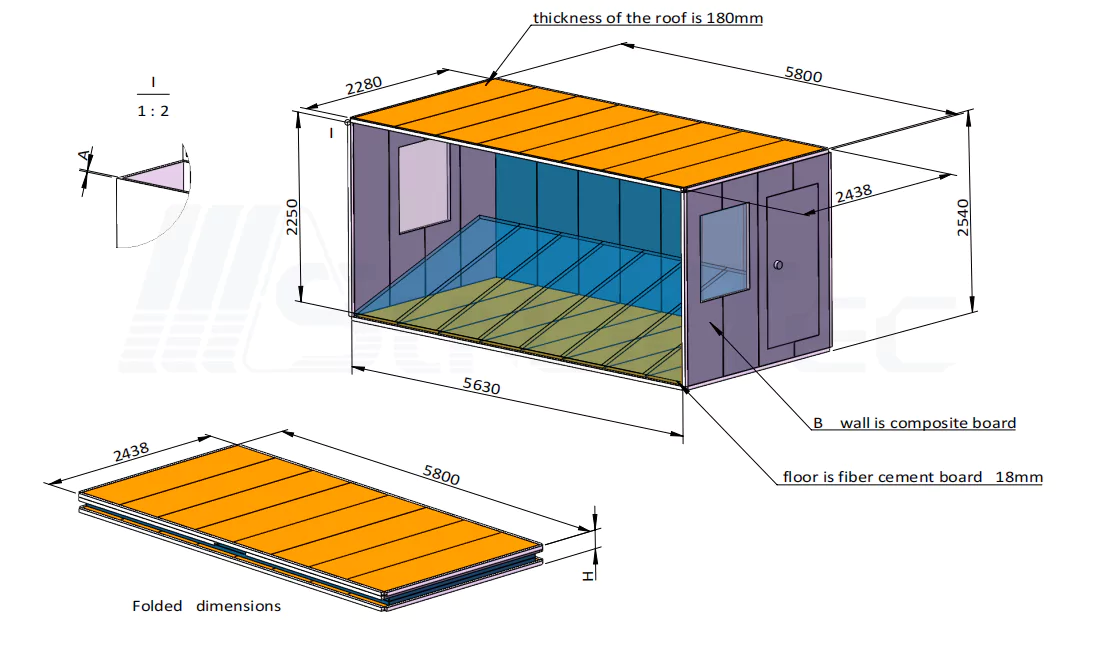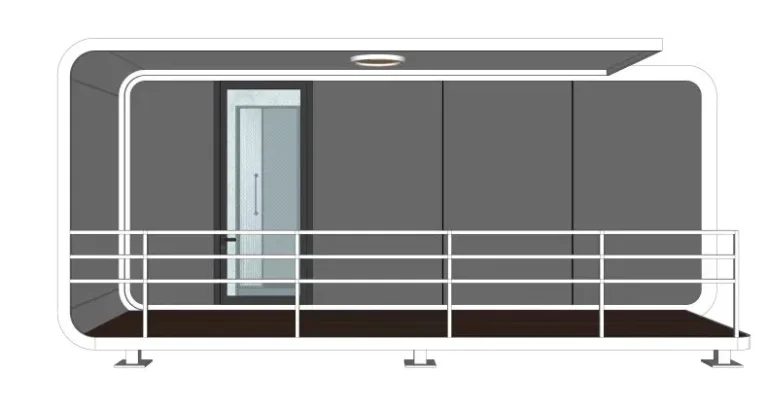
Cambio global hacia viviendas modulares construidas con contenedores en proyectos de construcción reales.
Los proyectos de construcción en diferentes partes del mundo están cambiando de una manera silenciosa pero muy práctica.
En zonas industriales remotas, proyectos costeros y emplazamientos de infraestructuras temporales, los métodos de construcción tradicionales suelen ser demasiado lentos o dependen en exceso de las condiciones laborales locales. El clima, los retrasos logísticos y la escasez de mano de obra tienden a retrasar los plazos previstos.
Ahí es donde sistemas de viviendas modulares basadas en contenedores empieza a tener más sentido.
En muchos casos, ya no se las considera realmente "viviendas alternativas". Para un número creciente de contratistas, son simplemente la primera opción que se contempla durante la planificación del proyecto.
En el trabajo real de adquisiciones, las mismas preocupaciones aparecen repetidamente:
- tiempo de entrega en condiciones reales de transporte
- estabilidad estructural después de múltiples reubicaciones
- consistencia entre lotes en pedidos grandes
Sunlit Tec Ha posicionado sus soluciones de vivienda modular en torno a estos requisitos prácticos, no solo a conceptos de diseño. La gama de productos incluye casas contenedor, unidades cápsula espacial, cabañas Apple y sistemas modulares ampliables que se utilizan en diferentes etapas del proyecto.
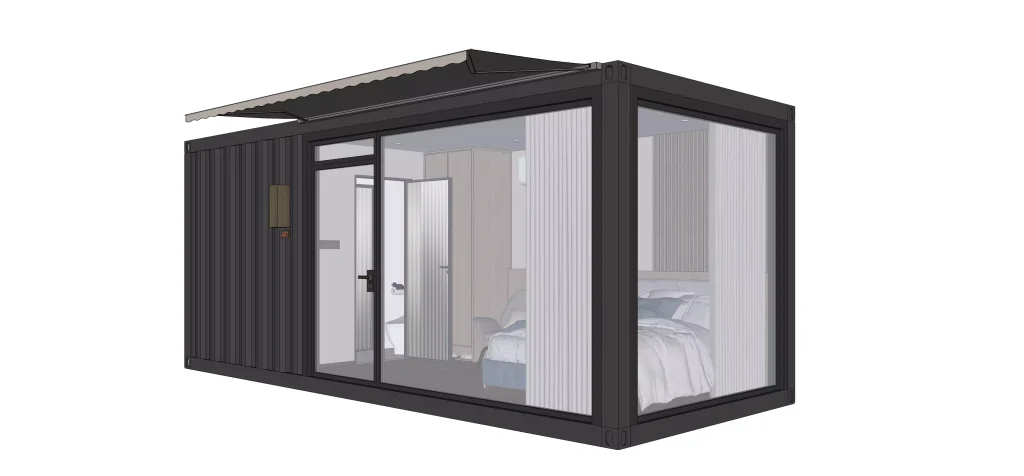
Sistema de productos de vivienda modular Sunlit Tec
Sunlit Tec no opera como un fabricante de un solo producto. El sistema se asemeja más a un ecosistema modular, donde las diferentes unidades están diseñadas para distintos niveles de complejidad del proyecto.
Basándose en la estructura real del producto, las principales categorías incluyen:
| Tipo de producto | Función típica | Escenario de aplicación real |
| Casa de contenedores | Oficina + alojamiento | Obras de construcción, campamentos industriales |
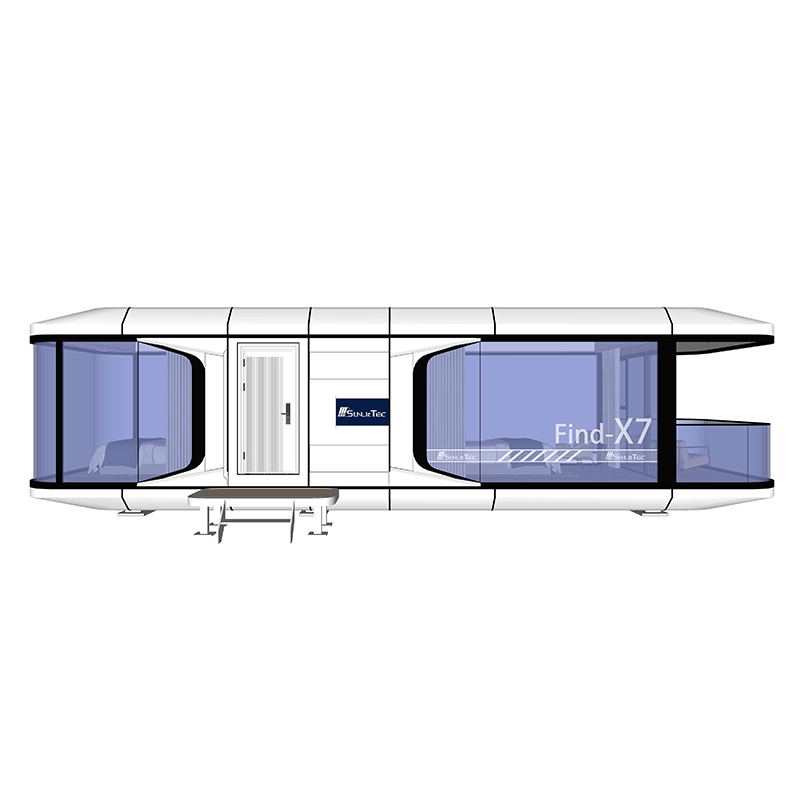
| Unidad de cápsula espacial | Módulo de vivienda compacto | Turismo, alquileres vacacionales, alojamiento en zonas remotas |
| Cabina de Apple | Vivienda pequeña y flexible | Parques ecológicos, alojamiento a corto plazo, zonas panorámicas |
| Casa ampliable | Sistema de vida escalable | Viviendas para trabajadores numerosos, uso de emergencia |
En la ejecución de proyectos reales, estos productos suelen combinarse. Un solo emplazamiento podría comenzar con viviendas prefabricadas para los trabajadores y, posteriormente, incorporar unidades ampliables a medida que aumentan las operaciones. La planificación rara vez permanece estática, especialmente en entornos remotos donde las condiciones del proyecto cambian sin previo aviso.
Estructura de ingeniería detrás de las casas modulares de contenedores de alta durabilidad
La durabilidad en las viviendas modulares no se limita a utilizar acero más grueso. En la práctica de la ingeniería, se trata más bien de cómo se comporta la estructura durante el transporte, el izado y los repetidos ciclos de instalación.
Las unidades modulares de Sunlit Tec se construyen con sistemas de estructura de acero combinados con paneles aislantes. El objetivo no es solo la resistencia, sino también la estabilidad ante movimientos repetidos.
Algunas características estructurales básicas incluyen:
- Chasis de estructura de acero diseñado para elevación con grúa y distribución de carga de transporte.
- Sistemas de paredes aisladas utilizados tanto en regiones frías como de altas temperaturas.
- Prefabricación en fábrica para reducir las desviaciones de montaje en obra.
- Tratamiento de recubrimiento anticorrosión para exposición prolongada al aire libre.
Las especificaciones del producto varían según el modelo, pero los datos reales del sistema de Sunlit Tec muestran unidades típicas como:
- Cápsula espacial X7: aprox. 11,5 m de longitud, 38 m² de superficie, diseñado para 2-4 ocupantes
- Apple Cabin P3: aprox. 5,85 m de largo, 13 m² de superficie, módulo compacto para 2 personas.
- Unidades ampliables: diseños multiconfigurables para entornos habitables escalables.
No se trata de ideas de diseño abstractas. Reflejan cómo se estandariza la vivienda modular para su fabricación en serie y su posterior exportación.
En entornos costeros, por ejemplo, la resistencia a la corrosión cobra mayor importancia que el espesor del aislamiento. En regiones desérticas, el control térmico y el comportamiento de dilatación de los paneles son más relevantes. El enfoque del diseño varía según las características del lugar.
Escenarios de aplicación en proyectos globales
El uso de viviendas modulares construidas con contenedores se ha extendido mucho más allá de los dormitorios temporales.
Obras de construcción e infraestructura
Estas siguen siendo las configuraciones más comunes. Las unidades se utilizan como alojamiento, oficinas de obra y almacenamiento. La rapidez de instalación suele ser más importante que la estética.
Proyectos mineros, petroleros y energéticos en zonas remotas
En zonas remotas donde la logística es inestable, la vivienda modular reduce la dependencia de las cadenas de construcción locales. Las unidades transportables permiten una expansión gradual sin necesidad de reconstruir la infraestructura.
Socorro en casos de emergencia y desastre
En zonas de desastre, la rapidez de despliegue es fundamental. Los sistemas expandibles y las casas contenedor se pueden instalar rápidamente para restablecer la capacidad básica de vivienda.
Proyectos de hostelería y turismo
Las cabañas y cápsulas espaciales de Apple se utilizan cada vez más en zonas paradisíacas. No siempre se prioriza el lujo, sino más bien el diseño compacto y el despliegue rápido en entornos controlados.
Cabe destacar una tendencia: muchas instalaciones “temporales” terminan utilizándose durante mucho más tiempo del previsto inicialmente. Esto modifica la forma en que se evalúa la durabilidad en las decisiones de adquisición.
¿Por qué los compradores B2B trabajan con Sunlit Tec como proveedor de casas contenedor?
En los procesos de adquisición reales, el precio rara vez es el único factor decisivo.
En proyectos internacionales de gran envergadura, a los compradores les suele importar si un proveedor puede mantener la coherencia en múltiples envíos y en los requisitos cambiantes del proyecto.
La posición de Sunlit Tec como proveedor de casas contenedor se basa en:
- Personalización OEM/ODM para diferentes estándares regionales.
- Consistencia entre lotes en la producción a gran escala
- Experiencia en operaciones de exportación en múltiples regiones globales.
- Capacidad para integrar diferentes sistemas modulares dentro de un mismo diseño de proyecto.
En la práctica, algunos proyectos incluso ajustan la distribución de las unidades después de su implementación inicial. Esto ocurre con más frecuencia de lo esperado, especialmente en entornos de construcción remotos donde el número de trabajadores o el alcance operativo cambian durante la ejecución.
La flexibilidad pasa a formar parte del valor del producto en sí.
Eficiencia de costos y valor del ciclo de vida de la vivienda modular.
La evaluación de costos en viviendas modulares no se limita al precio unitario.
Un cálculo más realista incluye:
- Costos de transporte y logística
- tiempo de instalación y dependencia de la mano de obra
- Potencial de reutilización tras la finalización del proyecto
- frecuencia de mantenimiento durante el ciclo de vida
En comparación con la construcción tradicional, los sistemas modulares suelen reducir significativamente la necesidad de mano de obra en obra. En regiones donde la disponibilidad de mano de obra es inestable o estacional, esta diferencia se convierte en un factor clave.
Otro aspecto práctico es la reutilización. Una unidad utilizada en un proyecto a menudo puede reubicarse y redistribuirse en otro sitio con mínimas modificaciones. Esta es una de las principales razones por las que los sistemas modulares están ganando terreno en los proyectos de infraestructura globales.
Futura dirección de la vivienda modular prefabricada
La industria está experimentando un cambio gradual, pasando de las viviendas unifamiliares a los ecosistemas modulares integrados.
Ya se observan varias tendencias:
- Mayor demanda de sistemas de aislamiento energéticamente eficientes.
- Estandarización de las interfaces de conexión modulares
- Uso híbrido de oficinas y alojamiento integrados.
- Expansión hacia los sectores comercial y hotelero.
No se trata de una transformación repentina. Es más bien un cambio estructural gradual impulsado por la presión global en el sector de la construcción, la eficiencia logística y las variaciones en los costos laborales.
Conclusión
Las viviendas modulares construidas con contenedores ya no se utilizan únicamente como refugios temporales en emplazamientos remotos. En proyectos globales de construcción, energía, hostelería e industria, ahora permiten una implementación más rápida, una calidad más constante y una mayor flexibilidad en el lugar de emplazamiento.
Sunlit Tec ofrece casas contenedor, unidades tipo cápsula espacial, cabañas tipo manzano y sistemas de vivienda expandibles para proyectos de diferentes escalas y condiciones de operación. Para los compradores, el verdadero valor reside en la estabilidad estructural tras el transporte, la reubicación y el uso prolongado al aire libre, no solo en la apariencia.
Con diseños configurables y consistencia de fabricación en fábrica, Sunlit Tec ayuda a contratistas, distribuidores y desarrolladores de proyectos a planificar viviendas prefabricadas escalables con menos incertidumbre en el sitio. Para la planificación de proyectos o necesidades de suministro a granel, Contacta con Sunlit Tec Para obtener asistencia personalizada y orientación sobre presupuestos para viviendas modulares.
Preguntas frecuentes
P1: ¿Qué tipos de viviendas modulares ofrece Sunlit Tec?
A: Casas contenedor, unidades tipo cápsula espacial, cabañas Apple y sistemas modulares expandibles. Cada tipo se utiliza para diferentes tamaños de proyecto y necesidades de despliegue en obra, según la planificación del proyecto.
P2: ¿Cómo se suelen utilizar las casas contenedor en proyectos reales?
R: En la mayoría de los casos, se utilizan como oficinas de obra, alojamiento para trabajadores o almacenamiento básico. En proyectos de mayor envergadura, suelen ser las primeras unidades que se instalan antes de que se complete la infraestructura del sitio.
P3: ¿Son las casas modulares Sunlit Tec adecuadas para entornos hostiles?
R: Sí. Las estructuras de acero y los paneles aislantes están diseñados para soportar vibraciones durante el transporte y envíos a larga distancia. Se utilizan habitualmente en lugares con climas cálidos, fríos o inestables.
P4: ¿Se pueden combinar diferentes unidades modulares en un mismo proyecto?
R: Sí, las casas contenedor, las cabañas para manzanos y las unidades expandibles a menudo se integran en un mismo emplazamiento, dependiendo del tamaño de la mano de obra y de los requisitos de la fase del proyecto.
P5: ¿Qué se debe tener en cuenta al seleccionar un proveedor de viviendas modulares?
A: Los compradores suelen centrarse en la consistencia de la producción, la experiencia en exportación y la estabilidad de las entregas. La capacidad de personalización OEM también es importante, especialmente para proyectos grandes o por fases.