Introducción
En el mundo B2B global que cambia rápidamente en 2026, las empresas se enfrentan a crecientes demandas para desplegar productos a medida más rápidamente, reducir gastos y mantener las cadenas de suministro fuertes en medio de las diversas demandas del mercado. El sector manufacturero se está moviendo hacia módulos flexibles, inteligencia de producción guiada por IA y configuraciones verdes que remodelan la forma en que funcionan las empresas en todo el mundo.
Las tendencias que impulsan 2026 cubren la propagación de diseños modulares para ajustes rápidos, el crecimiento de la IA en la fabricación inteligente, los esfuerzos para traer las operaciones de vuelta a casa para la estabilidad de la cadena y la creciente demanda de pequeños lotes y estilos de producción variados. El diseño modular es un pilar clave de nuevas ideas. Permite a los fabricantes crear productos como bloques simples que se ensamblan o ajustan fácilmente sin arruinar configuraciones completas.
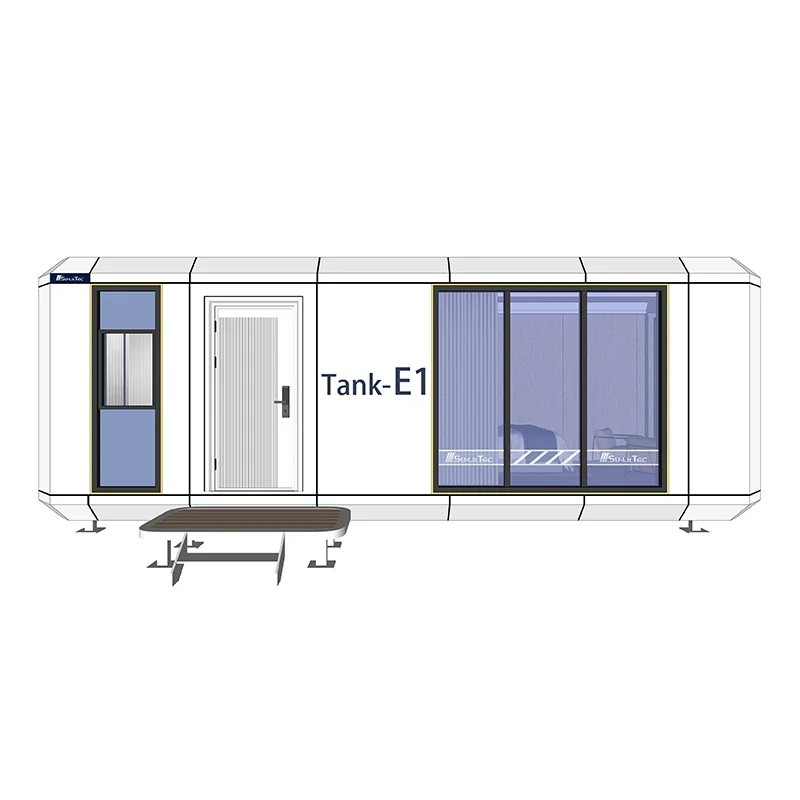
Muchas casas móviles siguen esta idea modular. Cada sección actúa como un bloque independiente. Las fábricas pueden preconstruirlos, luego enviarlos a sitios para una rápida unión y configuración. O separan los módulos. Este enfoque ahora da forma a la fabricación industrial en campos desde la electrónica hasta la vivienda.
Las configuraciones OEM y ODM, cuando se combinan con tácticas modulares, ayudan a las marcas a acelerar la entrada al mercado mientras mantienen opciones de crecimiento y estándares de primera clase. Esta guía examina cómo Sunlit Teclíder en fabricación modular OEM y ODM, ayuda a los clientes B2B internacionales a obtener flexibilidad, operaciones suaves y fiabilidad a través de métodos de producción modulares de vanguardia.
Modelos de fabricación OEM vs ODM
El OEM se centra en los artículos de construcción basados en las especificaciones del cliente. Funciona mejor para empresas con sus propios planes pero que necesitan socios para una producción a gran escala. ODM ofrece servicios completos, desde el esbozo de ideas y la construcción de muestras hasta la producción completa con posibilidades de ajustes bajo el cliente’ etiqueta.
En la configuración B2B:
- OEMcoincide con empresas que enfatizan su propia tecnología o diseños protegidos para ejecuciones a granel precisas.
- ODMse adapta a los trajes que buscan respuestas prontas a la venta con poco gasto en investigación.
- A modelo híbridoMezcla los dos. Resulta útil para tipos de productos complicados o de rápido cambio donde surgen rápidamente nuevas ideas.
Para 2026, la combinación de estas configuraciones con sistemas modulares se vuelve vital. Tal mezcla acorta los ciclos de trabajo. Lo hace permitiendo el intercambio de piezas a través de líneas. Esto reduce el trabajo de ingeniería repetido pero mantiene la singularidad de la marca.
El poder de la fabricación modular en OEM & ODM
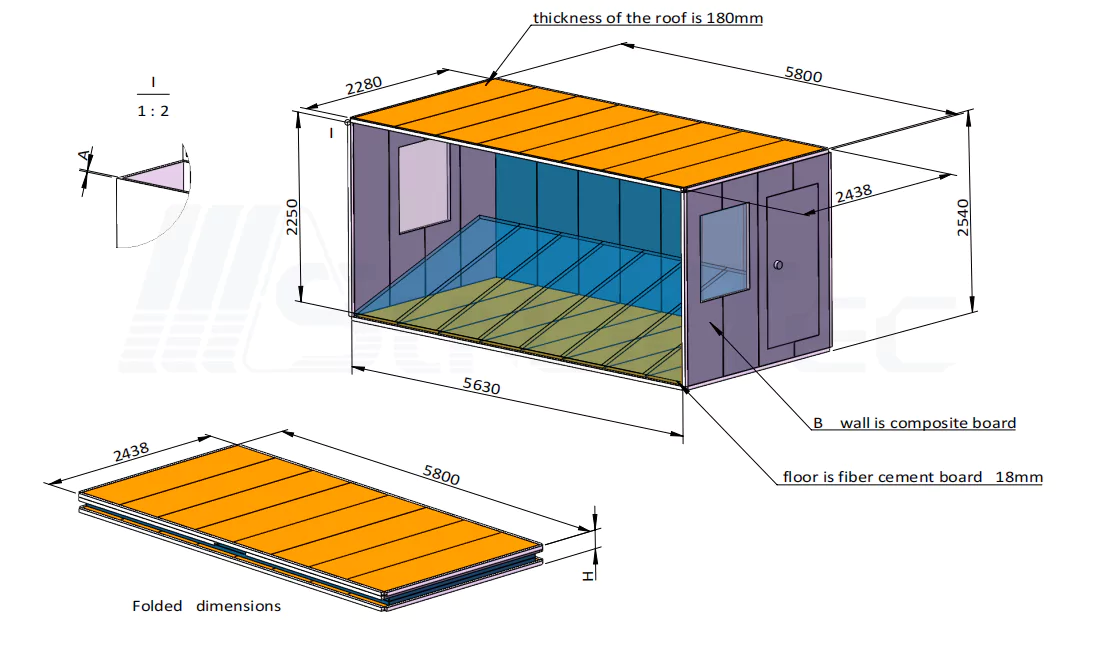
La fabricación modular se reduce a dividir los productos en módulos estándar pero adaptables. Estos pueden ajustarse o mejorar por sí mismos. Se asemeja a la forma en que los edificios listos o las casas móviles se levantan: rápido, repetible y abierto a los cambios.
Ventajas clave
- Reducción de costos:Los módulos comunes disminuyen los costos de herramientas y las necesidades de stock.
- Tiempos de entrega más rápidos:Módulo lado a lado que acelera los envíos.
- Consistencia de calidad:La configuración basada en plantas aumenta la precisión.
- Facilidad de personalización:Los módulos se ajustan sin revisar sistemas completos.
- Sostenibilidad:La reutilización estándar significa menos residuos de materiales.
| Métrico | Fabricación tradicional | Fabricación modular |
| Eficiencia de costes | Alto costo inicial de herramientas | Menor debido a los módulos compartidos |
| Flexibilidad | Personalización limitada | Altamente configurable |
| Escalabilidad | Escala lineal solo | Escalable mediante replicación de módulos |
| Sostenibilidad | Mayores niveles de residuos | Componentes reciclables |
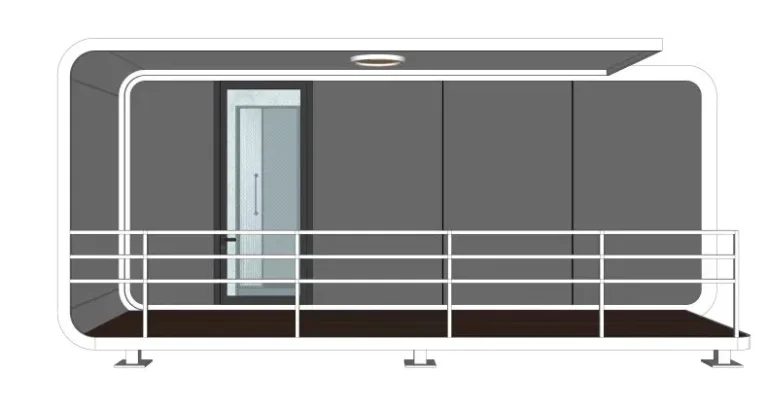
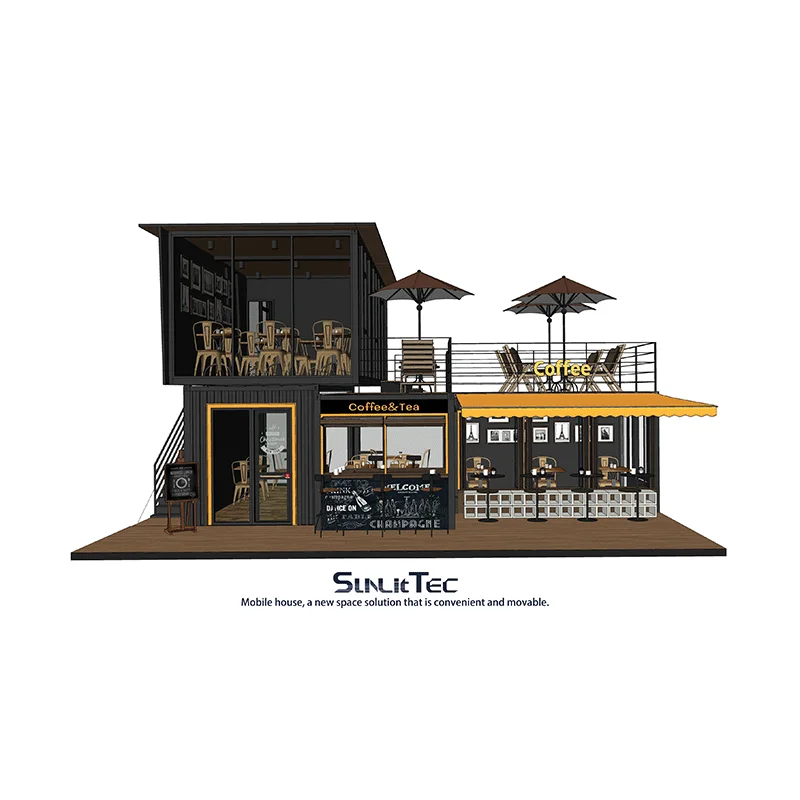
Los usos reales van desde configuraciones electrónicas y marcos de máquinas hasta gadgets para el hogar y artículos de construcción como los de Sunlit Tec. cápsulas espaciales y casas de contenedoresTodas las ganancias de la modularidad se adaptan a los cambios. Por ejemplo, en electrónica, una empresa podría intercambiar módulos de batería en dispositivos para cumplir con nuevas normas sin empezar de nuevo.
Cómo Sunlit Tec entrega OEM y Excelencia de fabricación modular ODM
Iniciada en 2014 como una empresa de estructuras de acero, Sunlit Tec se convirtió en un proveedor mundial de viviendas modulares y respuestas prefabricadas inteligentes para diversos mercados B2B en Europa, América, el sudeste asiático y Oriente Medio.
Desde 2014, las líneas de negocio se han ampliado. El equipo de casas móviles se formó para dibujar y construir casas móviles con toques prospectivos y apariencias frescas. Ofrece servicios personalizados para clientes con deseos únicos.
Las habilidades de Sunlit Tec abarcan todos los pasos. Estos van desde las conversaciones de diseño y la representación de imágenes hasta el trabajo de muestra y el gran ensamblaje. Los servicios cubren:
- Personalización completa para coincidir con los estilos de marca
- Ciclos de repetición rápidos que respaldan la introducción de nuevos productos (NPI)
- Salida de bajo volumen de alta mezcla adecuada para puntos de nicho
- Conexiones de fabricación inteligentes que cumplen con los estándares globales
Los controles de calidad forman el corazón del trabajo de Sunlit Tec. Los materiales tienen certificados verdes. Piezas como marcos de acero galvanizado aportan resistencia duradera. Los muebles y los equipos eléctricos provienen de nombres mundiales bien conocidos. Cada artículo pasa revisiones de exportación difíciles.
Tome su cápsula espacial unidades, por ejemplo. Utilizan construcciones de aleación de aluminio a nivel plano que manejan vientos de nivel 12 y temblores de nivel 9. Esto muestra una fiabilidad difícil en lugares difíciles. En un proyecto, un equipo probó estos en zonas costeras tormentosas y no vio problemas después de meses.
Beneficios clave para el éxito global B2B en 2026
Las configuraciones modulares OEM y ODM de Sunlit Tec aportan claras ganancias comerciales:
- Lanzamiento acelerado de productos:Los módulos estándar reducen drásticamente los tiempos de investigación. Para un cliente europeo, esto significaba lanzar una nueva línea en tres meses en lugar de un año.
- Cadenas de Suministro Resilientes:El abastecimiento local de módulos alivia los riesgos de las interrupciones.
- Optimización de costos y Sostenibilidad:Los módulos reutilizables reducen los residuos de materias primas hasta en un 40%, según los trabajos anteriores.
- Personalización mejorada:Adaptar las reglas locales o el clima se vuelve sencillo.
- Impacto del caso global:Un cliente del sudeste asiático convirtió su patio en una oficina de cápsulas de múltiples usos con la manera modular de Sunlit Tec. Se mezcló buen aspecto y un trabajo suave en pocas semanas. La configuración incluyó paneles solares para la energía fuera de la red, adaptando el área’ Empuje verde.
Estas ventajas se alinean bien con los objetivos de crecimiento de la ciudad. Hacen hincapié en la velocidad de construcción prefabricada y los hábitos amigables con la tierra en todo el mundo.
Mejores prácticas para elegir un OEM & Socio de fabricación modular ODM
Al elegir socios en el difícil campo de 2026:
La lista de control incluye:
- Habilidad en construcciones de sistemas modulares
- Certificados sólidos de gestión de calidad
- Producción lista para el crecimiento en todas las áreas
- Guardias de la propiedad intelectual
- Flujos de conversación abiertos sobre los pasos del proyecto
El buen trabajo en equipo comienza con los primeros conjuntos de especificaciones. Luego viene el trabajo de muestra conjunta. A continuación, la prueba en varios ajustes. Finalmente, ajustes constantes de los bucles de datos a través de ayudas digitales.
En el futuro, nuevas tecnologías como la IA para adivinaciones de mantenimiento anticipadas, gemelos digitales para ajustes de prueba y líneas totalmente ajustables cambiarán los lazos OEM / ODM en redes ágiles, no en bonos fijos de proveedores. En la práctica, una fábrica redujo el tiempo de inactividad en un 25% con alertas de IA sobre el desgaste del módulo.
Conclusión
La fabricación modular OEM y ODM marca no solo el crecimiento, sino un gran cambio en los planes globales B2B. Mezcla flexibilidad con ingeniería exacta. A través de socios como Sunlit Tec, las empresas aprovechan nuevos ciclos más rápidos, escalabilidad barata y caminos de crecimiento verde que se ajustan a hoy’ Cambios de edificios prefabricados.
Sunlit Tec continúa liderando este cambio al unir puntos de vista nítidos del diseño con un trabajo sólido de fábrica. Ayuda a las marcas a convertir los pensamientos en hechos listos para la venta sin problemas.
Contacto con Sunlit Tec ahora para comprobar el próximo trabajo OEM o ODM alimentado por la habilidad de fabricación modular inteligente.
Preguntas frecuentes
Q1: ¿Cuál es la principal diferencia entre los modelos de fabricación OEM y ODM en un contexto B2B?
R: El OEM se adhiere a la fabricación basada en los planes dados por el cliente. ODM cubre servicios completos de diseño a salida. Allí, los fabricantes construyen respuestas completas para etiquetar o vender.
Q2: ¿Cómo mejora la fabricación modular la flexibilidad y reduce los costos en comparación con los métodos tradicionales?
R: Utiliza piezas de intercambio estándar que se unen rápidamente, al igual que los bloques de construcción prefabricados. Esto reduce los costos de herramientas y acelera la configuración para hogares modulares o equipos industriales.
Q3: ¿Qué factores clave deben evaluar las empresas B2B al seleccionar un OEM & ¿Socio ODM para proyectos 2026?
R: Las empresas deben comprobar la habilidad en el diseño modular de la construcción, los sistemas de control de calidad, las posibilidades de crecimiento en todas las regiones para los proyectos urbanos, las reglas de protección de la PI y las respuestas rápidas en las fases de equipo.
Q4: ¿De qué manera puede el diseño modular beneficiar la producción de alta mezcla y bajo volumen en cadenas de suministro globales?
R: Permite a los fabricantes reutilizar módulos de núcleo en muchas variantes sin reelaboraciones de línea completa. Esto hace que las carreras pequeñas sean asequibles pero estables en todos los mercados.
Q5: ¿Cómo están influyendo la IA y las tecnologías inteligentes en el OEM & ¿Tendencias de fabricación modular ODM en 2026?
R: La IA aumenta las suposiciones de mantenimiento para el equipo y mejora el uso de los recursos en las plantas. Los gemelos digitales imitan actos reales antes de las construcciones reales. Juntos, hacen que la fabricación modular fresca sea más adecuada que antes.