Introducción
Los proyectos comerciales en entornos difíciles, como desiertos secos o áreas polares heladas, exigen edificios que mezclen resistencia, ahorro de energía y instalación rápida. Estas estructuras tienen que soportar calor feroz, frío amargo por debajo de cero, ráfagas fuertes, nieve acumulada o lluvia fuerte. La seguridad y la comodidad deben permanecer intactas no importa lo que suceda.
El sector mundial de la construcción modular está cambiando rápidamente. En 2026, se esperan normas energéticas más estrictas, requisitos de construcción ecológica y un mercado extranjero creciente para la construcción lista. Los desarrolladores a menudo eligen casas de contenedores para fines comerciales. Les gusta el marco de acero sólido y las ventajas de fácil montaje. Los contenedores de envío vienen con resistencia incorporada de su diseño. Sin embargo, piden mejoras específicas para alcanzar el pico de control del calor y protección contra el clima. Esta configuración promete una fiabilidad duradera con el tiempo.
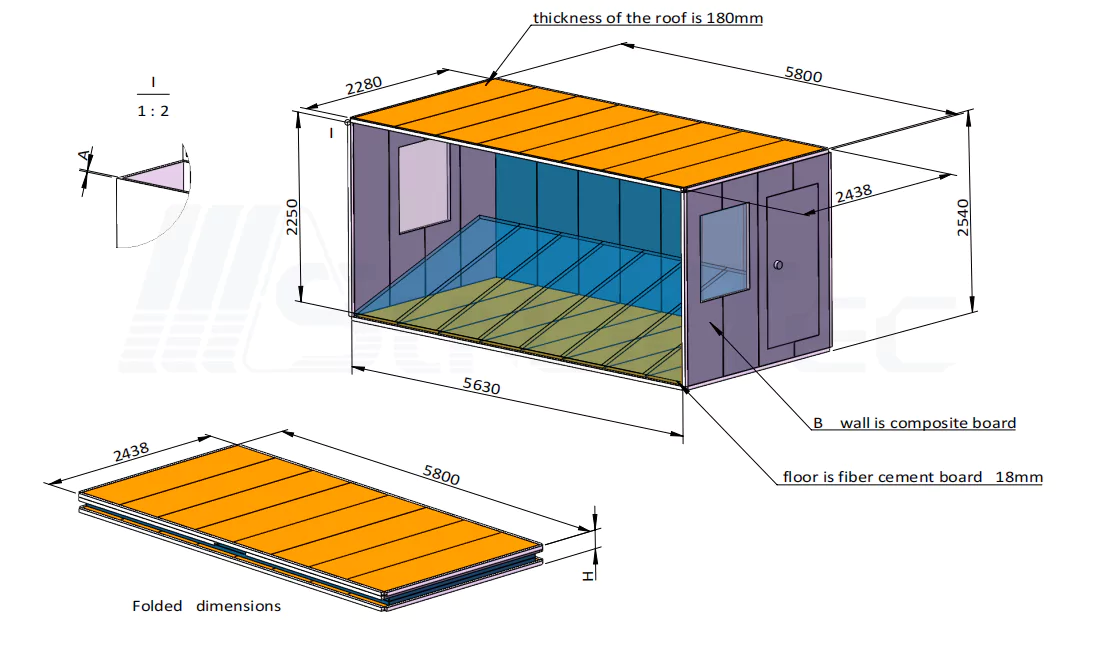
Esta guía se sumerge en métodos sólidos para planificar y construir casas de contenedores comerciales Apto para el clima duro. También muestra cómo Sunlit TecLas habilidades de fabricación modular de OEM y ODM convierten estas ideas en productos listos para el envío que coinciden con referencias mundiales.
Los desafíos clave de los climas extremos para las casas de contenedores comerciales
Los entornos difíciles ponen a las casas de contenedores a través de varios puntos difíciles.
- Puente térmicoa través de paredes de acero que causan escape o acumulación de calor no deseado.
- Condensación y corrosiónque dañan el interior y reducen la vida útil.
- Fuentes cargas de viento o nieveesa cepa apilado secciones.
- Riesgos de inundacionesatado a fuertes lluvias o mal drenaje.
- Variaciones de temperaturade -40°C a 55°C que prueban materiales y conexiones.
Estos problemas afectan duramente a las operaciones empresariales. Aumentan las facturas de electricidad y reducen la facilidad de uso. Un contenedor de envío básico proporciona resistencia con su capa externa de acero Corten. Pero se pierde suficiente acolchado y sellado para espacios de vida en condiciones climáticas severas. Las fijaciones estándar del contenedor mantienen la carcasa metálica resistente. Aún así, exigen que se vuelva a trabajar el interior con el acolchado correcto, el agua y la electricidad, además de puertas y ventanas.
Mejores prácticas de refuerzo estructural y fundación
La construcción de fuerza comienza justo en la base. En lugares con fuertes vientos o terremotos, las instalaciones de retención deben contar con postes de hormigón profundos o pilas enroscadas. Añadir placas de anclaje soldadas unidas directamente al esqueleto del recipiente. Los soportes adicionales aumentan la estabilidad lado a lado para configuraciones empresariales de múltiples partes, como oficinas o tiendas desde módulos apilados.
Los diseños cortos y en cuclillas reducen la captura de viento en zonas de tormentas pesadas. Los accesorios de esquina reforzados distribuyen el peso de la nieve uniformemente en lugares fríos. Los ingenieros necesitan realizar comprobaciones de fuerza del viento basadas en las reglas del área. Estos suelen superar las velocidades de 150 km / h. Y piense en las capas externas duras donde la basura de la tormenta vuela alrededor.
En terrenos montañosos o acalorados, las bases elevadas mantienen las cosas al nivel durante la instalación. También bloquean el flujo de agua del suelo. Las opciones de base modular de Sunlit Tec respaldan esto. Se ajustan a cambios rápidos en el sitio, como se ve en construcciones reales en sitios desiertos desiguales donde la escorrentía podría empapar los cimientos.
Aislamiento, rendimiento térmico y eficiencia energética
Lo bien que funciona el aislamiento decide si un contenedor funciona sin problemas en el mal tiempo. Las mejores opciones incluyen:
- Espuma de pulverización de células cerradasrociado directamente sobre las paredes interiores para detener los huecos de aire.
- Tablas de espuma rígidasmontado fuera para hacer bloques de calor ininterrumpidos.
- Paneles resistentes al fuego de poliuretanoa salvo de las llamas y ofreciendo valores R de primera clase.
- Recubrimientos reflectantesen las caras exteriores para rebotar el calor del sol en áreas cálidas.
- Barreras de vaporentre las partes de la pared para detener la acumulación de humedad.
- Sistemas de ventilación mecánicaque mantienen constante la frescura del aire interior en espacios estrechos.
Para dar a las personas en lugares congelados un lugar acogedor para quedarse, reforce la capa de relleno como una gruesa chaqueta de invierno en el lugar. Combinarlo con calefacción por suelo que difunde calor a cada esquina del interior. En áreas de enfriamiento que alcanzan los 40°C, el relleno de la protuberancia hasta 150 mm de grosor. Añadir varias unidades de refrigeración. Esto mantiene las cosas frescas en el interior, incluso en calor ardiente. Por ejemplo, un proyecto en Oriente Medio usó esta combinación para mantener las temperaturas interiores a 22 ° C durante días de 50 ° C, reduciendo el uso de energía en un 25% por informes de campo.
Para 2026, las normas globales impulsarán planes de energía inteligente con controles inteligentes integrados. Los fabricantes modulares como Sunlit Tec ya han puesto su investigación aquí, aprovechando años de diseños de ajuste para instantes de frío y ondas de calor del mundo real.
Soluciones de resistencia a las intemperie, ventanas, puertas y techos
La protección del tiempo va más allá del relleno. Significa bloquear cosas externas mientras se aferra a la facilidad interior.
- Póngase. recubrimientos resistentes a la corrosióna través de todos los trozos de acero. Las capas galvanizadas importan mucho cerca de los lados del océano, donde la sal acelera la oxidación.
- Ajuste ventanas de triple acristalamiento térmicamente rotasque cortan el flujo de calor pero combaten el hielo en zonas frías.
- Configuración puertas reforzadas con sellos herméticosDetenen que las tormentas de polvo o los montones de nieve entren.
- Planificación Fundaciones elevadaso publicaciones en lugares de riesgo de inundación. El agua fluye libremente bajo ellos.
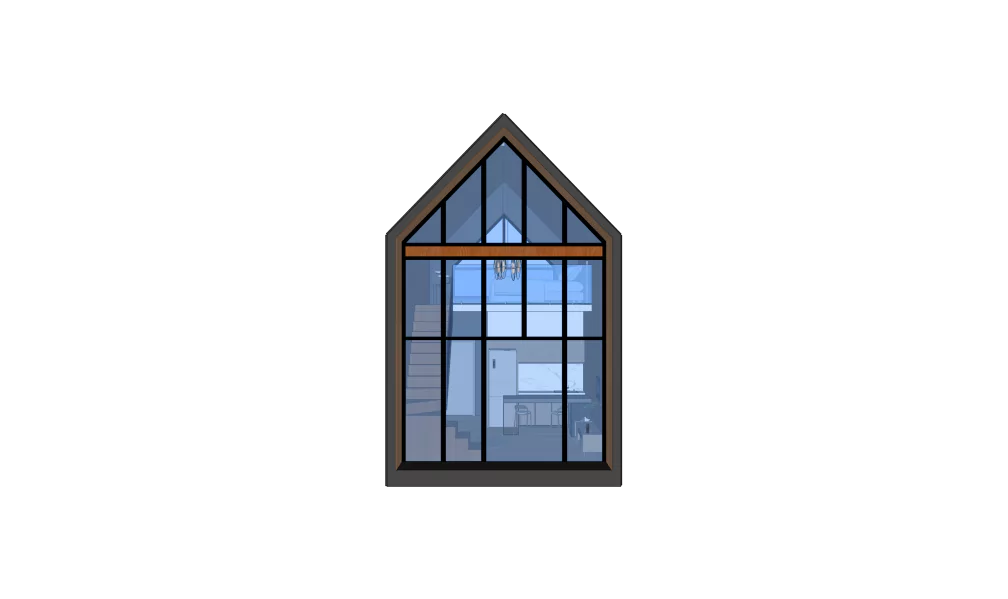
Las opciones de techo cambian con el clima. Las cubiertas resplandecientes funcionan bien bajo el sol brillante. Los techos cubiertos de plantas incluso cambian de temperatura. Robustos techos inclinados hacer frente a los grandes vertidos de nieve dejando que se deslice por sí mismo.
La vinculación de equipos de calefacción y enfriamiento con trucos pasivos al sol, como sobresalientes colocados inteligentemente o barras de sombra, aumenta los resultados durante todo el año. Reduce el consumo de alta potencia, basado en pruebas en llanuras ventosas donde los tonos simples redujeron las necesidades de refrigeración en un 15%.
La experiencia de Sunlit Tec en OEM & amp; ODM fabricación modular
Sunlit Tec pasó de ser un fabricante de acero en su ciudad natal a un fabricante mundial de hogares modulares enfocado en diseños resistentes a las intemperie desde 2014. Las piezas de repuesto vienen con una promesa de calidad de un año. Todas las cosas tienen certificados verdes, y el equipo más la electricidad provienen de los principales nombres globales. Este impulso significa una sólida calidad en lugares como Europa, América, el sudeste asiático y Oriente Medio.
El trabajo OEM/ODM de Sunlit Tec abarca toda la ejecución, desde nuevas ideas de diseño hasta modelos de prueba y montaje de plantas. Se cumplen las normas de exportación en todo el mundo. Las casas móviles actúan como unidades listas construidas en fábrica que se descomponen fácilmente, se envían y se vuelven a colocar. La firma realiza controles de calidad rigurosos con marcos de acero galvanizado buenos para el nivel de viento 12 y el nivel de terremoto 9. Estas marcas son importantes en lugares duros.
Para las personas que construyen lugares de negocios como hoteles de instalación rápida o oficinas en lugares lejanos, Sunlit Tec ofrece una producción creciente con selecciones personalizadas flexible. Acelera el envío sin perder la calidad de construcción. Tomemos una cadena de centros turísticos del sudeste asiático: consiguieron 20 unidades enviadas en menos de dos meses, todas sintonizadas para las lluvias monzónicas y soportando una temporada de tormentas.
Lista de Mejores Prácticas e Implementación del Proyecto
Un plan práctico guía a los constructores para llevar a cabo proyectos de contenedores en lugares difíciles.
| Paso | Descripción |
| Evaluación climática | Analizar el rango de temperatura, los niveles de humedad, los patrones de viento |
| Selección de materiales | Elija metales resistentes a la corrosión y aislamientos de alto valor R |
| Validación de ingeniería | Realizar pruebas de carga para la resistencia al apilamiento y anclaje |
| Prueba de prototipos | Simular la exposición ambiental (ciclos de calor/frío) antes de la producción en masa |
| Certificación de calidad | Verificar el cumplimiento de las normas ISO/CE antes de la exportación |
Cuidado con los deslizamientos como saltar las barreras de vapor, que generan moho. O retener la nieve en techos planos. Y siempre comprobar las reglas locales antes del envío. En una versión canadiense, ignorar un ajuste menor de código llevó a un retraso de tres semanas: lecciones como esa se preparan mejor ahora.
Hacia 2026-2030, nuevas ideas podrían combinar rastreadores inteligentes con construcciones modulares. Podrían ver cambios de calor o desarrollar tensión en vivo en clima salvaje.
Conclusión
Adherirse a estos hábitos sólidos permite que las casas de contenedores comerciales se mantengan seguras, ahorradoras y verdes incluso en los lugares más duros de la Tierra. Sunlit Tec continúa impulsando este cambio con tecnología de construcción pronta de vanguardia. Envía soluciones hechas justamente para las necesidades climáticas de cada comprador.
Compañía con Sunlit Tec trae más que un fabricante. Agrega un socio de ingeniería listo para convertir obstáculos climáticos en fuertes victorias de construcción.
Preguntas frecuentes
Q1: ¿Cuáles son los mayores desafíos estructurales y térmicos a la hora de construir casas de contenedores comerciales en climas extremos?
R: Problemas clave golpearon el puente de calor a través de paredes de acero, provocando pérdida o acumulación. La humedad se convierte en condensación, oxidando las partes interiores. El viento tira de piezas apiladas. El relleno delgado falla en congelaciones profundas. Todos exigen trucos especiales de endurecimiento.
Q2: ¿Qué métodos de aislamiento funcionan mejor para el transporte de edificios de contenedores en condiciones de calor extremo y frío extremo?
R: Espuma de pulverización de celdas cerradas emparejada con placas externas rígidas da un escudo térmico constante durante todo el año. Tira en revestimientos de rebote solar para hechizos calientes. El calor del suelo mantiene las cosas tostadas en tiempos de hielo.
Q3: ¿Cómo deben diseñarse las fundaciones y anclajes para casas de contenedores comerciales en áreas de viento fuerte o de nieve fuerte?
R: Los postes de hormigón profundos atados a la roca, además de las placas de sujeción soldadas, luchan contra las fuerzas de elevación. Los soportes entre las unidades distribuyen el peso de la nieve a través de la pila.
Q4: ¿Qué prácticas clave de resistencia y sellado ayudan a prevenir la condensación y la corrosión en las casas de contenedores?
R: Pinturas a prueba de oxidación en acero, bloques de vapor detrás del acolchado y marcos de ventana cortados por calor con triple vidrio. Estos cortes de agua se esconden que desencadenan el óxido o el moho.
Q5: ¿Cómo puede la fabricación modular mejorar la calidad y la eficiencia de exportación de las casas de contenedores comerciales resistentes al clima?
R: Planta de montaje clavos soldaduras exactas e incluso la propagación del material, recorte el trabajo en el sitio. Facilita el envío a medida que las unidades llegan para el acoplamiento bajo las reglas del mar. Esto disminuye los costos generales para las casas establecidas a nivel mundial frente a las formas de la vieja escuela.