Introdução
O ano 2026 continua desafiando força mundial. Mudanças climáticas, rápido crescimento da cidade e agitações políticas lançam eventos naturais mais comuns e intensos. Terremosos, inundações e fogos selvagens levam milhões de pessoas de suas casas. Isso cria uma demand a urgente de instalações urgentes rápidas, sólidas e expansíveis. Vejos caminhos de construção – com seus horários, preços elevados e cadeias de abastecimento complicadas – muitas vezes perdem a marca de esforços de ajuda rápida. Estruturas pré-fabricadas se tornaram, portanto, uma solução transformadora para infraestrutura de socorro de emergência e despliegue rápido.
Casas móveis, em uma visão ampla, significam estruturas construídas em fábrica prontas que mudam como uma peça ou se quebram simplesmente, se movem e se juntam de novo. Sua flexibilidade corresponde a lugares de desastre onde o ritmo e flexibilidade são mais importantes. Sunlit TecOs sistemas modulares de alojamento de recipientes, incluindo a s érie compacta de Capsulas Espaciais e unidades robustas de Casa de Contenedores, são construídos apenas para essas questões. Essas instalações têm como objetivo uma instalação rápida em áreas atingidas ou lugares distantes. Eles fornecem cobertura segura em horas, não meses. Para clientes de negócios a negócios como governos, ONG e construtores, a Sunlit Tec traz custos constantes, menos tempo em uso e crescimento flexível. Isto passa de coberturas a curto prazo para construções mais duradouras. Enquanto concordam com as regras de ajuda global.
Por que estruturas pré-fabricadas superam métodos tradicionais em cenários de emergência
Estruturas prontas transformam a ideia de “ação rápida” nas cadeias de abastecimento de crises. Eles diferem das instalações de tijolos e morteiros habituais que precisam de meses para terminar. Configurações modulares navegam ao redor do mundo e juntam-se em dias ou semanas.
| Métrico | Estruturas pré-fabricadas (Sunlit Tec Systems) | Construção Tradicional | Soluções Temporárias Comum (Tendas) |
| Hora de Configuração | Dias a semanas | Meses | Horas |
| Durabilidade | com quadros de aço; - resistência ao vento nível 12; - resistência sísmica nível 9 | Moderado; depende de materiais | Baixo; - vulnerável ao tempo |
| custo por unidade | Moderado; - redução do trabalho e - desperdícios | Alto devido ao trabalho no local & Materiales | Baixa mas não reutilizable |
| Reusabilidade | Alto; - relocabilidade e - módulos pilháveis | Nenhum | Duração de vida limitada |
| Nível de Comfort | Insulado e Opções controladas pelo clima | Comforte padrão de construção | Apenas proteção básica |
Para manter os residentes seguros, o quadro central da casa móvel usa tubos de aço galvanizados. Esses mantêm todo o nível de segurança da casa. Tal construção sólida permite essas unidades lidar com terremotos até o nível 10 e tempestades até o nível 12. Isso bate coberturas de tenda muitas vezes vistas em casos urgentes. Além disso, cortes prontos em materiais de resíduos através de trabalho fixo na fábrica. Também mantém qualidade mesmo através de grandes rolamentos.
Soluções pré-fabricadas Sunlit Tec: Tailored for Emergency Relief Infrastructure
A gama de produtos da Sunlit Tec centra-se em planos práticos e rápido lançamento para situações urgentes.
Séria de Capsulas Espaciales
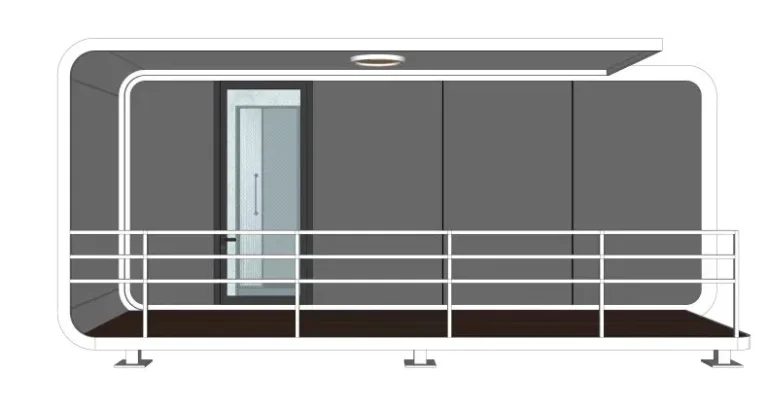
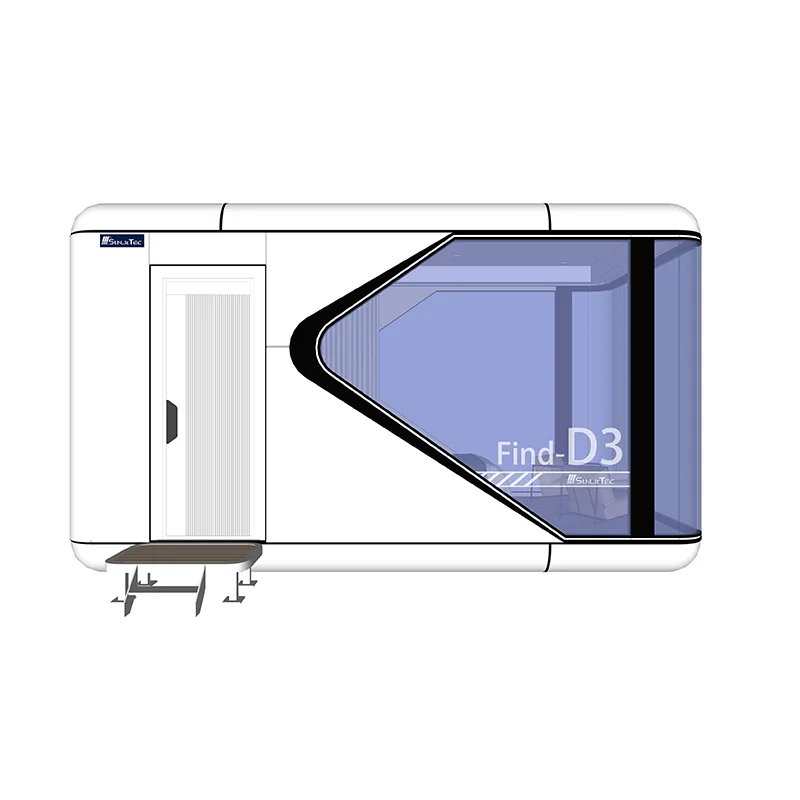
Essas pequenas, mas quentes, encaixam nas necessidades de cobertura de grupos. Cada cápsula vem pré-configurada com serviços chave como configurações de luz, fechaduras inteligentes de portas, áreas de banho e aquecimento do chão escolhido. Isso garante conforto em tempos difíceis de -40°C a 40°C. A cabana completa vem da fábrica como uma unidade. Ela chega pronta, e as pessoas podem se instalar em apenas duas horas depois de aterrar. Este estilo de conexão fácil abrange os tempos de espera em crises.
Container House Systems
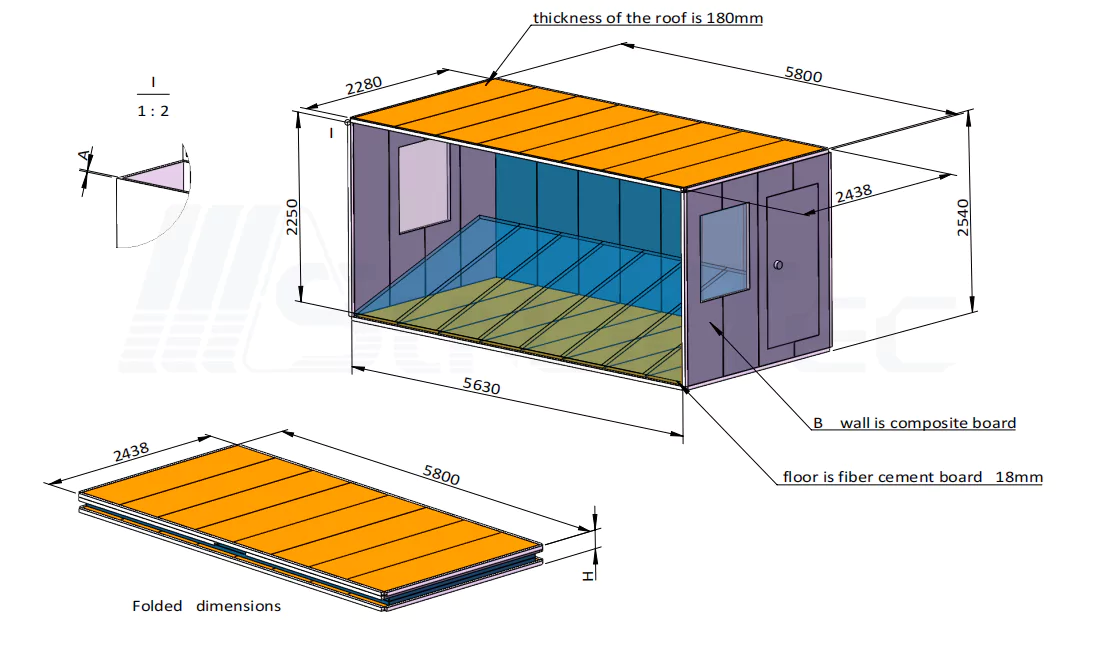
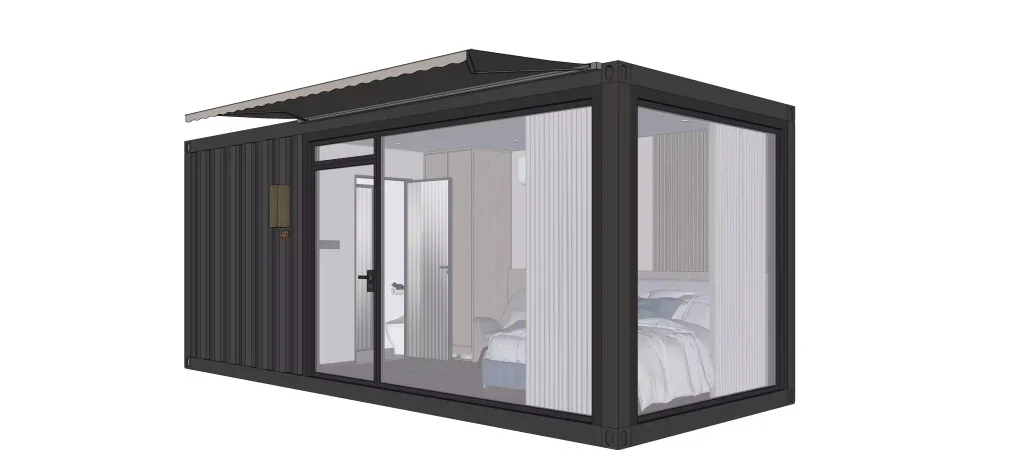
Para tarefas maiores como clínicas de saúde ou centros de controle, as Casas Container da Sunlit Tec oferecem opções multiníveis pilháveis com módulos flexíveis. - Casas de contentores podem ser separadas e unidas conforme necessário. Essa curva torna o movimento e a configuração mais fácil. Cada parte usa painéis de poliuretano grossos para manter calor em tempo duro. Ao mesmo tempo, eles mantêm uma forte construção durante movimentos.
Resaltações técnicas
- Marcos ligeiros de aço galvanizado
- Isolação por incêndio de poliuretano
- Opções de transporte plano para a logística global
- O trabalho especializado mínimo no local requer
Esses traços deixam os grupos de ajuda criar lugares de vida adequados que vão além de necessidades simples de permanência viva. Eles transformam campos curtos em grupos de trabalho preparados para reparação duradoura.
Aplicações B2B do Mundo Real em Operações de Emergência e Socorro
Configurações modulares prontas mostraram valor chave em muitos campos. Por exemplo, após o terremoto turco de 2023, unidades semelhantes moravam mais de 10.000 pessoas em semanas, por relatório da ONU.
- Casas de socorro para desastres: Depois de terremotos ou inundações, os dormitórios de contentores dão um cuidado rápido para famílias mudadas. Isto acontece enquanto a reparação começa perto.
- Campos de Ajuda Humanitária: Planos flexíveis permitem crescer lugares de refugiados com áreas limpas e refeições.
- Facilidades médicas: Clínicas móveis com zonas limpas se lançam rápido em áreas de doença quentes onde os principais hospitais falham ou bloqueam o acesso. Na inundação do Pacífico de 2024, essas instalações trataram 5.000 pacientes diariamente, tirando de dados da Cruz Vermelha.
- Housing da Força de Trabalho: Equipas de reparação ganham de permanências difíceis no local durante passos de reconstrução desenhados.
Casas móveis servem como estadias curtas e lugares de trabalho para sites de construção. Ou eles atuam como coberturas rápidas em zonas de ataque. No mundo de ajuda de 2026, onde a s maneiras verdes s ão uma necessidade, a Sunlit Tec adiciona coisas de tipo terrestre como quadros de a ço galvanizado e pavimentos anti-fogo SPC. Também apoia a energia off-grid através de planos prontos para o sol. Esses correspondem aos objectivos de crescimento verde mundial cortando desperdícios e empurrando modelos de reutilização.
Implementação das melhores práticas e mitigação de riscos para compradores B2B
Colocar estruturas prontas para funcionar bem precisa de passos pensados após compra:
- Logística: Escolha o pacote plano envia quando possível para cortar os custos do navio. O Sunlit Tec oferece escolhas de navios marinhos com vídeos claros de configuração.
- Preparação do Site: A terra rígida pode ser corrigida com parênteses de base tunáveis ou bases de cimento baseadas no tipo de terra.
- Adaptação: Planos se ajustam às regras de área ou às necessidades meteorológicas. Isto inclui camadas extra quentes para pontos frios ou abrigos de prova de roupa para áreas molhadas.
- Planificação de Transição: Escolha unidades para chance de reutilização. Assim, eles mudam de cobertura rápida para escolas ou escritórios mais longos após a crise.
Lista de controlo das aquisições
- Confirmar os padrões de conformidade local
- Avaliar a viabilidade da rota de transporte
- Pedir rendimentos antes da produção
- Verifique os termos de garantia (a Sunlit Tec fornece uma garantia de qualidade de um ano)
- Planificar o calendário de manutenção após o despliegue
Esses movimentam grupos de ajuda para reduzir riscos. Eles também asseguram corridas suaves em pontos tensos.
Conclusão
Estruturas prontas s ão a base das instalações urgentes de ajuda de hoje. Elas misturam velocidade com dureza em grande escala. Os sistemas modulares de alojamento de contentores da Sunlit Tec e a s érie de Capsulas Espaciais capturam essa mudança. Eles trazem correcções que pesam o custo com habilidade de construção. Suas casas modulares prontas oferecem um relógio de preços constante. Eles também permitem movimento rápido através de boas ligações de abastecimento. Para governos que querem preparação inteligente ou ONG que lidam com crises selvagens no ambiente agitado de 2026, equipamento com a Sunlit Tec dá entrada à tecnologia testada. Isso transforma ajuda para desastres em trabalho de reparação ordenado.
Organizações interessadas em reforçar suas estratégias de preparação podem contate com o Sunlit Tec agora para explorar soluções pré-fabricadas personalizadas adaptadas para projetos de despliegue rápido em todo o mundo.
FAQ
Q1: Quais são as principais vantagens das estruturas pré-fabricadas em relação à construção tradicional ao implantar infraestruturas de socorro de emergência após catástrofes naturais?
A: Estruturas pré-fabricadas oferecem tempos de montagem mais rápidos – muitas vezes dentro de dias – em comparação com meses exigidos por construções tradicionais. Também reduzem os custos laborais através da fabricação fábrica, proporcionando maior durabilidade contra atividade sísmica e condições climáticas extremas.
Q2: Como sistemas modulares de habitação de contentores como a s érie de Capsulas Espaciales da Sunlit Tec apoiam o despliegue rápido em cenários de resposta humanitária?
A: A série de Capsulas Espaciais chega completamente montada da fábrica com utilidades integradas; Pode ser instalado dentro de horas após chegada em lugares de desastre sem extensos terrenos ou necessidades especializadas de trabalho.
Q3: Quais fatores os compradores de B2B devem considerar quando avaliam a escalabilidade e reutilidade de abrigos pré-fabricados para recuperação de desastres a longo prazo?
A: Os compradores devem avaliar opções de empaquetabilidade, flexibilidade de transporte (pacote plano vs unidades completas), longevidade de material como quadros de aço galvanizado, e adaptabilidade para usos secundários como salas de aula ou clínicas após fases iniciais de socorro.
Q4: De que modo as casas modulares pré-fabricadas melhoram com soluções convencionais baseadas em tendas para abrigo de emergência em condições ambientais difíceis?
A: Ao contrário das tendas que oferecem isolamento ou segurança mínima, as casas modulares apresentam paredes isoladas, quadros rígidos de aço resistentes aos níveis de vento até tempestades de 12 graus, capacidades de controle climático e privacidade comparáveis à habitação permanente.
Q5: Como a prefabricação da fábrica tem impacto nos custos globais, horários e desafios logísticos em operações de socorro de emergência em grande escala?
A: A prefabricação da fábrica racionaliza a produção em condições controladas – reduzindo resíduos materiais em até 30%– e simplifica a logística através de tamanhos padronizados de módulos adequados para o transporte marítimo contentore em todo o mundo, ao mesmo tempo que corta o tempo total do projeto em comparação dramaticamente com construções em local.