A tecnologia para casas inteligentes está se tornando uma parte prática do processo de aquisição para construtoras. casas de prefab em grande escala. Quando um projeto envolve múltiplas unidades, a decisão vai muito além da iluminação ou do controle por aplicativo. Compatibilidade elétrica, climatização, acesso, conectividade, manutenção, peças de reposição e capacidade de assistência técnica local afetam o custo operacional a longo prazo e a confiabilidade do projeto.
Para compradores estrangeiros, o pacote inteligente ideal depende da aplicação, do destino, da quantidade e de como o imóvel será administrado após a entrega. Sunlit Tec Fornece soluções espaciais modulares para projetos internacionais, incluindo modelos de cápsulas espaciais com opções configuráveis de casa inteligente e energia solar.
As seções abaixo abordam o que os desenvolvedores precisam especificar antes de fazer um pedido, quais funções agregam valor real e o que comparar ao selecionar um fabricante de casas pré-fabricadas.
Por que as casas pré-fabricadas inteligentes precisam de uma especificação de projeto clara?
O termo "inteligente" é muito amplo para uma solicitação de cotação comercial. Um fornecedor pode se referir a iluminação e cortinas; outro pode incluir controle de temperatura, câmeras, sistemas de acesso e funções de eficiência energética. Essa diferença afeta o preço de compra, o comissionamento, a carga de trabalho da equipe e a manutenção. Os compradores precisam de uma visão clara de como o imóvel funcionará antes de comparar as opções. casas pré-fabricadas inteligentes.
Comece por explicar como o imóvel irá funcionar.
Um resort pode valorizar o acesso dos hóspedes, o controle da temperatura do quarto, as opções de iluminação e funções remotas selecionadas. Já as acomodações para funcionários podem priorizar um sistema de climatização confiável, controles intuitivos e facilidade de manutenção local.
Para múltiplas unidades casas modularesA consistência costuma ter mais valor do que a novidade. Uma configuração de controle semelhante em todas as unidades pode simplificar a transição de pessoal e as fases posteriores. Se uma função não melhorar o conforto, reduzir o trabalho rotineiro, reforçar a segurança ou diminuir os custos operacionais, talvez não deva fazer parte do pacote básico.
Separe as funções essenciais dos extras dispendiosos.
Mais tecnologia de casa inteligente Isso não torna automaticamente um edifício melhor. Cada dispositivo conectado adiciona hardware, trabalho de configuração, requisitos de rede e mais um componente que pode precisar ser substituído.
O controle por voz ou a automação de entretenimento sofisticada podem ser adequados para o setor hoteleiro de luxo. Os mesmos recursos podem agregar pouco valor a acomodações para funcionários ou a um projeto de aluguel básico. Em dezenas de... casas de prefabPequenos extras podem se transformar em custos reais de compra e manutenção.
Quais sistemas inteligentes são mais importantes em projetos com múltiplas unidades?
Uma vez definidos os requisitos operacionais, a lista de funcionalidades geralmente se torna mais curta — e mais útil. Funções relacionadas a climatização, iluminação, acesso, segurança e energia tendem a ter um valor operacional mais claro do que recursos inovadores. A questão prática é se a equipe local conseguirá gerenciar o sistema de forma confiável ao longo do tempo.
Controle, climatização e segurança para toda a casa
O controle de toda a casa permite integrar iluminação, cortinas, climatização e funções de segurança selecionadas em uma configuração mais consistente. Repetir essa configuração em todas as unidades reduz o número de variações de controle que a equipe precisa gerenciar.
O sistema de climatização (HVAC) merece atenção especial, pois afeta o conforto e os custos operacionais. Câmeras e sistemas de acesso levantam outras questões: Quem detém o acesso de administrador? Como os usuários são adicionados ou removidos? Onde os dados são armazenados? Quais requisitos de privacidade se aplicam no destino?
Gestão de energia, sistemas de gestão de emergências aéreas (HEMS) e planejamento para energia solar.
A gestão de energia pode variar desde o monitoramento básico até funções integradas de HVAC, energia solar, baterias e controle de carga. Se um projeto estiver considerando um Sistema de gerenciamento de energia residencial (HEMS) com inteligência artificialEssa decisão deve constar nas especificações do edifício, em vez de ser adicionada posteriormente como um pacote tecnológico separado.
Os preços da eletricidade, o clima, os padrões de ocupação, a confiabilidade do serviço público e a expansão futura influenciam a escolha. Para muitos, casas pré-fabricadas inteligentesA previsão para futuras melhorias energéticas pode ser mais útil do que uma plataforma que o operador ainda não precisa.
Compatibilidade e custo do ciclo de vida vêm antes do pedido de compra.
As funções inteligentes tornam-se difíceis de gerenciar quando a seleção do produto é dissociada das condições de destino. Tensão, frequência, disponibilidade de internet, acesso ao software, capacidade do instalador local e peças de reposição, tudo isso afeta o resultado. Um sistema de difícil reparo pode gerar tempo de inatividade e custos de manutenção por anos.
Verifique os planos de contingência elétrica, de rede e manual.
Para exportação casas de prefabTensão, frequência, interfaces de equipamentos, condições da rede e a divisão do trabalho de instalação local precisam ser confirmados antes da produção.
Uma dúvida comum entre os compradores é se as funções de casa inteligente ainda funcionam sem Wi-Fi. Funções essenciais como iluminação, climatização e acesso se beneficiam de um controle remoto local ou manual prático, quando o sistema escolhido oferece essa opção.
As interfaces elétricas também precisam estar alinhadas com os desenhos de instalação, informações de MEP (Mecânica, Elétrica e Hidráulica), escopo da garantia e planejamento de peças de reposição. (Sunlit Tec's) Lista de verificação de conformidade para habitações modulares em 2026 Abrange esses documentos de aquisição mais abrangentes separadamente.
Evite a dependência de uma plataforma específica e componentes difíceis de substituir.
Um único aplicativo controlando diversas funções pode ser conveniente. Ele também pode integrar o projeto a um ecossistema único.
Antes da aprovação, os compradores precisam saber se o acesso à nuvem é necessário, se há necessidade de assinaturas, quem é o proprietário da conta de administrador e como os dispositivos de substituição serão obtidos posteriormente. Com a implementação faseada, casas modularesRegistros consistentes e componentes em bom estado de funcionamento facilitam a expansão futura e reduzem a dependência de suporte especializado.
O que comparar antes de encomendar de um fabricante de casas pré-fabricadas
Uma vez esclarecidas as questões de compatibilidade e risco de substituição, a responsabilidade torna-se a próxima questão: quais peças são integradas na fábrica, quais são instaladas localmente e quem presta suporte após a entrega. fabricante de casas pré-fabricadas É necessário detalhar o projeto o suficiente para que essa divisão fique clara. Um escopo mal definido pode levar a mão de obra duplicada, retrabalho na fiação, atrasos no comissionamento ou responsabilidades de garantia pouco claras.
Integração em fábrica versus instalação local
O planejamento da fiação, o posicionamento dos equipamentos, as interfaces de controle e a instalação de sensores ou motores para cortinas são mais fáceis de definir antes da conclusão da produção. Dispositivos específicos para cada destino podem ser mais adequados para fornecimento local, onde a certificação, a assistência técnica ou a disponibilidade de peças de reposição favorecem uma marca regional.
Uma solicitação de cotação para casas pré-fabricadas inteligentes normalmente precisa de:
- Destino e quantidade do projeto
- Uso pretendido e ocupação
- Requisitos elétricos
- Funções inteligentes necessárias
- Condições da rede
- Energia solar ou requisitos de energia futura
- Responsabilidades de instalação local
Suporte pós-venda, peças de reposição e documentação do sistema.
O suporte pós-venda deve constar nas especificações, não após o envio. As equipes de compras precisam de documentação clara do sistema, informações sobre peças de reposição, escopo da garantia, responsabilidade pelo software e um contato para suporte técnico.
O acesso de administrador também precisa ser transferido para o operador. Para projetos mais complexos, a transferência básica de responsabilidades para o operador pode economizar tempo posteriormente. Um sistema que a equipe local possa operar, reiniciar e manter pode oferecer mais valor do que um que necessite de ajuda especializada para alterações de rotina.
Onde as cápsulas espaciais da Sunlit Tec se encaixam nas especificações do projeto
Para espaços compactos casas de prefabA linha Space Capsule da Sunlit Tec oferece opções inteligentes específicas para cada modelo. O tamanho da unidade, a ocupação, o modo de operação e o suporte local ainda definem a configuração final. A linha Space Capsule da Sunlit Tec permite personalização com opções disponíveis relacionadas à casa inteligente e à energia solar.
E1 para aplicações compactas para duas pessoas
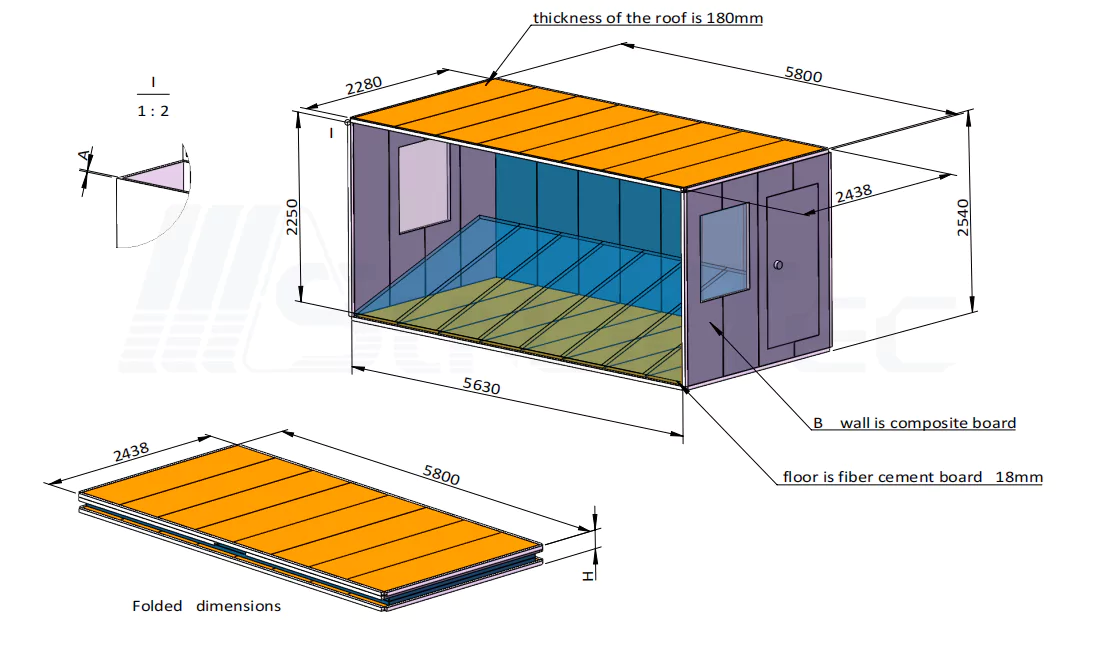
O E1 Capsula Espacial Completamente Encerrada possui uma área de edifícios tombados de 28 m² e ocupação para duas pessoasSua configuração opcional inclui Inteligência para toda a casa, uma câmera e geração de energia solar..
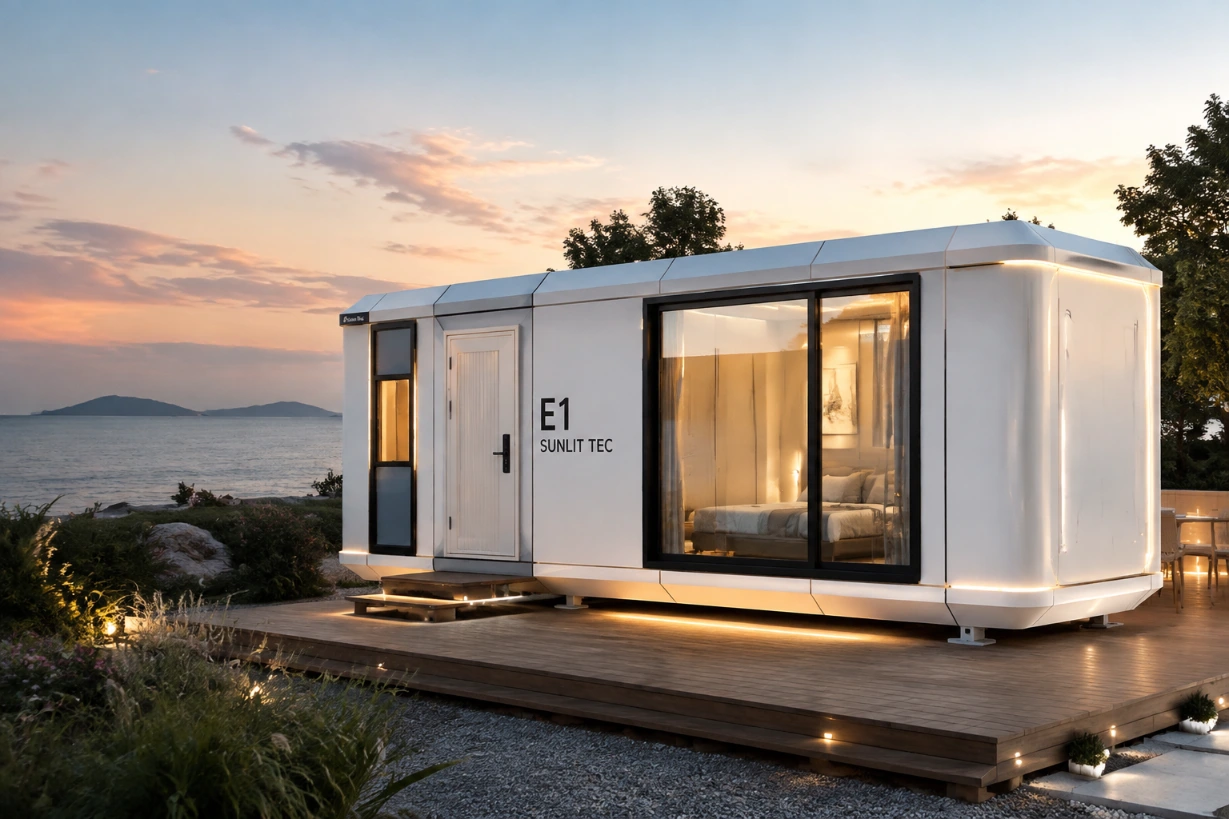
Para projetos compactos de hotelaria ou aluguel, essas opções podem ser selecionadas com base na operação para hóspedes e no suporte local, em vez de serem tratadas como um pacote tecnológico fixo. Manter o pacote de controle proporcional à aplicação ajuda a limitar a manutenção desnecessária.
X7 para projetos que exigem mais espaço útil.
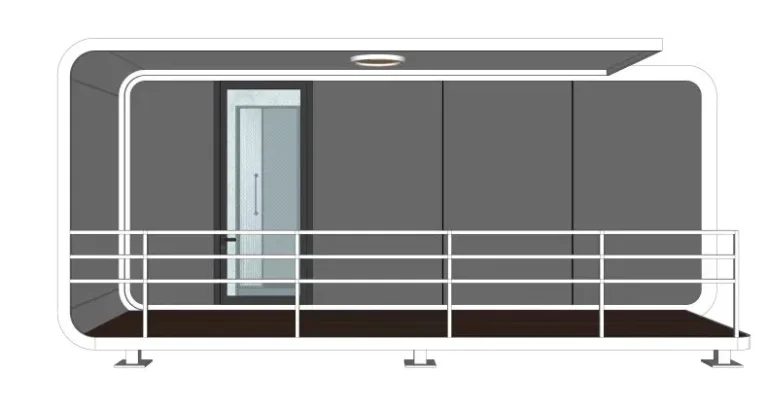
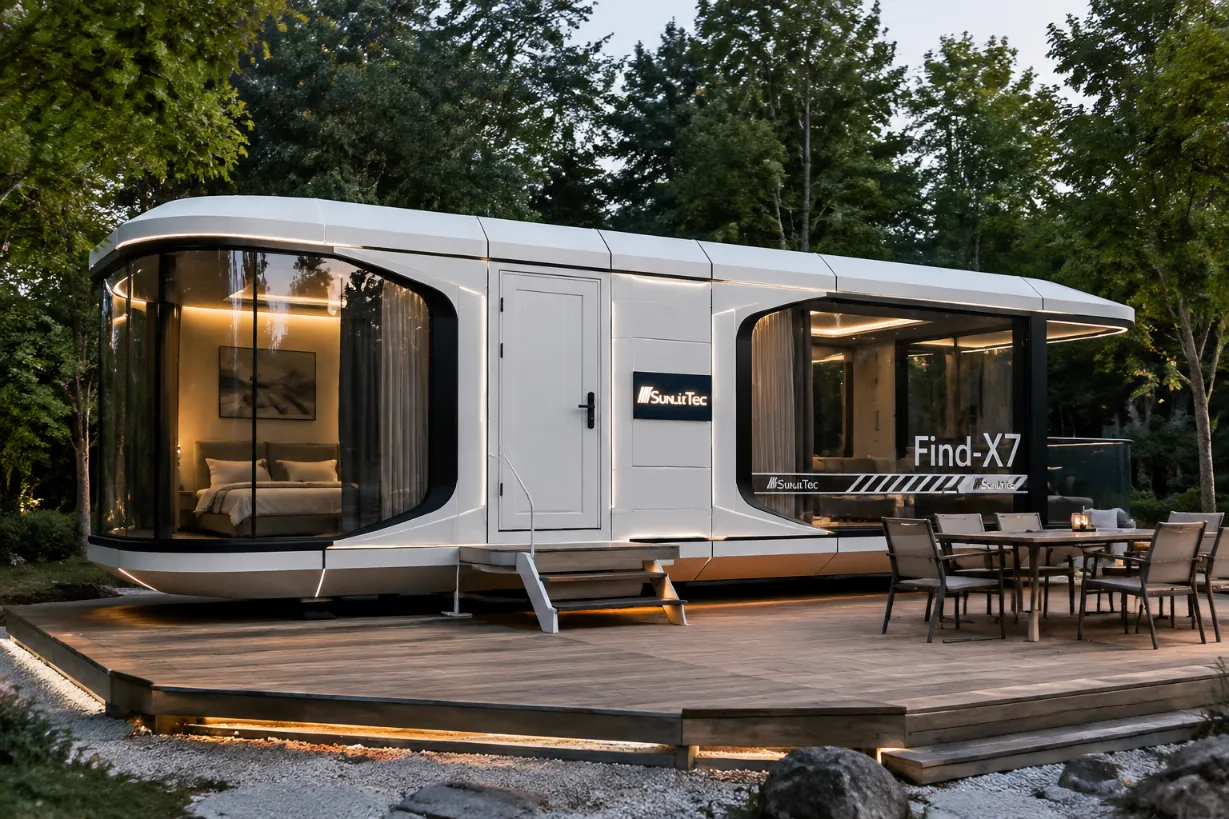
O Capsula Espacial X7 aumenta a área do edifício classificado para 38 m² e foi projetado para dois a quatro ocupantesPossui as mesmas opções relevantes de inteligência para toda a casa, câmera e energia solar.
Uma área maior pode ser adequada para projetos que precisam de mais espaço útil, mas isso não significa necessariamente maior automação. Área construída e complexidade do sistema inteligente são decisões de compra distintas.
Conclusão
O melhor casas pré-fabricadas inteligentes Não são as que têm a lista de tecnologias mais extensa. Uma especificação de projeto mais robusta conecta tecnologia de casa inteligente considerando necessidades operacionais, condições elétricas e de rede, manutenção, peças de reposição, privacidade, capacidade da equipe e expansão futura.
Para desenvolvedores que estão comparando casas de prefab ou casas modularesAs perguntas úteis surgem logo no início: Quais funções são necessárias? Quais podem ser suportadas localmente? O que acontece se a conectividade falhar? Quem faz a manutenção do sistema?
Para projetos no exterior, no setor hoteleiro, de aluguel ou com múltiplas unidades, os compradores podem Entre em contato com a Sunlit Tec Com informações como destino, quantidade, uso pretendido, modelo preferido, requisitos elétricos e funções inteligentes necessárias, ambas as partes têm uma base mais clara para discutir a configuração e preparar um orçamento específico para o projeto.
FAQ
P1: Quais recursos de casa inteligente são mais úteis em casas pré-fabricadas para projetos comerciais?
A: O controle climático, a iluminação, o acesso, funções de segurança selecionadas e os controles relacionados à energia geralmente têm o valor operacional mais evidente. A combinação ideal depende da aplicação, da ocupação, da infraestrutura local e da capacidade de manutenção.
Q2: Os sistemas inteligentes devem ser instalados na fábrica ou no local do projeto?
A: A fiação integrada e as principais interfaces costumam ser mais fáceis de planejar durante a produção. Dispositivos específicos para o destino podem ser melhor adquiridos localmente, onde a certificação, o serviço ou a disponibilidade de peças de reposição favoreçam o fornecimento local.
P3: As casas pré-fabricadas inteligentes precisam de um sistema de gestão de energia?
R: Nem sempre. O monitoramento básico de energia e o controle de sistemas de climatização podem ser suficientes. Um gerenciamento de energia mais avançado torna-se relevante quando o custo da eletricidade, a energia solar, o armazenamento em baterias ou a operação de múltiplas unidades justificam a complexidade adicional.
Q4: Como os desenvolvedores podem reduzir a manutenção e o tempo de inatividade em casas modulares inteligentes?
A: Mantenha os componentes consistentes, forneça controle de contingência para funções essenciais, documente as interfaces do sistema, confirme o acesso do administrador e defina em conjunto as peças de reposição e o suporte técnico antes de fazer o pedido.
Q5: Que informações um fabricante de casas pré-fabricadas precisa antes de apresentar um orçamento para um projeto de casa pré-fabricada inteligente?
A: Um resumo útil inclui destino, quantidade, uso pretendido, ocupação, requisitos elétricos, funções inteligentes, condições da rede, requisitos de energia e escopo de instalação local.