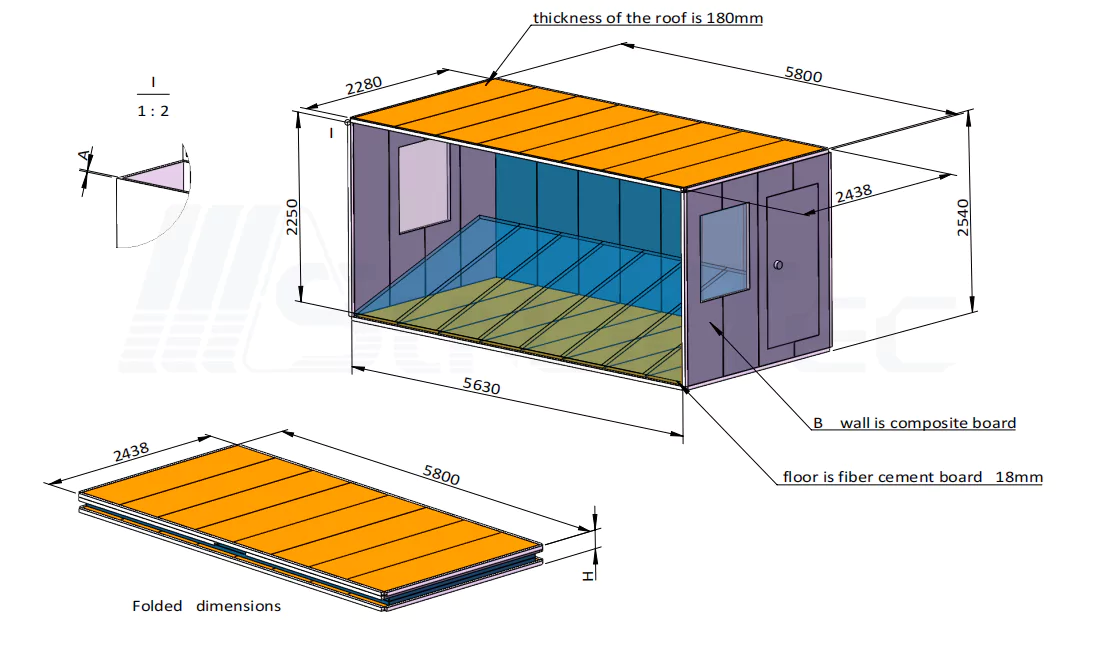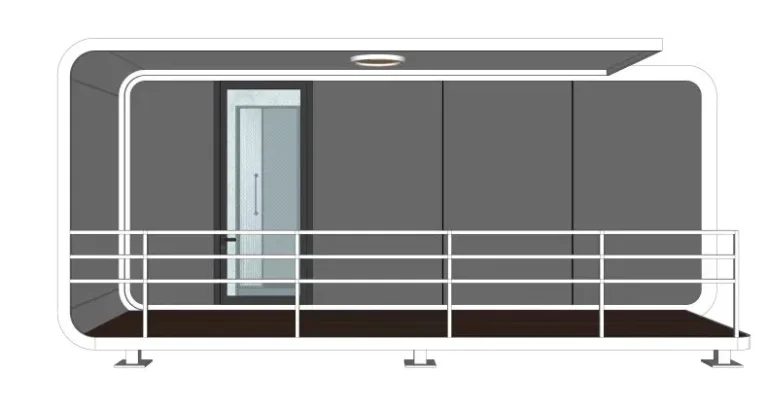
Os desenvolvedores de espaços comerciais enfrentam demandas crescentes por instalações mais rápidas, designs adaptáveis e espaços focados na experiência do cliente. Uma loja feita de contêineres oferece uma solução direta para ativar terrenos ociosos, verificar o interesse de inquilinos, gerenciar vendas sazonais e criar zonas de lojas temporárias sem depender totalmente de edifícios fixos.
Sunlit Tec As soluções em contêineres se encaixam nessa abordagem, fornecendo sistemas modulares de espaço comercial para necessidades de curto prazo, semipermanentes e baseadas em projetos. Elas oferecem grande flexibilidade a custos mais baixos do que a construção padrão. Essa ideia modular forma a base dos contêineres comerciais da Sunlit Tec.
Por que os espaços comerciais de varejo estão mudando em 2026
O varejo pop-up está se tornando um formato estratégico.
O varejo pop-up deixou de ser apenas uma ferramenta de promoção de curto prazo. Agora, ele se tornou uma estratégia central no varejo. As marcas recorrem a ele. lojas pop-up para lançamentos de novos produtos, testes de mercado, ativações de centros comerciais, vendas em eventos e pontos de venda temporários. Os desenvolvedores os utilizam para aumentar o número de visitantes e adicionar variedade, mantendo as áreas ativas. A natureza adaptável dos espaços pop-up em contêineres permite mudanças rápidas conforme as tendências do mercado — um mês para o lançamento de um tênis, no mês seguinte para um café artístico.
Desenvolvedores de imóveis comerciais precisam de ativação de espaço mais rápida
Construções tradicionais de alvenaria geralmente se estendem por muitos meses ou anos antes que qualquer inquilino se mude. Durante longos períodos de construção, as construtoras lidam com terrenos vazios e situações de locação incertas. loja de contêineres modulares Isso elimina grande parte desse atraso. As unidades chegam prontas da produção externa e são montadas rapidamente no local. A montagem ocorre em ritmo constante, os prazos são curtos e o processo utiliza menos recursos. Para incorporadoras B2B que gerenciam vários locais ou projetos mistos, isso resulta em retornos mais rápidos e custos de estoque reduzidos.
O varejo focado na experiência exige estruturas flexíveis.
Os consumidores de hoje procuram ambientes atraentes — praças com barracas de comida, mercados com áreas para música ou vitrines preparadas para fotos. Modular lojas de varejo em contêineres Atender a essas necessidades por meio de mudanças simples. As opções incluem fachadas de vidro para vistas panorâmicas, terraços com cafés ou laterais abertas para vendedores ambulantes. Os incorporadores podem experimentar diferentes layouts que integrem o comércio à cultura local sem a necessidade de contratos de longo prazo.
O que é uma loja container para projetos de varejo comercial?
De casa contêiner modular a espaço pronto para varejo
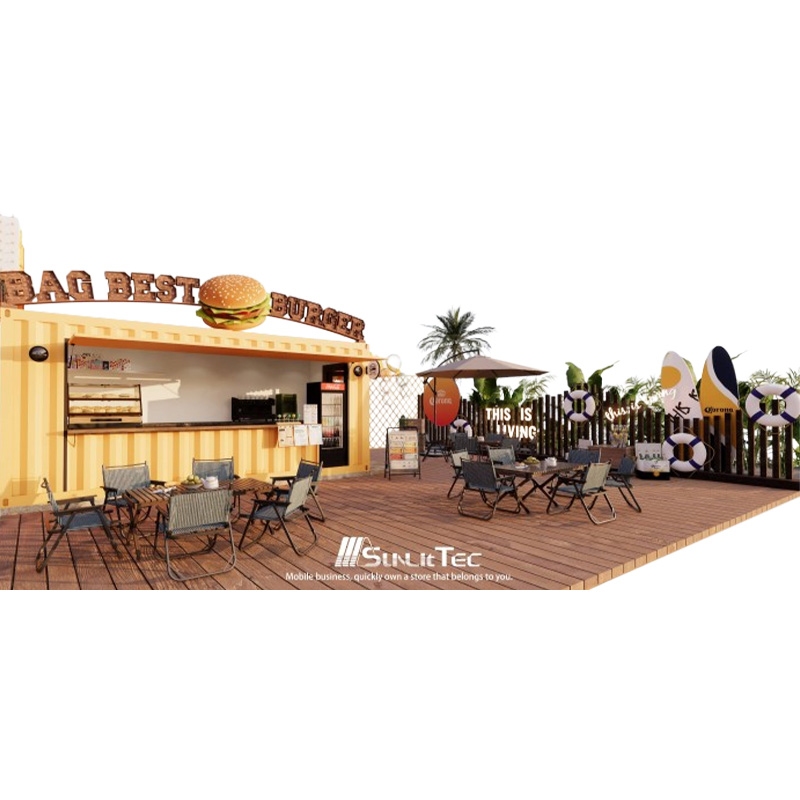
A loja de contêineres Começa como uma unidade modular construída como uma casa-contêineres, mas moldada para uso comercial. Funciona como quiosque, showroom, café, ponto de atendimento ou ponto de venda temporário. Casas-contêineres frequentemente aparecem como estabelecimentos comerciais, áreas de armazenamento ou escritórios temporários em locais com forte presença turística, como Tailândia, Singapura, Estados Unidos e Europa. A mesma ideia se aplica aqui: estruturas externas robustas combinadas com interiores que se adaptam a diversos tipos de negócios.
Principais diferenças em relação à construção de lojas tradicionais
| Característica | Loja tradicional | Loja de contêineres |
| Tempo de construção | Meses a anos | Semanas |
| Mobilidade | Fixo | Relocável |
| Estrutura de custos | Alto custo de adaptação | Eficiência pré-fabricada |
| Flexibilidade | Modificação limitada | Facilmente reconfigurável |
| Expansão | Requer nova compilação | Adicione módulos a qualquer momento. |
Lojas feitas de contêineres permitem um crescimento gradual. Comece com duas unidades e adicione mais para formar um pequeno centro comercial à medida que o número de visitantes aumentar.
Cenários comuns de aplicações B2B
Essas unidades funcionam em diversos contextos. Praças de shoppings precisam de ativações rápidas. Empreendimentos de uso misto testam novos inquilinos. Zonas comerciais de resorts oferecem produtos aos visitantes. Mercados urbanos rotacionam marcas. Exposições e eventos esportivos requerem estandes de vendedores. Áreas de festivais e quarteirões urbanos temporários também utilizam contêineres para instalações completas.
Soluções Sunlit Tec para lojas em contêineres para desenvolvedores de varejo
Baseado em conceitos de casas modulares feitas de contêineres
A Sunlit Tec trabalha com cabines integradas modernas, casas móveis e espaços de renovação de contêineres. produtos para casas contêineres São compactos e adequados para transporte e instalação rápidos. Para projetos comerciais, essa lógica de produto pode ser adaptada em soluções de lojas em contêineres para uso comercial de curto prazo e planejamento flexível do local.
Uma loja container da Sunlit Tec pode ser usada individualmente ou integrada a uma área comercial maior. Por exemplo, várias unidades podem formar uma pequena rua comercial com opções de alimentação, bebidas, souvenirs, mesas ao ar livre e espaços para exposição de marcas. Em um resort ou camping, esse tipo de configuração parece natural. Não tem a mesma aparência pesada de uma construção de concreto e se integra mais facilmente a ambientes externos.
Layouts personalizados para diferentes categorias de varejo
Cada pré-fabricado loja de contêineres Pode ser adaptado para lojas de moda, bancas de cafépontos de venda de lanches, balcões de beleza, lojas de eletrônicos, artigos turísticos, bilheterias, pequenos showrooms e campanhas de marca de curta duração.
Planejamento modular para áreas comerciais com múltiplas unidades
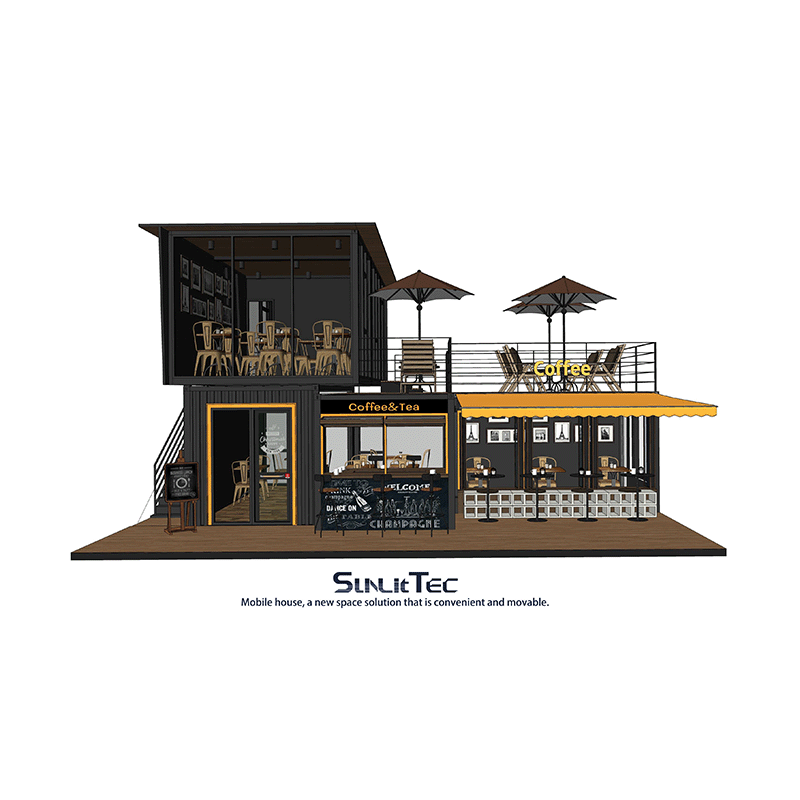
Os desenvolvedores podem agrupar várias unidades em mercados ao ar livre ou vilas de contêineres. Múltiplas unidades da Sunlit Tec formam áreas comerciais interligadas, enquanto cada inquilino opera de forma independente. Essa configuração é ideal para shoppings que alternam marcas de acordo com a estação do ano.
Principais benefícios das lojas em contêineres para o desenvolvimento do varejo B2B
Tempo de lançamento mais curto
A construção em fábrica reduz o tempo total do projeto. Construções tradicionais podem levar seis meses para obtenção de licenças e preparação da base. A abordagem modular da Sunlit Tec entrega unidades prontas para instalação no local em poucas semanas. A maioria das etapas de construção é concluída na fábrica, o que permite que o trabalho no local seja ágil após a entrega.
Redução do risco de testes para novos conceitos de varejo
Os desenvolvedores podem verificar os resultados dos inquilinos antes de partirem para construções definitivas. O acompanhamento do número de visitantes e das reações dos compradores durante períodos de uso limitado reduz o risco geral.
Ativos comerciais escaláveis e relocáveis
A espaço comercial temporário podem continuar após o término de um contrato de locação. Essas unidades podem ser realocadas entre locais ou ampliadas com módulos adicionais, com base nos resultados do projeto.
Forte impacto visual para lojas pop-up
Lojas feitas de contêineres favorecem uma identidade visual clara. Cores vibrantes, painéis de LED, fachadas de vidro e mesas ao ar livre contribuem para um apelo visual que atrai as pessoas naturalmente.
Como planejar um projeto de loja em contêineres
Planejamento do local e do fluxo de tráfego
Um bom projeto arquitetônico leva em consideração a circulação de pedestres entre as unidades. Ele considera o acesso por estacionamentos ou vias principais, o acesso de caminhões para entregas, filas próximas às áreas de alimentação e áreas sombreadas ao longo dos caminhos.
Funcionamento de interiores e fluxo de trabalho no varejo
Dentro de cada unidade, prateleiras expositoras percorrem as paredes. Os balcões de caixa ficam próximos à entrada. O armazenamento se encaixa sob os balcões. A iluminação utiliza camadas de luz ambiente e de destaque. A ventilação continua sendo importante mesmo com os equipamentos de cozinha em funcionamento.
Requisitos de utilidade e segurança
Cada local precisa de uma distribuição de energia adequada, geralmente por meio de linhas subterrâneas. O sistema de drenagem conecta os estabelecimentos de alimentação e bebidas às pias ou banheiros. O sistema de climatização é adequado ao clima local. Materiais resistentes ao fogo são essenciais. A Sunlit Tec utiliza estruturas de aço galvanizado com isolamento de poliuretano que atende aos padrões de não inflamabilidade.
Recursos de Branding e Varejo Digital
Telas digitais exibem promoções. Códigos QR direcionam para lojas online. Fechaduras inteligentes controlam o acesso dos funcionários. A iluminação controlada por aplicativo cria ambientes que integram o espaço físico à atividade digital.
Melhores casos de uso para lojas de contêineres da Sunlit Tec
Zonas temporárias em centros comerciais
Essas opções são ideais para shoppings que desejam alternar marcas durante feriados ou períodos de liquidação, sem a necessidade de contratos de longo prazo.
Ruas comerciais ao ar livre e projetos de uso misto
Os promotores imobiliários que constroem áreas de lazer que combinam restaurantes e lojas beneficiam-se de configurações modulares que se adaptam às mudanças de tendências.
Comércio varejista para turismo, resorts e eventos
Locais turísticos ou festivais precisam de lojas rápidas para comprar lembrancinhas e comida.
Ativação de marca e espaços para lançamento de produtos
Marcas globais frequentemente desejam presença local durante suas campanhas. A instalação rápida se alinha aos cronogramas de marketing sem grandes custos de construção.
Lista de verificação para compradores de incorporadoras de varejo
Análise de Produtos e Fornecedores
Antes de adquirir uma loja container, um empreendedor do setor varejista deve comparar tanto os detalhes do produto quanto a capacidade do fornecedor. O preço é importante, mas a unidade mais barata pode não ser adequada para um empreendimento comercial de grande porte.
As verificações importantes incluem:
- Dimensões do módulo e área útil
- Projeto de portas, janelas e fachadas de lojas
- Isolamento e acabamento interior
- Configuração de energia e iluminação
- Opções de personalização da marca
- Método de transporte e instalação
- Capacidade de produção da fábrica
- Experiência em exportação e comunicação de projetos
- Suporte pós-venda
- Capacidade de apoiar o planejamento de múltiplas unidades
A Sunlit Tec é ideal para desenvolvedores que buscam produtos modulares para lojas em contêineres, integrados a sistemas de espaços móveis, produção de casas-contêineres e uso em projetos comerciais. Para projetos que envolvem comércio a céu aberto, ruas comerciais temporárias, áreas de lazer em resorts ou desenvolvimento comercial em fases, essa linha de produtos se encaixa perfeitamente no mercado atual.
Conclusão
Lojas em contêineres estão se tornando uma opção prática para empreendedores do varejo comercial que precisam de lançamentos de projetos mais rápidos, espaços comerciais flexíveis e uma maneira menos arriscada de testar a demanda do mercado. Elas podem abrigar lojas pop-up, ruas comerciais ao ar livre, lojas de resorts, unidades de alimentação e bebidas e espaços temporários para marcas, sem comprometer a construção permanente desde o início.
As soluções de lojas em contêineres da Sunlit Tec oferecem aos desenvolvedores uma maneira modular de criar espaços comerciais ativos, ajustar formatos de inquilinos e expandir projetos em etapas. Para equipes comerciais que planejam uma zona de lojas temporárias, uma rua comercial com contêineres ou uma área comercial externa flexível, a Sunlit Tec pode auxiliar na seleção de produtos, discussão de layout e planejamento do projeto. Contacte Sunlit Tec Para discutir uma solução de loja em contêineres para o próximo projeto de desenvolvimento comercial.
FAQ
P1: Para que serve uma loja feita de contêineres em projetos de varejo comercial?
A: Uma loja container é usada como um espaço de varejo modular para lojas pop-up, cafés, showrooms, bilheterias, lanchonetes, displays de marcas ao ar livre e pontos de venda temporários em projetos comerciais.
Q2: Uma loja feita de contêiner é adequada para uso comercial a longo prazo?
R: Sim. Uma loja feita de contêiner pode ser usada para fins comerciais de curto, médio ou longo prazo, desde que a fundação do terreno, os serviços públicos, as licenças locais, o isolamento e os requisitos de segurança sejam planejados adequadamente.
P3: Por que os formatos de lojas pop-up são populares entre os desenvolvedores de varejo em 2026?
A: Uma loja pop-up ajuda os desenvolvedores a ativar espaços ociosos, testar a demanda dos inquilinos, atrair novas marcas e renovar a experiência do cliente sem o custo e o tempo de uma construção permanente completa.
Q4: O que deve ser verificado antes de encomendar uma loja modular em contêiner?
A: Os desenvolvedores de espaços comerciais devem verificar o tamanho do módulo, o layout da fachada, a carga elétrica, o sistema de drenagem, o sistema de climatização (HVAC), a segurança contra incêndio, o acesso ao local, as regulamentações locais, o método de transporte e a capacidade de personalização do fornecedor.
Q5: Como a Sunlit Tec pode apoiar projetos de espaços comerciais de varejo?
A: A Sunlit Tec oferece soluções modulares de casas contêineres e espaços móveis que podem ser adaptadas para projetos de lojas em contêineres, áreas de varejo temporárias, ruas comerciais ao ar livre e desenvolvimento flexível de varejo B2B.