A commercial building project often starts with a simple question: how can a business create a functional space without waiting too long or committing to unnecessary construction costs?
For an overseas retail brand, it may be a new store that needs to open before a seasonal sales period. For a construction company, it may be a site office required before workers and equipment arrive. For a hospitality developer, it may be additional accommodation needed for a growing destination.
These projects have one thing in common: the space needs to be practical, reliable, and ready for business use.
A commercial container house provides an alternative approach to traditional construction. Instead of completing every stage directly at the project site, modular buildings are produced in a factory environment and prepared according to the customer’s requirements before delivery.
Modern soluções de casas de contentores are no longer limited to temporary facilities. With customized layouts, insulation systems, electrical configurations, waterproofing solutions, and professional finishes, they can be developed for retail stores, offices, accommodation facilities, and other commercial applications.
As a container house supplier and manufacturer, Sunlit Tec works with overseas customers to develop customized modular solutions based on project purpose, location conditions, and operational requirements.
Why Commercial Projects Are Moving Toward Modular Container Buildings
Flexible Construction for Different Business Requirements
Commercial projects often have changing requirements.
A company entering a new market may not know the exact scale of future expansion. A resort operator may need additional rooms before the next tourism season. A contractor may need a temporary office that can be installed quickly and adapted later.
Traditional construction can be suitable for large permanent developments, but some projects require a different approach.
A modular casa de recipientes allows production and site preparation to happen at the same time. While the building unit is manufactured, buyers can prepare foundations, utilities, and installation conditions at the project location.
In international projects, this coordination can be especially important. Shipping schedules, local regulations, weather conditions, and installation access all influence the final result.
During project discussions, overseas buyers often focus on practical questions:
- Can the layout be adjusted before production?
- How will utilities connect after installation?
- What preparation is needed at the site?
- How will the building perform in the local climate?
These questions are usually addressed before manufacturing begins.
Why Businesses Choose Modular Space for Expansion
Commercial expansion is not always about building a larger facility. Sometimes it is about adding the right amount of space at the right time.
A modular building can support different business strategies:
- Opening a new retail location
- Adding accommodation capacity
- Creating additional office space
- Supporting remote operations
- Developing temporary commercial facilities
A custom container house gives buyers more flexibility compared with standard units. The design can be adjusted according to the purpose of the project, including interior arrangement, exterior appearance, and functional requirements.
For example, a retail project may require a customer-facing layout with display areas and service counters. An office project may require meeting rooms and working areas. An accommodation project may focus more on comfort, insulation, and space efficiency.
Commercial Applications of Container House Solutions
Container Shops for Retail and Brand Expansion
Retail businesses often need spaces that combine function and appearance.
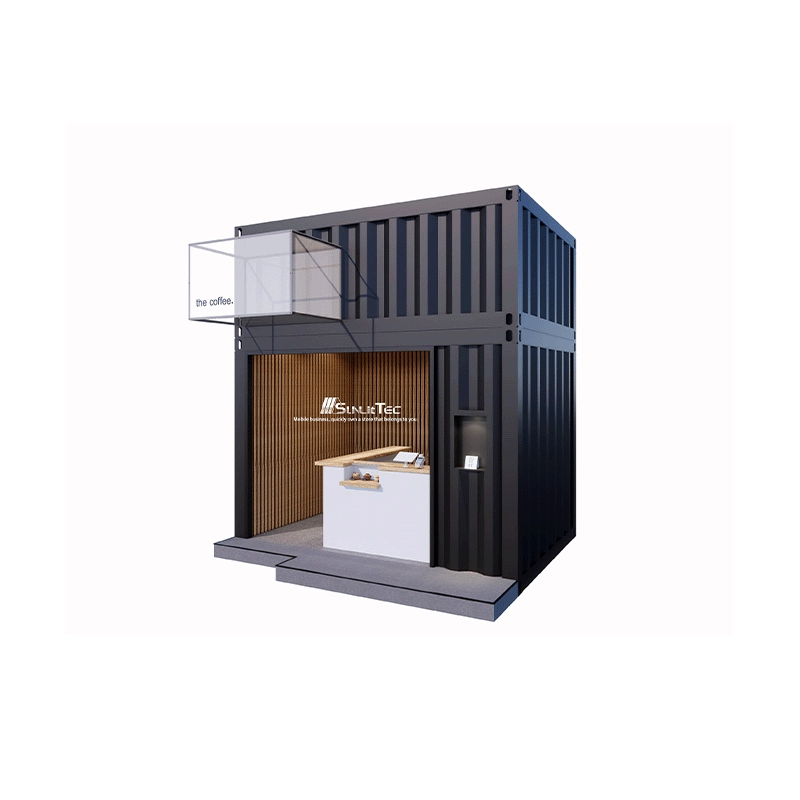
A container shop can be designed for:
- Coffee shops
- Food service locations
- Small retail stores
- Sales offices
- Pop-up commercial spaces
Unlike simple container conversions, commercial retail units need to consider customer experience. The layout should support movement, product display, service operations, and daily business activities.
For example, a café project may require:
- A service counter
- Equipment area
- Storage space
- Customer seating
- Electrical connections
A customized modular design allows these requirements to be considered before production.
A Sunlit Tec fornece custom shop container house solutions that can be adapted according to business type, location, and design expectations.
Container Offices for Construction and Industrial Projects
Many industries require professional working spaces in locations where permanent buildings are difficult to establish.
Construction contractors, infrastructure companies, and industrial projects commonly use container offices for:
- Project management
- Site administration
- Meetings
- Staff facilities
For these applications, appearance is only one consideration. Buyers usually pay closer attention to:
- Steel structure
- Load requirements
- Desempenho de isolamento
- Waterproofing
- Electrical systems
- Installation conditions
A professional container house manufacturer needs to understand the working environment of the building, not only the manufacturing process.
Expandable Container Houses for Accommodation Projects
Accommodation is another important application area for modular buildings.
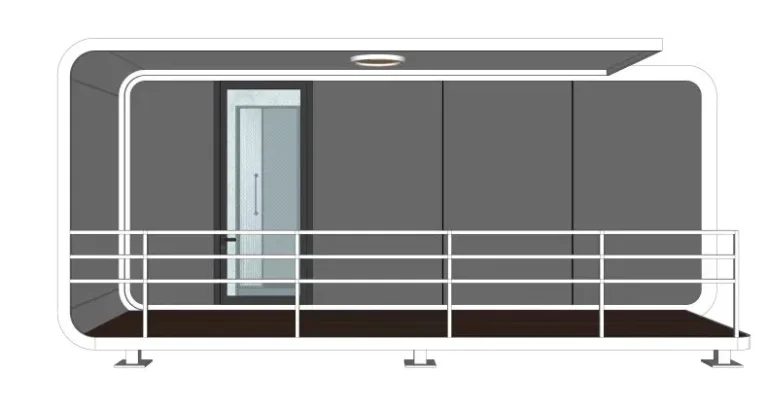
Hotels, resorts, campsites, and workforce projects may need additional rooms without starting a complete traditional construction process.
An expandable container house provides advantages in situations where:
- Transportation space is limited
- Installation speed matters
- Future expansion is possible
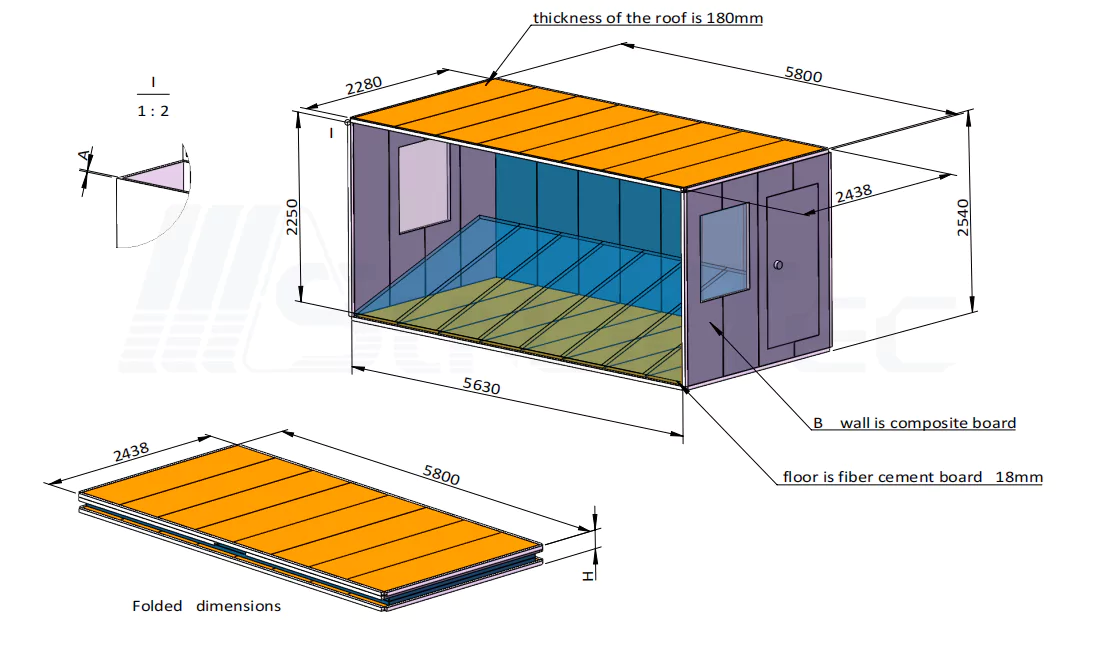
The compact transportation design allows the unit to be delivered efficiently, while the expanded layout provides more usable interior space after installation.
For hospitality and accommodation projects, buyers usually consider factors such as comfort, insulation, interior layout, and local climate conditions.
What Buyers Should Check Before Ordering a Commercial Container House
Review Technical Specifications Before Comparing Prices
Price is an important factor in any purchase decision, but commercial buyers usually need to evaluate more than the initial quotation.
A suitable modular building should match the project environment.
Before placing an order, buyers should review:
| Categoria | Key Points |
| Structure | Steel frame design, strength requirements, application conditions |
| Climate Protection | Insulation, waterproofing, corrosion protection |
| Electrical System | Voltage requirements and local standards |
| Disposição | Business function and future expansion possibilities |
| Transportation | Shipping dimensions and installation planning |
For example, a coastal accommodation project may require stronger corrosion protection compared with an inland office project. A cold-region building may need different insulation requirements compared with a warm climate retail unit.
These details affect both performance and long-term operating experience.
Prepare Complete Information Before Requesting a Quotation
A detailed request helps suppliers provide a more accurate proposal.
When requesting a container house quotation, overseas buyers usually prepare:
- Project location
- Intended application
- Required size
- Quantity
- Layout preference
- Climate conditions
- Delivery schedule
During international purchasing, early communication can prevent changes after production starts.
Before manufacturing, professional suppliers usually confirm:
- Project application
- Design drawings
- Product specifications
- Production schedule
- Shipping and installation arrangements
This process helps both sides have a clearer understanding of the final product.
How to Choose the Right Container House Supplier
Evaluate Manufacturing Capability and Customization Experience
Selecting a container house supplier requires more than comparing product photos and prices.
For commercial projects, buyers should review:
- Factory production capability
- Customization experience
- Quality inspection procedures
- Export experience
- Technical communication ability
A supplier with manufacturing experience can better support projects that involve different countries, building standards, and transportation requirements.
Sunlit Tec works with overseas customers on customized modular projects, supporting communication from initial requirements and design confirmation through production coordination.
Why Manufacturer Experience Matters for Overseas Projects
International modular building projects involve more than manufacturing.
The supplier needs to understand:
- How products are prepared for transportation
- How installation conditions affect design
- How local climate influences configuration
- How different commercial applications require different layouts
A manufacturer experienced in export projects can help buyers identify potential issues earlier.
For companies purchasing in larger quantities or planning repeated projects, supplier capability becomes especially important.
Why Choose Sunlit Tec for Commercial Modular Projects
Sunlit Tec provides customized modular building solutions for businesses requiring flexible commercial spaces.
The product applications include:
- Container shops
- escritórios em contêineres
- Expandable container houses
- Accommodation buildings
- Customized modular structures
Different projects require different solutions. A retail customer may focus on appearance and customer experience. A contractor may prioritize durability and installation efficiency. A hospitality developer may require comfortable layouts and consistent production.
As a professional container house supplier e container house manufacturer, Sunlit Tec focuses on developing practical modular solutions based on actual project requirements.
For overseas buyers, choosing the right manufacturing partner means finding a supplier that can support not only product supply, but also design communication, customization, and project coordination.
Conclusão
Commercial construction is becoming more flexible as companies look for faster and more adaptable ways to create business spaces. More insights about modular advantages can be found in Sunlit Tec’s guide to container house benefits for professional projects.
A commercial container house can provide a practical solution for retail, office, accommodation, and remote project applications. However, successful projects depend on more than selecting a building type. Technical specifications, customization capability, manufacturing experience, and supplier communication all influence the final result.
Sunlit Tec provides customized modular solutions for overseas buyers looking for reliable commercial building options. Companies planning a new project can share information such as application, location, size, quantity, and design requirements to request a suitable container house quotation and discuss a customized solution.
FAQ
Q1: Why do commercial container house prices vary between suppliers?
A: Prices depend on factors such as size, design, materials, customization, quantity, and shipping requirements. Buyers should compare overall value, including manufacturing capability and project support, not only the initial price.
Q2: What information is needed for a container house quotation?
A: Buyers usually provide the project location, application, required size, quantity, layout requirements, and delivery expectations. This helps the supplier prepare a more accurate quotation.
Q3: Can Sunlit Tec customize container houses for commercial projects?
A: Yes. Sunlit Tec provides custom container house solutions for retail shops, offices, accommodation projects, and other commercial applications based on specific project requirements.
Q4: How can buyers choose the right container house supplier?
A: Buyers should consider factory capability, customization experience, quality control, export experience, and communication support before placing an order.
Q5: Are commercial container houses suitable for long-term use?
A: With proper design, materials, installation, and maintenance, commercial container houses can support long-term applications such as offices, retail spaces, and accommodation facilities.