Em 2026, os incorporadores imobiliários que avaliam o preço de uma casa-cápsula estão olhando além do preço de tabela. O custo total de aquisição — incluindo logística, instalação, manutenção e período de retorno do investimento — agora define a viabilidade do projeto. Incorporadores e construtores querem saber com que rapidez uma unidade pode ser entregue, conectada aos serviços públicos e começar a gerar receita. É aí que a Sunlit Tec entra em cena.
Sunlit Tec Especializada em cabines integradas modernas e sistemas de casas móveis, incluindo unidades tipo cápsula espacial, cabanas Apple, casas pré-fabricadas e casas contêineres. Para compradores B2B, isso é importante porque uma casa cápsula geralmente não é adquirida como uma unidade decorativa isolada. Ela pode fazer parte de um resort, camping, parque de aluguel, área de escritórios, posto de gasolina ou projeto turístico. Nesses casos, a entrega rápida e a configuração confiável podem ser tão importantes quanto o orçamento inicial.
Qual o preço das casas-cápsula em 2026?
Casa cápsula Os preços variam muito de um projeto para outro. Uma unidade pequena para estadias simples de uma noite não tem o mesmo preço que um modelo maior com banheiro, cozinha, sistema de controle inteligente, isolamento térmico reforçado e acabamento interno de hotel. Mesmo duas unidades que parecem semelhantes em fotos podem ter estruturas de custos muito diferentes.
Dimensões, disposição e uso funcional
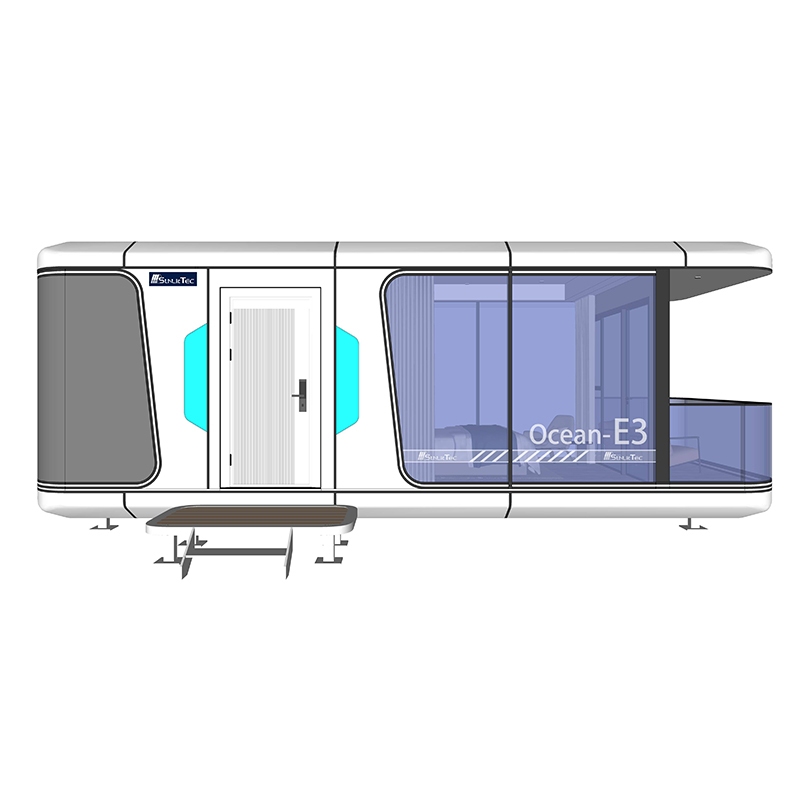
O primeiro fator é o tamanho. Uma casa-cápsula usada como unidade de camping compacta pode precisar apenas de uma área para dormir, controle de temperatura, iluminação básica e sistemas elétricos simples. Uma unidade de resort pode precisar de banheiro privativo, espaço para armazenamento, janelas grandes, piso melhor, armários embutidos e um acabamento mais sofisticado.
O uso comercial também altera o layout. Um operador turístico pode preferir vidro panorâmico e um estilo visual marcante. Um escritório móvel pode precisar de uma mesa de trabalho, controle de som, pontos de conexão para cabos e um layout interno mais limpo. Uma área de descanso à beira da estrada pode priorizar a durabilidade e a facilidade de manutenção. Uma mesma estrutura pode servir a diferentes usos, mas o orçamento varia de acordo com os detalhes.
Materiais, isolamento e desempenho estrutural
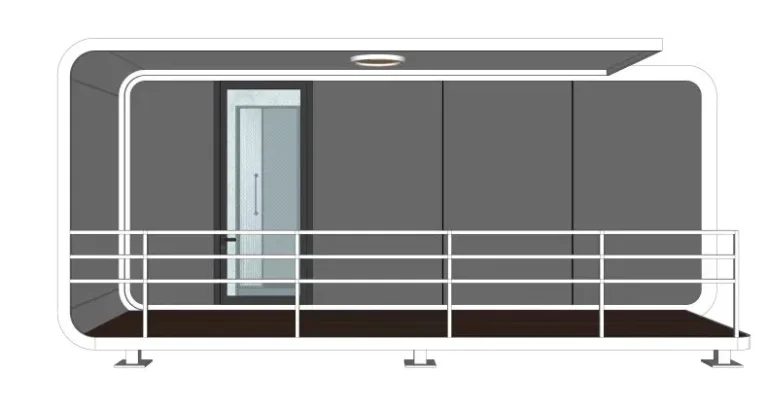
A escolha dos materiais afeta diretamente o preço. A casa móvel utiliza revestimento em chapa de alumínio espacial, estrutura tubular de aço galvanizado, vidro duplo de baixa emissividade, piso ignífugo SPC e placas de fibra de bambu. Esses materiais proporcionam resistência e bom isolamento. Essa combinação é importante para garantir retornos estáveis em regiões frias ou quentes.
Ao comparar fornecedores, os compradores devem avaliar não apenas o custo por metro quadrado, mas também a resistência da estrutura e o desempenho térmico ao longo do tempo. Um preço inicial ligeiramente mais alto para uma casa pré-fabricada pode se traduzir em custos de manutenção mais baixos e maior economia de energia durante os anos de operação.
Sistemas de interiores e recursos inteligentes
As casas pré-fabricadas modernas integram sistemas inteligentes que influenciam tanto o custo quanto o valor:
- Sistemas de climatização com controle remoto
- Fechaduras inteligentes para gestão de hóspedes
- Sistemas elétricos preparados para energia solar
- Módulos de banheiro que economizam água
Embora esses recursos aumentem o investimento inicial, eles melhoram a experiência do usuário — algo crucial para operadores do setor hoteleiro que buscam avaliações cinco estrelas ou diárias premium.
Comparação de preços de casas cápsula com construções tradicionais.
A construção tradicional tem uma grande vantagem: a adaptação local. Ela pode ser ajustada no local e construída com mão de obra e materiais locais. Mas também apresenta problemas comuns. Atrasos devido ao clima, escassez de mão de obra, desperdício de materiais e longos ciclos de construção podem comprometer o orçamento.
Uma casa pré-fabricada funciona de forma diferente. Grande parte do trabalho é concluída em uma fábrica antes que a unidade chegue ao local. Isso não elimina todos os custos do projeto. Terreno, fundação, serviços públicos, licenças, acesso para guindaste e trabalho de instalação local ainda precisam de planejamento. Mas pode encurtar a parte mais trabalhosa da construção.
| Fator de custo | Edifício tradicional | Projeto Casa Cápsula |
|---|---|---|
| Local de trabalho principal | Principalmente no local | Em sua maioria fabricados em fábrica. |
| demanda de mão de obra | Maior necessidade de mão de obra local | Menor necessidade de mão de obra no local |
| Risco de cronograma | Atrasos relacionados ao clima e à mão de obra são comuns. | Cronograma de produção mais controlado |
| Expansão | Altamente disruptivo para as operações em andamento; requer longos períodos de preparação e construção no local. | Modularidade plug-and-play; unidades adicionais podem ser implantadas em fases durante a baixa temporada, sem interromper as operações existentes do resort. |
| Clareza orçamentária | Pode sofrer alterações durante a construção. | Mais fácil de estimar antes de fazer o pedido. |
Para compradores B2B, é aqui que o valor se torna evidente. Um resort que abre três meses antes pode faturar uma temporada inteira. Um camping que adiciona dez unidades antes da alta temporada pode recuperar parte do investimento mais rapidamente. Um empreiteiro que atende locais remotos pode reduzir a pressão sobre a mão de obra usando unidades pré-fabricadas. O custo menor nem sempre está na unidade em si. Às vezes, está no tempo economizado.
ROI: O que os compradores comerciais devem calcular
Uma avaliação completa do retorno sobre o investimento (ROI) é a base de qualquer projeto comercial de casas-cápsula bem-sucedido. Uma análise financeira básica deve incluir:
- Custo de aquisição unitário
- Despesas com frete e alfândega
- Preparação da fundação e do terreno
- Custo do guindaste e do descarregamento
- Ligação de água, esgoto e eletricidade
- Custo da aprovação ou licença local
- Tarifa noturna esperada ou tarifa de aluguel mensal
- Taxa média de ocupação
- Custo de limpeza e manutenção
- Demanda sazonal e tempo de inatividade
Projetos de hotelaria e turismo
As casas-cápsula são frequentemente utilizadas em resorts de glamping, parques com paisagens deslumbrantes, campings privados e acomodações de curta duração. Esses projetos geralmente precisam de apelo visual. Uma unidade deve ficar bem nas fotos, mas também ser confortável após a estadia de um hóspede por uma noite. Essa segunda parte é frequentemente negligenciada. Para um projeto turístico, o ROI (retorno sobre o investimento) depende da diferença entre o custo total do projeto e a receita de aluguel esperada.
Projetos comerciais e de uso misto
As casas-cápsula não se limitam à hospedagem. Alguns compradores as utilizam como escritórios móveis, pequenos cafés, bilheterias, espaços comerciais temporários, salas de descanso para funcionários ou unidades de exposição. Nesses casos, o retorno sobre o investimento está atrelado à rapidez e à flexibilidade. Uma unidade comercial que pode ser instalada rapidamente perto de um ponto turístico ou área de eventos pode evitar o longo ciclo de custos de uma construção permanente.
Para os distribuidores, o cálculo é um pouco diferente. A confiabilidade do produto, a variedade de modelos, o método de embalagem, o controle de entrega e a comunicação pós-venda tornam-se parte do lucro. Um preço baixo para lojas de cápsulas pode parecer atraente à primeira vista, mas a qualidade instável pode gerar reclamações, atrasos e danos à reputação.
Entrega e implantação de projetos rápidas
Produção em fábrica antes da preparação do local
As casas-cápsula são fabricadas enquanto as obras de fundação acontecem simultaneamente — os compradores cuidam das licenças e dos projetos de serviços públicos à medida que a produção avança. Essa sobreposição de cronogramas reduz drasticamente o tempo total de implantação em comparação com as construções convencionais.
Envio marítimo internacional e içamento no local
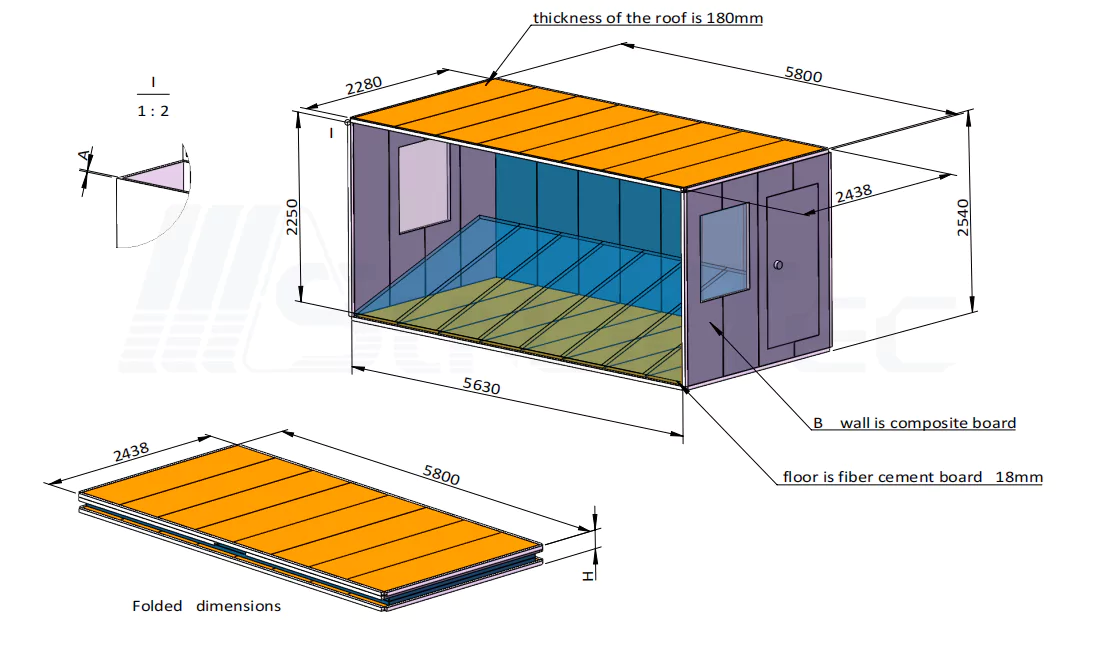
A Sunlit Tec realiza envios por rotas de frete padrão, utilizando contêineres flat rack (40FR). Os compradores devem coordenar o serviço de guindaste local com base no peso de içamento (geralmente entre 8 e 10 toneladas por unidade) e confirmar as vias de acesso antes da entrega.
Lista de verificação de prontidão para instalação para compradores
Antes da chegada:
- Analisar desenhos de fundação e planos de drenagem.
- Confirme as regulamentações locais e os códigos de resistência ao vento.
- Preparar rotas de acesso para guindastes e zonas de descarga.
- Agendamento de ligações de serviços públicos (água/energia/esgoto)
Essa preparação evita custos com equipamentos ociosos durante a semana de instalação.
Considerações sobre o preço de casas-cápsula regionais
Mercado dos EUA: Custo da mão de obra e entrega mais rápida de projetos
Nos EUA, o custo da mão de obra e os longos prazos de construção são grandes obstáculos. As casas-cápsula podem ser ideais para glampings, unidades de aluguel em quintais, espaços de trabalho remotos, campings privados e instalações comerciais temporárias. Os compradores geralmente priorizam a rapidez na montagem, especificações claras e a capacidade da unidade de suportar uso comercial repetido.
Mercado europeu: Conscientização sobre eficiência energética e conformidade
Os compradores europeus priorizam os valores de isolamento (fator U), a documentação CE, a conformidade com as normas de segurança contra incêndio e o histórico de sustentabilidade a longo prazo antes de tomar decisões de compra, tornando a transparência técnica vital durante a comparação de fornecedores.
Mercado do Sudeste Asiático: Turismo, Resorts e Rápida Expansão
Economias impulsionadas pelo turismo, como a Tailândia ou a Indonésia, dependem de ciclos de expansão rápidos; as casas-cápsula pré-fabricadas oferecem capacidade de acomodação imediata sem a necessidade de infraestrutura pesada de concreto — algo importante onde a proteção contra a umidade é fundamental.
Oriente Médio e Austrália: Clima e Condições do Local
Resorts no deserto ou acampamentos de mineração exigem isolamento superior contra o ganho de calor; as estruturas de alumínio da Sunlit Tec, combinadas com vidros duplos, ajudam a manter o conforto interno mesmo em temperaturas extremas.
Por que a Sunlit Tec é ideal para projetos de casas-cápsula B2B?
Seleção de modelos para diferentes usos
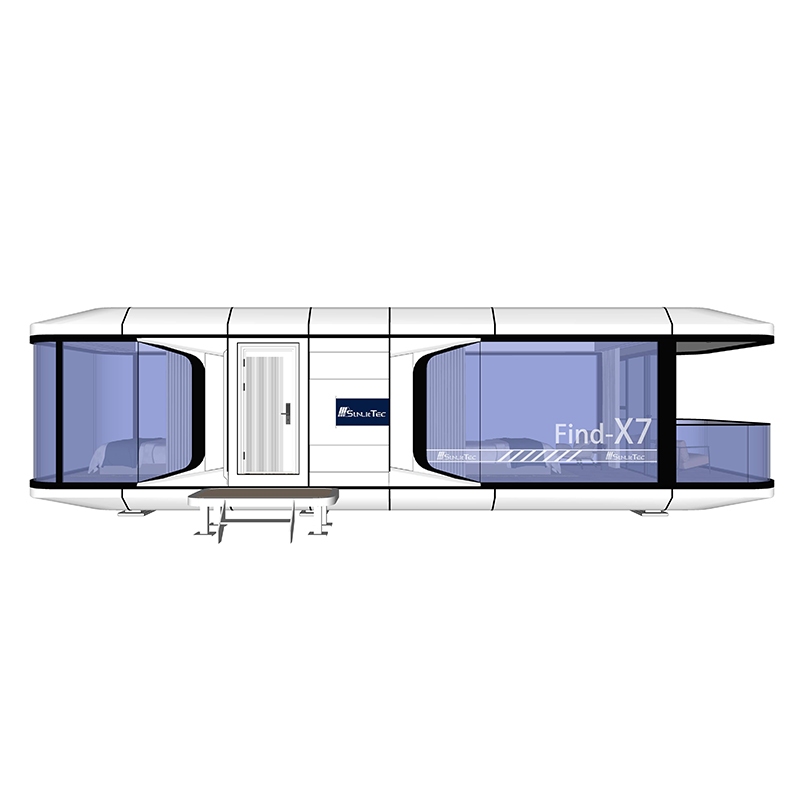
Gama de produtos da Sunlit Tec É relevante para compradores comerciais porque não se limita a um único formato de minicasa. Seus produtos em formato de cápsula espacial podem ser utilizados para acomodação ao ar livre, camping, uso comercial e cenários de vida móvel. Para compradores de projetos, essa gama mais ampla ajuda a adequar o produto ao modelo de negócio.
Personalização para compradores comerciais e do setor hoteleiro
A flexibilidade OEM/ODM permite que os clientes modifiquem os acabamentos interiores, a integração de sistemas inteligentes, os temas de cores exteriores — ou até mesmo ajustem as plantas baixas para corresponder à identidade da marca, sem precisar reestruturar os projetos principais.
Suporte à produção, entrega e instalação
Desde a pesquisa e desenvolvimento até o serviço pós-venda, equipes profissionais são garantias confiáveis para assegurar a qualidade dos projetos. A Sunlit Tec auxilia os clientes com a coordenação do transporte, orientação sobre içamento, consultoria sobre conexões de serviços públicos e comunicação contínua até a conclusão da entrega.
Como comparar fornecedores de casas-cápsula
Antes de fazer um pedido, os compradores B2B devem olhar além do preço FOB básico e avaliar os fornecedores com base na prontidão para todo o ciclo de vida do produto:
As verificações importantes incluem:
- Transparência do Custo Total de Aterrissagem: A cotação esclarece o frete marítimo OOG, o desembaraço aduaneiro e a correspondência com os desenhos da fundação?
- Conformidade e Certificação: O fornecedor pode fornecer documentação de conformidade regional (por exemplo, CE para a Europa, componentes elétricos com certificação UL para os EUA)?
- Serviço pós-venda e garantia: Existe um protocolo claro para obter fechaduras inteligentes de substituição, peças de ar condicionado ou painéis externos após a entrega?
Um orçamento baixo pode não incluir frete, serviços de guindaste, taxas alfandegárias, ligações de serviços públicos, licenças locais ou preparação do terreno. É por isso que o preço da casa-cápsula deve ser visto como o custo total do projeto. A pergunta mais pertinente não é "Qual unidade é a mais barata?", mas sim "Qual unidade pode entrar em operação com menos atrasos e menor risco a longo prazo?".
Conclusão
De acordo com os padrões de 2026, avaliar o preço de uma casa-cápsula significa equilibrar o investimento inicial com o desempenho ao longo do ciclo de vida — prazo de entrega, escopo de personalização, necessidades de adaptação regional — tudo isso contribuindo para métricas de ROI (retorno sobre o investimento) reais. Para compradores B2B, o maior valor geralmente vem de um lançamento de projeto mais rápido e um controle de custos mais claro, especialmente em projetos de hotelaria, turismo, escritórios móveis e locação comercial.
A Sunlit Tec oferece opções de casas-cápsula e casas pré-fabricadas para diferentes usos em projetos, com seleção de produtos, personalização, planejamento de transporte e comunicação para instalação fazendo parte da decisão de compra. Para incorporadoras, distribuidores, construtoras e operadores de resorts que planejam um projeto de casas-cápsula de rápida implantação, a Sunlit Tec pode... discussão do modelo de suporte e planejamento de orçamentos baseados em projetos.
FAQ
P1: O que afetará o preço das casas-cápsula em 2026?
A: Tamanho, materiais, sistemas internos, personalização, frete, obras no local e requisitos regionais, tudo isso afeta o preço da casa cápsula.
Q2: Uma casa cápsula é adequada para resorts comerciais?
A: Sim. Pode apoiar projetos de glamping, hospedagens panorâmicas, parques de campismo, parques de aluguer e alojamentos turísticos.
P3: Como uma casa cápsula é entregue no exterior?
A: O envio internacional geralmente requer transporte especial de gabinetes, planejamento portuário, içamento, embalagem e preparação do acesso ao local.
Q4: O preço das casas-cápsula é menor do que o das construções tradicionais?
A: Pode reduzir o trabalho no local e o custo do tempo, mas a economia total depende do frete, do trabalho no local e das normas locais.
Q5: Por que escolher a Sunlit Tec para um projeto de casa pré-fabricada?
A: A Sunlit Tec oferece modelos de casas-cápsula, opções de personalização, planejamento de transporte e comunicação de projetos para compradores B2B.