Introduction
Around the globe, quickly expanding B2B sectors — including worker camps, resort developers, hotel chains, and emergency housing providers — are changing old construction ways. Usual building methods often deal with extended timelines, uncertain costs, and little flexibility. Modular container houses have become a better, more effective choice. They provide quick setup, easy growth, and green features that fit current business needs well.
Basically, container houses are prefab units made in factories. They are built for simple transport and fast setup on site. They give great flexibility and much lower costs than regular buildings. These units get produced in managed factory spaces. Then, they can ship worldwide and get installed in just days. This cuts down project risks and unknowns a lot.
This guide takes enterprise buyers through the full B2B buying process for modular container houses. It covers from early planning and picking suppliers to handling shipping and after-sales care. The goal is to help groups make smart choices and skip expensive errors. Sunlit-Tec, a skilled Chinese maker started in 2014 with solid know-how in steel structure work, focuses on custom container house options. These include expandable and foldable types. With CE/ISO certifications and broad export background in Europe, North America, Southeast Asia, and the Middle East, Sunlit-Tec offers solid one-stop OEM/ODM services from design to final delivery.
Why Modular Container Houses Are Ideal for B2B Projects
For B2B clients handling big operations or urgent setups, modular container houses bring clear benefits:
- Speed:Factory work lets site prep happen at the same time as building off-site. Setup often takes 1–3 days.
- Cost Savings:Modular building can lower total costs by 20–50%. This comes from less labor and steady material use.
- Sustainability:Steel frames that can be reused cut waste. Insulation meets fire and eco rules.
- Portability:Units can come apart or move whole for new spots or reuse.
Container houses get used in many B2B settings. In tourist spots like Thailand, Singapore, the United States, and Europe, they work as shops, glamping units, storage spaces, or temp offices. In growing areas such as parts of Africa, they serve as worker homes and site offices during big builds. Plus, they offer key temp shelters and storage in refugee camps and aid zones after disasters.
For businesses running worker stays or glamping sites, these modular options bring strong work flexibility. Projects can grow fast in busy times or crises. They keep comfort and follow rules. Unlike old building ways, which face weather holds and extra costs, a good B2B buying process means less money risk and more sure timelines.
Step-by-Step Guide to B2B Container House Procurement
1. Needs Assessment & Project Planning
Begin by setting main details: project size (unit count), budget limits, spot access, local weather (like hot deserts or cold areas), rules and codes, and how long they will last. For instance, if the area has high winds or earthquakes, pick models with strong galvanized steel frames that handle level 12 wind resistance.
2. Market Research & Modular Supplier Shortlisting
Check possible makers based on:
- Production capacity (monthly output)
- Material quality (galvanized steel frame; polyurethane fire-rated insulation)
- Customization capability (layout modifications; branding)
- Certifications (CE/ISO)
- Export logistics experience
Sunlit-Tec’s production network meets these criteria while offering flexible OEM/ODM services tailored to enterprise projects.
3. Request for Quotation (RFQ) & Technical Review
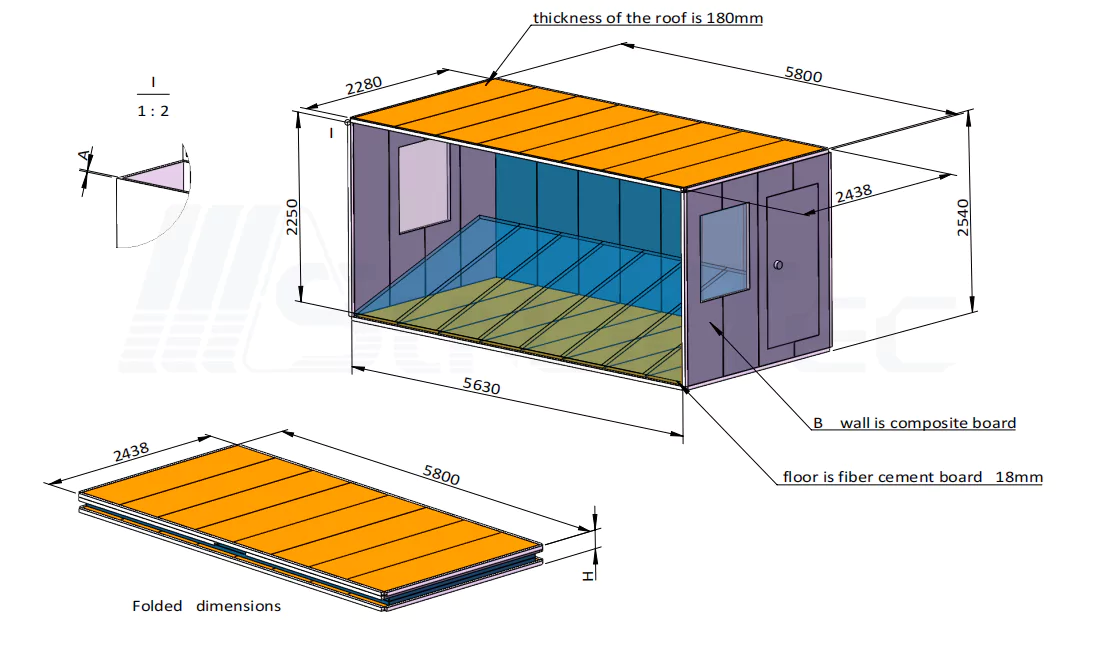
Make an RFQ with details on specs—size (e.g., 6m × 3m), insulation thickness (50–150mm), number of bathrooms/kitchens—and ask for tech drawings or images before making starts. Look at quotes not only on price but also on warranty and time frames.
4. Site Evaluation & Logistics Planning
Check base needs with care: use even concrete bases for lasting setups or adjustable steel parts for rough or hilly ground. Plan transport paths early. Unit sizes affect shipping ways and costs directly. Foldable and expandable container house designs from Sunlit-Tec can cut freight space by up to 50%. This lowers global shipping fees a lot.
5. Contract Negotiation & Terms Finalization
Discuss payment like T/T deposits or L/C at sight; set warranty (usually one year) and fees for late delivery. Add parts on customs help if bringing in from abroad.
6. Production Monitoring & Quality Control
In the making stage, active checks are key:
- Request regular photo and video progress updates.
- Arrange third-party inspections at key stages.
- Verify all materials, including high-strength galvanized steel pipes, polyurethane insulation, and Low-E glass panels, against agreed specifications.
Sunlit-Tec’s container houses feature robust galvanized steel framing that delivers seismic resistance up to level 9–10 and wind resistance up to level 12, ensuring safety and durability in challenging environments.
7. Shipping, Customs & Delivery Coordination
Set up sea freight times; designs that fit containers cut shipping costs since they match standard sea sizes (20ft/40ft). Work with your supplier’s team to handle customs without issues.
8. On-Site Installation & Commissioning
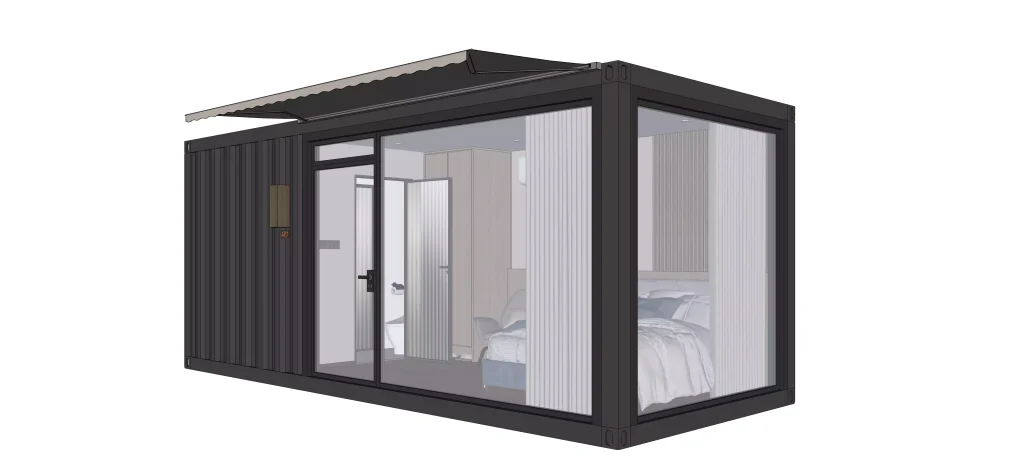
After delivery, expert teams put together each part in days. They use pre-set electrical and plumbing from the factory. The setup is quick. The build time is short. It is green and saves energy.
9. Post-Installation Review & Long-Term Maintenance Agreement
Check all connections and ends before handoff; set up a care plan with regular looks at insulation and electrical safety. Good suppliers like Sunlit-Tec give extra service options past the warranty.
Common Pitfalls to Avoid in B2B Procurement
Even teams with experience hit common problems:
- Underestimating hidden costs such as inland transport or import duties
- Unrealistic lead-time expectations during peak seasons
- Overlooking customization constraints tied to structural limits
- Weak after-sales support once installation is complete
- Ignoring certifications required by local authorities
A steady method—with open talks to your modular supplier—stops these from turning into big delays that cost money.
How Sunlit-Tec Simplifies Your B2B Procurement Journey
Sunlit-Tec stands out from other Chinese modular suppliers. It mixes precise engineering with service aimed at customers:
| Feature | Benefit |
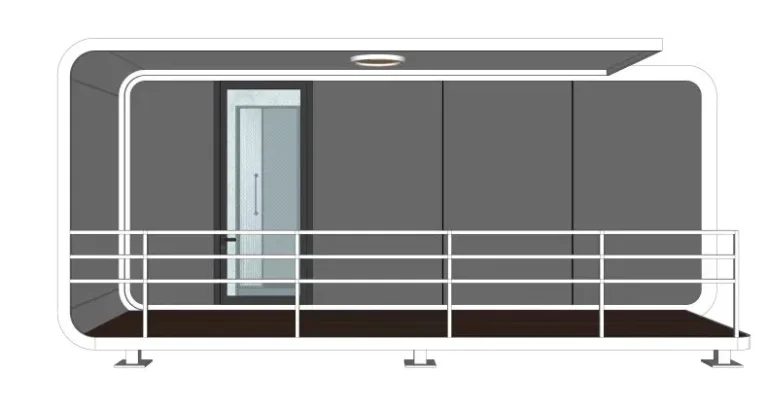
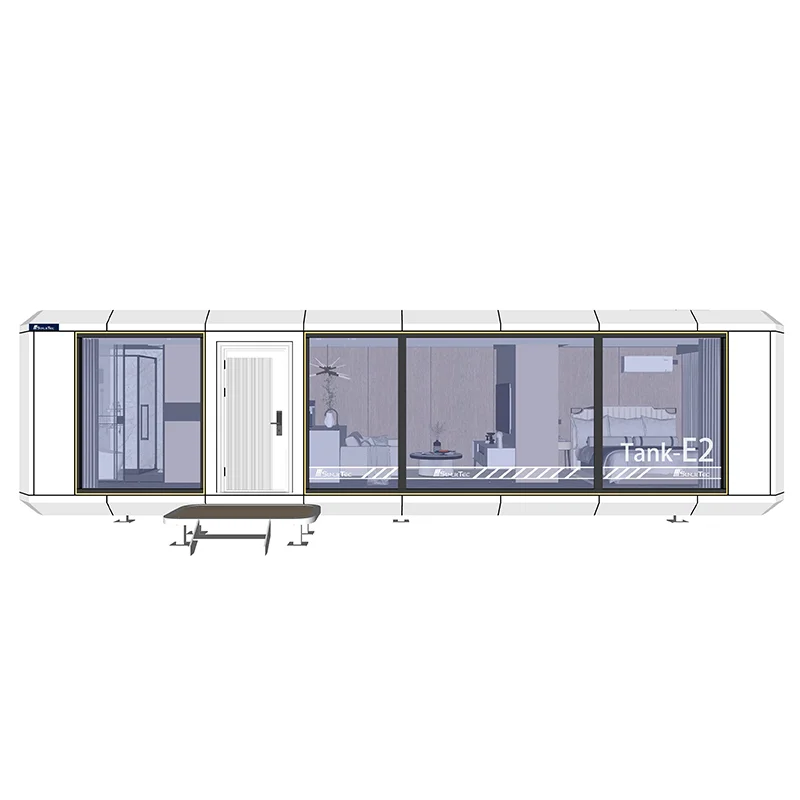
| OEM/ODM Customization | Fully tailored layouts with pre-production 3D renderings |
| High-Quality Galvanized Steel Frames | Level 9–10 seismic and level 12 wind resistance; CE/ISO compliant |
| Efficient Lead Times | Standard delivery within 4–12 weeks |
| Global Export Experience | Comprehensive shipping documentation and support |
| One-Stop Service | End-to-end coverage from design to after-sales |
Business buyers gain real perks like foldable and expandable container house designs. These can drop freight costs by up to 50%. Volume deals start from three units. Spare parts are easy to get. They come with a one-year quality promise and optional longer care plans. With exports proven in Europe, North America, Southeast Asia, and the Middle East, Sunlit-Tec’s smooth process cuts out middle steps. It eases talks and speeds up the whole B2B buying cycle.
Conclusion
Using a clear B2B buying setup changes how businesses set up housing systems. It brings quicker starts, lower overall costs, and easy scaling. By teaming with a seasoned modular supplier like Sunlit-Tec, groups can get dependable, top-quality container house options made for their needs.
With its strong technical expertise, global compliance standards, and responsive service, Sunlit-Tec stands out as an ideal long-term partner for projects worldwide.
Contact Sunlit-Tec today to request a personalized consultation and customized quote for your enterprise project.
FAQs
Q1: What is the first step in B2B container house procurement?
A: Start with a clear needs assessment—define scale, budget range, timeline expectations, location conditions (e.g., temperature extremes), and regulatory requirements before engaging suppliers.
Q2: How long does the full B2B procurement process for container houses typically take?
A: Depending on customization complexity and order volume, it usually spans 8–20 weeks from inquiry to move-in—significantly faster than traditional building methods.
Q3: What should enterprise buyers look for when choosing a modular supplier?
A: Key factors include production capacity, material durability like galvanized steel framing with polyurethane insulation layers, international certifications such as CE/ISO compliance—and responsive after-sales support.
Q4: Does Sunlit-Tec support international B2B container house procurement?
A: Yes. The company manages full export documentation across continents while offering competitive freight pricing through standard sea-container compatibility.
Q5: Can B2B buyers customize container houses during procurement?
A: Absolutely. Sunlit-Tec provides OEM/ODM customization options including expandable layouts or double-storey configurations—with detailed renderings approved before production begins.