Viviendas modulares OEM/ODM Se están convirtiendo en una opción práctica para promotores, marcas inmobiliarias, operadores turísticos y contratistas de proyectos que necesitan entregas más rápidas y una planificación de espacios más flexible. La construcción tradicional sigue teniendo su lugar, por supuesto. Pero cuando un terreno requiere unidades repetidas, ciclos de construcción cortos, producción controlada y una forma más eficiente de probar un concepto de vivienda, la vivienda modular empieza a verse muy diferente de la antigua imagen de "caja temporal".
Sunlit Tec Se especializa en cabañas modernas integradas, casas móviles, espacios de renovación de contenedores y sistemas de espacios modulares. Para compradores B2B, esto hace que la marca sea idónea para viviendas personalizadas, casas prefabricadas, casas contenedor y proyectos de vivienda modular que requieren más que una unidad estándar.
¿Por qué las casas modulares OEM/ODM están ganando demanda en el mercado?
Mayor rapidez en la oferta de viviendas para los promotores inmobiliarios.
Los promotores inmobiliarios se enfrentan a la presión de terminar las viviendas en plazos ajustados. Las casas prefabricadas y modulares reducen los tiempos de proyecto al trasladar la mayor parte del trabajo de construcción a entornos de fábrica. Las viviendas prefabricadas de acero ligero siguen diseños preestablecidos. Las piezas de acero ligero se fabrican primero en la fábrica. Luego se transportan a la obra y se ensamblan como bloques. El ritmo de construcción se mantiene alto. La construcción finaliza más rápido. El proceso es respetuoso con el medio ambiente y ahorra energía. Satisface las necesidades de vivienda a largo plazo. Este método reduce la mano de obra pesada necesaria en la obra. También permite a los promotores gestionar la demanda estacional o impulsada por el mercado sin demoras.
Cada vez más marcas necesitan productos de alojamiento personalizados.
Los sectores de la hostelería y el inmobiliario se inclinan cada vez más hacia la personalización. Las marcas buscan alojamientos que reflejen su imagen. Esto podría traducirse en una línea de cabañas o apartamentos de alquiler con un estilo uniforme. Los diseños de marca blanca permiten a los distribuidores y operadores de campings mantener la misma estética en todos sus establecimientos. Además, se benefician de una producción constante que garantiza la misma calidad en cada lote.
Calidad de fábrica para proyectos escalables.
Los grandes proyectos urbanísticos, como los campamentos para trabajadores o las comunidades modulares, requieren una calidad constante. Los módulos prefabricados ofrecen condiciones controladas. Cada componente, desde los paneles aislantes hasta las juntas estructurales, cumple con estándares rigurosos. Esto permite el crecimiento y, al mismo tiempo, garantiza la durabilidad de las unidades, incluso cuando su número alcanza los cientos.
Qué significa OEM/ODM en la fabricación de viviendas modulares
Viviendas modulares OEM para marcas de marca blanca
El trabajo OEM es ideal para compradores que ya tienen su propia idea de producto o estilo de marca. Sunlit Tec fabrica según los planos o especificaciones del cliente y mantiene la confidencialidad de los detalles durante la producción.
Viviendas modulares ODM para el desarrollo basado en proyectos
Las colaboraciones con fabricantes de diseño original (ODM) funcionan bien cuando los clientes necesitan ayuda con el diseño desde el principio. Esto incluye planos de distribución y selección de materiales. El equipo técnico del fabricante trabaja con los desarrolladores del proyecto. Adaptan los diseños modulares al uso previsto de las unidades y al cumplimiento de la normativa local.
Diferencia entre casas modulares personalizadas y unidades estándar
Las casas prefabricadas estándar utilizan diseños fijos que se adaptan a las necesidades generales. Las casas modulares personalizadas varían en tamaño, acabados exteriores, niveles de aislamiento, planes de transporte y distribución interior. Estos cambios se ajustan al propósito del proyecto, ya sea un refugio de montaña o un conjunto de viviendas de alquiler en la costa.
Sunlit Tec, fabricante de viviendas modulares para proyectos personalizados.
Fundamentos del producto: Casas móviles y espacios basados en contenedores
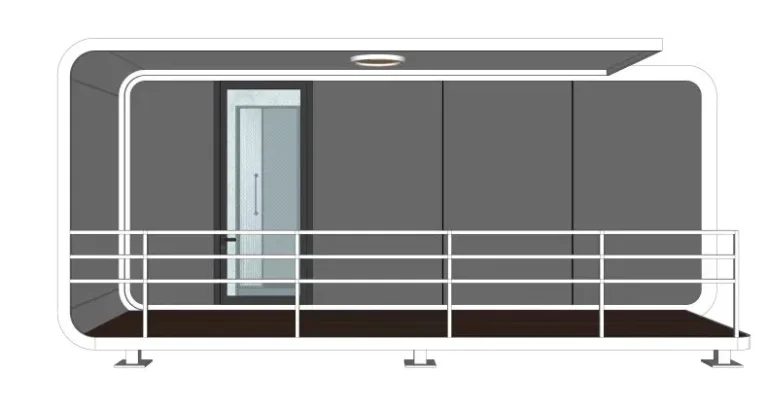
Sunlit Tec construye cabañas integradas y estructuras móviles que se adaptan a los estilos de vida actuales. Sus casas móviles incluyen cápsulas espaciales, cápsulas Apple, casas de madera, casas contenedor y diversas casas pequeñas a medida. La empresa trabaja con sistemas modulares flexibles que se ajustan tanto a usos a corto plazo como a instalaciones a largo plazo.
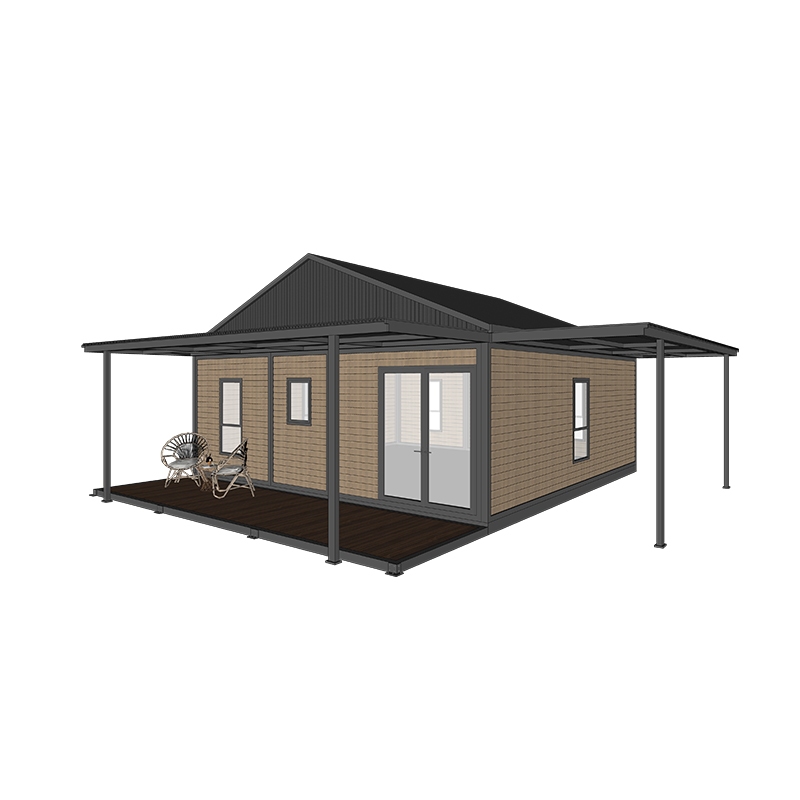
Opciones de casas contenedor para una vida y un trabajo flexibles.
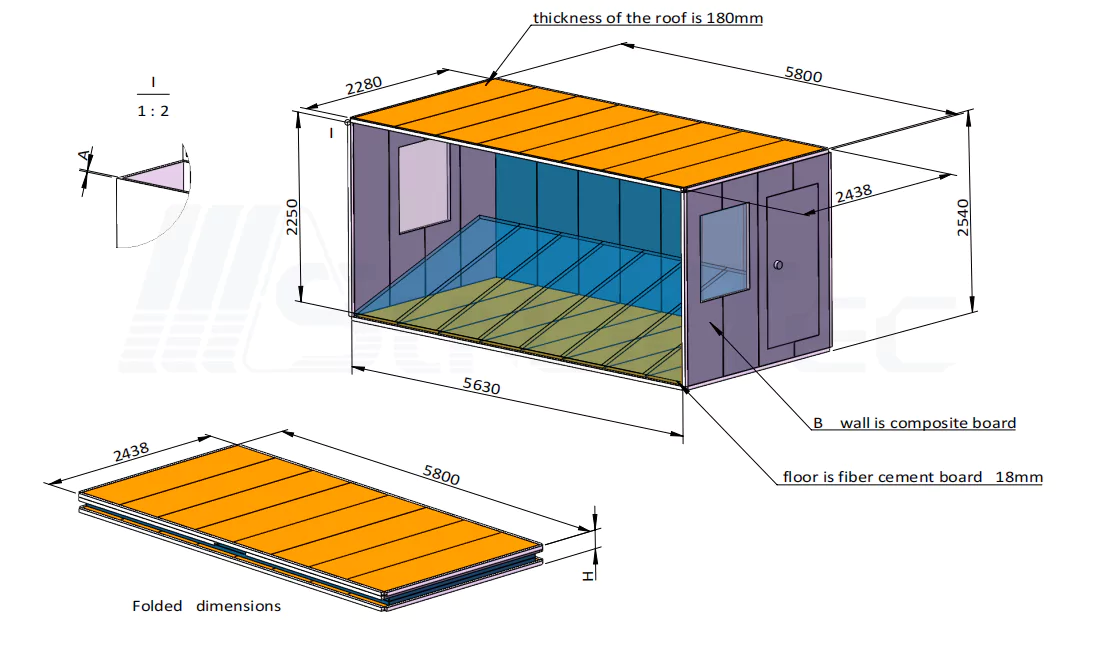
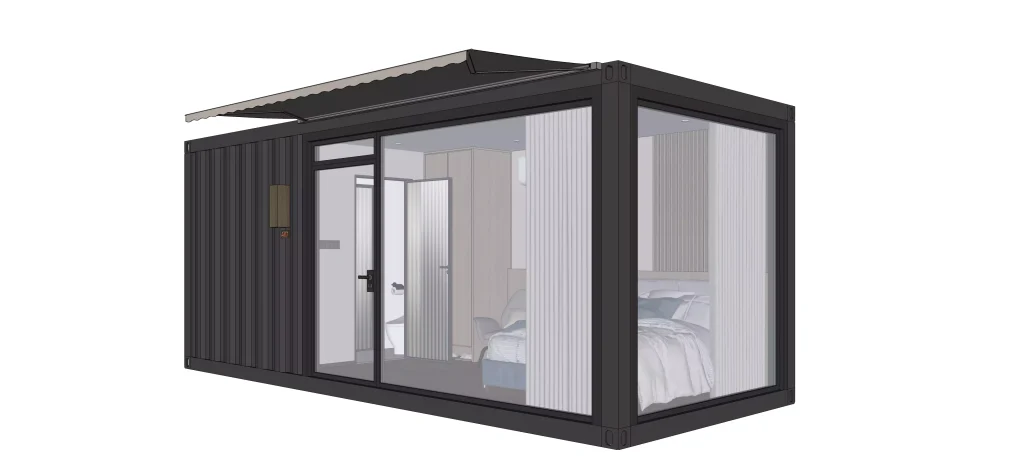
Soluciones basadas en contenedores Sigue siendo uno de los tipos de vivienda prefabricada más adaptables. La división modular permite que las casas contenedor se envíen a granel y se separen por módulos. Esto hace que el transporte y la instalación sean más flexibles. Además, se adapta a diferentes condiciones del terreno. Las casas contenedor Sunlit Tec pueden servir como dormitorios para trabajadores durante la construcción o como oficinas temporales en lugares apartados.
Personalización para diferentes compradores B2B
Cada comprador tiene necesidades diferentes. Estas van desde combinaciones de colores exteriores que se ajusten a la imagen corporativa hasta diseños interiores adaptados a grupos de usuarios específicos. Sunlit Tec ofrece modificaciones en el aislamiento térmico, la ubicación de puertas y ventanas, los sistemas eléctricos, las instalaciones de fontanería y el estilo exterior.
Aplicaciones típicas para viviendas modulares OEM/ODM
Alojamiento turístico y vacacional
Las cabañas modulares se ven cada vez más en proyectos turísticos como campings de lujo o ecoturismos. Su rápido montaje minimiza el impacto ambiental. Al mismo tiempo, ofrecen a los visitantes un nivel de confort similar al de pequeños hoteles.
Viviendas para trabajadores y campamentos de construcción
Las viviendas prefabricadas ofrecen soluciones prácticas para parques industriales o minas que necesitan conjuntos de viviendas temporales pero sólidas. Las unidades se pueden trasladar cuando finalizan las obras.
Proyectos piloto de viviendas de alquiler y para promotores inmobiliarios
Los promotores inmobiliarios que prueban nuevas ideas de alquiler suelen empezar con pequeños grupos de unidades modulares. Estas funcionan como comunidades piloto que permiten comprobar la reacción del mercado antes de iniciar producciones a mayor escala.
Espacios comerciales de uso mixto y comunitarios
Las viviendas construidas con contenedores pueden transformarse en locales comerciales, oficinas de recepción, cafeterías o centros de servicios comunitarios. Combinan la facilidad de movilidad con un estilo arquitectónico definido.
Factores personalizados clave para compradores de viviendas modulares
Diseño, materiales y adecuación climática
La distribución determina la comodidad diaria. Los materiales determinan la vida útil. La adecuación climática determina si el producto funcionará correctamente después de la instalación. Estos aspectos son básicos, pero es precisamente en lo básico donde comienzan muchos retrasos en los proyectos.
| Factor personalizado | Lo que los compradores suelen comprobar | Por qué importa |
| Diseño | Dormitorio, baño, cocina, trastero, sala de estar | Afecta la comodidad del usuario y el uso del proyecto. |
| Sistema de pared | Aislamiento, resistencia, acabado superficial | Afecta al rendimiento climático y al mantenimiento. |
| Puertas y ventanas | Tamaño, posición, tipo de vidrio, método de apertura | Afecta a la luz, la ventilación y el estilo de la fachada. |
| Piso | Resistencia al desgaste, limpieza, control de la humedad | Importante para campamentos y unidades de alquiler |
| Utilidades | Electricidad, agua, drenaje, climatización | Afecta a la instalación y al funcionamiento diario. |
| Diseño exterior | Color, fachada, línea del tejado, imagen de marca | Ayuda al posicionamiento en el mercado y al atractivo visual. |
En regiones cálidas, el aislamiento del techo y la ventilación pueden ser más importantes que un interior lujoso. En regiones frías, los paneles de pared, el sellado, la selección de ventanas y la planificación de la calefacción adquieren mucha más importancia. Una casa prefabricada atractiva que no se adapte bien al clima local generará quejas rápidamente.
Planificación del transporte y la instalación
El transporte es un aspecto crucial en la construcción de viviendas modulares. El tamaño del módulo, la carga del contenedor, las limitaciones de las carreteras, el equipo de elevación y el acceso al sitio influyen en el costo final. Una unidad que parece asequible en la fábrica puede resultar costosa si no se consideran el envío y la instalación desde el principio.
Antes de confirmar un proyecto, los compradores normalmente revisan:
- Tamaño del módulo y método de envío
- Tipo de cimentación y condiciones del terreno
- Acceso con grúa o carretilla elevadora
- restricciones de tráfico locales
- Proceso de ensamblaje del sitio
- Puntos de conexión de servicios públicos
- Protección del embalaje
- Secuencia de instalación para proyectos de varias unidades
Para los promotores que planifican decenas de unidades, incluso un pequeño error de transporte puede tener consecuencias graves. Por eso, el diseño del producto y la logística deben abordarse conjuntamente, no por separado.
Cómo evaluar a un fabricante de módulos
Capacidad de fabricación y comunicación de proyectos
Un fabricante de módulos debe ofrecer una producción estable, materiales consistentes y una comunicación clara. Los proyectos personalizados requieren mayor coordinación que los pedidos de productos estándar. Planos, muestras, detalles, revisiones y plazos de entrega deben estar alineados.
Entre los puntos de evaluación útiles se incluyen:
- Capacidad de producción de la fábrica
- Experiencia con casas modulares y viviendas prefabricadas.
- Capacidad para satisfacer los requisitos de OEM/ODM.
- proceso de inspección de calidad
- Estabilidad del suministro de materiales
- Experiencia en embalaje para exportación
- Soporte para dibujo técnico
- Velocidad de respuesta durante las revisiones
- Comunicación posventa
Para los compradores de marcas blancas, la consistencia es fundamental. Una sola muestra de buena calidad no basta. La cuestión clave es si se puede mantener la misma calidad en distintos lotes.
Soporte de diseño para el posicionamiento en el mercado
Las casas modulares personalizadas también se venden o se alquilan. El diseño final debe adaptarse al mercado. Una vivienda compacta de alquiler en las afueras de la ciudad requiere un aspecto diferente al de una cabaña de lujo cerca de un lago. Una casa contenedor para uso comercial a corto plazo requiere un interior distinto al de una residencia para empleados.
Sunlit Tec puede asesorar a los compradores de proyectos sobre el tipo de producto, la distribución, el aspecto, las zonas funcionales y los detalles de fabricación. Esto resulta útil para marcas y promotores que buscan un proveedor de viviendas modulares con experiencia tanto en la producción como en la gestión de proyectos.
Proceso de cooperación OEM/ODM con Sunlit Tec
Desde la discusión de requisitos hasta la producción.
Un proyecto típico de viviendas modulares OEM/ODM suele comenzar con una clara definición de requisitos. El comprador define la ubicación del proyecto, los usuarios objetivo, la cantidad, el presupuesto, las condiciones climáticas, el tiempo de uso y el estilo de producto preferido. Posteriormente, puede comenzar la etapa de diseño y especificación.
El proceso suele seguir este camino:
- Recopilación de requisitos del proyecto
- Discusión sobre el tipo y tamaño del producto
- Planificación de la distribución y las funciones
- Confirmación del material y del exterior
- Revisión de presupuestos y cronogramas de producción
- Producción en fábrica y control de calidad
- Embalaje, envío y soporte de proyectos
El proceso suena bien en teoría. En la práctica, los cambios son inevitables. Los planos del proyecto se modifican. Los presupuestos se ajustan. Las normativas locales pueden añadir requisitos adicionales. Un fabricante modular competente debería poder gestionar estos cambios habituales del proyecto sin que la comunicación se vuelva confusa.
Conclusión
Las casas modulares OEM/ODM ahora ofrecen a los desarrolladores una vía clara para obtener resultados más rápidos sin perder espacio para trabajos personalizados. Sunlit Tec aporta experiencia en sistemas de vivienda prefabricada, desde unidades contenedor hasta configuraciones de casas móviles. Esto respalda el uso a gran escala en los sectores de crecimiento turístico y vivienda para trabajadores. Las marcas que desean soluciones prefabricadas a medida con un soporte de fabricación constante pueden Alcance Sunlit Tec Para obtener ayuda completa desde la elección del producto hasta la configuración final.
Preguntas frecuentes
P1: ¿Cuál es la diferencia entre las casas modulares OEM y ODM?
Las casas modulares OEM generalmente se ajustan al diseño o las necesidades de marca existentes del comprador. Las casas modulares ODM ofrecen mayor apoyo al fabricante durante las etapas de planificación del diseño y ajuste del producto.
P2: ¿Por qué los promotores inmobiliarios eligen casas modulares para proyectos personalizados?
Los promotores inmobiliarios eligen las casas modulares porque reducen la mano de obra en obra y agilizan la entrega. Esto resulta ideal para complejos turísticos o campamentos de trabajadores que requieren un crecimiento por fases.
P3: ¿Se pueden personalizar las casas prefabricadas para diferentes mercados?
Sí. Las casas prefabricadas pueden modificar su distribución, tamaño o aislamiento en función del clima o la normativa local, manteniendo la integridad estructural durante el transporte.
P4: ¿Qué deben comprobar los compradores antes de elegir un fabricante de módulos?
Los compradores deben revisar la escala de producción y el historial de exportaciones. Estos datos ayudan a confirmar una calidad constante en lotes repetidos.
P5: ¿Cómo puede Sunlit Tec brindar soporte a los compradores de viviendas modulares OEM/ODM?
Sunlit Tec ayuda a sus clientes B2B durante todo el ciclo, desde las primeras conversaciones y la documentación técnica hasta los productos de vivienda modular personalizados listos para instalar y enviados a todo el mundo.