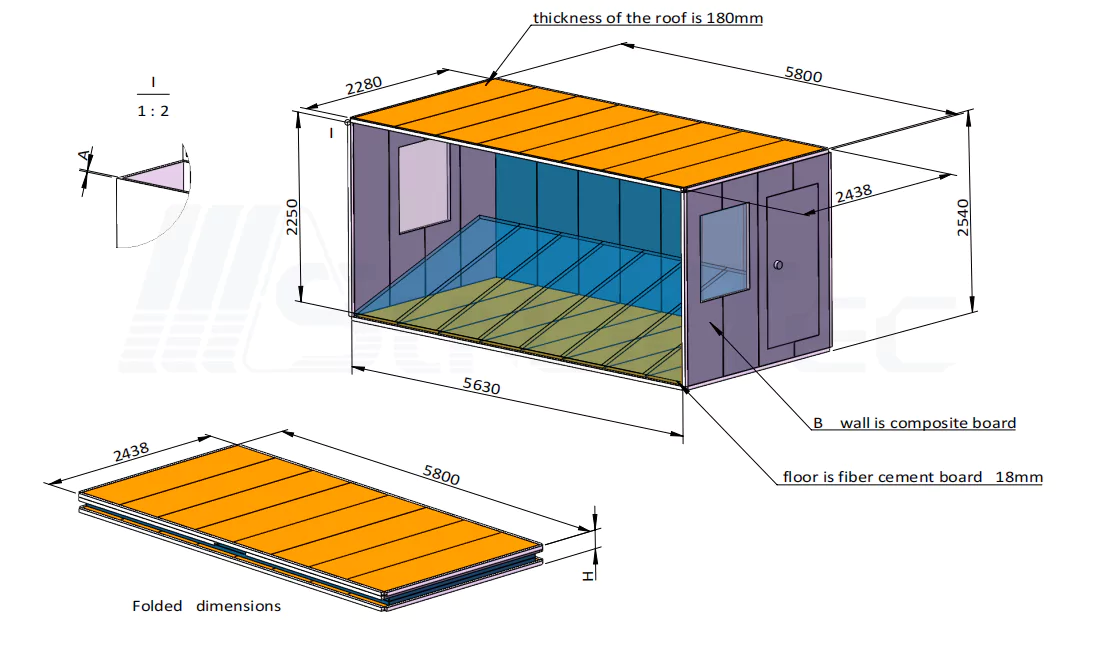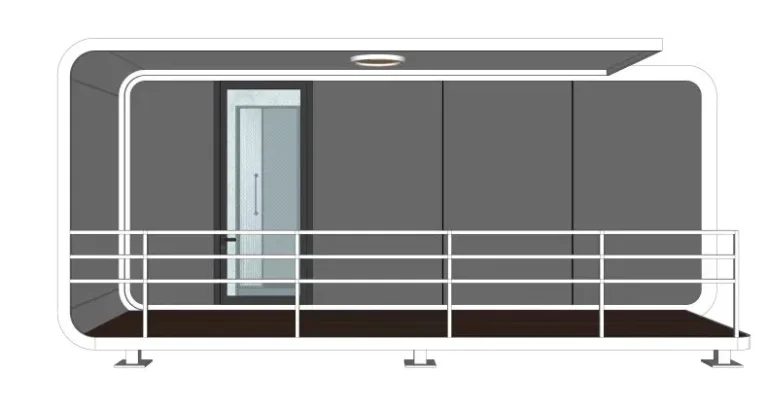
After sending the same project requirements to several modular building suppliers, many buyers notice that the quotation gap can be larger than expected. The difference is usually not caused by the appearance of the building, but by the details behind each offer.
In overseas projects, one supplier may provide an EXW price covering factory production only, while another quotation may include additional specifications, technical drawings, export preparation, or project support. Without checking the quotation scope carefully, it is difficult to judge whether a lower price actually represents a lower project cost.
The real commercial container house cost is connected with the application, building size, customization level, material selection, shipping terms, and installation requirements.
From a manufacturer’s perspective, most quotation misunderstandings happen when buyers compare different scopes instead of comparing the same specifications. Confirming project details before production helps reduce unexpected changes later.
Sunlit Tec ofrece customized modular container house solutions for international commercial projects, including container offices, accommodation buildings, and other commercial modular applications.
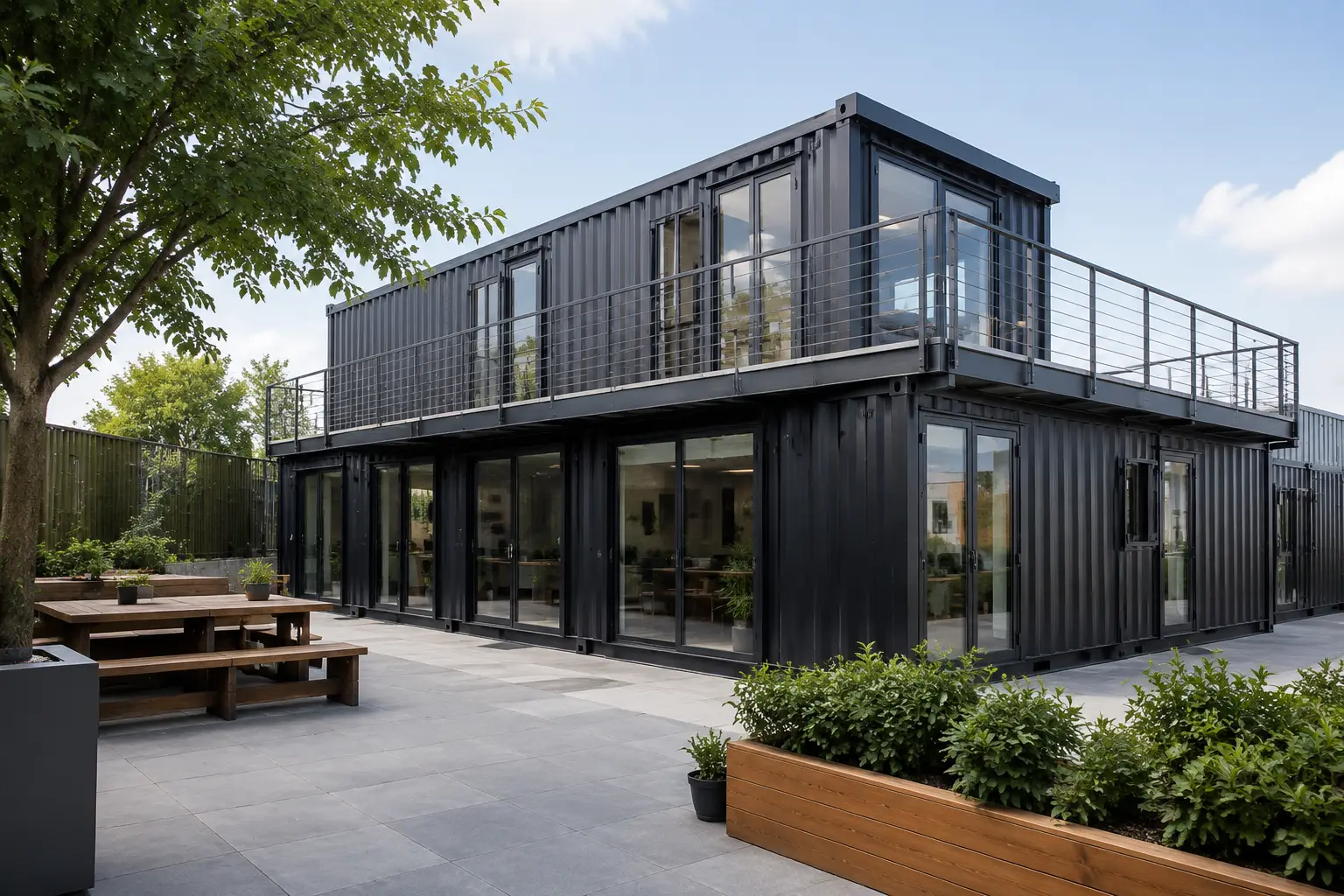
Why Commercial Container House Quotations Are Different
A commercial modular building is usually not priced as a fixed product. The quotation is prepared according to the actual project requirements.
Before preparing a quotation, suppliers normally review:
- Project application
- Building dimensions
- Quantity requirements
- Layout design
- Material specifications
- Installation conditions
- Delivery location
A container office, a worker accommodation project, and a hospitality building may use similar modular structures, but their requirements are different.
For example, an accommodation building may require more internal partitions, bathrooms, insulation systems, and daily-use facilities. A temporary office may focus more on practical workspace and faster installation.
This is why a detailed project brief is important before calculating the final container house cost.
What Buyers Should Check in a Supplier Quotation
During quotation review, commercial buyers usually check more than the total price.
Important documents and details include:
| Item | Por qué importa |
| Specification sheet | Confirms materials and included functions |
| Technical drawings | Ensures the design matches project requirements |
| BOM (Bill of Materials) | Shows major components included |
| Production schedule | Helps plan project delivery |
| Installation requirements | Avoids problems after shipment |
Buyers should also confirm whether the quotation is based on EXW price, FOB quotation, or another trade term.
For example, an EXW offer normally focuses on factory-side production, while an FOB quotation may include export arrangements before shipment.
Clear confirmation at this stage helps both buyers and suppliers avoid misunderstandings.
Why the Lowest Price May Not Be the Lowest Project Cost
In commercial construction projects, the lowest quotation is not always the most economical choice.
Price differences often come from:
- Different material standards
- Different insulation requirements
- Different interior specifications
- Different service scope
- Different shipping arrangements
A lower offer may look attractive at the beginning but may require additional upgrades later.
For international buyers, comparing specification details is usually more valuable than comparing only the final amount.
Project Requirements That Shape Commercial Container House Cost
Application, Size, and Quantity
The intended use of the building directly affects the budget.
Common commercial applications include:
- oficinas en contenedores
- Accommodation facilities
- Retail spaces
- Resort units
- Construction site buildings
A small office project and a large accommodation project may use similar modular concepts, but the internal design and required systems can be completely different.
For larger projects, factors such as quantity, transportation planning, and installation methods also influence the final investment.
Layout Design and Customization
Many commercial buyers require customized solutions instead of standard units.
Customization may include:
- Different floor plans
- Connected modular units
- Additional doors and windows
- Customized exterior appearance
- Special functional areas
A customized modular container house allows businesses to create spaces that match their operational needs.
For projects requiring more usable space, solutions such as multi-unit layouts or two-story container buildings can provide additional capacity while maintaining the advantages of modular construction.
Product Specifications Included in a Commercial Container House Quotation
Structure, Insulation, and Material Selection
When selecting a casa de contenedores manufacturer, buyers usually evaluate more than the external design.
Important considerations include:
- Steel structure system
- rendimiento del aislamiento
- Material durability
- Manufacturing process
- Quality control procedures
Different locations may require different specifications.
For example, buildings installed in colder regions may need stronger insulation systems, while hospitality projects may require higher interior finishing standards.
Interior Systems and Commercial Requirements
Commercial modular buildings often require additional functional systems.
Depending on the application, requirements may include:
- Electrical systems
- Plumbing systems
- Iluminación
- Piso
- Interior partitions
- Equipment integration
A prefab container building designed for long-term business use usually requires more detailed planning than a temporary structure.
Before production approval, buyers should confirm which items are included and which are optional.
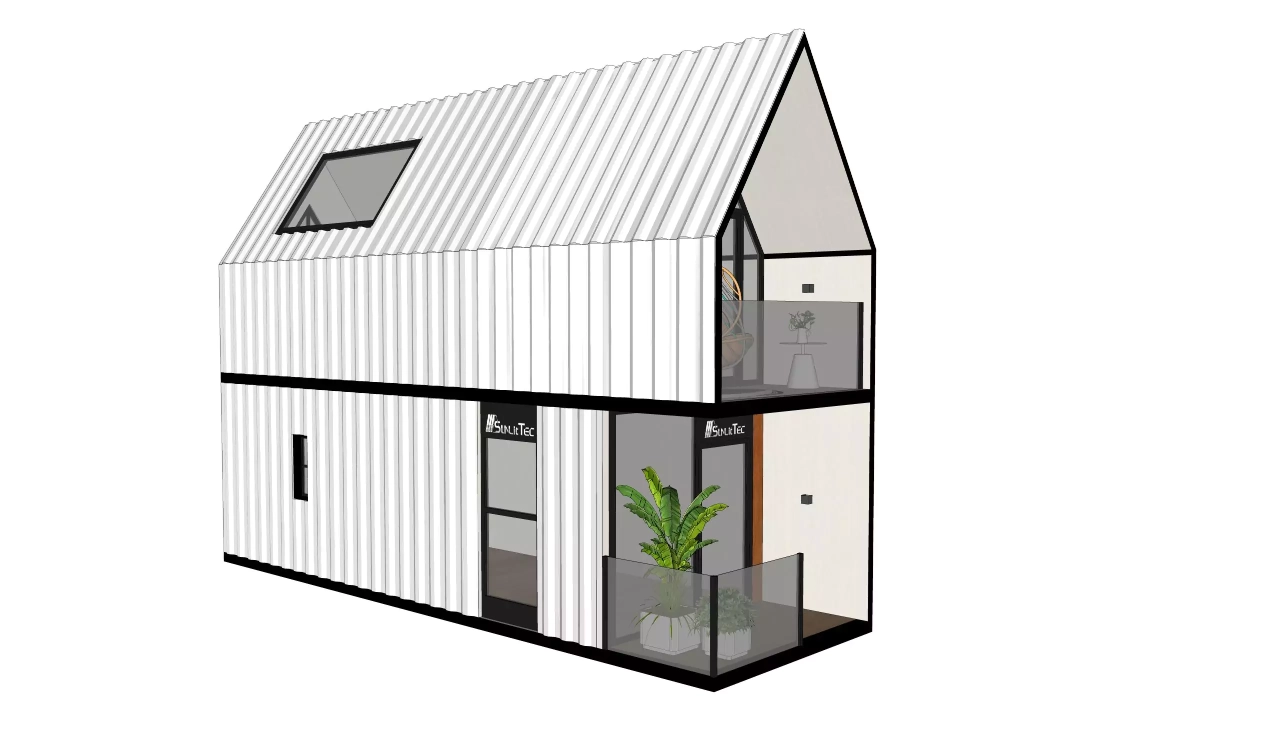
International Purchasing Costs Beyond Factory Price
EXW, FOB, Shipping and Delivery Timeline
For overseas projects, factory production is only part of the total investment.
The complete budget may also involve:
- Export packing
- Ocean shipping
- Port handling
- Local transportation
- Installation preparation
Different trade terms create different responsibilities between suppliers and buyers.
Confirming shipping terms and delivery timelines early helps create a more realistic project plan.
Technical Drawings, BOM and Production Schedule
Before manufacturing starts, commercial projects normally go through several confirmation steps:
- Requirement review
- Technical drawing approval
- Specification confirmation
- Production arrangement
- Shipping preparation
For customized projects, communication quality can directly affect delivery efficiency.
A professional container house supplier should be able to provide clear information throughout the process, including drawings, production updates, and installation guidance.
How to Select a Reliable Container House Manufacturer
Factory Capability and Quality Control
Choosing a supplier is not only about finding the lowest quotation.
A reliable container house manufacturer should have:
- Stable production capability
- Experience with overseas projects
- Customization ability
- Quality inspection procedures
- Project communication experience
These factors are especially important for commercial projects involving multiple units or customized designs.
Communication During International Projects
Successful modular projects usually require cooperation through every stage:
- Design discussion
- Drawing confirmation
- Production tracking
- Shipping coordination
- Installation preparation
Sunlit Tec supports global customers with customized modular building solutions, helping businesses develop suitable solutions for offices, accommodation facilities, and other commercial applications.
Conclusión
The final commercial container house cost is determined by much more than the factory quotation. For developers comparing different construction methods, a deeper cost analysis between modular container solutions and traditional construction can provide additional project insights. Building application, project size, customization requirements, material specifications, shipping terms, and installation planning all influence the total investment.
For companies preparing a modular construction project, reviewing the quotation scope and technical details before production is one of the most important steps. A suitable supplier should provide clear specifications, reliable manufacturing, and effective project communication.
Sunlit Tec develops customized modular container house solutions for different commercial applications. By sharing project information such as location, application, quantity, layout requirements, and expected specifications, buyers can receive a more accurate quotation and a practical modular building proposal.
Preguntas frecuentes
Q1: What information should buyers prepare before requesting a commercial container house quotation?
R: Buyers should provide project location, application type, building size, quantity, layout requirements, and expected specifications. These details help suppliers prepare a more accurate quotation.
Q2: Why are quotations from different container house suppliers so different?
R: Price differences usually come from different materials, quotation scope, customization requirements, shipping terms, and included services. Reviewing specifications and included items is more reliable than comparing only the final price.
Q3: What is included in an EXW or FOB container house quotation?
R: An EXW quotation usually focuses on factory-side production costs, while an FOB quotation may include export-related arrangements before shipment. Buyers should confirm the exact scope with the supplier.
Q4: How long does a modular container house project take from design approval to delivery?
R: The timeline depends on project size, customization level, drawing confirmation, production schedule, and shipping conditions. Larger projects usually require more coordination before delivery.
Q5: How can buyers evaluate a container house manufacturer for an overseas project?
R: Buyers should review factory capability, customization experience, quality control, communication process, international project experience, and the supplier’s ability to support the complete purchasing process.