A message asking for “the price of a capsule house” is enough to start a conversation, but it is rarely enough to produce a quotation that a resort developer can use. Model, quantity, room configuration, destination, utilities and delivery scope all change what sits behind the number. If those details are missing, two supplier offers may look similar while covering very different work.
A capsule house RFQ does not need to solve every design question. It should separate confirmed requirements from preferences and open items. That gives the supplier a fair basis for recommending a model, pricing options and stating exclusions. It also cuts down the long email chain that usually follows a one-line price request.
Begin With the Project, Not the Product Code
Describe what the property is trying to create. A ten-unit couples’ retreat has a different brief from a family resort, a roadside hotel or a pilot cabin for an existing campsite. State the intended use, project country, approximate site location, expected number of units and target operating stage.
Guest information matters. Note the expected occupancy per unit, typical length of stay, bed arrangement, bathroom needs, storage expectations and whether cooking facilities are required. For hospitality projects, it is also useful to mention the planned room categories: standard room, premium view room, family unit or accessible unit, for example. The names are less important than the practical differences.
If the project is early, say so. A budget enquiry, sample order and purchase-ready RFQ need different levels of drawing and commercial detail. Marking the stage helps Sunlit Tec respond with the right amount of technical work.
Give the Supplier a Model and Quantity Basis
El Gama de productos Sunlit Tec offers several footprints. An RFQ can name a preferred model, or it can describe the required capacity and ask for a recommendation.
Verified examples show why a clear basis matters:
- El D3 small space capsulehas a published building area of 18 m², capacity for two people, total power consumption of 10 kW and net weight of 6 tons.
- El E1 fully enclosed space capsuleis listed at 28 m² for two people, with 8 kW total power consumption and a 6.5-ton net weight.
- El E2 space capsuleis 38 m² for two to four people, with 8 kW total power consumption and an 8.5-ton net weight.
- El X7 space capsuleis also 38 m² for two to four people. Its published total power consumption is 10 kW and its net weight is 9 tons.
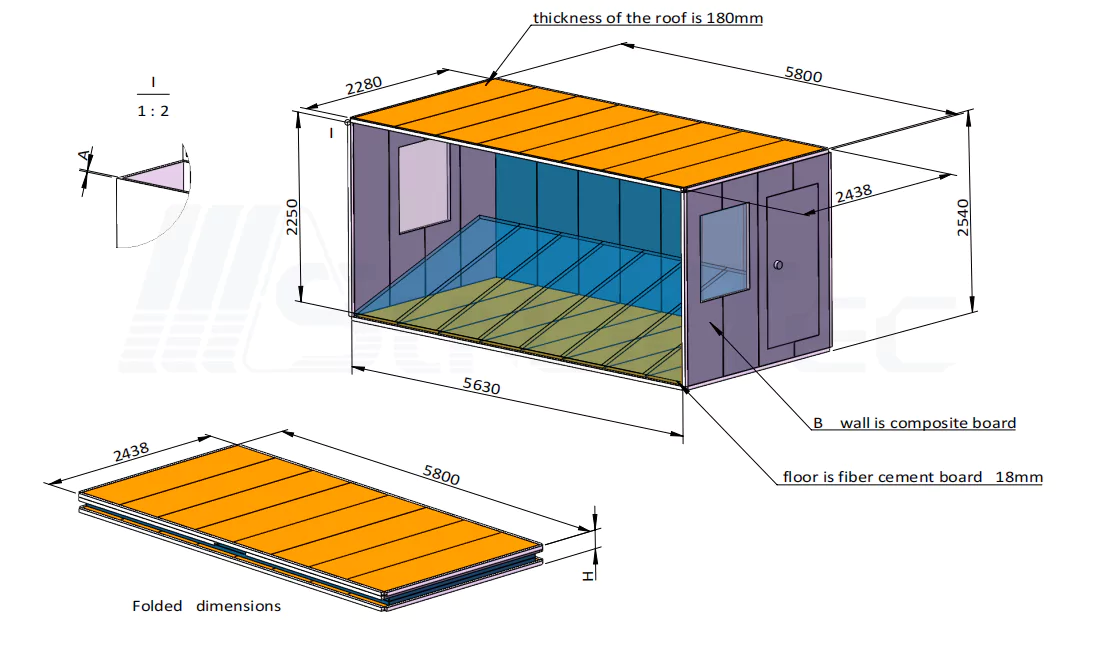
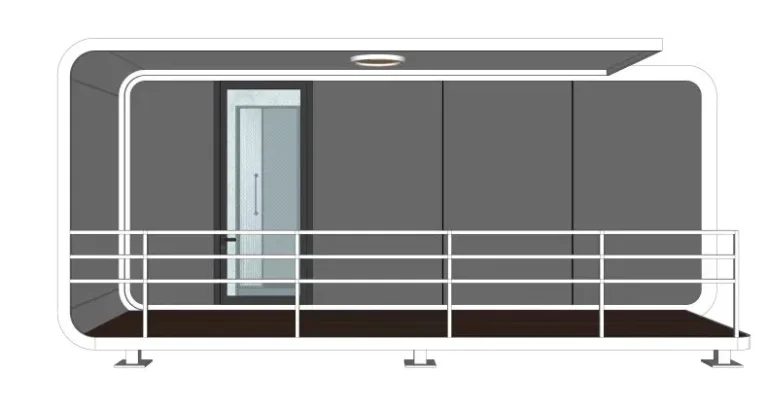
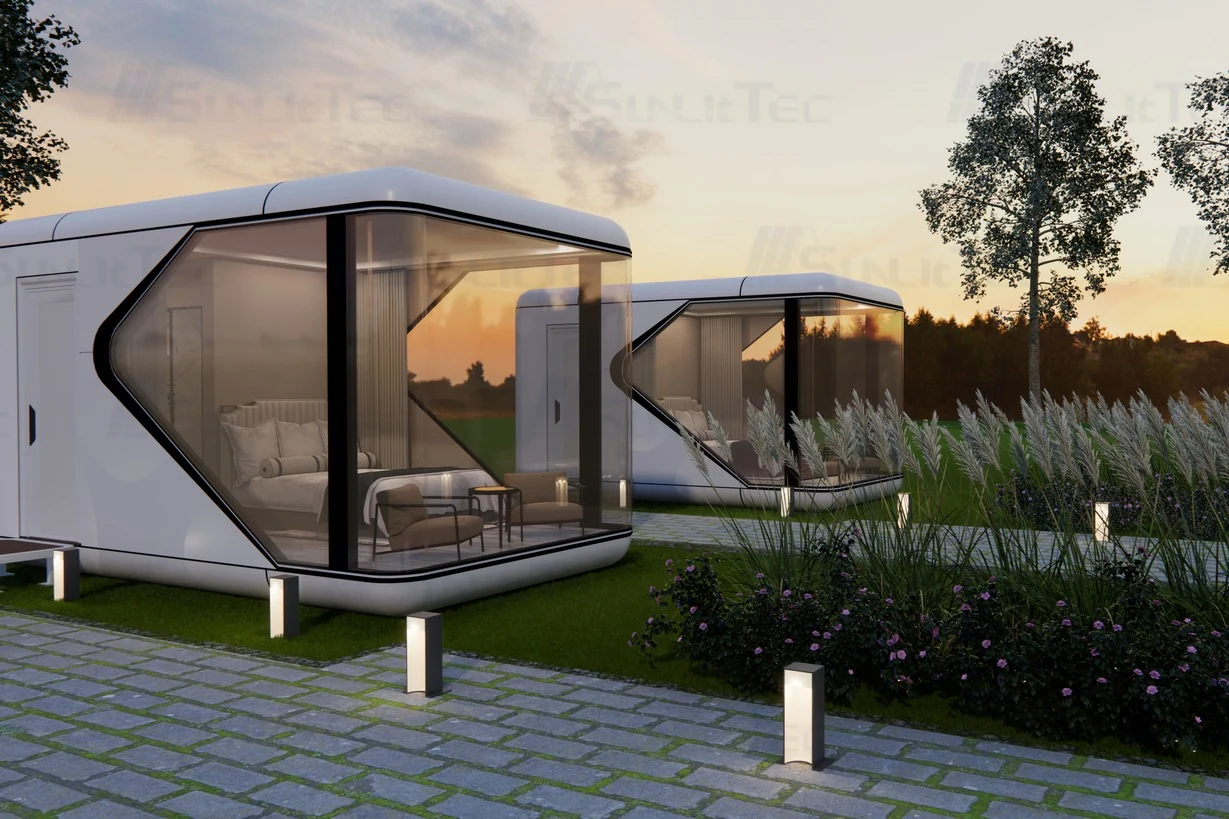
These are planning references, not interchangeable room types. Glazing, balcony treatment, internal arrangement and selected equipment differ. State the quantity by model if known. If not, give the total room count and ask the supplier to show a recommended mix plus alternates.
For a multi-phase resort, identify the pilot quantity and the later potential quantity separately. That prevents a first-stage quotation from being mistaken for a commitment to the full rollout.
Separate Required, Preferred and Optional Features
Long feature lists often create confusion because the supplier cannot tell what is essential. Divide the configuration into four groups.
- Required: items without which the offer will not be accepted, such as a private bathroom, a stated bed arrangement or a destination electrical standard.
- Preferred: items wanted where practical, such as a particular glazing direction, storage arrangement or finish family.
- Optional: upgrades that should be priced separately, such as smart controls, electric curtains, floor heating, furniture packages or audiovisual equipment.
- Supplier proposal: areas where Sunlit Tec may recommend a model, material or layout based on the site and operating plan.
This simple division makes quotation comparisons cleaner. It also reduces the risk that an optional item is included by one bidder and excluded by another.
For each room type, describe the bathroom, sleeping, living and storage needs in plain language. Attach sketches, hotel brand standards or reference images if they exist. Do not assume that a catalog rendering confirms every internal dimension. Request the current plan and mark any critical clearance, door swing or equipment position for review before production.
Provide Site, Climate and Access Information
The supplier needs more than a destination port. Give the project address or coordinates, terrain, elevation if relevant, general climate and any coastal, high-humidity, cold-weather or dusty exposure that may affect the configuration. Known local design criteria and document requirements should be listed, with the source identified.
Add the available site plan and route information. Road width, tight turns, slopes, bridge limits, overhead cables and the proposed unloading area can affect transport and installation planning. If measurements are not ready, provide current photos and video, then label route verification as an open action.
Ground conditions, drainage and foundation responsibility also belong in the RFQ. The supplier can identify unit support interfaces and available product information. The project’s local engineer should confirm the final foundation and anchoring solution for the site.

Describe Power, Water, Drainage and Equipment Loads
List the site power supply: voltage, frequency, phase and any project standard for distribution or protective devices. Published model consumption helps early planning, but options such as water heating, floor heating, kitchen appliances and added HVAC equipment may change the final schedule.
For water, state the available source and pressure where known. Explain how wastewater will be handled, whether through a sewer, septic system or another locally approved arrangement. Ask the quotation to identify the unit connection points and any site work excluded from supply.
Resort operations may add loads that are not part of the capsule. Exterior lighting, hot tubs, EV charging, laundry, kitchen services and landscape pumps should not be hidden inside a room-unit assumption. A site electrical and hydraulic plan should account for them separately.
Request a Written Scope Matrix
A useful quotation shows what is included, what is optional and what remains the buyer’s responsibility. Ask for a scope matrix covering the structure, exterior panels, insulation, doors and glazing, internal finishes, bathroom fixtures, electrical system, plumbing interfaces, HVAC, controls, furniture, appliances, loose accessories and spare parts.
For each main package, the response should identify:
- the proposed product or material basis;
- included quantity and configuration;
- optional alternatives and price effect;
- buyer or local-contractor work;
- information still required; and
- explicit exclusions.
This is more valuable than a long brochure description. It turns the offer into something the design, procurement and site teams can review together.
Ask for the Right Drawings and Records
Not every document is available at first enquiry, so divide the requested documents by stage. With the quotation, ask for the model data sheet, overall dimensions, weight, preliminary layout, main material description, indicative support and utility interfaces, option schedule and available compliance or test records relevant to the proposed unit.
After award and before production, the project may need approved general arrangement drawings, finish schedules, equipment lists, electrical information, plumbing connection details, support or foundation interfaces, lifting information and packing data. Installation guidance, operation information and spare-parts records may follow at the agreed handover stage.
When a certificate is requested, define what must be shown: product or component, issuing body, standard, date and scope. A generic badge should not be treated as proof for every model, configuration or destination.
Make Delivery and Installation Boundaries Visible
Ask the supplier to state the delivery basis and named place clearly. Identify whether freight, destination charges, customs work, inland transport, unloading, crane placement, foundations, utility connections, commissioning and local permits are included or excluded.
These items are often handled by different parties. The quotation should name the responsibility instead of leaving a blank. Sunlit Tec’s guide to space capsule shipping and installation cost provides useful background, while the RFQ should capture the terms for the actual destination.
Also request the assumed production window, quotation validity, payment milestones and the information needed before scheduling can begin. Treat these as proposed commercial terms until the final contract is agreed.
Include an Assumptions and Deviations Page
Every supplier response should collect assumptions, exclusions, deviations and open questions in one place. Important exceptions should not be scattered across emails or drawing notes.
If Sunlit Tec proposes an alternative model or configuration, ask for the reason and its effect on dimensions, occupancy, utilities, delivery, price and schedule. That makes the alternative easier to judge on its merits.
Version control helps as the brief changes. Give the RFQ a date or revision number. When the quantity, room mix or options change, request a revised offer with the same reference rather than editing totals informally.
Preguntas frecuentes
Can a resort request a quote without choosing a capsule model?
Yes. Provide the use, unit quantity, guest capacity, room requirements, location, site conditions and priorities. Sunlit Tec can then recommend suitable models and show alternatives. Mark the selection as preliminary until drawings and scope are reviewed.
Should a budget be included in the RFQ?
A target range can help the supplier separate essential scope from optional upgrades. If the budget is confidential, request a base configuration and separately priced options instead. The quotation still needs a clear delivery and installation boundary.
What site files are useful at the first stage?
A location pin, basic site plan, access photos or video, terrain notes, available utility information and known local requirements are a useful start. Formal surveys and engineering can follow when the project advances.
How can quotations from different capsule suppliers be compared?
Issue the same brief and return schedule to each bidder. Compare model data, inclusions, exclusions, documentation, delivery basis, installation responsibilities, payment exposure and assumptions, not only the headline unit price.
What information is most likely to change the quote?
Model and quantity, configuration, destination, shipping form, electrical standard, furniture and appliances, delivery terms, site access, documentation requirements and installation support can all affect the offer.
Send a Quote-Ready Project Brief
Prepare the project use, country and site, unit quantity, occupancy, preferred models, required features, utilities, access information, target timing and required delivery scope. Unknown details can stay on an open-item list. Send the brief through the Página de contacto de Sunlit Tec. A structured enquiry gives the technical and sales teams enough context to respond with a project-specific proposal instead of a price that depends on hidden assumptions.