مقدمة
يشهد قطاع البناء العالمي تطوراً سريعاً هذه الأيام. ففي عام 2026، أصبحت الاستدامة ضرورة أساسية للشركات وليست مجرد مهمة إضافية. وتعيد الشركات الآن النظر في أساليب البناء لزيادة السرعة وتقليل التلوث وتعزيز الكفاءة. ويُعدّ البناء المعياري وأساليب بناء المنازل الجاهزة محور هذا التغيير. ويسعى المطورون والمستثمرون إلى تقليل البصمة الكربونية مع الحفاظ على سرعة المشاريع وقابليتها للتكيف.
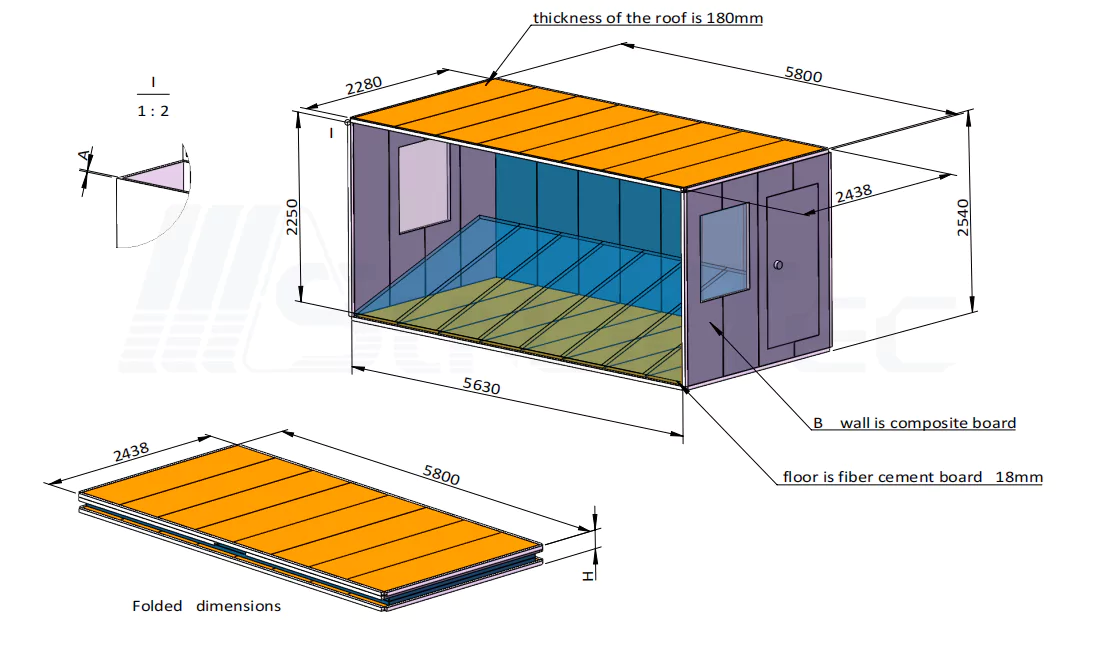
صنلايت تيك تلبي المنازل المُعبأة في حاويات الشحن هذه الحاجة، إذ تجمع بين كفاءة البناء المعياري والتصميم الصديق للبيئة. وتُعدّ هذه الوحدات مثالية للمواقع منخفضة الكربون، والمتاجر، والفنادق، والأماكن العامة. تُصنع هذه المنازل في مصانع مُراقبة، وتحتاج إلى وقت أقل في الموقع، وتُقلل من تأثيرها على التربة، وتتكيف مع مرور الوقت. تُساعد هذه الميزات عملاء الشركات الذين يبحثون عن نتائج مستدامة.
لماذا تحتاج مشاريع البناء منخفضة الكربون إلى حلول بناء أكثر عملية؟
ضغط الكربون يُغيّر قرارات البناء
لم يعد مفهوم البناء منخفض الكربون مجرد ادعاءات. فالحكومات المحلية وأصحاب المنتجعات والمستثمرون يقيمون المشاريع بناءً على أرقام حقيقية. ينظرون إلى مصادر المواد، وكمية النفايات، واستهلاك الطاقة، ومدى متانة المبنى. وتدفع قوانين الانبعاثات شركات البناء نحو استخدام أساليب البناء المعيارية التي تجمع بين مراعاة البيئة وسهولة الاستخدام اليومي.
يؤدي البناء التقليدي إلى مزيد من عدم اليقين في الموقع
غالباً ما تُسبب أساليب البناء التقليدية مفاجآت غير متوقعة. فقد يُعيق الطقس العمل، وتختلف جودة المواد، وقد يُعاني العمال من نقص في الأيدي العاملة، وتتراكم النفايات. تُصعّب هذه العوامل الالتزام بالجداول الزمنية والتكاليف. أما البناء المعياري، فينقل معظم المهام إلى المصانع حيث تبقى الظروف ثابتة والنتائج متسقة. تتبع المساكن الجاهزة المصنوعة من الفولاذ الخفيف مخططات محددة. تتشكل الأجزاء في المصنع، ثم تُنقل إلى الموقع، وتُركّب معاً كقطع البناء. يُنجز العمل بسرعة، ويُقلل النفايات، ويُوفر الطاقة. وينطبق المبدأ نفسه على منازل الحاويات. فهي تُنجز أسرع وتُخلف فوضى أقل.
يحتاج مشترو الشركات إلى الاستدامة وكفاءة التوصيل معًا
يرغب المشترون العاملون في مجال الأعمال في تحقيق نتائج مستدامة وضمان تسليم موثوق. يحتاج مديرو الفنادق وشركات الخدمات اللوجستية إلى أكثر من مجرد علامة تجارية. فهم يريدون مواعيد واضحة للتأسيس، وإمكانية التوسع لاحقًا، وتكاليف ثابتة، وافتتاحات أسرع تُدرّ دخلاً عاجلاً.
كيف تدعم المنازل الجاهزة المصنوعة من الحاويات البناء المستدام؟
يساهم الإنتاج الخاضع لسيطرة المصنع في تقليل النفايات في الموقع
يستفيد البناء المعياري بشكل كبير من إنجاز الأعمال خارج موقع البناء. تتبع معظم المنازل المتنقلة تصميمًا معياريًا، حيث يعمل كل قسم كوحدة منفصلة. يقوم المصنع بتصنيع القطع، ثم يشحنها لتجميعها بسرعة في الموقع. هذا يقلل من أخطاء القطع في الموقع ويضمن استخدامًا أفضل للمواد.
يمكن أن يقلل التركيب الأقصر من الإزعاج في الموقع
بيوت الحاويات يُساهم الحد من الضوضاء والغبار في الموقع في تحقيق نتائج أفضل. تستفيد المشاريع في الحدائق أو الشوارع المزدحمة من إنجاز العمل في عدد أقل من الأيام. تعني عملية التصنيع المسبق في المصنع أن فرق العمل تحتاج فقط إلى تجميع وتكديس الوحدات - مثل المباني المكونة من طابقين - في الموقع بسرعة. يبقى العمل بسيطًا وينتهي بشكل أسرع. يحمي هذا النهج البيئة المحيطة ويُتيح بدء العمل في وقت أقرب.
تدعم الوحدات المعيارية إعادة الاستخدام والنقل
تدوم القيمة البيئية لفترة أطول عندما تكون الوحدات قابلة للنقل. وتأتي سهولة الشحن والتفكيك من التصميم المعياري. تُنقل المنازل وتُركّب بسهولة. يمكن للمالكين تفكيكها وإعادة تركيبها حسب الحاجة. منازل حاويات صن لايت تيك قابلة للنقل أو التغيير مع نمو المشاريع أو تغيير مسارها. وهذا مناسب للإسكان المؤقت أو العمل الذي يُنفذ على مراحل.
منازل حاويات Sunlit Tec لتطبيقات B2B منخفضة الكربون
منازل حاويات للمساحات التجارية
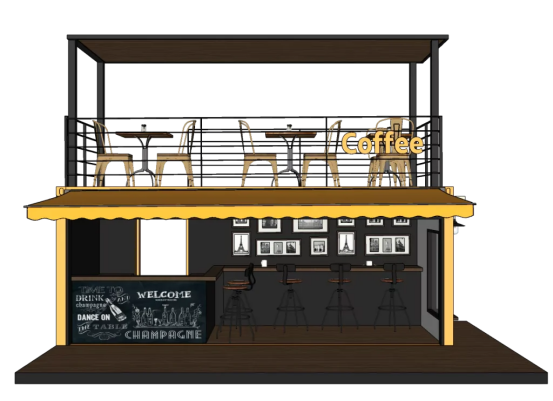
تُناسب موديلات Sunlit Tec العديد من الاستخدامات التجارية، مثل المحلات التجارية القريبة من المواقع السياحية. المقاهي على طول الساحلتُعدّ الأكشاك المؤقتة في الفعاليات ونقاط الخدمة في المناطق الصناعية خيارات مثالية. يسمح شكلها بوضع علامات تجارية مخصصة مع الحفاظ على متانة هيكلها.
منازل حاويات لمشاريع الضيافة والسياحة
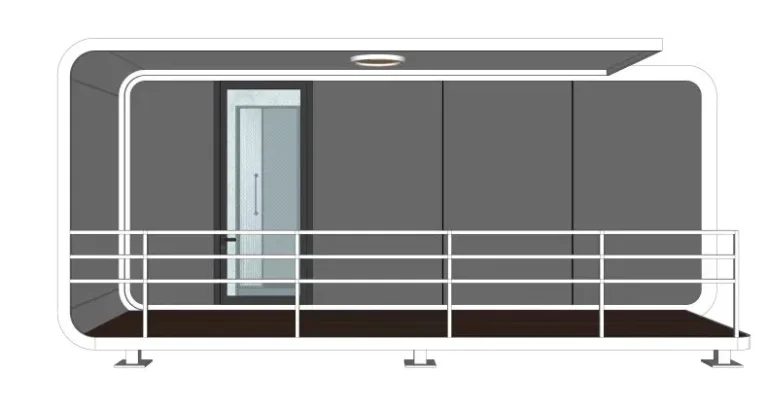
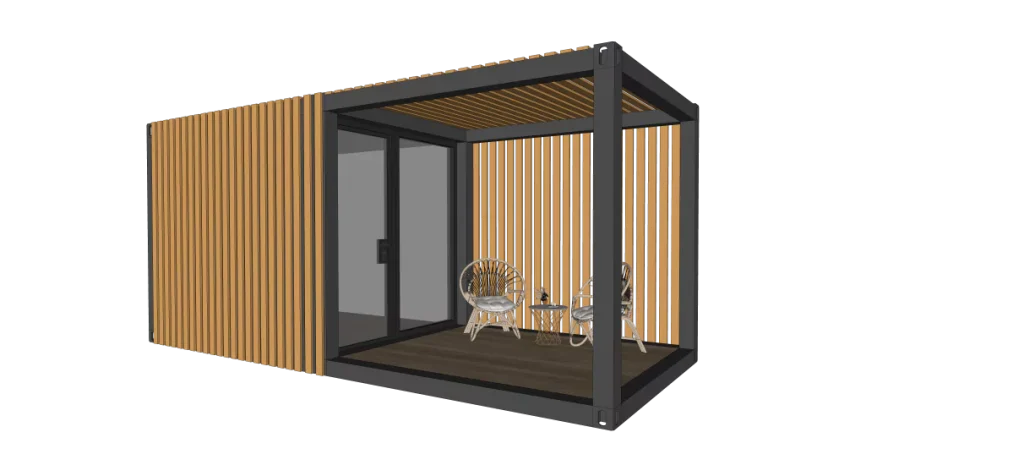
يبحث مطورو الفنادق عن خيارات جاهزة تجمع بين المظهر الجذاب والوظائف العملية. توفر شركة صن لايت تيك وحدات مزودة بشرفات أو تراسات. تناسب هذه الوحدات المنتجعات البيئية أو مواقع التخييم الفاخرة حيث يجب الحفاظ على الطبيعة البكر مع توفير الراحة للنزلاء.
منازل حاويات للمشاريع المجتمعية والعامة
تُلبّي المنازل المُعبأة في حاويات الشحن احتياجات عامة أيضاً. فهي تُستخدم كمكاتب أثناء أعمال الطرق، ومساكن للعمال في المواقع البعيدة، وملاجئ بعد العواصف، أو فصول دراسية في المناطق الريفية. وتُسهّل طبيعتها القابلة للنقل عملية النقل السريع عندما يكون ذلك ضرورياً.
ميزات المنتج المهمة في المشاريع المعيارية منخفضة الكربون
| ميزة | الفوائد |
| تصميمات قابلة للتخصيص | تصاميم قابلة للتكيف تناسب ظروف الأراضي المتنوعة |
| تصميم متعدد الطبقات | يُحسّن استخدام المساحة الرأسية إلى أقصى حد |
| الهياكل القابلة للتوسيع | استثمار قابل للتوسع بمرور الوقت |
| مواد متينة | مناسب للاستخدام التجاري الخارجي |
تصاميم قابلة للتخصيص لتناسب مختلف ظروف الأراضي
يواجه كل مشروع من مشاريع الأعمال التجارية بين الشركات قيودًا خاصة بالمساحة أو قواعد تخطيطية. تتميز منازل حاويات Sunlit Tec بإمكانية تعديل الطول والعرض والارتفاع، بالإضافة إلى إضافة شرفات أو تراسات. وتتوافق هذه التعديلات مع الاحتياجات الدقيقة للمشروع.
تصميم متعدد الطبقات لتحسين كفاءة استخدام الأراضي
تتيح التصاميم المكونة من طابقين للشركات الاستفادة من المساحة الرأسية عندما تكون المساحة الأرضية محدودة. وهذا يساعد المنتجعات والمناطق التجارية المزدحمة على الحفاظ على تصميمات عملية ومدمجة في الوقت نفسه.
هياكل قابلة للتوسيع والنقل لاستثمار مرن
تدعم الوحدات القابلة للتوسيع النمو على مراحل. يبدأ المشترون بمجموعة صغيرة عند ظهور الطلب لأول مرة، ثم يضيفون المزيد لاحقًا دون الحاجة إلى البدء من جديد.
تصميم عملي للاستخدام الخارجي والتجاري
لا تقلّ المتانة أهمية عن المظهر. تُضيف شركة Sunlit Tec عزلًا حراريًا مناسبًا لمختلف المناخات، وطبقات مقاومة للماء، وهياكل مقاومة للصدأ، وهياكل تتحمل الرياح. هذه التفاصيل تضمن استخدامًا طويل الأمد على أنواع مختلفة من الأراضي.
منازل حاويات معيارية مستدامة مقابل مبانٍ صديقة للبيئة عامة
مفاهيم صديقة للبيئة أكثر تحديدًا من المفاهيم العامة
تبقى العديد من النقاشات حول البناء الأخضر عامة. لكن حاويات "صن لايت تيك" المعيارية تحوّل الأفكار إلى نتائج ملموسة. ينخفض معدل الهدر لكل متر مربع. وتُنجز أعمال الموقع بشكل أسرع، مما يقلل الانبعاثات الناتجة عن فترات البناء الطويلة.
سهولة التواصل مع قرارات الشراء
تتولى فرق المشتريات تتبع الأرقام، حيث تقارن تكلفة المتر المربع، وكفاءة النقل، وفترات الصيانة. وتوفر الأنظمة المعيارية أرقامًا أكثر استقرارًا لأن العمل في المصنع يتحكم في كل خطوة.
ملاءمة أفضل لسيناريوهات المشاريع سريعة التغير
تتغير الأسواق بسرعة. تزدهر مواسم السياحة وتتراجع. تظهر الفعاليات فجأة. يتيح نظام التقسيم المعياري للمشترين شحن الوحدات بكميات كبيرة وتقسيمها حسب الأقسام. تبقى عمليات النقل والتركيب مرنة وتتلاءم مع احتياجات الموقع الجديدة.
اعتبارات أساسية للمشتري قبل اختيار منزل حاويات الشحن
تجهيز الموقع والامتثال المحلي
قبل تقديم الطلب، ينبغي على المشترين التحقق من عدة نقاط. فهم يراجعون متانة الأرض، ويحصلون على التصاريح اللازمة، ويقيسون ارتفاع الطريق للنقل، ويخططون لتصريف المياه، ويتأكدون من قواعد السلامة من الحرائق. هذه الخطوات تجنّب التكاليف الإضافية والتأخيرات أثناء التسليم.
أداء المواد والطاقة
يتحقق المشترون من عمق العزل الحراري مقارنةً بدرجات الحرارة المحلية. كما يراجعون أنواع زجاج النوافذ، والأغشية العازلة للماء، والتجهيزات الكهربائية المتوافقة مع شبكة الكهرباء المحلية. كل هذه العوامل تدعم الاستخدام اليومي منخفض الكربون.
التخصيص ومطابقة المشاريع
يعتمد النموذج الأمثل على مدى تكرار استخدام المساحة وعدد السنوات التي يجب أن تدوم فيها. فحركة البيع بالتجزئة اليومية أو الإقامة الموسمية تتطلب خيارات مختلفة.
لماذا تُعدّ شركة Sunlit Tec مناسبة لمشاريع الحاويات المعيارية المستدامة؟
نماذج متعددة لمنازل الحاويات
تُقدّم شركة Sunlit Tec تشكيلة واسعة من التصاميم. بعضها يُستخدم كوحدات تجارية، وبعضها الآخر كمقاهٍ ذات طابقين مع تراسات، وبعضها كوحدات مكتبية. وتُلبي هذه التشكيلة الاحتياجات الثابتة والمؤقتة على حدٍ سواء، وفقًا لأهداف المستثمرين.
التخصيص القائم على السيناريو
تستفيد القطاعات المختلفة من اللمسات المصممة خصيصاً. فالمتاجر والمطاعم تحصل على واجهات تحمل علاماتها التجارية، ومشاريع الضيافة على شرفات واسعة، والمكاتب والمساحات المجتمعية على تصميمات داخلية عملية. هذه الخيارات تتناسب مع أنماط الاستخدام الفعلية بدلاً من القوالب الجاهزة.
الدعم العملي لتخطيط المشاريع
لا تقتصر خدمات شركة Sunlit Tec على الوحدات فحسب، بل تشمل أيضاً تقديم استشارات في تصميم المواقع، وخطط النقل، والإرشادات بعد التركيب. وتساعد هذه الحزمة المتكاملة المشاريع على الانتقال من الفكرة إلى الموقع النهائي.
استنتاج
يوفر البناء المعياري المستدام الآن مساراً واضحاً لتحقيق أهداف خفض الانبعاثات الكربونية في جميع أنحاء العالم. فالسرعة والمرونة معاً تُمكّن المطورين والهيئات العامة من الوصول إلى أهداف خفض الانبعاثات دون إبطاء وتيرة التقدم.
تجمع منازل حاويات Sunlit Tec بين حرية التصميم المعياري وجودة البناء المتينة. تُشير التصاميم المخصصة، وخيارات الطبقات المتعددة، والهياكل القابلة للتوسيع، والتجميع السريع إلى نتائج صديقة للبيئة ومربحة في آن واحد. تُستخدم هذه الوحدات في المنتجعات، والمتاجر، وسكن العمال، والمراكز المجتمعية. اتصل بشركة صن لايت تك اليوم لمعرفة كيف يمكن لهذه الأنظمة أن تتناسب مع العمل القادم المتعلق بخفض الكربون.
أسئلة متكررة
س1: لماذا تعتبر المنازل المصنوعة من الحاويات مناسبة للمشاريع منخفضة الكربون؟
تعتمد المنازل المصنوعة من الحاويات على أساليب البناء المعياري. ويتم إنجاز معظم العمل في المصانع حيث تقل النفايات إلى أدنى حد. ويقل وقت البناء في الموقع، ويمكن نقل الوحدات إلى مواقع جديدة لاحقاً. كل هذه العوامل ترفع من مستوى الأداء البيئي العام.
س2: هل يمكن استخدام منازل حاويات Sunlit Tec في المشاريع التجارية؟
نعم. تظهر هذه الوحدات في المقاهي الشاطئية، وأكشاك المعارض، وغيرها من متاجر البيع بالتجزئة. وتدعم التصاميم القابلة للتعديل عملية التركيب السريع مع الحفاظ على المظهر الجذاب.
س3: هل منازل الحاويات المعيارية مخصصة فقط للمباني المؤقتة؟
لا. مع العزل المناسب، والأساسات المتينة، وتوصيلات المرافق الملائمة، فإنها تستوفي معايير البناء المحلية للاستخدام طويل الأمد. وتضاهي متانتها العديد من المباني التقليدية عند تركيبها بشكل صحيح.
س4: ما الذي يجب على مشتري B2B التحقق منه قبل طلب منزل حاويات؟
يراجع المشترون أعمال الأساسات، والتصاريح، وطرق النقل، والصرف الصحي، وقواعد السلامة من الحرائق، وإمدادات الطاقة. كما ينظرون في تفاصيل العزل والعزل المائي لتتناسب مع الاستخدام اليومي المتوقع.
س5: كيف تختلف منازل حاويات Sunlit Tec عن المنازل الجاهزة القياسية؟
تركز شركة Sunlit Tec على تلبية احتياجات الشركات. تشمل منتجاتها شرفات وتراسات ووحدات قابلة للتوسيع تناسب قطاعات الضيافة والتجزئة والعمل المجتمعي. وهذا يوفر مرونة أكبر في مختلف القطاعات مقارنةً بنماذج الوحدات السكنية الجاهزة التقليدية.