أصبحت الضيافة في الهواء الطلق قطاعًا ناميًا هامًا. شكّلت تجارب التخييم الفاخر 29% من تجارب التخييم في أمريكا الشمالية عام 2025، واختار 31% من المخيمين الجدد هذا النوع من الإقامة. أما بالنسبة لمطوري المنتجعات، فيتمثل السؤال العملي في ما إذا كان ينبغي للمرحلة التالية استخدام وحدات التخييم الفاخرة الجاهزة أو خيام السفاري.
يعتمد الجواب على المناخ، وسهولة الوصول إلى الموقع، وتوقعات النزلاء، والمرافق، وقدرة الصيانة، وسعر الغرفة المستهدف. سعر المنتج مهم، ولكنه ليس سوى بند واحد في الميزانية.
أي نموذج إقامة يناسب المنتجع؟
متى تكون وحدات التخييم الفاخرة الجاهزة خياراً منطقياً
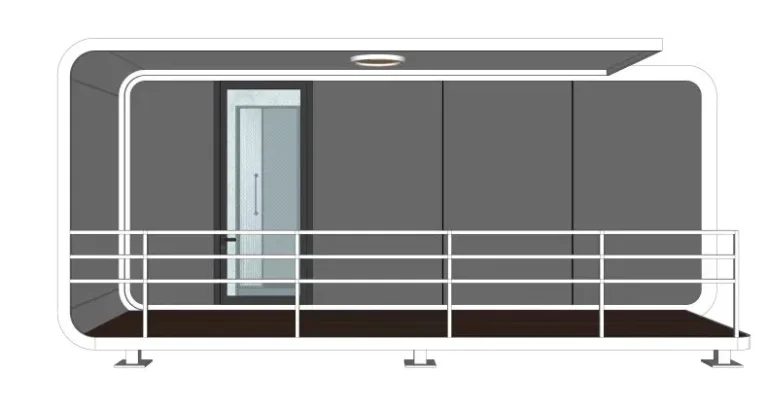
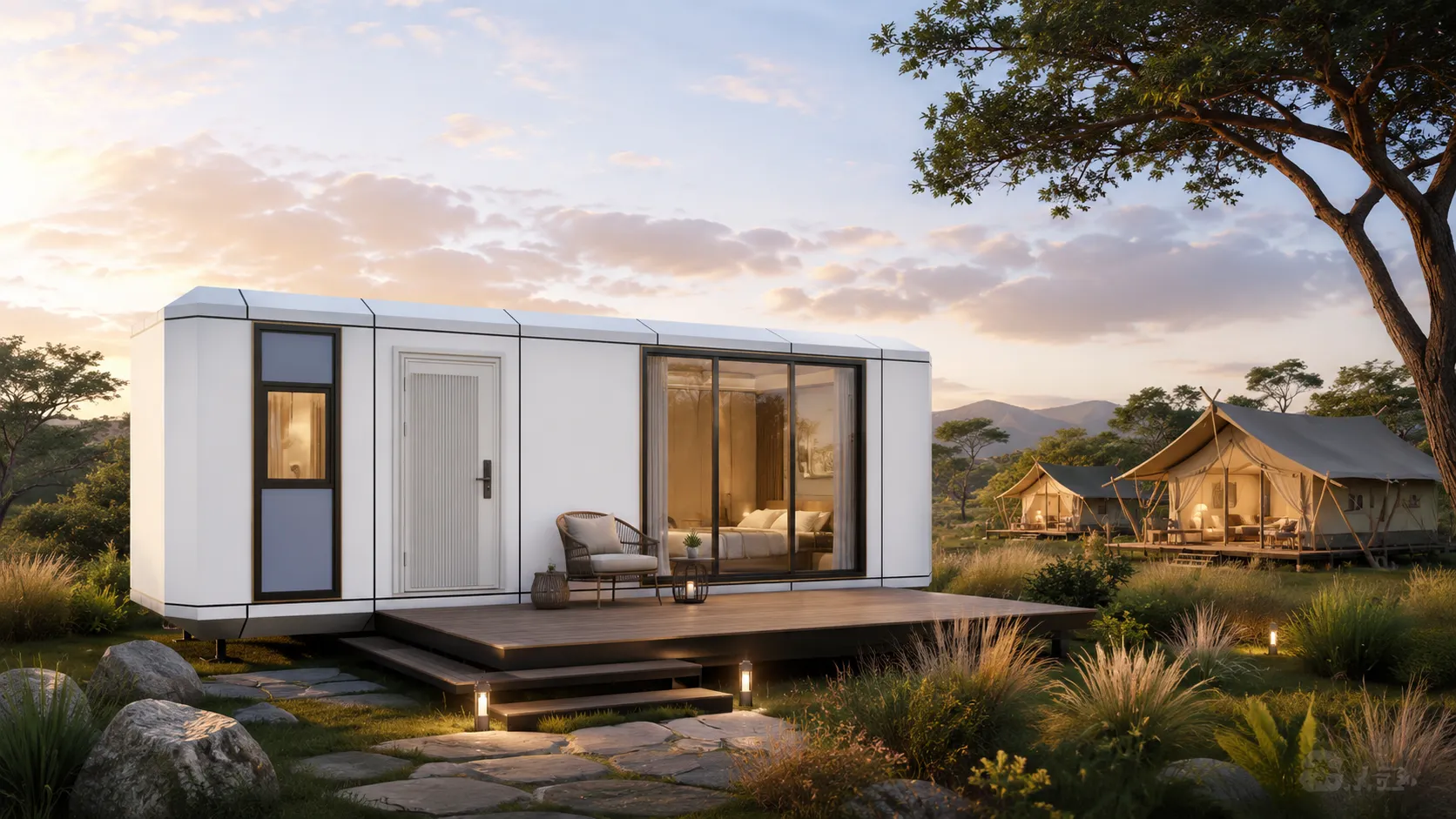
يمكن للوحدات المعيارية الصلبة أن تجمع بين الهيكل الخارجي والنوافذ والتشطيبات والنظام الكهربائي ونظام التحكم في المناخ ومنطقة النوم والحمام في حزمة واحدة مصنعة في المصنع. وهذا يناسب المنتجعات التي تحتاج إلى غرف موحدة ومرافق خاصة وموسم تشغيل أطول.
كما أن مطابقة نقاط المرافق والتجهيزات وإمكانية الوصول إلى الخدمات عبر غرف متعددة تبسط عملية التنظيف والتخطيط لقطع الغيار والتوسعات اللاحقة.
متى تكون خيام السفاري منطقية
تظل خيام السفاري عمليةً للعقارات الموسمية، والمناخات المعتدلة، والتصاميم ذات الكثافة السكانية المنخفضة، والمواقع التي يصعب الوصول إليها بالشاحنات أو الرافعات. كما أن أماكن الإقامة المصنوعة من القماش تدعم أجواءً خارجية تقليدية.
قد لا تشمل حزمة الخيمة الأساسية الأسطح المرتفعة، والحمامات، والسباكة، والكهرباء، والأثاث، ومعدات التكييف، والصرف الصحي، واستبدال القماش في المستقبل.
مقارنة عمليات الشراء
| عامل | وحدات تخييم فاخرة جاهزة | خيام السفاري |
| نطاق التوريد | يمكن دمج المزيد من الأنظمة في المصنع | غالباً ما تكون أعمال الموقع منفصلة |
| نظام التحكم في المناخ | يسهل تحديدها كنظام واحد | يعتمد ذلك على البطانات ومعدات الموقع |
| التثبيت | يتطلب التوصيل وإمكانية الوصول للرفع | شحن أخف، وتجميع أكثر في الموقع |
| موسم التشغيل | أكثر ملاءمة للتشغيل لفترات طويلة | شائع في المشاريع الموسمية |
| الصيانة | الأختام والمعدات والتشطيبات | النسيج، والعزل المائي، والشد |
| اتساق الغرفة | تصميمات المصانع القابلة للتكرار | تنوع أكبر أثناء العمل في الموقع |
المناخ والراحة وتحديد مكانة العلامة التجارية
تختلف احتياجات المنتجعات الصيفية عن احتياجات العقارات الجبلية المخصصة لعطلات نهاية الأسبوع الشتوية. فالجدران الصلبة تُسهّل تنسيق العزل والتحكم في التكثيف وتركيب أنظمة التدفئة والتهوية وتكييف الهواء. ويمكن لخيام السفاري أن تؤدي وظيفتها بكفاءة في المناخات المناسبة، ولكن التهوية والتدفئة والتبريد والتحكم في الرطوبة تتطلب تخطيطًا دقيقًا.
يتوقع النزلاء المميزون عمومًا الخصوصية، والتحكم في درجة الحرارة، ومنافذ شحن، وسريرًا مريحًا، وسهولة الوصول إلى الحمام. ويمكن للوحدات الجاهزة توفير هذه الميزات بشكل متكرر. أما خيام السفاري فتتيح إطلالات من مستوى سطح السفينة وتجربة تفاعلية أقرب مع الطبيعة. ولا يُعد أي من الخيارين الخيار الأمثل من حيث الجدوى الاقتصادية في جميع نماذج التشغيل.
تجهيز الموقع، والتسليم، والموافقة المحلية
متطلبات الوحدات المعيارية الصلبة
تتطلب الوحدات الكبيرة طريقًا للوصول إليها، ومساحةً للدوران، وأساسات، ومساحةً للتفريغ، ومعدات رفع. يجب أن تتطابق نقاط دخول المرافق مع الرسومات الصادرة. الوحدة التي تصل إلى الموقع ولكنها لا تستطيع الوصول إلى موقعها النهائي تُعتبر خطة تسليم فاشلة.
صنلايت تيك مجموعة كبسولات الفضاء تشمل هذه الوحدات وحدات سلسلة TANK المصممة للتخييم، والإقامة في الهواء الطلق، والاستراحات على جوانب الطرق. تتضمن المنصة منطقة نوم، ونظام تحكم في المناخ، ونظامًا كهربائيًا، ووحدة حمام اختيارية. تختلف المواصفات حسب الطراز والمشروع.
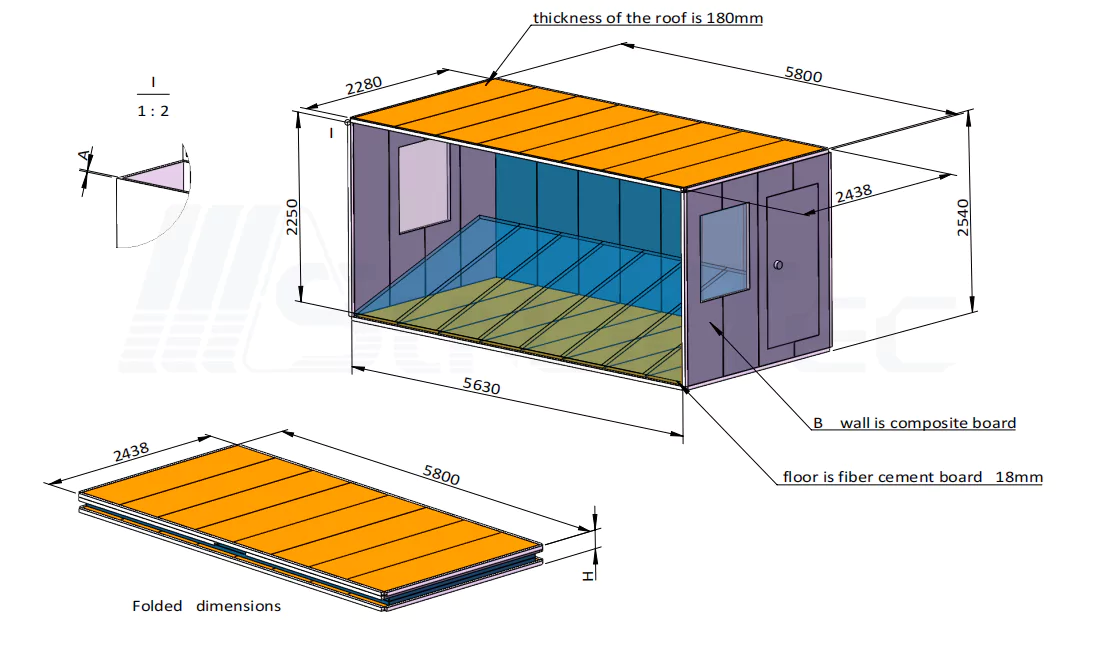
صنلايت تيك إرشادات التوصيل والدعم الفني يشمل ذلك ترتيبات النقل التقليدية من طراز 40FR وإرشادات الرفع والأساسات وتوصيلات المرافق. يتولى المشتري ترتيب خدمة الرافعة المحلية بعد التسليم. يتراوح وزن الرفع المُعلن عنه بين 6 و10 أطنان، مع التوصية باستخدام رافعة لا تقل حمولتها عن 25 طنًا للتحميل والتفريغ. يجب أن يراعي الاختيار النهائي نصف قطر الرفع، وتجهيزات الرفع، وظروف الأرض، وقواعد السلامة المحلية.
متطلبات خيام السفاري
تتطلب مشاريع الخيام أيضاً هندسة الموقع. يجب أن تكون المنصات مدعومة بشكل مستوٍ، ويجب أن يصرف نظام الصرف المياه بعيداً عن الغرفة، ويجب أن يعكس التثبيت مدى تعرض المنطقة للرياح. كما يجب حماية مسارات الكهرباء والسباكة وتوفير إمكانية الوصول للصيانة.
قد تُفضّل المواقع النائية أنظمة الخيام لأن مكوناتها يمكن نقلها بأحجام أصغر. أما العقارات التي تتمتع بخدمات أساسية مُجهزة وإمكانية وصول موثوقة فقد تستفيد أكثر من الوحدات الجاهزة في المصنع.
تصريح التخطيط وموافقة المرافق
قد تخضع الكبسولات الصلبة وخيام السفاري لمسارات موافقة مختلفة اعتمادًا على قواعد التخطيط المحلية، والإشغال، والأساسات، وإمكانية الوصول إلى النار، والصرف الصحي، وما إذا كان التركيب مؤقتًا أم دائمًا.
ينبغي تأكيد مسار الموافقة قبل اعتماد المواصفات الإنشائية والكهربائية والصحية والعزلية ومواصفات الحمامات. ويبقى المختصون والسلطات المحلية مسؤولين عن المراجعة الخاصة بكل وجهة.
إجمالي تكلفة التركيب والصيانة
قارن بأكثر من سعر المصنع
ينبغي أن تشمل المقارنة الكاملة المنتج، والتخصيص، والأساسات أو المنصات، والشحن، والتفريغ، وأعمال المرافق، والتصاريح، والهندسة المحلية، والصيانة، وأشهر التشغيل المتوقعة.
قد تكون الوحدة الصلبة أغلى ثمناً عند الشراء والنقل، لكنها توفر موسماً أطول ومستوى ثابتاً من الراحة. أما خيمة السفاري، فقد تقلل من تكلفة البناء، لكنها تتطلب المزيد من أعمال الموقع والعناية الدورية بالقماش.
ينبغي أيضاً مراجعة التكلفة الإجمالية للتركيب مقارنةً بعدد ليالي الإقامة المتاحة سنوياً. فانخفاض التكلفة الرأسمالية يصبح أقل جاذبية عندما يؤدي سوء الأحوال الجوية أو أعمال الصيانة إلى تقصير موسم التأجير.
خطط لوقت التوقف
ينبغي على مُشغّلي الوحدات الجاهزة التخطيط لأمور العزل، والتشطيبات الخارجية، وأنظمة التكييف والتهوية، وتجهيزات السباكة، وقطع الغيار. أما مُشغّلو الخيام، فيحتاجون إلى جداول زمنية لفحص الأقمشة، والعزل المائي، وفحص الهيكل، واستبدال الغطاء عند الحاجة. ويفقد السعر المنخفض جاذبيته عندما تبقى الوحدة غير مُستخدمة خلال موسم الذروة.
كيفية تقييم شركة مصنعة لأكواخ التخييم الفاخرة
مراجعة المستندات ومراقبة الدفعات
يجب أن يتضمن عرض الأسعار الاحترافي تحديد الرسومات، وتخطيطات المرافق، ووزن المنتج، وطريقة التعبئة، ومسؤوليات التركيب، والضمان، ومدة التسليم، وشروط الدفع، ومصطلحات التجارة الدولية (Incoterms)، ونطاق الفحص، ودعم قطع الغيار، والاستثناءات.
تحليل شركة صن لايت تيك لـ كبسولات الفضاء في سوق الضيافة لعام 2026 يضيف هذا القسم سياقاً حول أماكن الإقامة المعيارية في المنتجعات وتخطيط تجربة الضيوف.
تُظهر العينة إمكانية إنتاج غرفة واحدة. وتُبين مراقبة الدُفعة إمكانية تكرار المواصفات. أما بالنسبة للطلبات الكبيرة، فينبغي أن يشمل الفحص الرسومات المعتمدة، والأعمال الإنشائية، والتمديدات المخفية، والعزل المائي، واختبارات الوظائف، والتشطيبات، والتعبئة والتغليف.
منصات تقنية مضاءة بشمس لمشاريع المنتجعات
E1 للغرف الصغيرة المكونة من طابقين
إن كبسولة الفضاء صن لايت تيك إي 1 تبلغ مساحتها 28 مترًا مربعًا، وتتسع لشخصين، ويبلغ استهلاكها الإجمالي للطاقة 8 كيلوواط، ووزنها الصافي 6.5 طن. ويمكن اعتبارها نموذجًا مثاليًا لوحدات الإقامة المدمجة في المنتجعات، حيث تسمح ظروف الموقع والموافقات المحلية بذلك.
E2 لسعة ضيوف أكبر
إن كبسولة الفضاء صن لايت تيك إي 2 تبلغ مساحتها 38 مترًا مربعًا، وتتسع لشخصين إلى أربعة أشخاص، ويبلغ استهلاكها الإجمالي للطاقة 8 كيلوواط، ووزنها الصافي 8.5 طن. قد تناسب المساحة الأكبر إقامات العائلات أو فئات الغرف الفاخرة.
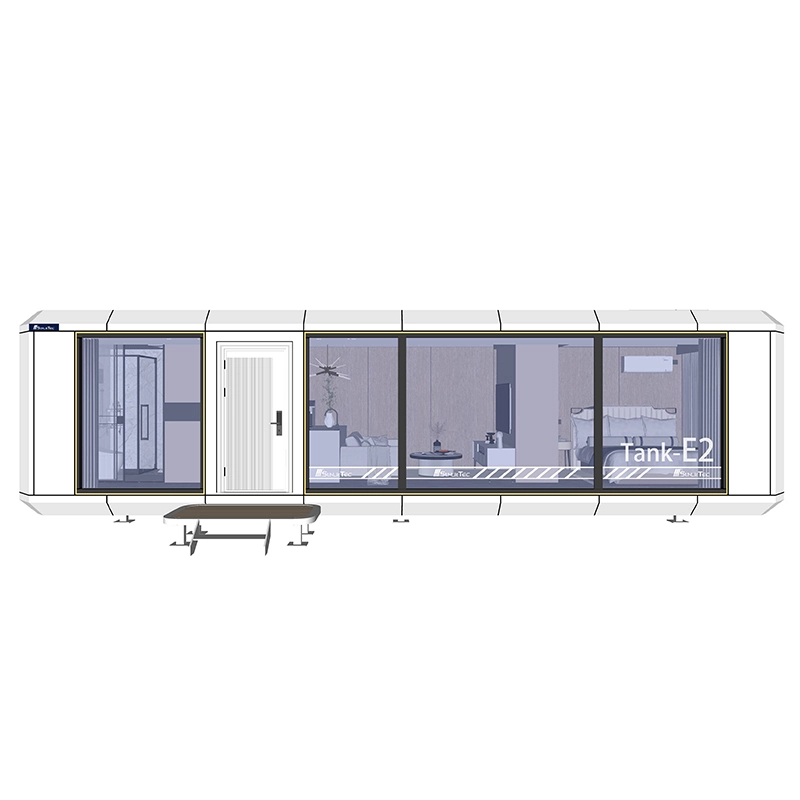
كلا النموذجين عبارة عن منصات إقامة معيارية وليست غرفاً جاهزة للحصول على تصريح بناء شامل. يجب تأكيد التصاميم النهائية والمعدات وخطط النقل والمتطلبات الفنية في وثائق المشروع المعتمدة.
استنتاج
تدعم وحدات التخييم الفاخرة الجاهزة وخيام السفاري استراتيجيات منتجعات متنوعة. قد تناسب خيام السفاري المشاريع الموسمية أو تلك التي يصعب الوصول إليها، حيث تُعدّ تجربة التخييم عنصراً أساسياً. أما الوحدات المعيارية الصلبة، فقد تكون أنسب للغرف القياسية، والمرافق الخاصة، والتحكم في المناخ، وفترات التشغيل الممتدة.
ينبغي أن يقارن القرار النهائي بين ظروف الموقع، وسعر الغرفة المستهدف، وأشهر التشغيل، وقدرة الصيانة، والموافقات، والتكلفة الإجمالية للتركيب. يمكن لمطوري المنتجعات الذين يقيمون وحدات التخييم الفاخرة المعروضة للبيع أرسل استفسارًا عن مشروع إلى شركة صن لايت تيك مع تحديد الموقع والكمية وسعة الضيوف والتصميم والمناخ ومتطلبات المرافق وتكوين الحمام وتاريخ الافتتاح المستهدف وميناء الوجهة لطلب توصية نموذجية وعرض أسعار قائم على المشروع.
الأسئلة الشائعة
س1: هل وحدات التخييم الفاخرة الجاهزة مناسبة للتشغيل على مدار السنة؟
ج: يمكنها دعم التشغيل الممتد عندما تتوافق مواصفات العزل والتدفئة والتهوية وتكييف الهواء والتحكم في الرطوبة والمرافق والمواصفات الهيكلية مع المناخ المحلي.
س2: هل خيام السفاري أرخص من كبسولات التخييم الفاخرة الجاهزة؟
ج: قد يكون سعرها الهيكلي أقل، ولكن يجب تضمين تكاليف الشرفات والحمامات والمرافق والتركيب والصيانة والاستبدال.
س3: ما الذي يجب أن يتضمنه عرض أسعار وحدات التخييم الفاخرة بين الشركات؟
ج: ينبغي أن يحدد المواصفات، والحد الأدنى لكمية الطلب، والتعبئة، وأساس الشحن، ومصطلحات التجارة الدولية، ونطاق الفحص، والمهلة الزمنية، وشروط الدفع، والضمان، والمسؤوليات، والاستثناءات.
س4: هل تتطلب وحدات التخييم الفاخرة تصريح تخطيط أو موافقة محلية؟
ج: يعتمد الحصول على الموافقة على القواعد المحلية، والأساسات، والإشغال، والمرافق، وإمكانية الوصول إلى أماكن مكافحة الحرائق، والصرف الصحي، وتصنيف المنشأة.
س5: كيف ينبغي للمنتجع تقييم شركة تصنيع كبسولات التخييم الفاخرة؟
ج: يجب أن تشمل المراجعة الرسومات والتخصيص والموافقة على العينات ومراقبة الدفعات وتعبئة التصدير والضمان ودعم قطع الغيار واتساق الطلبات المستقبلية.