لا تتسامح مواقع المشاريع النائية مع الأخطاء الصغيرة. فنقص أحد الملحقات، أو وجود نقطة تصريف خاطئة، أو خطة تفريغ غير متقنة، قد يؤدي إلى تأخير العمل بأكمله. ربما ليس لأسابيع، ولكن لفترة كافية للتأثير على العمالة، وحجز الرافعات، وتسليم المشروع.
بالنسبة لمشتري الشركات، تُعدّ فحوصات ما قبل الشحن آخر نقطة تفتيش عملية قبل مغادرة المنازل الجاهزة للمصنع. وبمجرد أن تصبح الوحدات على الطريق أو في البحر، يصبح إصلاح أخطاء التصميم، أو تلف التغليف، أو الأجزاء المفقودة، أو نقاط المرافق غير المتطابقة أكثر صعوبة. وفي المواقع النائية، قد تتضاعف تكلفة الإصلاحات البسيطة بسرعة.
صنلايت تيك تُوفر الشركة منتجات المنازل الجاهزة المصنوعة من الحاويات للمساحات التجارية والمكاتب ومرافق الدعم ووحدات البيع بالتجزئة والمساحات المعيارية للمشاريع. بالنسبة للتسليم عن بُعد، لا يُمثل المنتج نفسه سوى جزء واحد من الخطة. إذ يجب التحقق من حالة الشحنة وتفاصيل التحميل وجاهزية الموقع وإمكانية الوصول للتركيب قبل التسليم.
لماذا تُعدّ فحوصات ما قبل الشحن مهمة للمواقع النائية؟
A منزل الحاويات قد يبدو المنتج مكتملاً في المصنع. الأبواب تُغلق. الأضواء تعمل. الصور تبدو جيدة. مع ذلك، فإن التسليم للتصدير لا يُعادل اكتمال المنتج في المصنع.
غالباً ما تتطلب مواقع المشاريع النائية نقلاً برياً لمسافات طويلة، ومحدودية وصول الرافعات، وأرضاً غير مستوية، وعدم استقرار المرافق، وجداول زمنية ضيقة. وحتى بعد الانتهاء من تصنيع الوحدة، قد يحدث تأخير إذا تم إغفال بعض التفاصيل المهمة قبل الشحن.
يساعد فحص ما قبل الشحن مشتري الشركات على تأكيد ثلاثة أمور:
- يتوافق المنزل المصنوع من الحاويات مع الطلب المعتمد
- الوحدة معبأة وجاهزة للتسليم لمسافات طويلة
- موقع الاستلام جاهز للتفريغ والوضع والتوصيل
يُعدّ هذا الأمر بالغ الأهمية لمشاريع التعدين، وأعمال البنية التحتية، ومواقع الطاقة، والمشاريع السياحية، ونقاط البيع المؤقتة، ومرافق الخدمات. غالبًا ما تكون هذه المواقع بعيدة عن فرق الصيانة وقطع الغيار. قد يستغرق إصلاح بسيط في المصنع بضع ساعات. أما الإصلاح نفسه بعد الوصول فقد يتطلب وسائل نقل إضافية، وعمالة محلية، ووقتًا إضافيًا للرافعة، وجولة أخرى من التنسيق.
ما يجب فحصه قبل مغادرة المنازل الجاهزة للمصنع
لا ينبغي أن تقتصر فحوصات ما قبل الشحن على المظهر الخارجي فقط. فالمظهر الخارجي النظيف أمر جيد، لكن مشتري الشركات يحتاجون إلى دليل عملي على أن الوحدة قادرة على السفر والوصول والتفريغ والتوصيل والبدء بالعمل كما هو مخطط له.
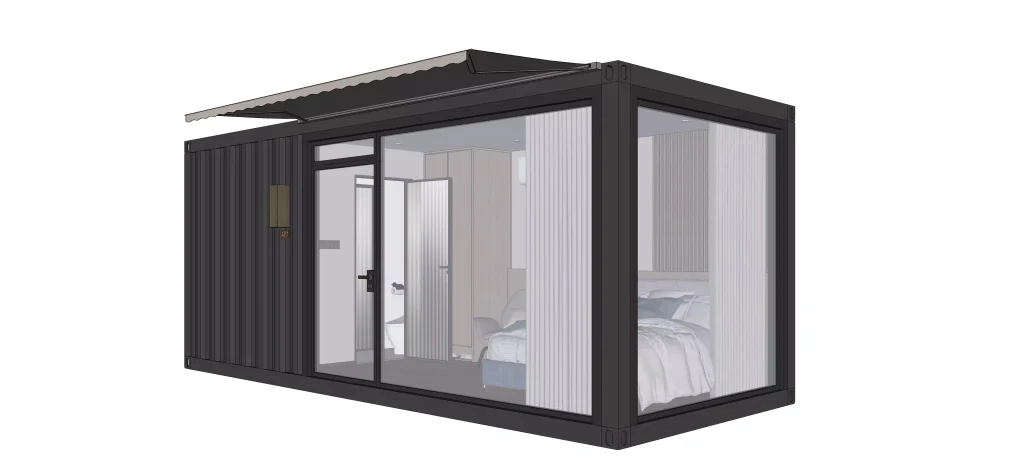
مراجعة مواصفات المنتج
يجب التحقق من الوحدة النهائية ومطابقتها مع الرسومات المعتمدة وتفاصيل الطلب. تشمل العناصر الرئيسية ما يلي:
- النماذج والكمية
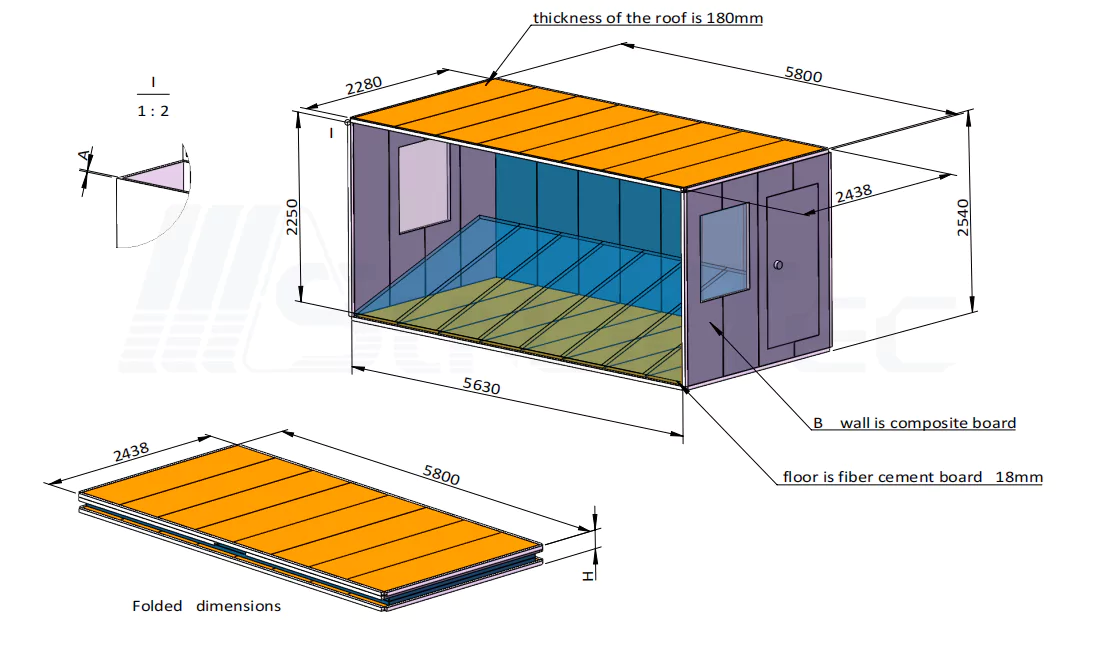
- طول الوحدة وعرضها وارتفاعها
- التصميم الداخلي
- مواقع الأبواب والنوافذ
- ألواح الجدران وتشطيبات الأرضيات
- ميزات مخصصة للمكاتب أو المتاجر أو المقاهي
- قائمة المعدات والملحقات
- تسجيلات الصور أو الفيديو النهائية
بالنسبة لمشاريع منازل الحاويات من شركة Sunlit Tec، تُعد هذه الخطوة مهمة لأن المنتجات المختلفة تخدم استخدامات مختلفة. فمنزل حاوية مخصص لورشة عمل يخضع لإجراءات فحص مختلفة عن منزل حاوية مكتبي أو نموذج حاوية قابل للتوسيع. متجر حاويات مُخصصة قد يتطلب الأمر نوافذ خدمة، وطاولات، ونقاط تصريف، ومسافات بين المعدات، وقائمة ملحقات مُصنّفة بوضوح قبل الشحن. وقد يحتاج مكتب الموقع إلى المزيد من المقابس الكهربائية، والإضاءة، ونقاط تكييف الهواء، وتخطيط التقسيمات.
في حالة الطلبات متعددة الوحدات، يجب وضع علامة على كل وحدة وفقًا لمخطط الموقع. ينبغي لفريق الموقع معرفة الوحدة التي يجب تفريغها أولًا، ومكان وضعها، ومجموعة الملحقات الخاصة بها. يمكن أن تُسهم الملصقات الصغيرة في تجنب قدر كبير من الارتباك في مواقع العمل المزدحمة.
الهيكل والأبعاد ونقاط الاستخدام
يجب فحص الهيكل الفولاذي، وإحكام إغلاق السقف، ونقاط اللحام، وألواح الجدران، والأبواب، والنوافذ، والأرضيات، والطلاء، وحالة الأسطح الظاهرة قبل التعبئة. قد تكون الخدوش الصغيرة مقبولة في بعض وحدات مواقع العمل، ولكن يجب معالجة تسرب المياه، أو ضعف الإحكام، أو عدم محاذاة الأبواب قبل التسليم.
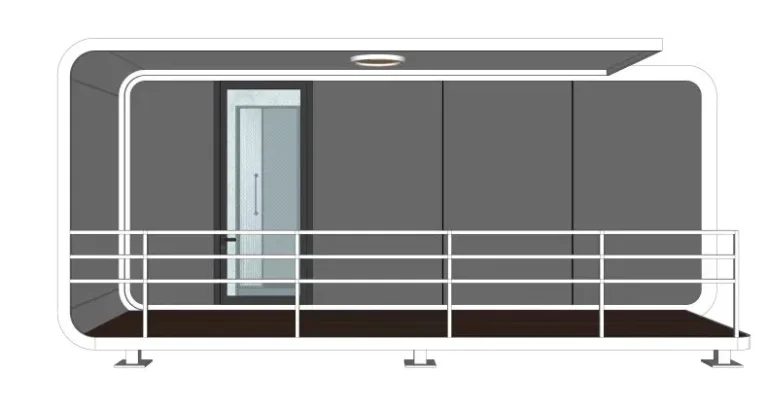
تُعدّ فحوصات الأبعاد بالغة الأهمية. فالحجم النهائي، وامتداد السقف، وقسم الشرفة، وموقع الدرج، أو أي جزء بارز مُصمّم خصيصًا، كلها عوامل تؤثر على التحميل والنقل بالشاحنات والتعامل مع الرافعات والتركيب. وقد تُحدث بضعة سنتيمترات فرقًا كبيرًا عندما يتضمن مسار التسليم طرقًا ضيقة، أو بوابات محكمة، أو مساحة محدودة للتفريغ.
ينبغي أن تشمل فحوصات المرافق الإضاءة، والمقابس، ولوحات المفاتيح، ونقاط تكييف الهواء، والتأريض، ونقاط دخول المياه، ومنافذ الصرف، ووصلات الصرف الصحي، ومصارف الأرضيات. بالنسبة للوحدات التجارية، قد يشمل استهلاك الطاقة أيضًا إضاءة العرض، والثلاجات، وأنظمة الدفع، والكاميرات، والأقفال الذكية، أو معدات القهوة.
يجب أن يتطابق تصميم المصنع مع جاهزية الموقع. إذا وُضع مخرج تصريف المياه في الخلف، فيجب أن يتوافق مخطط تصريف الموقع معه. إذا وُضع صندوق الطاقة على الجانب الأيسر، فيجب تجهيز مسار الكابلات لهذا الجانب. هذه أساسيات، نعم. ولكن من هنا تبدأ العديد من التأخيرات التي يمكن تجنبها.
التعبئة والتحميل وتجهيز الموقع للتسليم عن بعد
قد يُغفل عن التغليف بسهولة لأنه يبدو أقل أهمية من الوحدة نفسها. في مشاريع التصدير، قد يؤدي سوء التغليف إلى تلف الزجاج، والألواح، والأبواب، والزوايا، والتجهيزات، أو الملحقات غير المثبتة أثناء النقل.
قبل الشحن، يجب على المشترين طلب سجلات واضحة لما يلي:
- الحماية الخارجية
- حماية الزجاج والنوافذ
- غطاء مقاوم للماء
- حماية الزوايا
- تغليف الملحقات
- قائمة قطع الغيار
- الملصقات والعلامات
- تحميل الصور
- وضع الشاحنة أو الهيكل
ينبغي تغليف الملحقات الصغيرة ووضع ملصقات عليها برقم الوحدة، وعدم خلطها في صندوق واحد. فالمفاتيح والتركيبات والمثبتات وقطع الغيار والتجهيزات الصغيرة يسهل فقدانها بمجرد وصول الشحنة إلى موقع بعيد.
بالنسبة للمنازل المصنوعة من الحاويات ذات الواجهات الزجاجية، أو نوافذ المقاهي، أو الشرفات، أو الألواح الخارجية المزخرفة، فإن التغليف يستحق عناية خاصة. فهذه هي الأجزاء التي من المرجح أن تُلاحظ أولاً عند وصول الوحدة.
يُعدّ ترتيب التحميل أمراً بالغ الأهمية. فإذا تم شحن عدة وحدات معاً، يجب أن تكون الوحدة الأولى المطلوبة في الموقع سهلة التفريغ أولاً. إذ يمكن أن يؤدي ترتيب التحميل الخاطئ إلى تحويل عملية تفريغ بسيطة إلى عملية بطيئة ومعقدة.
قائمة التحقق من جاهزية الموقع البعيد
ينبغي أن تشمل فحوصات ما قبل الشحن موقع الاستلام. فالمنزل الجاهز المصنوع من الحاويات غير مفيد إذا كان الموقع يفتقر إلى مدخل للشاحنات، أو مكان للرافعة، أو أساسات، أو مخطط للمرافق.
| منطقة التفتيش | ما الذي يجب على مشتري الشركات تأكيده؟ |
| الوصول إلى الطريق | مسار الشاحنة، مساحة الدوران، حدود الارتفاع، قوة الأرض |
| مدخل الرافعة | وضع الرافعة، نصف قطر الرفع، مساحة الأمان، ترتيب التفريغ |
| المؤسسة | أرض مستوية، نقاط تحمل الأحمال، مواقع التثبيت |
| المرافق | مصدر الطاقة، مدخل المياه، الصرف الصحي، التصريف |
| التعرض للعوامل الجوية | مخاطر الرياح والأمطار والحرارة والثلوج أو التآكل الساحلي |
| الدعم المحلي | خدمة الرافعات، عمال التركيب، الأدوات، مشرف الموقع |
لا يشترط أن يكون الموقع مثالياً، فالعديد من المواقع النائية ليست كذلك. ولكن يجب تحديد حدود الموقع بوضوح قبل الشحن. فإذا كان الطريق ضيقاً، أو كانت منطقة الرافعة رخوة، أو لم تُستكمل أعمال الصرف، فينبغي معالجة هذه المشكلات قبل مغادرة المنازل الجاهزة للمصنع.
أنواع المنازل الجاهزة التي تتطلب فحوصات إضافية قبل الشحن
تُعدّ فئة "بيوت الحاويات" من شركة "صن لايت تيك" المنتج الأنسب لهذا الموضوع. يجب أن تختلف فحوصات الإصدار تبعًا لنوع الوحدة والتطبيق.
تتطلب المحلات التجارية المصممة حسب الطلب والمبنية من حاويات شحن فحصًا دقيقًا للزجاج، وتصميم واجهة المتجر، ومناطق اللافتات، والطاولات، والمقابس الكهربائية، ومدخل الزبائن. أما الوحدات المصممة على طراز المقاهي ذات الشرفات، فتحتاج إلى عناية إضافية فيما يتعلق بالصرف، وتصميم الطاولات، وأجزاء المنصة الخارجية، والمسافة بين معدات خدمة الطعام.
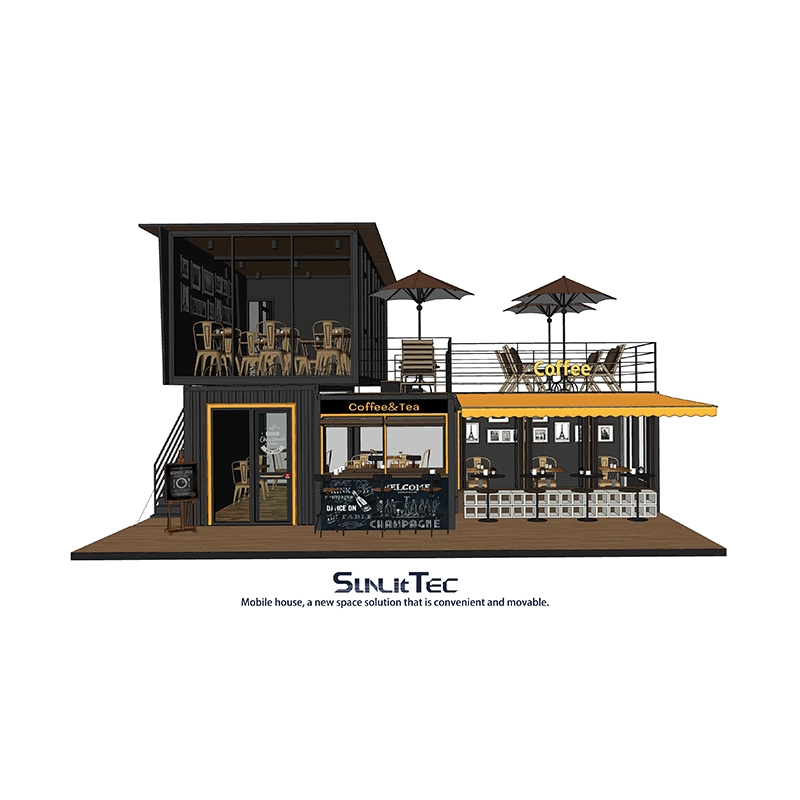
ينبغي فحص وحدات المكاتب الجاهزة من حيث الإضاءة، والمقابس الكهربائية، ونقاط تكييف الهواء، والأبواب، والفواصل، وتصميم المكاتب. أما الوحدات القابلة للتوسيع، فتحتاج إلى فحوصات إضافية على الأجزاء المتحركة، والمفصلات، والأختام، ووصلات الأرضيات، ومساحة التوسيع.
تحتاج وحدات دعم المشاريع العامة، كدورات المياه أو المساحات الخدمية، إلى عناية فائقة فيما يتعلق بالسباكة والصرف الصحي والعزل المائي وتصريف الأرضيات وسهولة الوصول للتنظيف. قد لا تكون هذه الوحدات الجزء الأكثر جاذبية في مشروع ناءٍ، لكن سير العمل اليومي يعتمد عليها.
بالنسبة لبعض الوحدات، يجب التحقق من وزن الرفع ومتطلبات الرافعة مقابل مواصفات المنتج النهائية قبل الشحن. قد تؤدي الأحجام والتصاميم والميزات المخصصة المختلفة إلى تغيير متطلبات المناولة.
كيف تقلل عمليات الفحص قبل الشحن من مخاطر المشروع
يقلل الفحص الجيد قبل الشحن من احتمالية حدوث أي مشاكل. فهو يكشف عن التصميمات الخاطئة، والملحقات المفقودة، والأضرار الظاهرة، والتغليف الضعيف، وعدم تطابق المرافق، ومشاكل التحميل قبل مغادرة المنازل الجاهزة للمصنع.
بالنسبة للمواقع النائية، يُسهم هذا بشكل مباشر في التحكم بالتكاليف. فإصلاح أي مشكلة قبل الشحن عادةً ما يكون أسهل من ترتيب الإصلاحات بعد النقل البري، وحجز الرافعات، وجدولة فريق العمل في الموقع. كما أنه يحمي الجدول الزمني للمشروع. إذ يُمكن لفريق الموقع التركيز على التفريغ، والتركيب، والتوصيل، والاختبار، والتسليم بدلاً من حل مشاكل التسليم التي يُمكن تجنبها في المصنع.
تتحقق أفضل النتائج عند مراجعة فحوصات المنتج وجاهزية الموقع معًا. يجب أن تتناسب الوحدة والشاحنة والرافعة والأساسات وخطة المرافق مع بعضها البعض. قد لا يكون هذا العمل مثيرًا، ولكنه يمنع الكثير من الضوضاء بعد التسليم.
استنتاج
تُعدّ فحوصات ما قبل الشحن من أكثر الطرق العملية لتقليل مخاطر التسليم عند تصدير المنازل الجاهزة إلى مواقع مشاريع نائية. بالنسبة للمشترين في قطاع الأعمال، لا يقتصر الهدف على التأكد من اكتمال بناء المنزل الجاهز فحسب، بل يجب أن يشمل فحص التسليم الهيكل، والأبعاد، والتصميم، ونقاط الكهرباء، والسباكة، والتعبئة، والتحميل، وإمكانية وصول الرافعة، والأساسات، وجاهزية المرافق.
يمكن لمنتجات Sunlit Tec’s Container House، بما في ذلك بيوت الحاويات الخاصة بالمتاجر، وبيوت الحاويات المكتبية، والوحدات القابلة للتوسيع، والوحدات المصممة على طراز المقاهي، ومساحات دعم المشاريع، أن تخدم التطبيقات التجارية والمواقع النائية، ومواقع التخييم، ومواقع الخدمات، ومواقع العمل عندما يتم التعامل مع الشحن وتخطيط الموقع في وقت مبكر.
قبل الموافقة النهائية على الإنتاج والشحن، يمكن لفريق المشروع اتصل بشركة صن لايت تيك توفير الرسومات، وظروف الموقع، ومتطلبات المرافق، وتفاصيل الشحن للتسليم عن بعد.
أسئلة متكررة
س1: ما الذي يجب فحصه قبل شحن المنازل المصنوعة من الحاويات؟
ج: يجب على المشترين التحقق من الأبعاد والتصميم والهيكل والأبواب والنوافذ وإحكام إغلاق السقف ومنافذ الطاقة والسباكة والملحقات والتعبئة وطريقة التحميل ووثائق الشحن وجاهزية الموقع قبل التسليم.
س2: هل الفحص المسبق للشحن ضروري للمنازل المصنوعة من الحاويات؟
ج: نعم. يساعد فحص ما قبل الشحن على التأكد من مطابقة المنزل المصنوع من الحاويات للرسومات المعتمدة ومتطلبات الطلب قبل التصدير، خاصة بالنسبة لمواقع المشاريع النائية حيث يمكن أن تكون الإصلاحات مكلفة.
س3: ما هي تفاصيل جاهزية الموقع التي يجب تأكيدها قبل الشحن؟
ج: يجب على المشترين التأكد من إمكانية وصول الشاحنات، وإمكانية وصول الرافعات، وأرضية التفريغ، ونقاط الأساس، والصرف الصحي، وإمدادات المياه، وإمدادات الطاقة، ووصلة الصرف الصحي، والعمالة المحلية، واحتياجات التصاريح.
س4: ما هي أنواع المنازل المصنوعة من الحاويات التي تحتاج إلى فحوصات إضافية قبل الشحن؟
ج: تحتاج المنازل المصنوعة من حاويات التخزين، والوحدات المصممة على طراز المقاهي، والمنازل المكتبية المصنوعة من حاويات التخزين، والوحدات القابلة للتوسيع، ووحدات دورات المياه أو الخدمات إلى فحوصات إضافية لأن الزجاج، والأجزاء المتحركة، والنقاط الكهربائية، والسباكة، والصرف الصحي، والملحقات قد تختلف باختلاف المشروع.
س5: كيف يمكن لفحوصات ما قبل الشحن أن تقلل من تأخيرات التسليم؟
ج: فهي تساعد في العثور على الملحقات المفقودة، والتخطيطات الخاطئة، وعدم تطابق المرافق، ومشاكل التعبئة، ومشاكل التحميل قبل الشحن، مما يقلل من التأخيرات أثناء التفريغ والتركيب والاختبار والقبول النهائي.