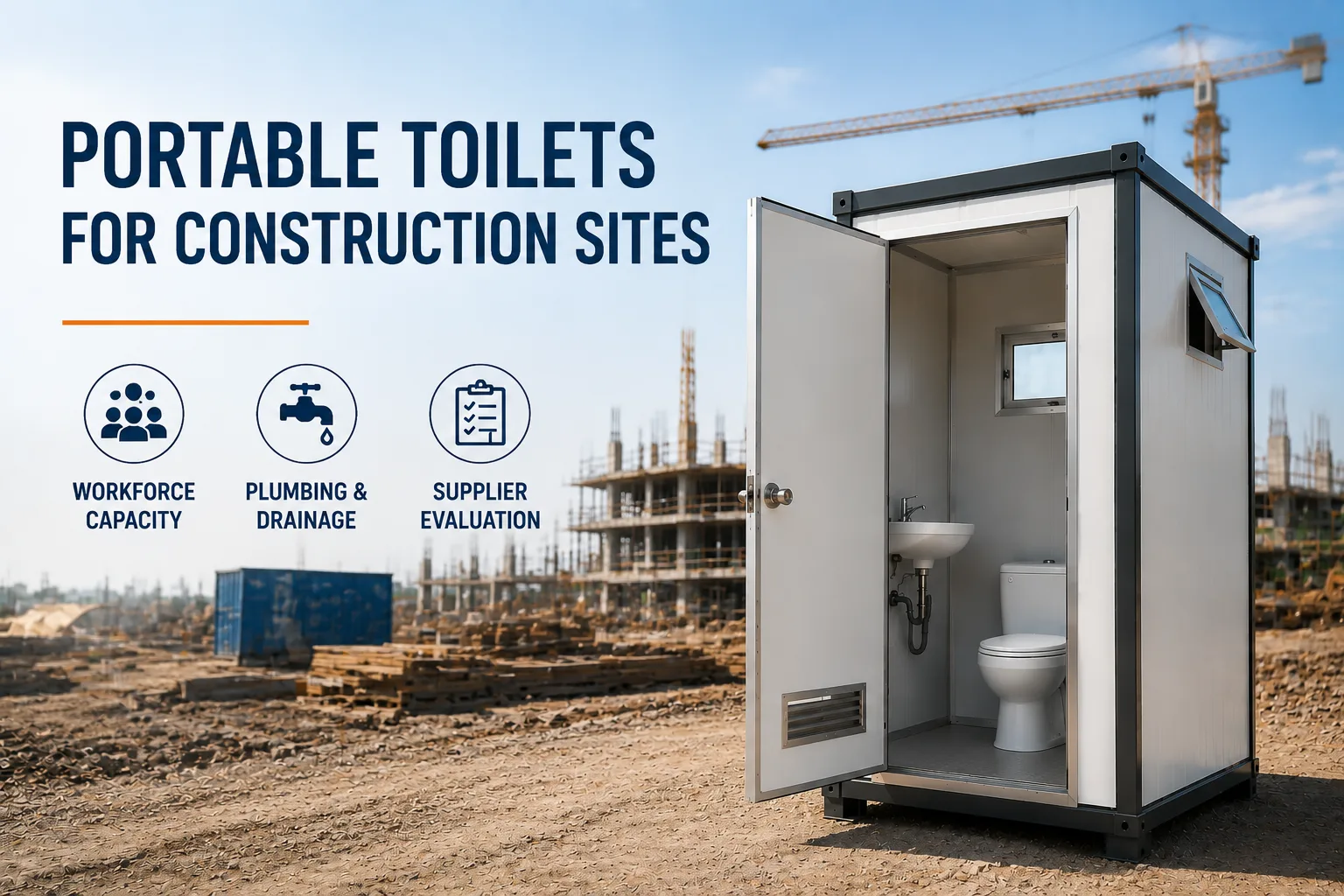
На начальных этапах закупок переносным туалетам редко уделяется достаточно внимания — до тех пор, пока неправильное количество, точка слива или конфигурация устройства не начинают отнимать время на объекте.
Недостаток оборудования приводит к очередям. Неправильное размещение заставляет бригады пересекать строительную площадку несколько раз в день. Несоответствие подключения инженерных коммуникаций особенностям площадки может означать необходимость изготовления деталей на месте, дополнительные трудозатраты и задержку в использовании доставленного оборудования. На зарубежных проектах даже отсутствие фитинга может стать дорогостоящей проблемой.
Для подрядчиков, компаний, занимающихся проектированием, закупками и строительством, застройщиков, дистрибьюторов и закупочных групп. переносные туалеты для строительных площадокРешение о покупке выходит далеко за рамки цены за единицу товара. Рабочая сила, планировка участка, состояние водоснабжения и водоотведения, доступ к очистным сооружениям, транспортировка и продолжительность проекта — все это влияет на то, что действительно сработает.
Для проектов, переход к этапу закупок которых запланирован на 2026 год, эти вопросы лучше всего решить до того, как поставщики начнут предлагать свои цены.
Прежде чем выбирать переносные туалеты, ознакомьтесь с обстановкой на строительной площадке.
План санитарной обработки может соответствовать требуемому количеству единиц, но при этом плохо работать на практике. Местоположение, доступ, обслуживание и изменение рабочих зон имеют такое же важное значение, как и количество.
Перед сравнением товаров предоставьте поставщикам четкое представление о конфигурации объекта. Это значительно упростит принятие решений о конфигурации и ценах в дальнейшем и снизит вероятность того, что два коммерческих предложения будут основаны на совершенно разных предположениях.
Согласование производственных мощностей с численностью персонала и рабочими зонами.
Сколько переносных туалетов необходимо на строительной площадке? Начните с самой загруженной смены, а не с общей численности персонала проекта.
Затем посмотрите, где находятся эти работники. Потребности шестидесяти человек, сосредоточенных вокруг одного здания, отличаются от потребностей шестидесяти работников, рассредоточенных вдоль дороги, солнечной электростанции, промышленного предприятия или другого крупного объекта.
Для распределенных бригад используется несколько небольших групп. туалеты на строительной площадке Это может быть удобнее, чем одна общая зона с туалетами.
Полезная информация для планирования включает в себя:
- Максимальная численность персонала за смену
- Количество активных рабочих зон
- Расстояние до санитарных сооружений
- Частота чистки или обслуживания
- Продолжительность проекта
- Требования к туалету и душу
- Применимые местные или проектные требования
Итоговый объем также должен отражать местные правила социального обеспечения работников. Не существует единой глобальной формулы, подходящей для всех рынков.
Планировка с учетом изменений на участке
Строительные площадки редко остаются неизменными.
Земляные работы могут начинаться с одного конца объекта. Бригады, занимающиеся возведением конструкций, перемещаются в другое место. Бригады, занимающиеся отделкой, позже концентрируются вокруг завершенных зданий. Планировка канализационных систем, которая удобна в первый месяц, может стать неудобной через несколько месяцев.
Здесь находится перемещаемый переносные туалеты Модульные туалетные блоки могут быть полезны. Однако доступ по-прежнему имеет значение. Для перемещения блока необходим подходящий подъезд к участку, место для погрузки/разгрузки и рабочий план повторного подключения коммуникаций.
При поэтапном реализации проектов, обозначение предполагаемых мест расположения санитарных сооружений на плане участка до начала закупок может предотвратить ненужные перемещения и дублирование закупок в дальнейшем.
Как выбрать переносные туалеты для различных нужд на строительной площадке
При наличии базового плана участка выбор продукции становится намного проще.
Для некоторых проектов достаточно компактного туалета и умывальника рядом с рабочей зоной. Для других необходимы также душевые, особенно на удаленных объектах или в местах, где бригады проводят длительные смены вдали от стационарных бытовых помещений.
Большее количество функций не делает устройство автоматически лучше. Полезными являются те функции, которые решают реальные задачи на объекте.
Компактные туалетные кабины для распределенных рабочих зон
Компактные устройства целесообразны там, где санитарная обработка строительной площадки необходимо распределить по нескольким рабочим зонам.
Sunlit Tec Уличный мобильный туалет Размеры конструкции составляют 2,28 × 1,14 × 2,36 м, а площадь застройки — 2,5 м². Она объединяет туалет и умывальник в компактном мобильном формате, подходящем для временного использования, в том числе на строительных площадках.
Для подрядчиков, рассматривающих продажа переносных туалетов В отличие от краткосрочной местной аренды, этот тип жилья может оставаться в собственности компании и впоследствии быть переведен на другой проект.
Однако, прежде чем разместить заказ, команде на объекте необходимо получить четкий ответ на один вопрос: откуда будет поступать вода и куда будут отводиться сточные воды?
Встроенные туалетные и душевые кабины для удаленных объектов
Удалённая работа и длительные смены часто требуют большего, чем просто туалет.
Там, где бригадам необходимы душевые и душевые на одном месте, Sunlit Tec предлагает широкий выбор оборудования. Туалет на открытом воздухе, встроенный в ванную комнату В этом помещении размером 4,56 × 1,14 × 2,36 м и общей площадью здания 5 м² размещены туалет, умывальник, вытяжной вентилятор и душ.
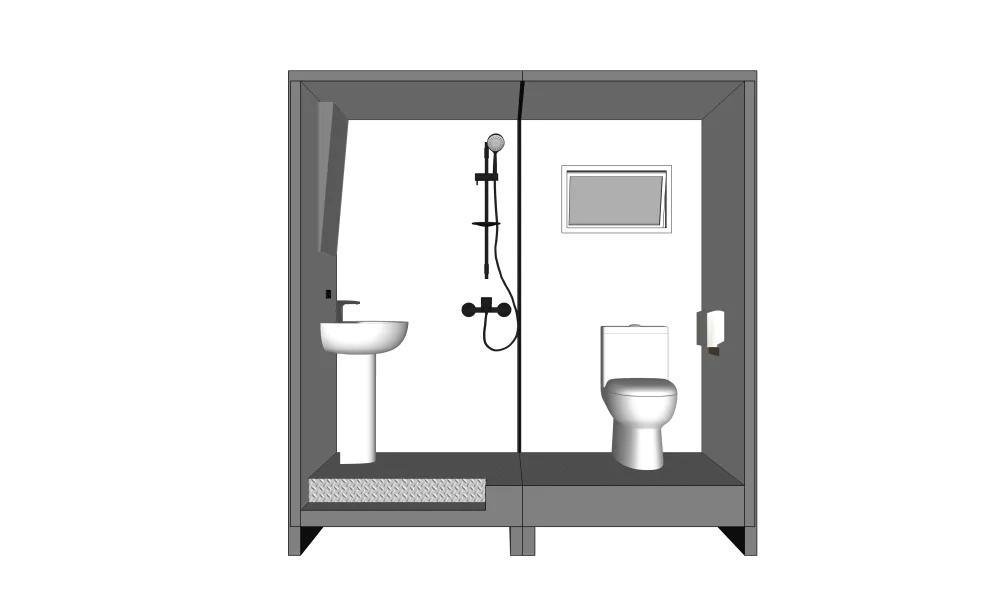
В зависимости от требований проекта, конфигурация может также включать водонагреватель, освещение, водосберегающие устройства, теплоизоляцию и противоскользящее напольное покрытие.
Это не означает, что интегрированный модуль подходит для каждого объекта. Для небольшого городского проекта с расположенными поблизости бытовыми помещениями могут потребоваться только туалетные модули. Удаленный промышленный объект — это совсем другой случай.
Конфигурация определяется характером использования.
Требования к сантехнике, водоотведению и повседневной эксплуатации
Даже правильно подобранное устройство может оказаться неудачной покупкой, если оно не подключается к сайту без проблем.
Водоснабжение, сброс сточных вод, электроснабжение, вентиляция, канализация и доступ для очистки влияют как на монтаж, так и на повседневное использование. Для зарубежных проектов эти детали гораздо проще скорректировать на чертежах, чем после прибытия груза.
Перед началом работы подтвердите подключение инженерных коммуникаций.
В первую очередь осмотрите предполагаемое место установки.
Есть ли поблизости водопровод? Куда будут отводиться сточные воды? Требуется ли горячая вода? Какое электроснабжение имеется для освещения, вентиляции или дополнительного оборудования? Где можно ввести и вывести трубы без сложных работ на участке?
A производитель портативных туалетов Эти детали необходимы до согласования окончательной конфигурации.
Неправильное расположение водоотводного отверстия может показаться незначительной проблемой на этапе закупки. На удаленном объекте исправление может потребовать замены фитингов, изготовления деталей на месте и оплаты труда, которые изначально не были включены в бюджет.
Подумайте об уборке, вентиляции и влажных зонах.
Строительные туалеты ежедневно подвергаются интенсивной эксплуатации. Пыль, грязь, мокрая обувь, многократная уборка и высокая проходимость — это обычное явление.
Вентиляция имеет важное значение в закрытых туалетных и душевых помещениях. Доступ для уборки также важен. Планировка может выглядеть аккуратной на чертеже, но при этом создавать трудности для обслуживающего персонала в доступе к местам вокруг сантехнического оборудования.
В душевых кабинах возникает еще одна проблема: вода. Состояние пола и дренаж должны быть рассчитаны на регулярное использование во влажных условиях.
Эти детали не являются самыми заметными пунктами в смете, но они оказывают большое влияние на то, насколько практичным будет помещение спустя месяцы после установки.
Сравните общую стоимость проекта, прежде чем составлять список потенциальных поставщиков.
Коммерческое предложение имеет смысл только тогда, когда поставщики предлагают цены примерно на одинаковый объем работ.
Одно предложение может включать вентиляцию, освещение, санитарное оборудование и коммунальные услуги. Другое может охватывать лишь базовый пакет. Меньшая сумма не обязательно означает меньшую стоимость проекта.
Иностранным покупателям также необходимо учитывать расходы на доставку, разгрузку, подготовку площадки, прокладку коммуникаций и монтаж.
Сравните одинаковый объем работ у разных поставщиков.
Перед сравнением итоговых сумм ознакомьтесь с тем, что включено в пакет документов.
В зависимости от проекта, разница в цене может быть обусловлена наличием душевых кабин, сантехники, водонагревателей, вентиляции, теплоизоляции, напольных покрытий, освещения или подключения инженерных коммуникаций.
Полезное сравнение охватывает следующие аспекты:
- Окончательная конфигурация
- Включенное оборудование
- Дополнительные элементы
- Требования к коммунальным услугам
- Технические чертежи или спецификации
- Форму отправки
- Осталась работа для команды, работающей на объекте.
Четкое определение масштаба проекта позволяет избежать удивительно большого количества обсуждений на более поздних этапах.
Перед отправкой ознакомьтесь с информацией о доставке.
При оформлении заказов за рубежом вопросы логистики должны обсуждаться с самого начала процесса закупки.
Размеры установки, условия транспортировки, условия разгрузки, доступ к площадке и последовательность монтажа — все это может повлиять на окончательный выбор. Перед отправкой стоит еще раз проверить согласованное санитарное оборудование, точки слива, соединения с коммуникациями и конфигурацию.
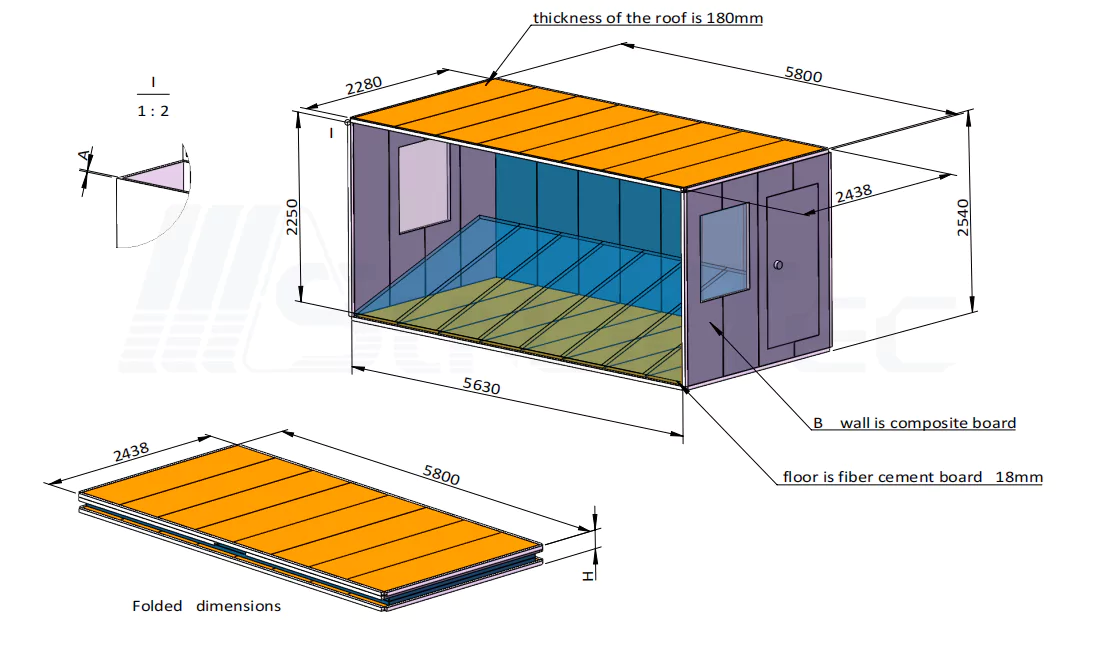
Руководство Sunlit Tec по Предварительные проверки перед отгрузкой для удаленных объектов проекта В данном разделе более подробно рассматриваются заводские проверки, точки подключения коммуникаций, упаковка, погрузка и подготовка места приемки.
Если завод находится поблизости, проблему с отсутствующей деталью решить несложно. На другом континенте — уже не так просто.
Как выбрать производителя переносных туалетов для проекта B2B
К тому моменту, когда проект попадает в шорт-лист, цена — лишь часть решения.
Покупателю также необходимо знать, является ли производитель портативных туалетов может следовать техническому заданию проекта, поддерживать согласованную конфигурацию и четко указывать, что уже выполнено на заводе, а что еще предстоит команде на объекте.
При оптовых заказах надежные технические характеристики и четкая техническая информация обычно имеют большее значение, чем общие заявления о возможности индивидуальной настройки.
Оценивайте возможности конфигурации, а не заявления о возможности индивидуальной настройки.
Легко сказать «настраиваемый». Гораздо полезнее будет описать функциональную конфигурацию.
В одной рабочей зоне могут потребоваться компактные туалеты. В другой — душевые. Более масштабный проект может также потребовать раздевалок или других вспомогательных помещений.
Sunlit Tec Диапазон государственных проектов Включает в себя мобильные туалеты, интегрированные туалетно-душевые кабины, общественные туалеты, раздевалки Cube и другие объекты общественного пользования.
Для покупателя проекта ценность заключается не в бесконечном выборе, а в наличии подходящих вариантов для различных частей одного и того же участка.
Создайте четкий запрос на коммерческое предложение (RFQ) до окончательного определения цены.
Хороший запрос предложений может быть коротким. В нем просто должна быть правильная информация.
Для переносные туалеты для строительных площадокВключать в себя количество, место назначения, предполагаемое использование, пиковую численность персонала, потребность в туалетах или душевых, доступные коммунальные услуги и целевой график доставки.
Если проект включает чертежи, тендерную документацию или местные спецификации, отправьте их до подтверждения окончательной конфигурации и цены.
Это дает производителю достаточно информации, чтобы определить, подходит ли стандартный блок или необходимо предварительно обсудить возможность его регулировки.
Заключение: Выбирайте, исходя из проекта.
Цена за единицу товара имеет значение, но низкая цена не поможет, если система канализации не подходит для данного объекта. Количество, подключение к коммуникациям, доступ для уборки, транспортировка и согласованная конфигурация — все это влияет на реальную стоимость проекта.
Для подрядчиков, компаний, занимающихся проектированием, закупками и строительством, застройщиков, дистрибьюторов и закупочных групп. туалеты на строительной площадке за рубежом, свяжитесь с Sunlit Tech Укажите количество, место назначения, необходимое количество туалета или душевой кабины, доступные коммуникации и сроки доставки. Этих данных достаточно для начала практического анализа конфигурации и составления сметы.
Часто задаваемые вопросы
В1: Сколько переносных туалетов необходимо на строительной площадке?
А: Начните с самой загруженной смены, а затем изучите планировку участка. Для крупного или обширного проекта может потребоваться несколько небольших групп туалетов, даже если общее количество соответствует местным требованиям.
В2: Каковы основные требования к переносным туалетам на строительных площадках?
А: В первую очередь важны количество и размещение. На окончательную конфигурацию также влияют вопросы водоснабжения и водоотведения, доступ для рабочих, вентиляция, уборка, потребности в туалетах или душевых, а также местные требования проекта.
Вопрос 3: Нужно ли подключать переносные туалеты к водопроводу и канализации?
А: В зависимости от конфигурации модульные туалетные и ванные комнаты могут подключаться к водопроводу, канализации, электричеству или другим коммуникациям. Перед началом производства необходимо уточнить точки подключения, особенно если модули будут доставляться на удаленный объект.
Вопрос 4: Как выбрать производителя переносных туалетов?
А: Не обращайте внимания на заглавную цену. Сравните фактическую конфигурацию, техническую документацию, план доставки и то, насколько четко производитель работает в соответствии с вашим техническим заданием. При оптовых закупках важна согласованность.
В5: Как осуществляется доставка переносных туалетов для зарубежных проектов?
А: Условия поставки варьируются в зависимости от размера и количества единиц, места назначения и условий разгрузки. Перед отправкой обеим сторонам необходимо четко зафиксировать окончательную конфигурацию, план отгрузки, доступ к месту доставки и подготовку коммуникаций.