Введение
В крупных городах по всему миру стоимость городской земли продолжает расти, в то время как спрос на пригодное для жизни и доступное жилье увеличивается. Задача, стоящая перед застройщиками и градостроителями, состоит в том, чтобы строить больше, но не расширяться дальше. Модульное жилищное строительство предлагает идеальное решение этой проблемы. Оно предоставляет практичный способ многоэтажного строительства на небольших участках. Для B2B-клиентов, которым нужны надежные и эффективные модели строительства, этот подход помогает сбалансировать плотность застройки, скорость и долгосрочное использование.
Sunlit Tec компанией Стала стабильным игроком в этой области. модульный поставщик Компания Sunlit Tec, специализирующаяся на высокоэффективных городских проектах, сочетает передовые заводские методы с гибким проектированием. Результатом являются многоуровневые жилые системы, которые меняют представление о том, как города могут расширяться вверх, а не вширь.
Городские проблемы стимулируют спрос на модульное жилье, состоящее из нескольких блоков.
Рост стоимости земли и ограничения по плотности застройки
Нехватка городской земли — не новая проблема. Однако в последние годы ее влияние на стоимость проектов стало более ощутимым. В густонаселенных центрах, таких как Сингапур или Нью-Йорк, малоэтажная застройка часто не покрывает высокую стоимость квадратного метра. Застройщикам приходится строить многоэтажки. Тем не менее, старые строительные стили по-прежнему с трудом обеспечивают безопасное и экономичное размещение квартир друг над другом.
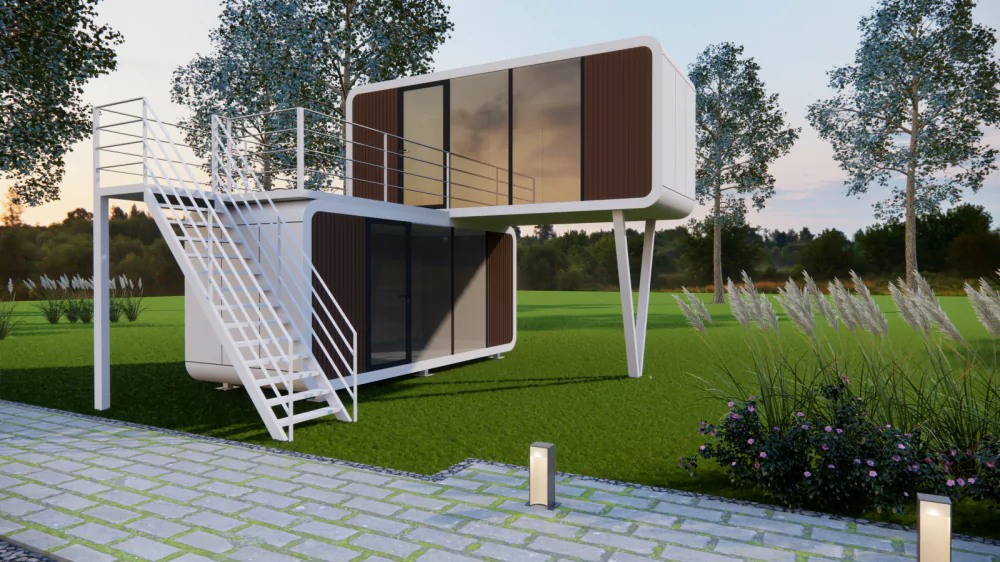
модульные дома, штабелируемые Эта система решает многие из этих проблем за счет максимального использования вертикального пространства в рамках строгих правил зонирования. Каждая единица продукции изготавливается за пределами строительной площадки, легко перемещается и собирается как блоки. Это позволяет застройщикам извлекать больше пользы из каждого квадратного метра земли.
Ускоренные сроки выполнения проектов требуются B2B-клиентам.
В сфере недвижимости время — деньги. Инвесторы хотят получить прибыль быстрее. Города хотят, чтобы дома были готовы быстрее. Задержки снижают прибыль. Модульные системы помогают в этом, поскольку они разделяют работы на участке и строительство отдельных домов.
Большинство мобильных домов построены по модульной технологии. Каждая деталь представляет собой независимый блок. Завод изготавливает детали заранее. Затем их можно доставить на строительную площадку и быстро соединить. Это сокращает время, затрачиваемое на установку, и обеспечивает стабильное качество.
Что такое модульное жилье, которое можно штабелировать?
Определение и основные принципы
Модульное жилье Это означает изготовление стандартных секций или модулей внутри завода. Затем детали перемещаются и соединяются на месте. штабелируемый Этот тип модульного строительства позволяет размещать модули друг над другом, создавая многоэтажные конструкции. Каждый модуль служит полноценным жилым или рабочим пространством. Они соединяются с помощью прочных стыков и встроенных коммуникаций.
Благодаря конструкции, позволяющей легко разделять дома, их можно разобрать и переместить при необходимости. Это обеспечивает гибкость при размещении на разных участках или при будущих изменениях.
Чем отличаются штабелируемые системы от традиционного строительства?
Стандартное строительство основано на поэтапной работе на строительной площадке. Модульная конструкция переносит большинство этапов на завод. Это дает очевидные преимущества. Качество остается стабильным, поскольку работа ведется в контролируемых условиях. Снижается уровень шума и грязи на городской площадке. График работ становится более надежным, поскольку погодные условия оказывают меньшее влияние.
Кроме того, заводские методы позволяют более точно использовать материалы. Количество отходов снижается по сравнению со строительством на месте.
Основные преимущества для B2B-клиентов
Максимальное использование городских земель
Системы штабелирования позволяют строить здания вверх, занимая при этом мало места. Это идеально подходит для небольших городских участков, где пространство ограничено.
| Преимущество | Описание |
| Вертикальная плотность | Несколько модулей можно безопасно устанавливать друг на друга. |
| Минимальный экологический след | Занимает меньше земли, чем здания более старых типов. |
| Адаптивное повторное использование | Подходит для новых сборок или краткосрочных установок. |
Небольшие участки могут быть превращены в многоквартирные комплексы, отвечающие как спросу на жилье, так и местным нормам.
Экономическая эффективность и предсказуемые бюджеты
Модули изготавливаются вне строительной площадки в стабильных условиях. Это позволяет поддерживать более стабильные затраты даже при изменении цен на рабочую силу или материалы. Сокращение сроков работ на площадке означает более ранние сроки заселения. Это приводит к более быстрой окупаемости инвестиций.
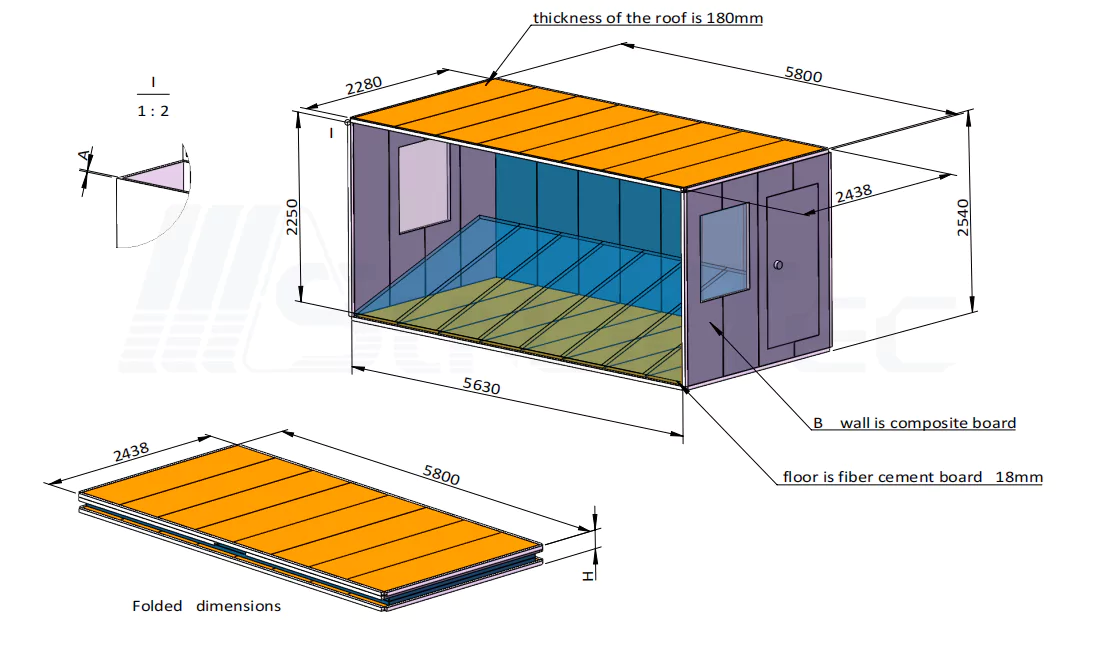
Отдельные конструктивные модули спроектированы с высокой точностью для максимального увеличения внутреннего объема при строгом соответствии стандартным размерам морских контейнеров. Такая бесшовная логистическая совместимость значительно снижает затраты на морские перевозки и гарантирует беспроблемную доставку на тесные городские строительные площадки.
Устойчивое развитие и экологические преимущества
Сейчас многие компании отслеживают свое воздействие на окружающую среду. При раскройке на заводе используются точные измерения. Это снижает количество отходов. Меньшее количество рейсов грузовиков и меньшее количество тяжелой техники на предприятии также сокращают выбросы. Эти моменты соответствуют целям ESG, которые используют многие инвесторы.
Гибкость проектирования для многофункциональных или жилых проектов.
Теперь модульные конструкции не обязательно должны выглядеть одинаково. Современные варианты позволяют менять внешние стены, внутреннюю планировку и отделку.
Хотя обширная продуктовая экосистема Sunlit Tec включает в себя разнообразные модульные конструкции, такие как космические капсулы и домики в форме яблока для гостиничного бизнеса, ее технологии высокопрочных стальных каркасных конструкций легко масштабируются до многоэтажных городских конфигураций с высокой плотностью застройки.
Соображения по осуществлению
Проблемы регулирования и зонирования
В каждом городе действуют свои собственные правила по высоте. Заблаговременные переговоры с местными органами власти помогают избежать проблем в дальнейшем. Модульные здания по-прежнему должны соответствовать правилам пожарной безопасности, допустимой нагрузке и доступности, которые применяются к любым другим сооружениям.
Четко оформленные инженерные документы помогают ускорить процесс согласования.
Планирование цепочки поставок и логистики
Грамотное планирование транспортировки является залогом успешной работы по модульному строительству. Модули должны прибыть в правильном порядке для выполнения крановых работ. Любая задержка может повлиять на получение разрешений на строительную площадку.
Модули систематически оптимизируются для глобальной логистики и поставляются либо в стандартных контейнерах ISO, либо с использованием специализированных решений для транспортировки на платформах, что упрощает обработку грузов в порту. Это предоставляет больше возможностей при изменении условий на площадке. Компания Sunlit Tec сотрудничает с партнерами, чтобы обеспечить соблюдение этих требований.
Примеры успешных проектов и рыночные тенденции
Модульные дома, которые можно собирать друг на друга, сейчас появляются во многих местах. В Токио используют микроблоки. В Лондоне студенческие общежития разместили на старых парковках. В Ванкувере проекты социального жилья завершились на 40 процентов быстрее, чем обычно.
Рыночные данные свидетельствуют о стабильном росте. Застройщики выбирают модульные конструкции, чтобы добавлять новые квартиры, не покупая землю. Рост особенно заметен в Азиатско-Тихоокеанском регионе, где компания Sunlit Tec поставляет оборудование для многих проектов.
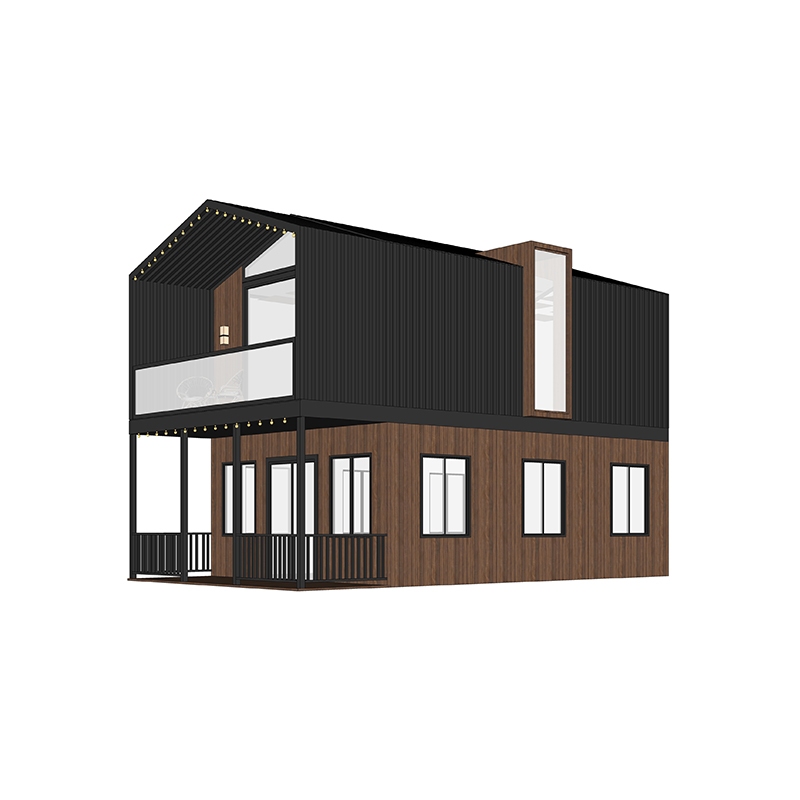
Почему Sunlit Tech — лучший партнер?
Компания Sunlit Tec предлагает больше, чем просто заводскую сборку. Она поддерживает весь процесс, включая обсуждение проекта, проверку соответствия нормативным требованиям, планирование транспортировки и помощь после установки.
С 2014 года команда Sunlit Tec значительно выросла. Теперь она создает модули с современным дизайном и расширенными функциональными возможностями. Возможна разработка индивидуальных проектов с учетом потребностей различных клиентов. Благодаря этому опыту Sunlit Tec является источником новых идей и надежным партнером для крупных городских проектов.
Техническая группа работает с архитекторами, чтобы согласовать цели каждого проекта. Цели могут включать в себя повышение арендной платы за участок или быстрое развертывание производства на нескольких объектах.
Вывод
Штабелируемые модульные дома Это не просто архитектурная тенденция; это прагматичный ответ на глобальное давление урбанизации — сочетание скорости реализации с обеспечением структурной целостности и бережным отношением к окружающей среде. Внедряя эти системы через таких партнеров, как Sunlit Tec, застройщики получают доступ к масштабируемым моделям, которые переосмысливают вертикальный рост городов, сохраняя при этом их экологическую устойчивость.
Свяжитесь с компанией Sunlit Tech сегодня! чтобы изучить индивидуальные конфигурации, подходящие для вашего следующего проекта городского развития.
Часто задаваемые вопросы
В1: Чем отличается модульное жилье, которое можно штабелировать, от традиционного модульного строительства?
В модульных конструкциях основное внимание уделяется вертикальной прочности. Модули строятся таким образом, чтобы их можно было устанавливать друг на друга в несколько ярусов. Это позволяет максимально эффективно использовать городскую землю. Стандартные модульные блоки обычно имеют один этаж и предназначены для пригородных районов.
В2: Как модульное жилье снижает общую стоимость проекта?
Заводские работы сокращают количество отходов материалов. Работы на площадке и на заводе выполняются одновременно. Более короткие общие сроки снижают затраты на финансирование по сравнению со старыми методами строительства.
Вопрос 3: Что повлияет на цену капсульных домов в 2026 году?
Размер, материалы, внутренние системы, индивидуальная настройка, транспортировка, земляные работы и региональные требования — все это влияет на цену капсульного дома.
Вопрос 4: Какие типы городских проектов лучше всего подходят для модульного жилья, размещаемого друг на друге?
Идеальные варианты применения включают застройку небольших участков, многофункциональные торговые и жилые высотные здания, студенческие общежития рядом со школами, а также жилье для временного проживания рабочих рядом с заводами.
В5: Как компания Sunlit Tec поддерживает клиентов B2B в рамках модульного процесса?
Компания Sunlit Tec оказывает поддержку на всех этапах, начиная с первоначальной оценки затрат и планирования транспортировки и заканчивая окончательной сборкой. Цель – обеспечить бесперебойный процесс между производством на заводе и работами на объекте на каждом этапе. дома, которые можно строить друг на друга проект.