Введение
Современная рабочая среда быстро меняется, и к 2026 году гибкие офисы станут нормой. Компании ищут решения, которые позволили бы им адаптировать свою деятельность в зависимости от проектов, возможности удаленной работы и создания гибридных рабочих мест. Среди всех этих изменений один тип офиса особенно хорошо соответствует современным требованиям – контейнерный офис.
Основана в 2014 году. Sunlit Tec компанией Компания Sunlit Tec находится в авангарде модульной архитектуры и зарекомендовала себя как надежный поставщик модульных офисных блоков, подходящих как для удаленных мест, так и для временных корпоративных объектов. Будучи производителем стальных конструкций и новатором в области мобильного жилья, Sunlit Tec теперь предлагает эффективные, мобильные и экономичные модульные офисные решения, которые станут ключевыми элементами новой волны технологий портативных рабочих пространств.
Почему офисы из контейнеров меняют современные рабочие пространства
Гибкость для удаленной и очной работы.
Контейнерные офисы Они привлекают внимание благодаря своей модульной конструкции. Такая система позволяет каждому блоку функционировать как отдельный элемент. Рабочие изготавливают их на заводах и быстро собирают на месте. Такие отрасли, как строительство, нефтегазовая промышленность или полевые исследовательские станции, выигрывают от быстрой установки без обычных задержек, связанных с стационарными конструкциями. Контейнерные модули штабелируются или соединяются, образуя многоуровневые планировки или большие рабочие зоны. Такая простота адаптации подходит для предприятий, где потребности площадки или численность персонала часто меняются.
Экономически эффективная альтернатива традиционным офисам
Строительство стандартных офисных зданий занимает месяцы планирования, получения разрешений и привлечения рабочей силы на месте. Модульные офисы из контейнеров, напротив, собираются вне строительной площадки в стабильных условиях. Это сокращает как время, так и затраты. Низкая стоимость строительства здесь является главным преимуществом. По сравнению с кирпичными или бетонными офисами, мобильные дома обходятся дешевле в целом, поскольку большую часть работ выполняют заводы, а сборка завершается на месте. Для покупателей, которые управляют несколькими строительными площадками или сдают помещения в краткосрочную аренду, такой подход обеспечивает очевидную экономию на крупных затратах, сохраняя при этом высокий уровень комфорта и функциональности.
Экологичность и возможность повторного использования
Офисные контейнеры построены в соответствии с принципами повторного использования. Они перемещаются с места на место, выдерживают многократное использование и изготавливаются из таких материалов, как оцинкованные стальные каркасы и теплоизоляционные панели, которые хорошо поддаются переработке. Мобильные дома, как экологически чистый тип строительства, сокращают количество отходов во время строительства и позволяют использовать их многократно. После завершения проекта команды могут переместить контейнеры или присвоить им новые функции. Это сокращает количество отходов по сравнению со стационарными зданиями. Компании, отслеживающие цели ESG или отчитывающиеся об экологической эффективности, отмечают, что этот метод улучшает их имидж и снижает общий уровень выбросов.
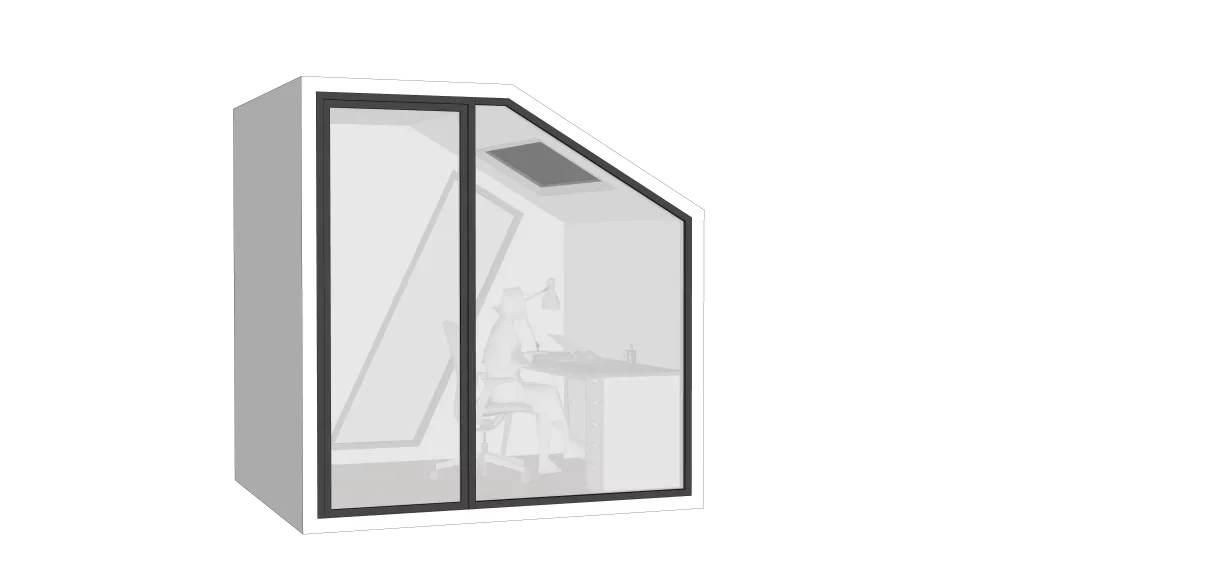
Индивидуальные решения для офисных помещений из контейнеров от Sunlit Tec
Варианты индивидуального дизайна
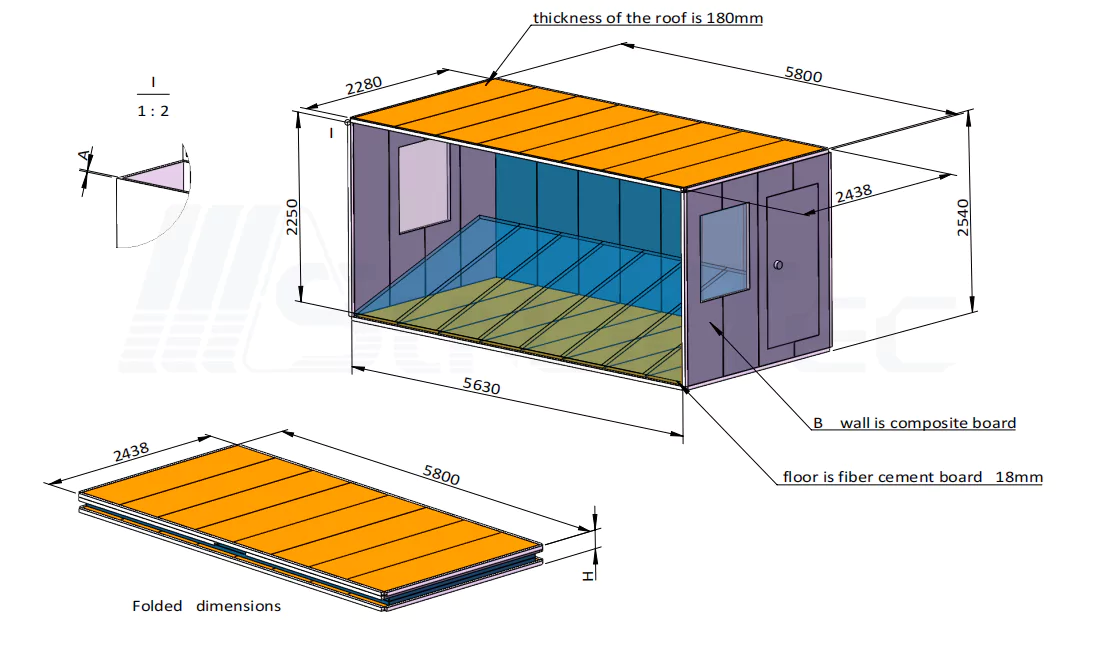
Модульные офисные системы Sunlit Tec Допускаются полные изменения в размере, планировке, уровне теплоизоляции и материалах отделки. Покупатели могут выбирать отдельные компактные блоки или группы контейнеров, включающие переговорные комнаты и зоны отдыха. Контейнерные дома изготавливаются в соответствии с пожеланиями клиента по длине, ширине и высоте. Компания разрабатывает визуальные планы, соответствующие этим запросам. Такой ассортимент помогает фирмам обустраивать рабочие пространства под повседневные задачи, а не размещать команды в фиксированных помещениях.
Расширенные функции для повышения производительности
Каждый контейнерный офис Sunlit Tec оснащен современными удобствами. Системы отопления, вентиляции и кондиционирования воздуха регулируют температуру. Светодиодное освещение экономит энергию. Быстрые сетевые порты поддерживают работу в цифровом формате. «Умные» замки обеспечивают дополнительную безопасность. Внутренняя отделка ориентирована на комфорт во время длительных смен. Компания использует материалы, соответствующие международным стандартам безопасности. Такой выбор обеспечивает безопасность помещений и их пригодность для посещения клиентами.
Соответствие стандартам и стандартам безопасности
В Sunlit Tec на каждом этапе соблюдаются правила техники безопасности. контейнерный офис Соответствует противопожарным нормам, требованиям к несущей способности, электротехническим нормам и местным строительным правилам. В основной раме используются оцинкованные стальные трубы, соответствующие сейсмическому классу 10 и ветроэнергетическому классу 12. В качестве теплоизоляционного слоя используется полиуретан, огнестойкий и невоспламеняющийся. Эти характеристики обеспечивают устойчивость конструкций в сейсмоопасных зонах и при суровых погодных условиях.
Преимущества развертывания и мобильности
Быстрая установка на месте
Заводская сборка сокращает время установки. Большинство модулей Sunlit Tec поставляются уже с проложенной проводкой и трубами. Подготовка к заземлению минимальна. Многие установки начинают работу в течение нескольких дней, а не недель.
Простота переезда и расширения
Мобильность обеспечивает очевидные преимущества. Модули выдерживают подъем краном или перемещение грузовиками между площадками без повреждений. По мере роста или сокращения масштабов проекта бригады добавляют модули, штабелируя их или соединяя бок о бок с помощью стандартных соединителей. Этот метод является признаком эффективного модульного проектирования.
Примеры применения в промышленных и удаленных приложениях
Их применение охватывает множество областей. Строительные бригады устанавливают их в качестве основных узлов на крупных объектах. Бригады нефтегазовой отрасли размещают их на буровых площадках, где важна быстрая переброска грузов. Гуманитарные организации используют их для оказания помощи, поскольку их установка происходит быстро. Технологические компании пробуют их в качестве краткосрочных студий на этапах роста. Эти примеры показывают, как... портативное рабочее пространство Модели сочетают в себе функциональность и возможность легкой адаптации к различным секторам.
Экономическая эффективность и рентабельность инвестиций для покупателей B2B
Снижение затрат на строительство и техническое обслуживание.
По сравнению со стандартными зданиями, требующими бетонного основания и сложных инженерных коммуникаций, офисы из контейнеров позволяют сократить первоначальные затраты примерно вдвое. Прочные металлические стены также снижают затраты на обслуживание, поскольку они устойчивы к ржавчине и вредителям.
| Категория расходов | Традиционный офис | Контейнерный офис |
| Время строительства | 6-12 месяцев | 2–6 недель |
| Средняя стоимость за м² | Высокий (кирпич/бетон) | на 30–50% ниже |
| Периодичность технического обслуживания | Регулярный ремонт | Минимальное техническое обслуживание |
Мобильные дома позволяют снизить эксплуатационные расходы. Их простая конструкция упрощает замену деталей.
Сокращение времени простоя и производственных сбоев.
Поскольку модули изготавливаются вне строительной площадки, компаниям удается избежать длительных перебоев в работе, характерных для обычного строительства. Работа продолжается, пока рядом устанавливаются новые модули. Это преимущество особенно важно в промышленных условиях.
Долгосрочная стоимость активов
В отличие от арендованных помещений, которые со временем теряют свою ценность, контейнерные офисы остаются реальными активами. Команды могут переместить их или продать позже. Повторное использование в разных проектах приносит ощутимую прибыль и превращает единовременные затраты в долгосрочную ценность.
Вывод
Контейнерные офисы предлагают не только мобильное пространство. Они демонстрируют, как компании переосмысливают планировку рабочих мест в условиях меняющейся рыночной конъюнктуры. Они обеспечивают гибкий, экономически эффективныйи надежные решения для организации рабочего пространства которые подходят для развития городов или удаленных объектов.
Компания Sunlit Tec возглавляет эти изменения благодаря своим модульный офис, изготовленный на заказ Диапазон. Эти устройства сочетают в себе комфорт, соответствие правилам и плавное перемещение между зонами. Для групп, которым необходимы надежные решения для организации мероприятий без ущерба для качества или экологических стандартов, линейка продукции Sunlit Tec обеспечивает очевидные результаты во многих областях. Свяжитесь с Sunlit Tec изучите варианты модульных офисных помещений, разработанных специально для ваших проектов.
Часто задаваемые вопросы
В1: Каков типичный срок поставки контейнерного офиса Sunlit Tec?
А: Время изготовления зависит от конструкции. Большинство изделий изготавливаются на заводе в течение двух недель. Работы на объекте добавляют еще около четырех недель. Весь процесс занимает от двух до шести недель после утверждения заказа.
Вопрос 2: Можно ли объединить или расширить эти офисы в будущем?
А: Да. Каждый модуль имеет заданные размеры. Это позволяет устанавливать модули друг на друга или размещать их боком для дальнейшего расширения без длительных задержек.
Вопрос 3: Подходят ли контейнерные офисы Sunlit Tec для экстремальных погодных условий?
А: Да. В них используются утепленные стены из негорючего полиуретана. Каркас из оцинкованной стали выдерживает ветер силой до 12 баллов.
Вопрос 4: Как модульный офис соотносится по стоимости с традиционным строительством?
А: Модульные конструкции обычно снижают общие затраты на установку на 30–50 процентов. Кроме того, они сокращают время монтажа по сравнению с бетонными конструкциями.
В5: Какие варианты персонализации доступны для B2B-клиентов?
А: Покупатели могут корректировать внутреннюю планировку, системы отопления, вентиляции и кондиционирования, освещение, сетевые порты и фирменную символику в соответствии с конкретными потребностями работы в мобильных помещениях.