Введение
К 2026 году застройщики столкнутся с жестким балансом: ростом затрат на материалы и рабочую силу, нехваткой квалифицированных рабочих и новыми мандатами устойчивости, встроенными в обновленные строительные кодексы. Эти проблемы делают традиционные проекты непредсказуемыми как по стоимости, так и по графику. На этом фоне контейнерные корпусы стали масштабируемой и эффективной альтернативой.
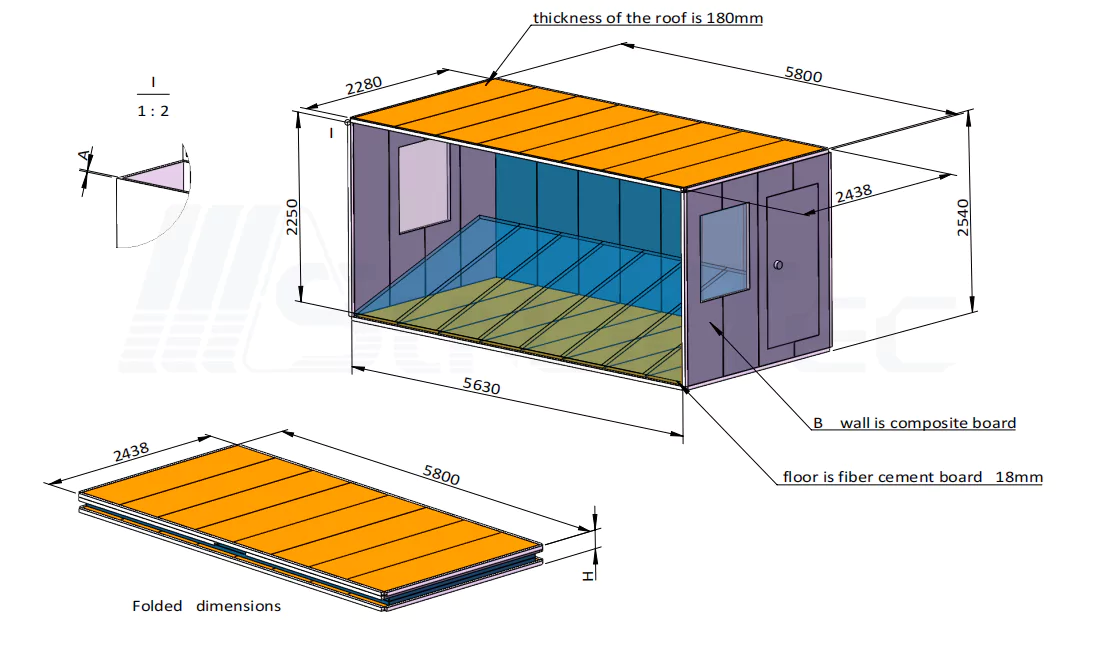
Мобильные дома, в целом, означают сборные конструкции, изготовленные на заводе, которые могут смещаться как полные единицы или просто разрушаться, перемещаться и вновь собираться вместе. Такой подход обеспечивает сильную гибкость. Это оказывается более бюджетным, чем обычная архитектура. Эта концепция составляет основу сборных модульных систем Sunlit Tec, разработанных для обеспечения измеримых преимуществ в плане затрат благодаря точному производству и быстрому развертыванию.
Sunlit Tec компаниейСерии Space Capsule и Container House показывают, как сборная модульная конструкция может изменить финансирование проектов для разработчиков. Разработанные для многоквартирных домов, деловых зон, жилья для рабочих или площадок, эти единицы обеспечивают более быстрое завершение проекта, стабильное бюджетирование и лучшую доходность B2B. Производительность завода в сочетании с модульным ростом делает контейнерное жилье умным ответом на нестабильный строительный рынок 2026 года.
Подробная разбивка затрат: контейнерное жилье против традиционного строительства
Разработчики оценивают корпус контейнера сравнение расходов на традиционное строительство к 2026 году заметить четкие контрасты между основными областями:
| Категория | Контейнерный корпус (Sunlit Tec Modular) | Традиционное строительство | Чистая экономия разработчиков |
| Первоначальные расходы | $100–$350 за квадратный фут | $200–$600 за квадратный фут | 20-50% ниже |
| Материалы | Переработанные стальные рамы и изолированные панели | Смесь древесины/бетона с большим количеством отходов | Ниже из-за закупок стали |
| Трудовой | Заводная сборка; Минимальная работа на месте | Высокая зависимость от рабочей силы на месте | Экономия 30-40% |
| Фонд & разрешения | Упрощенные подложки или причальные фундаменты; Меньше проверок | Полная раскопка и заливание бетона необходимы | Снижение расходов на подготовку сайта |
| Транспорт/логистика | Единицы, поставляемые предварительно сглобленными или в плоской упаковке; короткое время установки | Непрерывные поставки в течение месяцев строительства | Более низкие расходы на логистику |
| Окладка & Настройка | Контролируемая среда отделки; OEM настройка доступна | Общая переработка на месте; Частые задержки погоды | Предсказуемое качество и стоимость |
Проекты с использованием контейнеров часто завершаются в 4-8 недельВ отличие от традиционных построений 6-24 месяцаЭти более короткие периоды приводят к снижению процентов по кредитам. Они также ускоряют генерирование дохода. Такие элементы имеют большое значение в расчетах возврата разработчика.
Местные различия возникают из-за скорректированных цен на материалы из-за инфляции. Однако общая тенденция сохраняется. Модульные контейнерные дома дают значительную экономию. В то же время они сохраняют структурную прочность на уровне стандартных подходов.
Модульный контейнерный корпус Sunlit Tec: инженерные характеристики повышают эффективность затрат
Модульная линейка Sunlit Tec иллюстрирует, как прогресс в проектировании напрямую влияет на финансы разработчиков:
- Легкие стальные алюминиевые рамки:
Каждый блок использует оцинкованные стальные трубы. Они предлагают сейсмическое сопротивление уровня 10 и ветровое сопротивление уровня 12. Материалы оказываются жесткими и простыми в перемещении.
Основная рама мобильного дома состоит из оцинкованных стальных труб. Такая установка обеспечивает полную безопасность дома. - Стекируемый модульный дизайн:
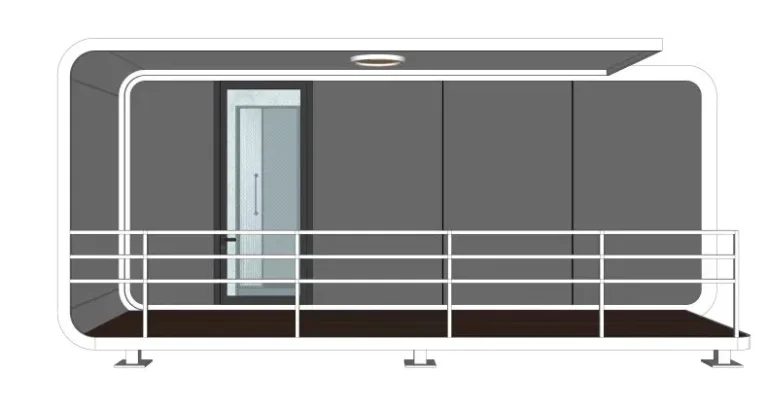
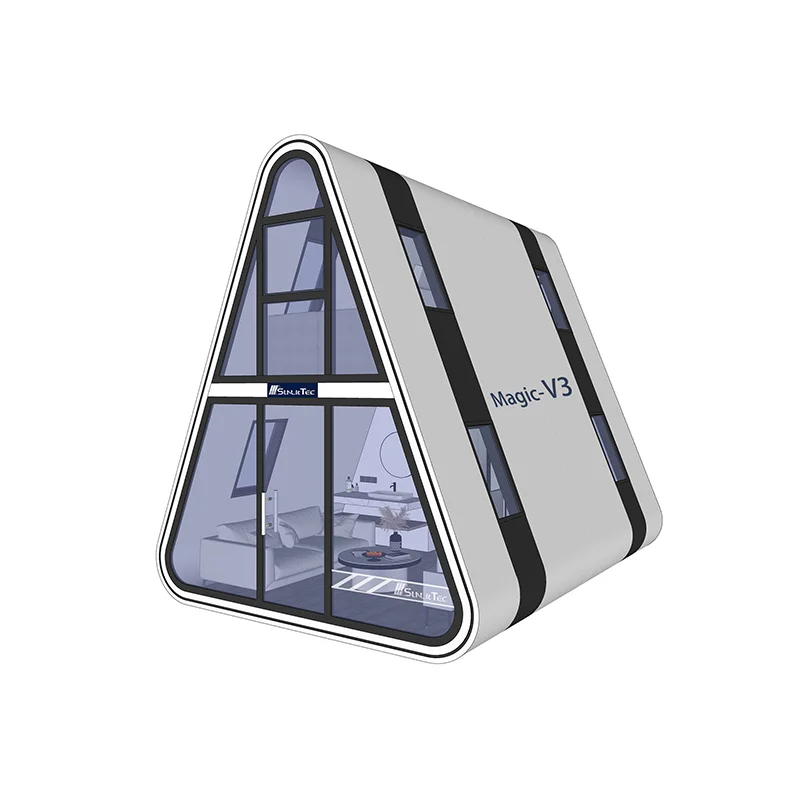
Линии как Космическая капсула E2/E3/V3/X7 позволяют складывать до трех уровней высоты. Дополнительного укрепления не требуется. Этот рост повышает эффективность земли. Он хорошо подходит для городских или курортных настроек. - Подгонка OEM/ODM:
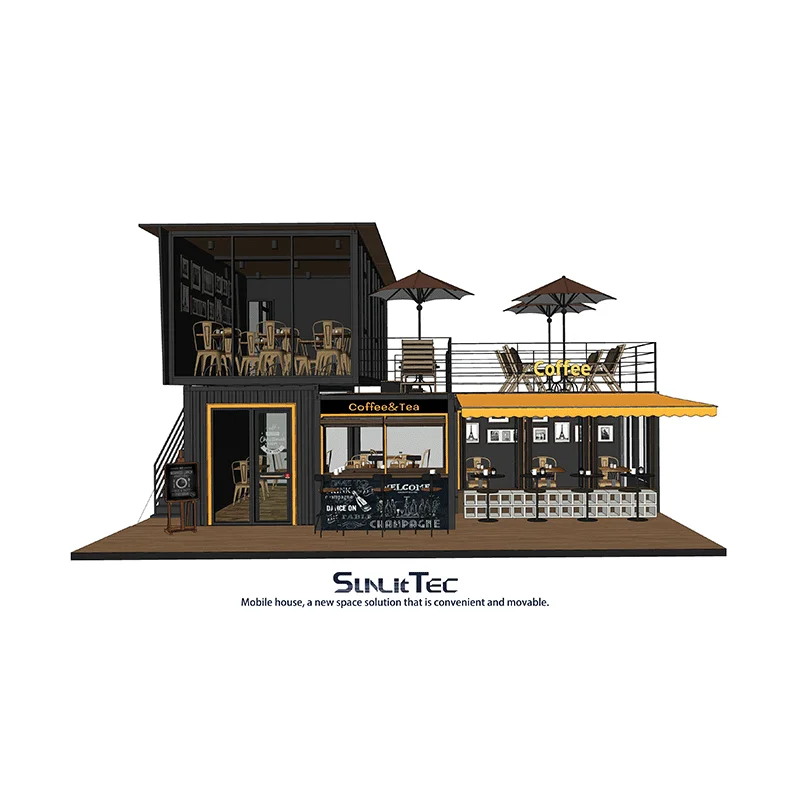
Разработчики могут запросить настройки. Примеры варьируются от магазинных стендов до небольших двухкомнатных квартир. Такие изменения позволяют избежать обычных сборов за перепроектирование. - Интеграция устойчивости:
Префабрикация сокращает объем отходов. Он использует пожарную полиуретановую изоляцию для лучшего использования энергии. Изоляционный слой использует полиуретан с огневой защитой для непропожаренности. Все внутренние материалы поступают из экологически чистых источников. Эти качества соответствуют преимуществам зеленого строительства в различных местных планах.
Для бизнес-клиентов эти черты приносят стабильные ценовые настройки, небольшое количество рабочей силы на месте и подходят для различных деловых целей. Подумайте о всплывающих магазинах или зданиях комбинированного использования. Все это помогает повысить прибыль проекта.
Реальная рентабельность инвестиций B2B и масштабируемость для разработчиков
Привлечение модульных контейнерных домов выходит за рамки первоначальных сокращений. Это включает в себя более быстрое движение денежных средств:
- Ускорение доходов: Проекты достигли занятости на шесть месяцев раньше, чем стандартные строительства. Этот сдвиг означает более ранний доход от аренды или начало бизнеса.
- Межсекторальные приложения: Усилия по обеспечению жилья рабочих показывают снижение стоимости единицы более чем на 30%. Например, в недавнем проекте в Техасе модули Sunlit Tec сократили время установки на 50 единиц. Группы гостеприимства выбирают устройства Apple Cabin Sunlit Tec для настроек глампинга. Они взимают высокие ночные платы. Тем не менее, им требуется мало наземных работ.
- Операционная долговечность: Прочная стальная конструкция снижает затраты на обслуживание до 40%. Изолированные панели также облегчают счета за отопление и охлаждение в течение всего года. Отчеты отрасли от аналогичных установок подтверждают экономию энергии на 25% в холодном климате, таком как Средний Запад.
- Выровнение циркулярной экономики: На фоне правил 2026 года, подчеркивающих повторное использование и сокращение выбросов, контейнерные корпусы уменьшают риски поставок. Это зависит от стандартных деталей, а не колебаний сырья.
Разработчики, использующие модульные контейнерные дома, видят более быстрые пути возвращения. Их средства остаются свободными от длительных этапов строительства. Этот край считается, когда ставки по кредитам остаются высокими.
Соображения по реализации и уменьшение рисков для разработчиков
Хотя модульные настройки облегчают многие части разработки, реальные факторы сохраняются:
- Требования к фонду: Световые модули по-прежнему требуют твердой наземной базы. Sunlit Tec предлагает бетонные подушки или гибкие кронштейны. Выбор зависит от типа земли.
- Зонирование и Разрешение: Региональные правила могут уникально обозначать контейнерные конструкции. Ранний разговор с местными офисами позволяет избежать задержек.
- Настройка Дополнения: Добавление солнечных установок или умных технологий повышает стартовые затраты. Однако это увеличивает стоимость активов со временем.
- Планирование капитала: Заводная работа сокращает общие расходы. Тем не менее, шаги оплаты, такие как 50% заранее, требуют умной обработки наличных.
Перечень лучших практик
- Проведение подробных оценок объекта перед заказом модулей
- Сравните ставки с использованием общих затрат на жизненный цикл (не только ставки на квадратный фут)
- Осуществление поэтапных закупок для многоподразделений
- Используйте команду поддержки Sunlit Tec от проектирования до установки для координации логистики
Эти шаги сводят к минимуму переходы, сохраняя при этом соблюдение местных правил - сбалансированный подход, который защищает маржи разработчиков.
Вывод
На развивающемся рынке недвижимости в 2026 году сборные модульные решения Sunlit Tec демонстрируют измеримые преимущества по сравнению с традиционными методами строительства. При снижении затрат на 20% to 50% и значительно сжатые временные рамки, эти масштабируемые системы повышают финансовую устойчивость разработчиков. Модульные контейнерные блоки позволяют проектам перейти от планирования к получению дохода за несколько недель, а не месяцев, при этом удовлетворяя требованиям устойчивости действующих строительных кодексов.
Сотрудничество со специализированным модульным поставщиком, таким как Sunlit Tec, облегчает конкурентоспособное ценообразование без ущерба для конструктивной целостности или качества. Группа Sunlit Tec предоставляет индивидуальные обзоры затрат, адаптированные к конкретным требованиям проекта. Эти инженерные контейнерные настройки предназначены для оптимизации отдачи в жилом, коммерческом или гостеприимном секторах.
Часто задаваемые вопросы
Вопрос 1: Каковы основные факторы затрат при сравнении контейнерного жилья с традиционным строительством для проектов среднего масштаба?
Ответ: Ключевые контрасты исходят из преимуществ производства на основе растений. К ним относятся меньше рабочих часов, групповая покупка таких предметов, как оцинкованная сталь над деревом, и меньше задержек от погоды. Все это добавляет к экономии проекта от 20% до 50%.
Вопрос 2: Как сборные модульные контейнерные системы влияют на сроки строительства и затраты на финансирование по сравнению с методами, построенными на объекте?
Ответ: Модульные блоки, такие как отделка Sunlit Tec, заканчиваются за четыре-восемь недель. Традиционные занимают шесть месяцев или больше. Это ускорение снижает кредитные процентные риски. Это также ускоряет доходы, когда люди переезжают.
Вопрос 3: Какими способами космические капсулы и контейнерные дома в стиле Sunlit Tec обеспечивают долгосрочное обслуживание и экономию энергии для коммерческих разработок?
А: Их смешанные алюминиево-стальные рамки хорошо борются с ржавьей. Высокоизоляционные полиуретановые панели значительно сокращают энергопотребление HVAC. Это подходит для магазинов или офисных растений, требующих низких эксплуатационных затрат.
Вопрос 4: Какие нормативные и разрешительные соображения должны оценивать застройщики при выборе контейнерного жилья по сравнению с обычными подходами к строительству в 2026 году?
Ответ: Разработчики должны проверить зонирование площади для движимых и стационарных домов. Некоторые места могут потребовать изменения процессов проверки. Тем не менее, основы остаются легче, чем полнобетонные подконструкции.
Вопрос 5: Как масштабируемость и настройка модульного контейнерного корпуса влияют на общую рентабельность инвестиций для многосемейных или смешанных проектов недвижимости?
Ответ: Складываемые планы позволяют разработчикам расти пространство без больших изменений. Пошивка OEM/ODM подходит для различных арендаторов. От быстрого пребывания до общих рабочих зон, это повышает долгосрочные показатели заполнения и шансы на возвращение.