Введение
Города действительно переполнены. Нет земли, стоимость земли постоянно растет. Необходимо осуществлять проекты реконструкции. Старые способы строительства не работают хорошо в таких ситуациях. Именно здесь появляется жилье космической капсулы. Это не идея, это то, что уже используется в городах.
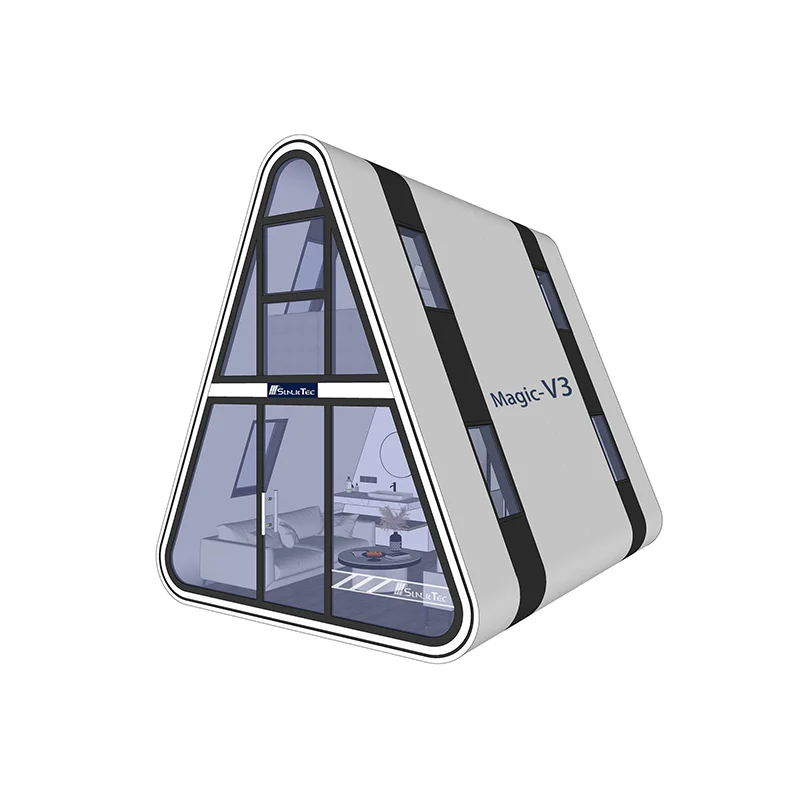
За несколько лет модульные капсульные блоки стали практическим решением для городов. Sunlit Tec компанией Компания, которая производит контейнерные структуры. Они сделали ряд зданий в стиле капсулы, которые’ идеально подходит для городской реконструкции. Эти здания быстры, гибки и очень удобны.
Что такое конструкция космической капсулы?
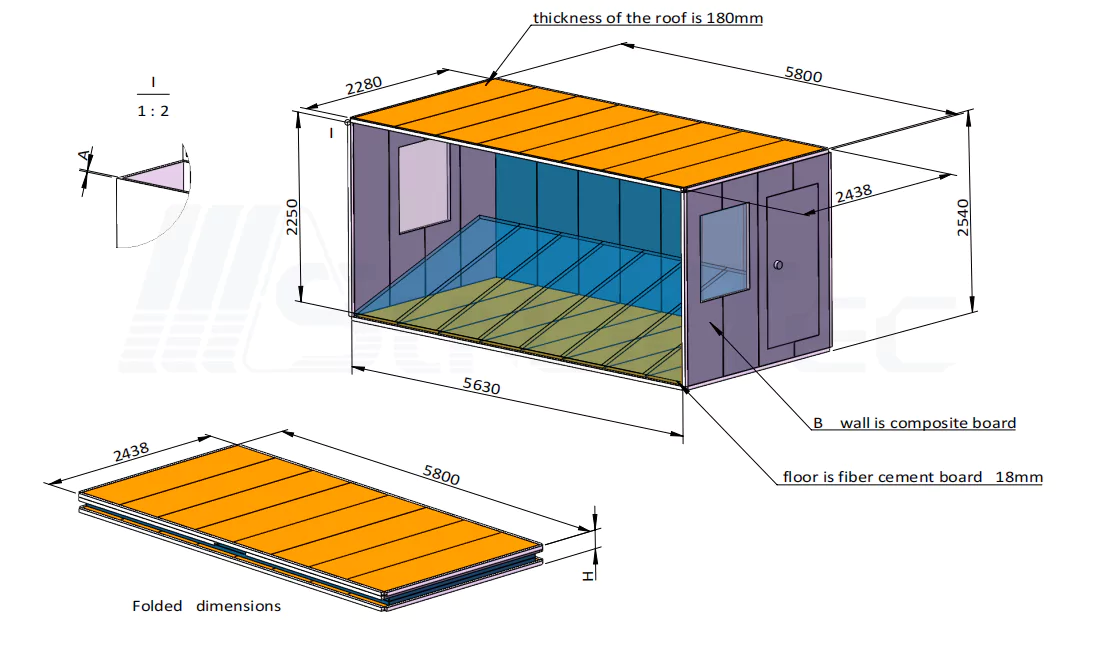
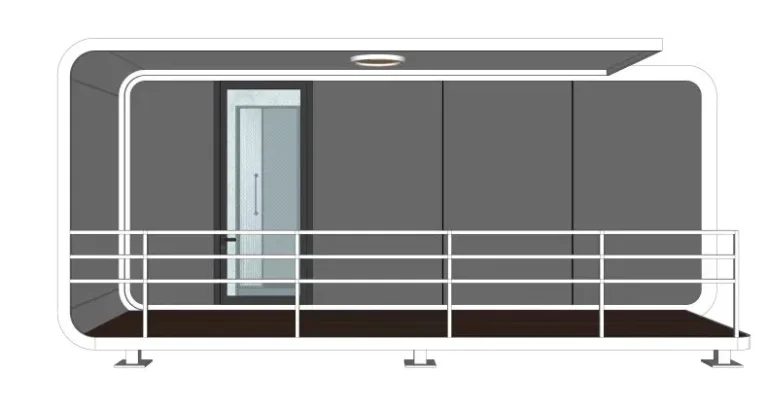
Космическая капсула конструкции относится к компактным сборным блокам, построенным с модульной конструкцией. В отличие от традиционных зданий, большая часть работы происходит на заводе до того, как блоки транспортируются и устанавливаются на месте.
Ключевые структурные особенности
- Компактный отпечаток:Разработан для тесных городских условий
- Модульная сборка:Единицы могут быть объединены или сложены
- Конструкция стальной рамы:Обеспечивает долговечность и длительный срок службы
- Интегрированные системы:Предварительно установленная электрическая, сантехника и изоляция
Капсульные блоки Sunlit Tecs являются примером. Они используют стальные конструкции и изолированные стенные панели. Это означает, что они могут использоваться в типах погоды от жарких и влажных городов до холодных городов.
Почему космические капсулы подходят для городской реконструкции
Проекты реконструкции городов часто сталкиваются с ограничениями - ограниченными землями, существующей инфраструктурой и строгими сроками. Капсульные блоки непосредственно решают эти проблемы.
Ключевые преимущества
- Эффективное землепользование
Небольшие отпечатки позволяют более функциональным устройствам в ограниченном пространстве. В старых городских районах это может сделать ранее неиспользуемую землю снова жизнеспособной. - Быстрая установка
Поскольку блоки предварительно построены, установка может занять несколько дней, а не месяцев. Небольшой кластер капсул может быть введен в эксплуатацию в течение нескольких недель. - Минимальное нарушение сайта
Меньше строительства на месте означает уменьшение шума, пыли и нарушений - что городские планировщики заботятся больше, чем когда-либо. - Гибкое развертывание
Единицы могут быть временными или постоянными. Некоторые проекты даже переместили их через несколько лет.
В Юго-Восточной Азии был осуществлен проект реконструкции, где модульные капсульные блоки использовались в качестве временных розничных торговых помещений во время ремонта торгового центра. После того, как главное здание снова открылось, эти единицы были перемещены и повторно использованы в другом месте. Не плохая сделка, честно говоря.
Типы конструкций космических капсул
Не все городские проекты требуют одинакового типа блока. Некоторым сайтам нужна жилая площадь, другим нужна розничная торговля, а некоторым просто нужно что-то быстрое и функциональное. Вот почему настройки космической капсулы обычно относятся к нескольким практическим категориям, которые в большей степени определяются реальными случаями использования, чем теорией.
Жилищные капсулы
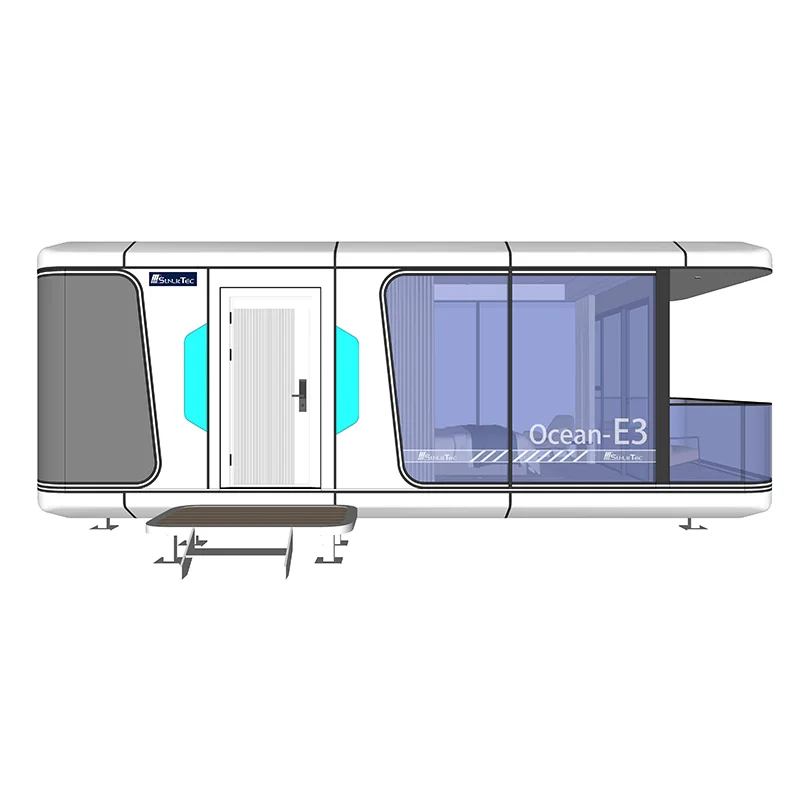
Они построены для тесной городской жизни. Подумайте о микроквартирах, сжатых в старые районы, где пространство ограничено, а аренда продолжает подниматься.
- Компактные макеты с спальником, хранением и небольшой ванной комнатой все в одном блоке
- Часто используется в проектах совместного проживания или временном жилье на этапах реконструкции
- Разработано так, чтобы чувствовать себя пригодным для жизни, даже если площадь квадратного метра… ну, довольно минимальная
В некоторых азиатских городах аналогичные подразделения в возрасте до 20 лет ㎡ Они уже распространены, особенно вблизи транзитных узлов.
Коммерческие капсулы
Розничная торговля движется быстро, особенно в городских зонах, где договоры аренды не всегда длится долго. Эти устройства созданы для такого темпа.
- Всплывающие магазины, кофейные стенды и киоски с видом на улицу
- Небольшие офисные капсулы для продажи билетов или обслуживания клиентов
- Внешний дизайн обычно имеет большое значение здесь - брендинг, как правило, приводит к движению пешеходов
Несколько проектов показали, что хорошо расположенный капсульный магазин может превзойти традиционный магазин, в основном потому, что он выделяется больше.
Капсулы гостеприимства
Короткие пребывания, быстрый оборот и ограниченное пространство - вот где они входят.
- Капсульные отели и модульные гостевые номера
- Используется в туристических районах или вблизи аэропортов и железнодорожных вокзалов
- Интерьеры сосредоточены на основных вещах, но все же стремятся к достойному гостевому опыту
Не роскошь, конечно. Но эффективно, и это часто важно в местах с высоким трафиком.
Капсулы общественной службы
Это больше о функции, чем что-либо другое. Простый, прочный, простой в установке.
- Билетные касы, информационные пункты и станции безопасности
- Часто размещаются в транспортных узлах или событиях
- Создан для быстрой настройки и низкого обслуживания, а не визуальной привлекательности
Ключевые факторы сравнения
Не все капсулы построены одинаково. При оценке вариантов в игру входят несколько факторов.
Обзор сравнения
| Фактор | Что искать | Почему это важно |
| Размер & Макет | Эффективный дизайн интерьера | Влияет на удобство использования в небольших пространствах |
| Материал | Стальная конструкция, изоляция | Влияет на долговечность и безопасность |
| Установка | Prefab vs сборка на месте | Определяет сроки проекта |
| Настройка | Внешний & amp; варианты интерьера | Поддерживает брендинг и функции |
| Стоимость | Первоначальная vs стоимость жизненного цикла | Влияние на ROI |
Частой ошибкой является сосредоточение внимания только на первоначальной стоимости. На самом деле долгосрочная долговечность и техническое обслуживание, как правило, имеют большее значение, особенно в городских условиях с интенсивным использованием.
Применение в проектах городской реконструкции
Конструкции космических капсул уже используются в различных сценариях реконструкции.
Общие случаи использования
- Возрождение безработной земли
Небольшие неиспользованные участки можно быстро превратить в функциональные пространства. - Временные торговые зоны
Во время крупных строительных проектов капсульные блоки могут временно принимать предприятия. - Интеграция туризма
Капсульные отели или центры для посетителей хорошо подходят в городских районах с высоким трафиком. - Развития смешанного назначения
Сочетание жилых, розничных и сервисных капсул создает гибкие городские центры.
В некоторых городах разработчики используют эти блоки в качестве инструментов тестирования. Если концепция работает, скажем, всплывающее кафе, то позже ее можно расширить в постоянную структуру.
Тенденции дизайна в 2026 году
Направление модульных капсульных блоков меняется, особенно в городских контекстах.
Новые тенденции
- Умная интеграция
Системы освещения, контроля доступа и мониторинга энергии с помощью IoT - Фокус на устойчивость
Использование перерабатываемых материалов и энергоэффективная изоляция - Многофункциональные пространства
Единицы, переходящие между жилым и коммерческим использованием - Высшие эстетические стандарты
Дизайны капсул теперь сосредоточены больше на внешнем виде, а не только на функции
Sunlit Tec привела разработку своей продукции в соответствие с этими тенденциями, особенно в области настройки и энергоэффективного дизайна.
Вывод
Корпус космической капсулы вышел далеко за рамки экспериментального использования и сейчас находит прочное место в городской реконструкции. Благодаря ограниченной территории и более жестким временным рамкам модульные капсульные блоки предлагают практический способ быстрее ввести проекты в эксплуатацию, сохраняя при этом гибкость в игре. Во многих городских случаях эти компактные структуры не просто заполняют пробелы, они помогают изменить использование пространства, особенно в смешанных и временных проектах.
Решения Sunlit Tec отражают этот сдвиг к адаптируемым городским микрозданиям. Созданные для реальных условий проекта, а не просто концепций, эти блоки поддерживают масштабируемое развертывание в коммерческих и гостеприимных условиях. Дополнительная информация о продукте и применении доступна через Sunlit Tec.
Часто задаваемые вопросы
Часто задаваемые вопросы
Q1: Для чего используется корпус космической капсулы в городских проектах?
Ответ: Корпус космической капсулы используется для компактных жилых единиц, розничных торговых помещений и временных объектов в районах городской реконструкции с высокой плотностью.
Q2: Как модульные капсульные блоки сокращают время строительства?
А: Модульные капсульные блоки предварительно построены на заводах, поэтому установка на месте гораздо быстрее по сравнению с традиционными методами строительства.
Q3: Подходят ли капсульные блоки Sunlit Tec для долгосрочного использования?
О: Да, блоки Sunlit Tec используют стальные конструкции и изолированные панели, что делает их прочными как для временных, так и для постоянных приложений.
Q4: Могут ли конструкции космической капсулы быть настроены для коммерческого использования?
О: Да, такие продукты, как C3 Customized Shop Container House, поддерживают брендинг, корректировку макета и настройку интерьера для нужд бизнеса.
Q5: Почему космические капсулы популярны в городской реконструкции?
Ответ: Они максимизируют ограниченное пространство, уменьшают сбои в строительстве и предлагают гибкое развертывание, что делает их идеальными для современных городских проектов.