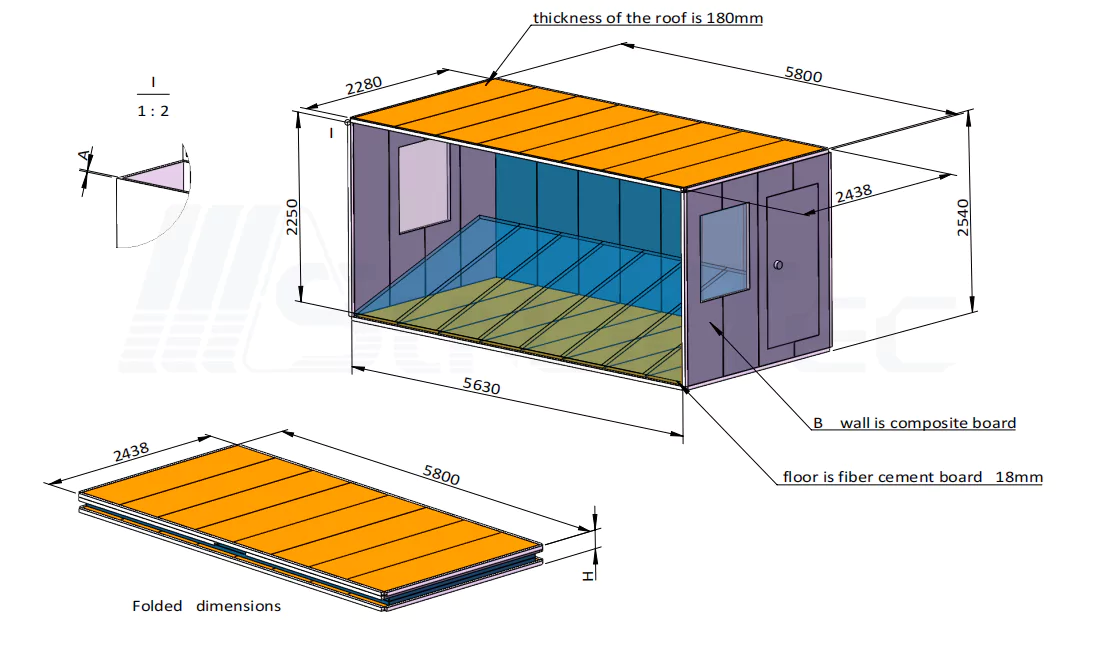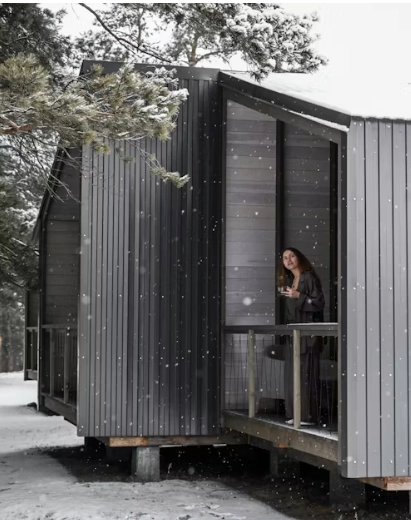
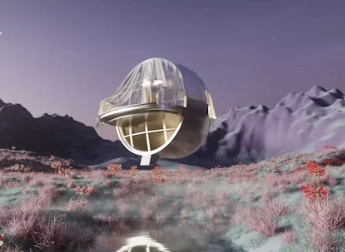
The idea of modular living and working areas has grown quickly with the increase in prefabricated building styles. Mobile homes, in a wide sense, point to factory-made prefab structures that can be shifted entirely or broken apart easily, carried over, and put together again. They provide solid adaptability and cost less overall than usual buildings. Builders make these modular parts from strong materials like galvanized steel, aviation aluminum, and polyurethane insulation. This setup guarantees safety, long life, and ease of use.
The steady rise in interest in modular units comes from their fit for many purposes. They suit well for short-term offices, artistic workrooms, or yard work spots. In business settings, certain small new firms and brief team projects often select mobile homes for changeable, cheap office sites. Alternatively, one might use it as a workshop right in their backyard. Together, the low cost, speedy assembly, and nature-friendly build turn them into a strong option against standard building work.
Benefits of Modular Units for Backyard Office Spaces
A modular yard office brings private space without the high price of a large home fix. Since it arrives pre-built, setup happens fast, usually in a few hours after delivery, and it disturbs the home setup very little. Systems for insulation that save energy cut down on costs over time, and they keep a steady warm level throughout the seasons. On top of that, plans you can change let workers add comfortable seating or home tech setups smoothly into their work area.
Apple Cabin: Features and Advantages
Within choices for private work spaces in modular forms, the Apple Cabin draws notice for its natural shape pulled from outdoor elements. The P3 Apple Cabin mostly includes galvanized steel frames, while the outside layer uses aviation aluminum sheets that appear graceful and open. Such a gentle curve boosts the look and strengthens the frame’s flow against wind pressure.
Our team has made various types fitted to different needs in use, ranging from tight one-person spaces like Apple Cabin P1 Good Insulation Performance to wider setups like the Apple Cabin with Terrace P7.1. You can adjust every one with decks or covers that add a helpful outside area, all while keeping the inner part private.
Functional Layouts
Apple Cabins inside show neatly set areas good for deep focus or quick rests. The whole wall approach lessens heat shift from inside to outside, helps hold a cozy warmth, and trims down expenses for warming or chilling. Choices cover basic one-room designs best for single workers, up to useful two-floor units like L1, which offer clear sections for group talks or downtime. Builders reach energy savings via full-wall insulation boards linked with two-paned glass openings that cut heat passage. Fitted light arrangements and choice smart tools further improve power use in routine activities.
Installation and Setup Requirements
Set up calls for a firm base to secure steadiness and lasting quality. Space capsule houses need a sturdy, even base, such as concrete footings or set bolts on softer grounds. In a like manner, Apple Cabins should avoid direct placement on gravel spots because of possible washout dangers; rather, position them on firm soil or concrete supports with built-in bolts for tight fixing. For those wanting to shift locations, we supply trailer base adjustments that permit simple moves without risking protection.
Space Capsule House: Features and Advantages
Structural Integrity and Design
The Space Capsule range stands for current prefab work at its top level. Its make uses galvanized steel skeletons joined with high-quality aviation aluminum sheets for better power per weight. Built from hot-dip galvanized square pipes and aviation aluminum plates, it forms a firm and neat outer look. The clean forward shape matches today’s gardens or plain yard spaces, and it keeps strong defense against winds (level 12) and shakes (level 9). Examples like the E2 Capsula Espacial de Bom Performance de Insulação stress this toughness beside broad glass parts that pull in daylight, forming a motivating setting that aids good output.
Versatile Interior Configurations
Every capsule blends basic home comforts even in small sizes. The E3 Space Capsule provides one sleeping room, one washroom, one sitting space, and a deck in a 28m² space. All except the D3 type, which stays to a lone-room plan, back full arrangements with lounge areas, food prep spots, washrooms, and rest zones suitable for extended living or ongoing work use. Fitted furniture fixes make room use as effective as possible; climate control devices hold even comfort over months, and extra smart setups allow far-off handling of lights or heat.
Energy System Integration
Our common method ties each capsule right to the country’s power network via pre-set wiring paths that promise steady energy for tech gear or air handling units. Solar panel setups stay as choices tied to your location’s green targets, not as basic parts.
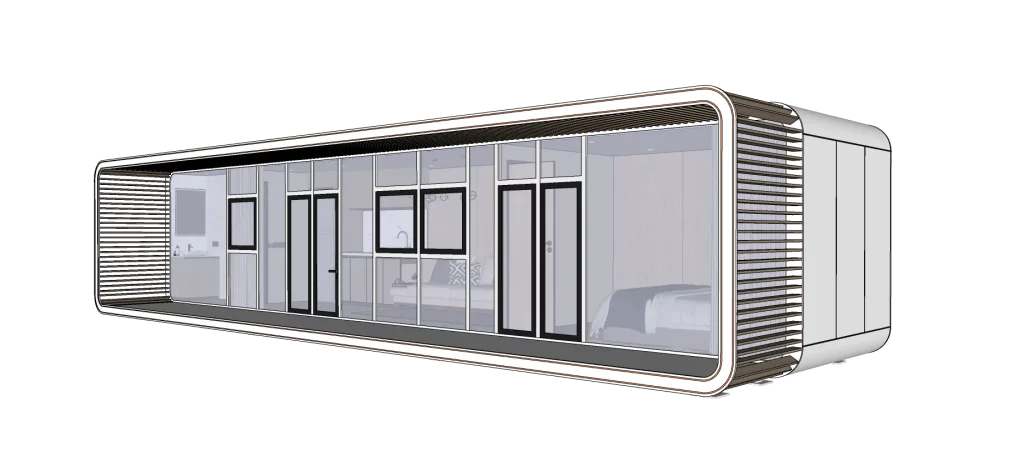
Sunlit Tec: Fornecedor confiável de casas de cápsulas espaciais
Sunlit Tec has changed from early work in steel frame making to a world supplier of combined modular home fixes that include space capsules, apple cabins, container homes, and panel homes. Sunlit Tec is a company that specializes in providing space system solutions for modern integrated cabins, mobile houses, container renovation spaces, smart communities, and other aspects. Our factory sites use cutting-edge tools under ISO-checked control setups to assure accurate making over all product ranges. We follow our brand view closely, “stylish space, practical space, comfortable space,” and keep focused research and development groups set on new energy-saving ideas in prefab forms.
Product Range and Customization Options
Our lineup holds varied types that fit any weather types or land forms, from small capsules good for cramped yards to two-level angled builds that get the most from height in space. Every piece lets inner changes through plan tweaks or style choices that lift both use and style to match buyer needs.
Comparing Apple Cabin and Space Capsule House
Cost Considerations
Even as exact costs shift by type size and custom degree, both kinds of goods gain from making savings from plant prefab ways that greatly lower on-site work costs compared to old builds. The future worth rests in their strong make, where galvanized steel frames fight off rust and covered shells drop energy costs as years pass.
Installation Flexibility
Both forms need solid footings; yet Apple Cabins bring more move chances when linked with trailer base picks, while Space Capsules focus on a lasting but movable setup by crane drops on readied areas.
Suitability for Different Environments
Each modular form shows fit over wide areas, from town yards to beach lands, due to rust-fighting materials such as aviation aluminum covers mixed with polyurethane insulation coats built for harsh temperatures from -40°C lows to +40°C highs. Their plain style makes sure easy blend into mixed land plans, be it near plants or simple stone setups.
Conclusion: Choosing the Right Modular Unit for Your Needs
Choosing between an Apple Cabin or Space Capsule rests chiefly on planned use length, space wants, style pick, and land setup. Folks who value nature-drawn grace with adjustable decks may pick the Apple Cabin group; workers hunting future plainness tied with top build work might go for the Space Capsule range. In both situations, we offer fully ready answers that join design finesse with frame trust suited to any current yard work plan.
FAQ
Q1: What are the foundation requirements for installing a space capsule house?
A1: Space capsule houses require a solid, level surface such as concrete foundations or pre-installed bolts on non-hardened surfaces. Gravel bases are not recommended due to potential instability over time.
Q2: Can the Apple Cabin be customized with additional features?
A2: Yes. Customers may select options including terraces, awnings, or expanded interiors; models like Cabinete da Apple P2 com meio amanhecimento demonstrate how exterior enhancements improve both utility and visual appeal.
Q3: How is energy supplied to the space capsule house?
A3: Typically, these units connect directly to national power grids, ensuring consistent electricity access; solar arrays can be integrated upon request where off-grid operation is desired through our design services available via our contact page on Sunlit Tec’s website.