
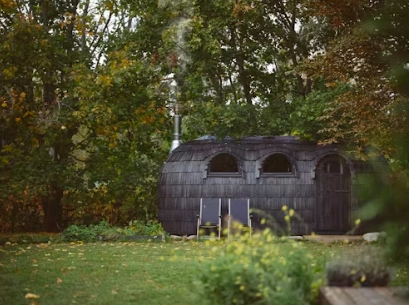
Scenic spots around the globe are seeing a big jump in visitors. This growth ramps up the need for places to stay that can expand easily and set up fast. More tourists mean a push for housing options that scale well and work smoothly. Yet, lots of these sites face tough rules on the environment and have little room to build. So, builders must turn to small-scale and eco-friendly living setups. Limits on nature and tight land supplies push for snug shelter types.
At the same time, today’s visitors want more than a simple spot to sleep. People now favor special and engaging overnight spots that fit right into the wild surroundings. Rolling homes with cutting-edge looks and smart ties to their settings act as both a place to rest and a draw in themselves. They help beautiful areas shine brighter.
Why Are Traditional Lodging Models Becoming Less Viable?
Big setup and care costs in far-off or guarded zones cut down on what’s possible. Plus, their fixed designs don’t handle the ups and downs of tourist crowds well. They lack the bend to match changing visitor flows, which hurts how they run day to day. On top of that, old-style buildings often need drawn-out building periods. That’s the time many travel businesses can’t spare when aiming to cash in on busy times or short events. Such delays block fast rollout.
How Do Capsule Houses Improve Efficiency for Scenic Operators?
Capsule houses get built with clever modular ideas in mind. They take up just a tiny base area but offer plenty of room inside. Smart plans make the most of every bit of inner space despite the small outline. Items like versatile seats and upright layering choices mean no space goes to waste. These features boost how well the area gets used.
This adaptability also shows in how the pieces fit together at the location. You can set them alone or link them into bigger groups. They adjust well to the ground’s shape, whether it’s a hillside, woods, or shore edge. The modular parts let you arrange them flexibly to suit the site’s features.
What Makes Capsule Houses Quick to Deploy?
Capsule housing pieces come pre-made away from the site. They arrive set for speedy setup with little fuss. This works great in spots where heavy building would cause trouble or harm the surroundings. And because they can go on various base types, like tough platforms held by bolts or concrete slabs, installation stays straightforward. In hilly spots like mountains, you need concrete supports with built-in metal sheets for a firm hold. For uneven or sloped ground, those concrete pillars with embedded steel plates become key. Gravel bases get banned outright since they risk washing away over time. So, avoiding such unstable starts keeps everything safe and steady.
How Are Energy Systems Optimized for Sustainability?
By default, capsule homes hook up straight to the country’s main power lines. That gives steady energy in almost all cases. For places cut off from the grid, you can add solar panels if you ask ahead. This setup brings self-reliant power without losing key features. The building stuff, such as aviation aluminum and galvanized steel, lasts long and blocks heat or cold well. As a result, bills for warming or cooling drop in all weather shifts. Such smart choices in materials and power cut down on running expenses while keeping things green.
Can Capsule Houses Deliver a Comfortable Visitor Experience?
These aren’t like quick-fix tents. Capsule houses set up for lasting ease. Most versions have one sleeping area, one sitting space, one cooking spot, and one washing room. This makes a complete home feel. At the same time, strong noise barriers give quiet even when units pack close together. So, guests enjoy privacy no matter the crowd nearby.
Do These Structures Complement Natural Beauty?
Their smooth shapes and forward-thinking outsides let capsule houses mix into wild views without ugly marks. Take the E6 With Balcony Space Capsule, for example. It has 270° wide-view windows and a viewing deck that pulls in the sights around it. Those big 270 ° landscape windows and the 3.3-meter panoramic balcony feel like part of the land itself.
Are Capsule Houses Structurally Reliable in Challenging Environments?
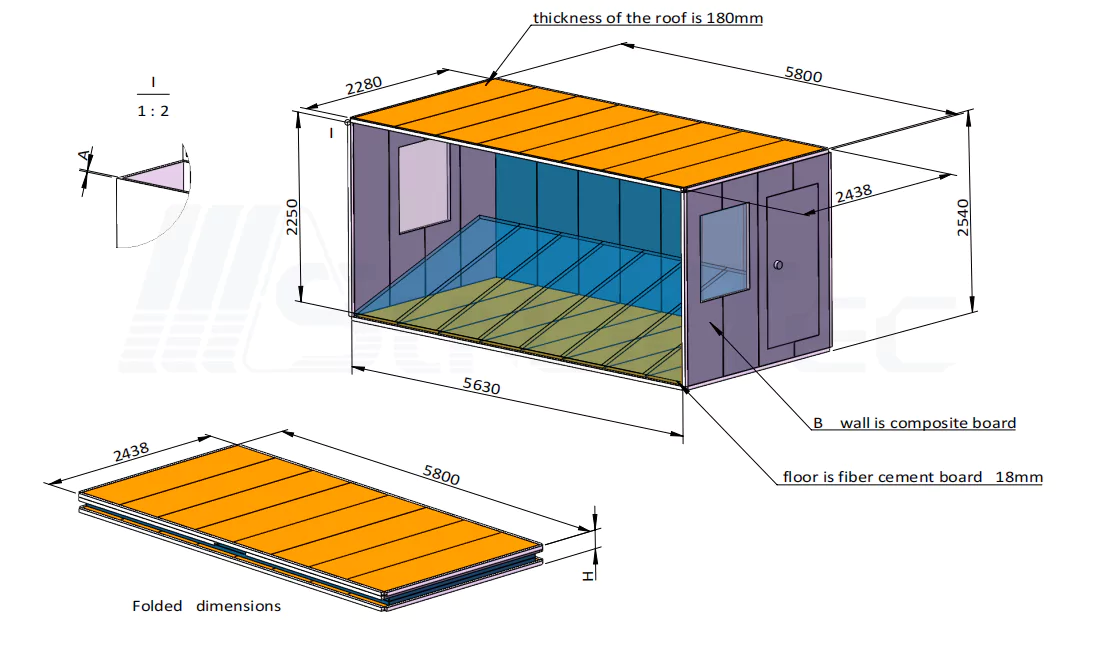
Capsule homes rely on galvanized steel frames. These fight off rust and stand up to harsh weather. Wall sections with great pull strength guard the whole build during moves and first setups. High-strength wall panels keep the structure solid during shipping and placement. Overall, these choices mean the houses hold up over the years in tough spots.
What Foundation Options Are Suitable for Varied Terrain?
A solid base matters a lot for safety and lasting use. On even land, you use fixing bolts or concrete blocks as the norm. But for tilted or bumpy ground, special concrete uprights become a must. They include built-in steel sheets to lock the frame in place firmly. Hardened level ground with anchoring bolts or cement pads is mandatory. If you want to move it later, add a trailer base during the custom order. That turns it into something you can shift around easily.
Do Capsule Houses Offer Economic Value to Scenic Operators?
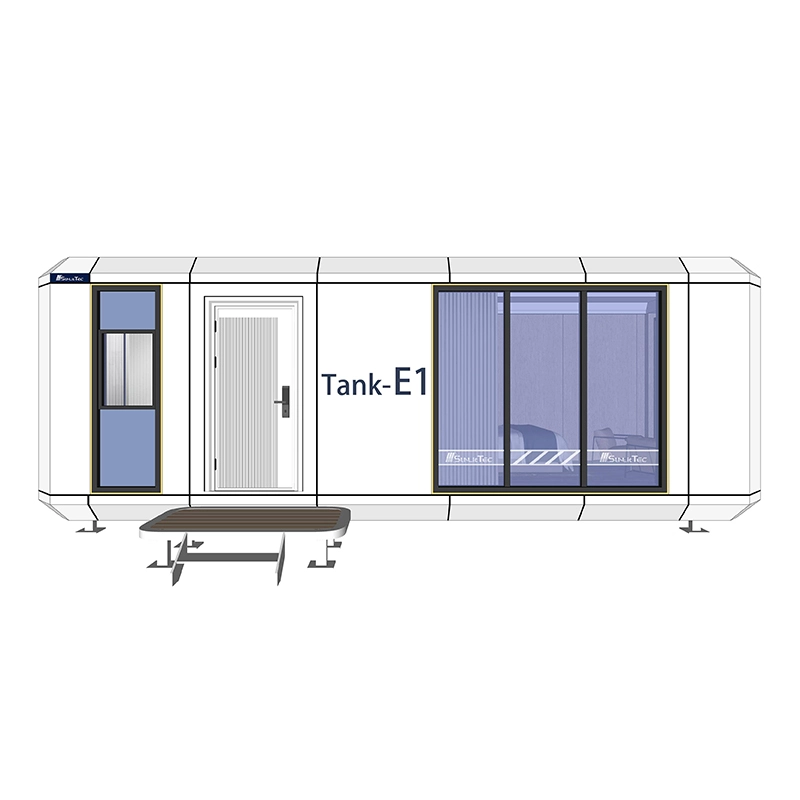
Next to regular builds, capsule houses slash setup time and worker fees thanks to off-site making. The factory process cuts labor costs sharply. Operators see money back sooner, which helps especially in high-tourist months. Also, the E1 Fully Enclosed Space Capsule uses aviation aluminum sheets for a stronger block against weather and quicker setup. It suits all-year stays in different weather zones. E1 capsules are mainly made of aviation aluminum panels, supplemented by a small amount of glass.
Can They Scale Up Easily During Peak Seasons?
In quiet times, pull them together or rent them for other jobs like quick stores or party areas. This flexibility means operators adjust to demand swings smoothly, boosting profits year-round. Plus, the easy add-ons let small sites grow big fast when crowds hit, turning potential overload into extra income streams.
Are Capsule Houses Compatible With Local Regulations?
Capsule homes fit eco-travel rules nicely since they require little land change. Their movable side also lets them count as short-term builds in many places. So, where fixed setups don’t fly, go with trailer versions. These act as movable goods you shift when rules demand. That keeps you in line while getting the most from the space. In the end, this approach helps operators navigate local laws without big headaches or extra builds.
Who Can You Trust as a Capsule Housing Supplier?
When picking capsule homes for pretty sites, pick a pro partner. One solid choice is Sunlit Tec. They built a name for top-notch building skills and focus on what customers need. Starting with the steel frame advances back in 2014, they have provided many options. These range from small D3 types to roomy two-bed setups like the E6 capsule. Sunlit Tec is a company that specializes in providing space system solutions for modern integrated cabins, mobile houses, container renovation spaces, smart communities, and other aspects. No matter if it’s for guest stays, green travel, or quick sales spots, their piece-by-piece plans bring smooth work without dropping style or ease. With years of know-how, they guide you from idea to installation, making sure everything runs right in your scenic setup.
FAQ
Q1: Can capsule houses be installed on sloped mountain terrain?
A1: Yes. For sloped or non-hardened terrain, installation requires concrete pillars with embedded steel plates or cement foundations to ensure stability. Gravel bases are not allowed due to erosion risks. This setup handles the incline well and keeps things secure against slides or shifts.
Q2: Do all capsule houses come with solar panels pre-installed?
A2: No. The standard configuration connects directly to the national power grid. Solar panel systems are available only upon special request based on site-specific off-grid requirements. This keeps costs down for grid-connected spots while offering green choices where needed.
Q3: Does the supplier offer maintenance services?
A3: No maintenance services are provided post-sale. However, any damaged components within the warranty period will be replaced at no extra charge. Buyers handle routine checks, but the strong build means few issues arise over time.

 English
  Spanish
  Arabic