
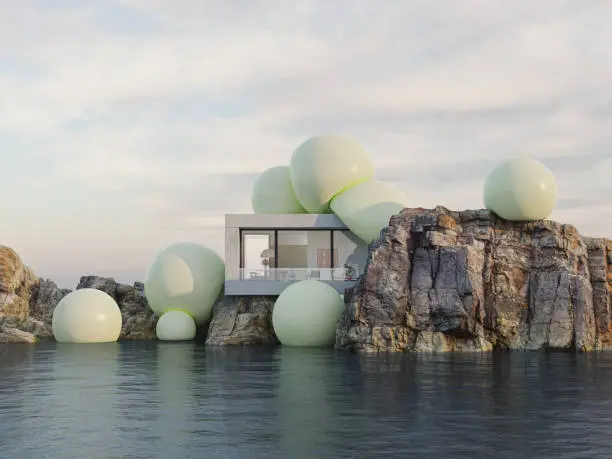
Global urbanization, land scarcity, and economic volatility have come together in ways that are changing how people think about housing needs. As a result, builders and everyday folks are looking for different ways to solve this, ones that save space, don’t cost a fortune, and don’t harm the planet much. That’s where prefabricated housing steps in as a practical fix. At the same time, efforts around the world to live greener are pushing for homes that use less energy and throw away fewer materials.
How Do Prefabrication Principles Influence Architectural Innovation?
When it comes to modular design, a lot of mobile houses get put together using the idea of modularization, where every piece works like its own standalone “building block,” allowing teams to assemble them beforehand in factories before sending them over for the finishing touches right at the location.
Producing components away from the actual site guarantees top-notch oversight on quality, ramps up safety measures considerably, and cuts down building schedules by noticeable amounts. Bringing in smart home elements, like clever lights, air-handling setups, and controls powered by IoT, really boosts how cozy and power-saving these buildings feel, matching up nicely with the ways people want to live these days.
What Makes Capsule Houses a Distinct Prefab Solution?
Capsule houses stand out as a special kind within the prefabricated world. That kind of bendiness lets them adjust to all sorts of situations, from steady living quarters to brief stays for travelers or even quick-setup shops that pop up temporarily. Their forward-looking style, mixed with clean lines and shapes, helps make the best use of whatever space is there and keeps things easy to move around. Engineers craft these pieces for fast rollout, and usually, they show up at the door all set with what’s needed inside.
How Do Their Structural Features Ensure Performance?
People build capsule houses using sturdy galvanized steel frames that hold everything together solidly and ward off rust well. The way they’re shaped to slice through the air cuts back on wind push, and it also does a better job at holding in warmth. Inside these homes, folks squeeze the most out of the area by using arrangements that serve more than one purpose, no matter if it’s a simple one-room spot or something with two sleeping areas, complete with storage that’s built right in, chairs and tables placed for comfort, and light setups that are sharp and useful.
How Flexible Are Capsule Houses for Different Use Cases?
Even though they’re small, capsule houses hide a ton of usefulness underneath that size. They work great as places to live for the long haul, spots for tourists to crash, shops on wheels, or work areas far from the main hustle. The quick way to get them up and running makes them a good pick for short city placements while areas get reworked or during peak visitor times of the year. By planning the base carefully, things like flat concrete pads or posts made of steel locked in with bolts, these pieces can handle bumpy land, high-up mountain zones, or even wide-open sandy expanses without breaking a sweat.
What Layout Options Are Available for Different Needs?
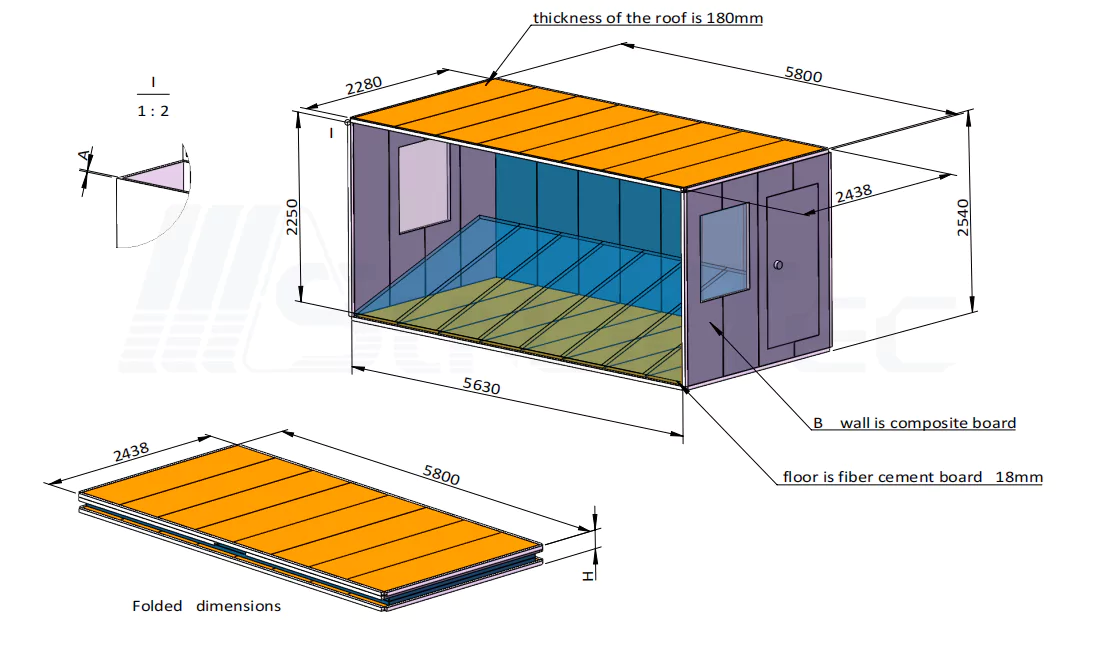
If you’re a person living alone or with a partner and you like keeping things basic yet comfy, the D3 Small Size Space Capsule delivers 18m² packed with the basics you need, like a spot to sleep and a place to wash up, all wrapped in a smooth outer layer. On the other hand, if you crave extra room and want areas split up for different activities, the E1 Fully Enclosed Space Capsule lays out a bedroom, a lounge area, a cooking nook, and a bathroom, all fitting neatly into 28m².
Setups with two floors, for example, the C7 model, give you a way to stack space upward so you don’t eat into more ground area. These prove extra handy in squeezed city neighborhoods or beautiful outdoor sites where catching a good view really counts, allowing you to rise above without spreading out and blocking the landscape below.
Are These Homes Ready for Modern Energy Needs?
Most of the time, capsule houses hook up right to the country’s main power lines to keep electricity flowing steadily without interruptions. By default, capsule houses connect directly to the national grid. Solar panels are only installed upon specific request based on off-grid usage needs.
What Preparations Are Required Before Installation?
How steady a prefabricated home stays over time hinges mostly on the kind of foundation it sits on. Instead, toughened ground like concrete slabs becomes a must for any setup meant to last. When the land rolls unevenly or climbs into mountains, ready-made concrete pillars with bolts driven deep inside make sure the whole thing anchors down tight and secure. And if you want the freedom to shift locations later on, adding a tailored trailer undercarriage lets the unit travel safely from one place to another without any damage along the way.
How Do These Units Handle Climate Extremes?
Built-in protections against weather, such as joints sealed tight, stop water from sneaking in when rain pours down hard. And finishes on the outside that shrug off UV rays from the sun, stretching out how long everything lasts, even under constant bright light beating down day after day.
How Is Design Innovation Shaping User Experience?
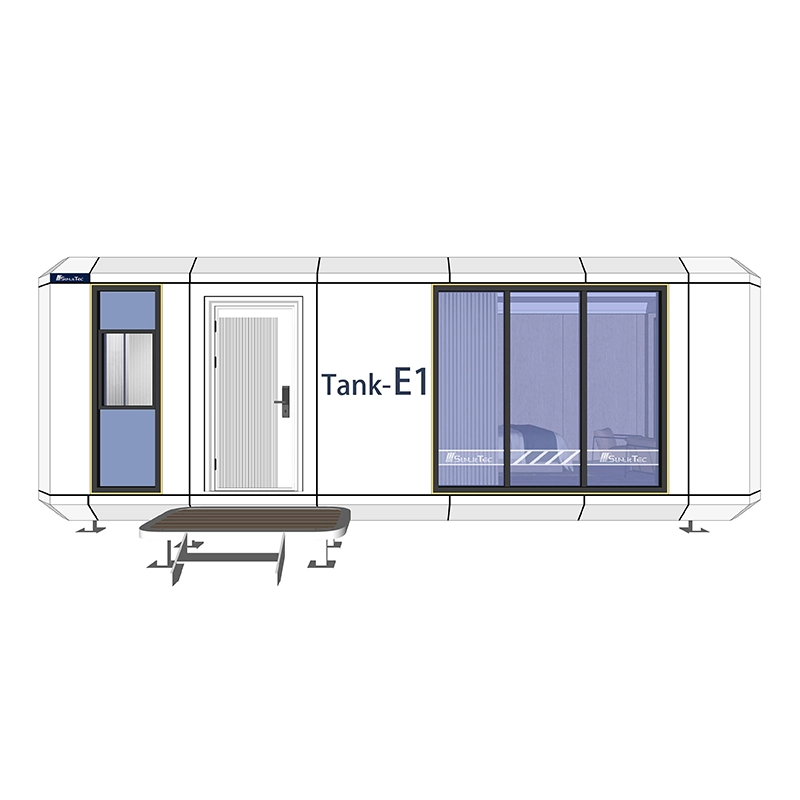
Absolutely. Shapes that curve gently, as you see in the Apple Cabin series, slip right into wooded areas or rugged hill scenes without a hitch. Units such as the P3.3 come with decks open to the air outside, linking what happens indoors directly to the natural world around it. The Apple Cabin P3.3 with a terrace has been upgraded on the basis of the P3, adding an outdoor terrace to expand the usage space. You have choices for the outer panels that let you tweak them to match the look of nearby buildings or tie into the feel of the surroundings, creating a sense of unity that makes the capsule feel like it belongs there naturally.
Are Interiors Comfortable Despite Limited Footprint?
Yes. Among the main draws are air systems that move breezes around effectively to keep things fresh inside even when everything’s closed up tight; spots for storing things woven into the design to keep disorder at bay; and lights positioned thoughtfully to set a welcoming tone while making every inch of space pull its weight in usefulness.
Why Choose Sunlit Tec as Your Supplier?
Starting from solid ground in the field of steel structure engineering, Sunlit Tec has grown steadily into a worldwide supplier delivering reliable modular capsule housing setups. Drawing on focused know-how in prefabrication, the company puts out ground-level units resembling the E1 model, options for building taller, like the C7 Triangle House, and styles that lean into beauty, such as the U8 Space Capsule.
Sunlit Tec runs its operations from current factories stocked with state-of-the-art equipment, and it holds to firm rules for checking quality every step of the way. Every product carries the CE mark for approval, and they craft them from materials that care for the earth, including galvanized steel frames and aluminum panels rated for aviation use, ensuring buyers get dependable, forward-thinking solutions tailored for today’s demands.
Are Capsule Houses Shaping Future Urbanism?
Capsule homes back up ways of living spread out more, thanks to how movable they are and the tiny amount of space they claim. They make it easier for people to choose earth-friendly routines by cutting back on thrown-out materials right from the building stage through everyday use, which helps keep things sustainable without much effort.
On top of that, they step in to cover key shortages when it comes to quick housing for crises or stand-in city arrangements while bigger systems get updated, handing over answers that scale to fit the need and roll out in a hurry, all while holding onto the comforts that matter most to residents.
FAQ
Q1: Can capsule houses be relocated after installation?
A1: Yes. If mobility is required, Sunlit Tec offers custom trailer chassis options that allow the unit to be transported without compromising structural integrity.
Q2: Are solar panels included in all capsule houses?
A2: No. By default, capsule houses connect directly to the national grid. Solar panels are only installed upon specific request based on off-grid usage needs.
Q3: What kind of ground preparation is necessary before installing a capsule house?
A3: The site must be a hardened level surface, such as concrete. For sloped or uneven terrain, concrete columns with embedded bolts or full cement foundations are required. Gravel bases are not suitable due to potential erosion risks.

 English
  Spanish
  Arabic
  Portuguese
  French
  Russian