
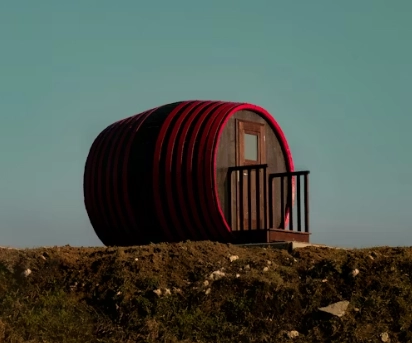
Space capsule tiny homes mark a fresh wave of ready-made modular dwellings built for ease, toughness, and sleek, future-like looks. Mobile homes, in a general way, mean factory-built, ready-made structures that can be shifted as one piece or broken down simply, be hauled away, and be put back together. They bring solid adaptability and cost less than usual building methods. These capsules are usually made with hot-dip galvanized steel frames paired with airplane-quality aluminum sheets. This setup gives both solid strength and good heat protection.
Every unit, like the E1 Fully Enclosed Space Capsule, shows a small but useful setup. E1 capsules come mostly from airplane aluminum sheets, with a bit of glass added, to form a cozy, warm-in-winter and cool-in-summer spot for work and daily life. Its build uses hot-dip galvanized square tubes and airplane aluminum plates. These parts stay strong and offer great heat-keeping ability. Basic features cover sleeping areas with cooling units, complete washrooms, and choices for smart home setups.
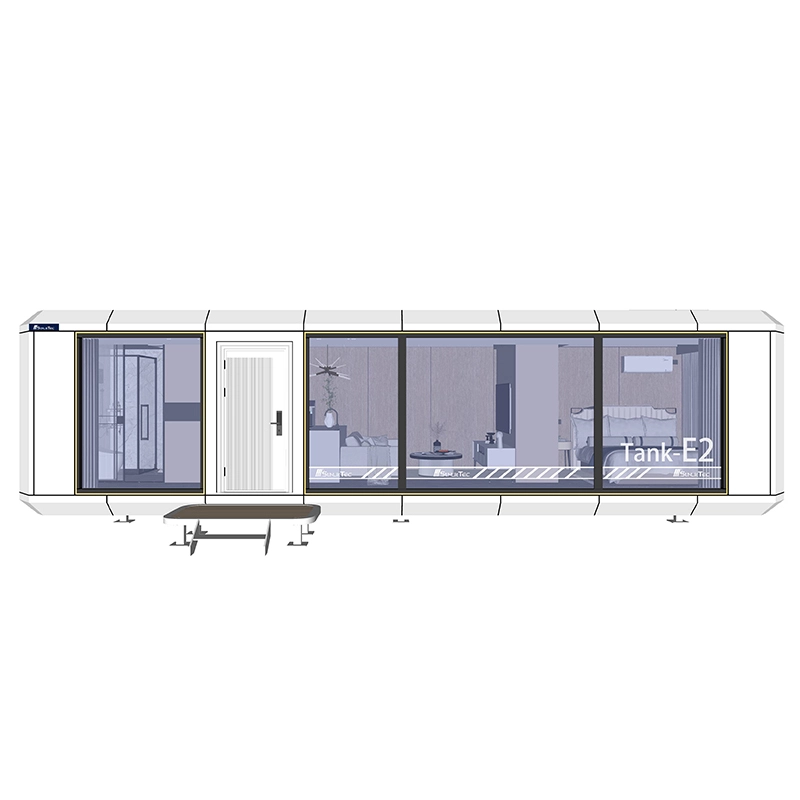
Bigger versions, such as the E2 or X7, reach up to 38 m². They provide one-bedroom-one-living-room setups perfect for two to four people. The X7 capsule has turned into one of the top sellers thanks to its fancy 38m² area and sharp visual style. Certain plans even include wide-view balconies or two-level builds like the V3 Triangle House Space Capsule. This boosts space use smartly.
How Do Traditional RVs Compare in Design and Structure?
Standard RVs act as self-moving or pull-along vehicles that blend living setups right into travel bases. Self-propelled RV: It has its own drive system, much like a compact car. The driver can just steer it to the spot. The vehicle mixes in all the basics for life and rest, such as beds, a basic cooking area (with a cooker and basin), a washroom (holding toilet and shower gear), plus seats and tables for relaxation and fun. Their insides often have changeable pieces of furniture to make the best of a tight room. Even though RVs give top-notch movement on main roads, their build materials, often light mixes, fail to equal the lasting strength or heat protection of capsule-style modular houses.
Cost Analysis of Space Capsule Tiny Homes vs. Traditional RVs
The starting price for space capsule tiny homes changes based on how much you customize and the overall size. Yet it stays on par with fancy RVs. Units like the E2 Good Insulation Performance Space Capsule deliver complete home uses inside an 11.5 m frame. At the same time, they keep energy use low through built-in systems that link directly to the main power lines. These avoid depending only on fuel-run generators. RVs call for extra spending on upkeep, fuel setups, and regular mechanical checks because of their vehicle side. Such needs do not exist in fixed-frame capsules.
How Do Long-Term Financial Implications Differ?
Power use takes a key spot in costs over the years of owning. Capsule homes gain from steady power links or added solar parts as needed by Sunlit Tec buyers. Low running costs come from mobile homes’ straightforward builds. Equipment swaps and fixes happen easily. Plus, they last a long time. On the other hand, RVs depend a lot on gas or diesel motors, which raises running coats over time. Resale prices vary, too. Modular capsules hold up well because of tough materials like galvanized steel frames that fight rust. Meanwhile, the RV value drops faster due to engine use and wear.
Lifestyle and Usability Factors
Space capsule houses focus on up-and-down space use through planned modules. Models like the V3 Triangle House create two-floor plans in tiny ground areas. They offer private top spots for sleep while keeping open bottom areas for hanging out. The clear split between sleep zones and shared spaces boosts personal quiet time. RVs make the most of side-to-side room. However, they are limited by vehicle width rules. So, they cannot reach the same multi-floor setups or wide sights often seen in capsule plans.
Which Option Offers Greater Comfort During Extended Use?
Capsule interiors mix in full home features, such as cooling systems, complete washrooms with warmers, and optional cooking spots. They also have better noise blocking from mixed walls. Their firm spot on solid bases means no shakes from movement, which differs from traveling in RVs that face road bumps and tiredness from motion over long trips.
Mobility and Flexibility
Though mostly set in place on flat concrete pads or steel-bolt bases once put up, capsules can turn mobile with special trailer bases if needed for move projects or travel needs. Mobile mode: Full haul. After the build finishes, it gets lifted onto a truck with crane help. Still, shifting spots takes more setup than an RV’s quick drive-off ability.
How Does Terrain Affect Mobility for Each Option?
RVs shine in movement over smooth roads, but they falter on rough ground without extra suspension gear. Capsules fit better on varied lands once set, like hillsides or beach sides. Their firm bases lock down tight against winds up to level 12.
Environmental Impact Considerations
They’re making stress-reusable metals such as galvanized steel pipes, which brings long-lasting toughness while cutting waste during assembly. To keep residents safe, the main frame of the mobile house uses galvanized steel pipes, which reach a quake resistance of level 10 and wind resistance of level 12. Chosen solar add-ons cut reliance on outside power lines when clients ask. These green-minded traits match worldwide rules for eco builds. They push reusable, ready-made structures that cause less harm to the surroundings compared to traditional building methods.
What About Traditional RV Environmental Footprints?
RVs’ heavy use of fossil fuels leads to more pollution per mile driven. Waste handling means regular drops at set spots. This proves less smooth than capsule systems tied right to city services where possible.
Technological Integration and Modern Amenities
Capsules blend smart build ideas that join ease with auto options. Think smart locks, good heating-cooling units, and LED light webs. All get set up before factory shipping, which makes them ready to use right away on site. Joined, making the quick setup happen. Users can settle in within two hours after it arrives. They link smoothly with the main grid systems, which gives steady power fit for ongoing stays without the hum of generators common in moving vehicles.
Do Traditional RVs Offer Comparable Technology?
Top RVs today add Wi-Fi boxes or simple smart controls, but they are held back by onboard battery limits or generator power. So, running several gadgets nonstop might not hold up in far-off spots, which contrasts with grid-tied capsules.
Sunlit Tec: A Reliable Supplier for Space Capsule Homes
Sunlit Tec focuses on current blended cabins that mix build beauty with factory exactness. The firm gives full space system fixes covering mobile houses, container changes, smart groups, and digital shop setups around the world. Sunlit Tec stands as a firm that focuses on giving space system fixes for current blended cabins. From idea work to making, skilled teams act as sure bets for quality control.
Its goods range covers space capsules like E-series types to custom Apple Cabins. All are made under tight quality checks using green-approved materials from around the globe. Buyers get custom views before making starts. They also receive one-year part swap promises, which ensure trust without upkeep duties.
Conclusion
Space capsule tiny homes show strong edges over standard RVs in build solidity, power saving, ease of tailoring, and green promise. While RVs keep the lead in quick road movement, capsules reshape steady but bendy current living. They use module building that fits many settings, from hill getaways to city tops. This points to their rising part as smart buys for shifting ways of life.
FAQ
Q1: What are the primary differences between a space capsule tiny home, and a traditional RV?
A1: Space capsule tiny homes use tough materials such as galvanized steel frames made for lasting home stays linked to grid services. Traditional RVs stress movement driven by inner burn motors fit for trip-based living patterns.
Q2: Can a space capsule tiny home be easily moved like an RV?
A2: Shifting works with custom trailer bases, but it needs earlier site work, including concrete lock systems. Unlike an RV that moves on its own.
Q3: Does Sunlit Tec offer any warranty or maintenance services?
A3: The firm gives part swaps in warranty times but skips upkeep work. Bad parts get swapped, not fixed. This keeps product trust without hard service needs.

 English
  Spanish
  Arabic
  Portuguese
  French
  Russian