
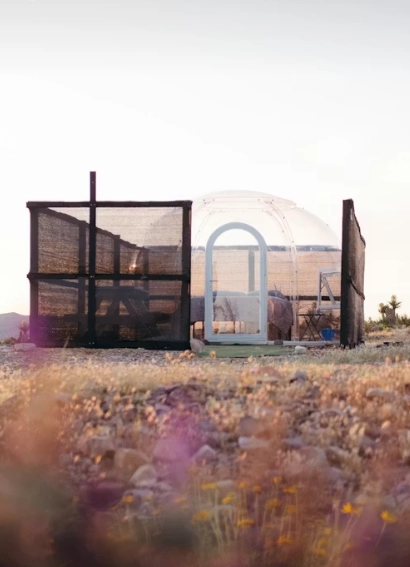
Space capsule architecture focuses on balanced spread of outside and inside pressures. This key idea comes from aerospace engineering. In that field, strong structure under tough conditions is essential. The smooth, rounded shapes of a space capsule do more than look good. They get rid of sharp corners that build up strain.
Smooth surfaces cut down on spots where stress builds up. As a result, they boost the ability to resist bending. This idea of curves lets the outer shell handle and guide both up-and-down and side-to-side forces in an even way. It boosts total strength. Plus, it lengthens the life of the structure by cutting down on wear at connection points. On top of that, building with separate shell parts improves how it stands up to pressure. It also strengthens the whole build. This matters a lot for houses that might move or grow bigger later.
What Materials Make Capsule Homes Structurally Resilient?
The choice of materials matters greatly for both how well it works and how long it lasts. They form the main support of the house. These frames hold up against twisting and decay, even in damp or seaside spots. Building on this base, panels with multiple layers of composites add better heat blocking and firmness. Such layers hold in air. They lower heat transfer. They also quiet down noise. At the same time, they make the walls stiffer overall. How things connect is just as vital. Using fasteners from aerospace standards boosts the steadiness of the frame when facing moving forces. This includes times like travel or strong winds or small earth shakes.
Can These Structures Handle Harsh Environmental Conditions?
Yes, they can. The built-in shape and the materials used make capsule homes very tough. The capsule’s form cuts wind drag and stress from heat changes. This proves helpful in areas with strong breezes or shifting weather. Tight seals at joints and stronger edges lower risks from earth movements. They spread sudden ground shifts over the whole frame. This avoids buildup at fragile areas.
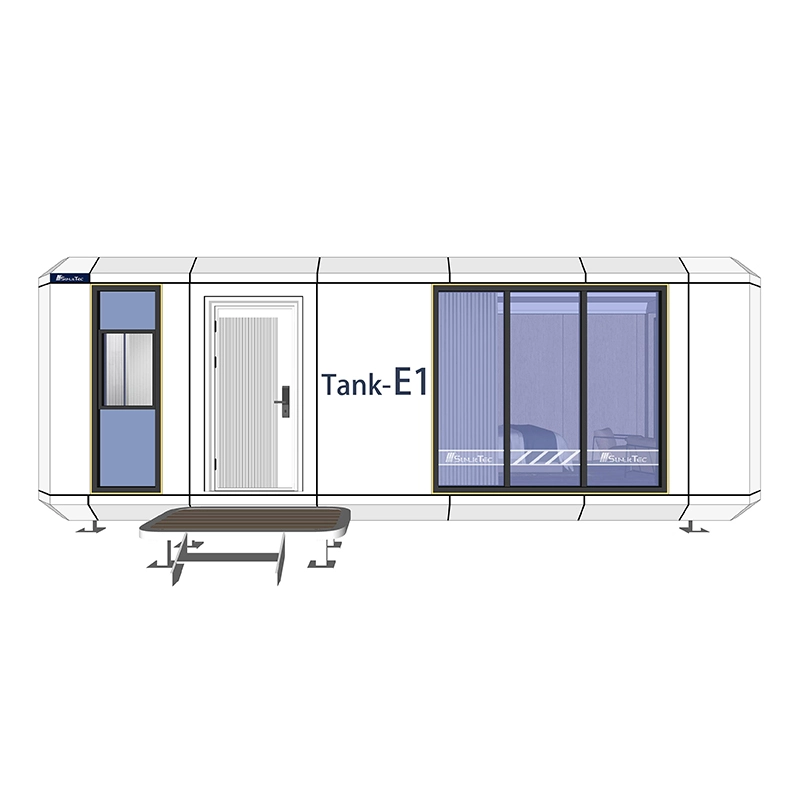
Big swings in temperature get handled too. The build stays solid during hot and cold changes because the materials adjust well. Take the E1 Fully Enclosed Space Capsule, for example. It uses panels of aviation aluminum and square tubes of galvanized steel. These keep their qualities in very low or very high heat levels. Picking this capsule lets you have a cozy place to live.
How Does Design Affect Durability and Load Management?
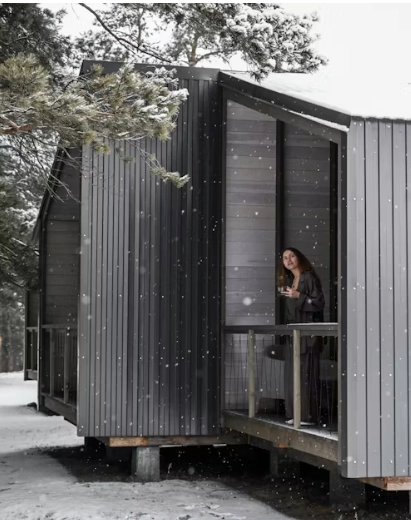
In homes inspired by aerospace, the curves do far more than please the eye. They play a big part in how the structure works mechanically. Curves spread up-and-down and side forces better than straight walls do. They cut down on areas where pressure focuses. The shape like a dome also serves as a natural guard. It stands up well to hits from dropping objects or heavy snow. Because of this, such homes fit perfectly in places with lots of snow or thick woods nearby.
How Does Internal Zoning Balance Structural Loads?
The way the inside is set up affects how solid the structure is. Layouts divided into parts stop weight from piling up at one spot in the frame. When you split the space into areas like a kitchen, bathroom, and living room, the load spreads out evenly. This ensures it stays steady over time, even with changing weights or people moving around inside.
Can Expansion Features Be Added Without Weakening the Structure?
Sure, if the systems are planned carefully. Parts that slide out or fold up come with extra strong connections and locks. These keep everything firm once set up. Also, the paths for expanding are built to hold things in line. They stop twisting when opening out. This becomes especially key for setups that move or go up and down often, where putting together and taking apart happens repeatedly.
What Foundation Systems Ensure Long-Term Stability?
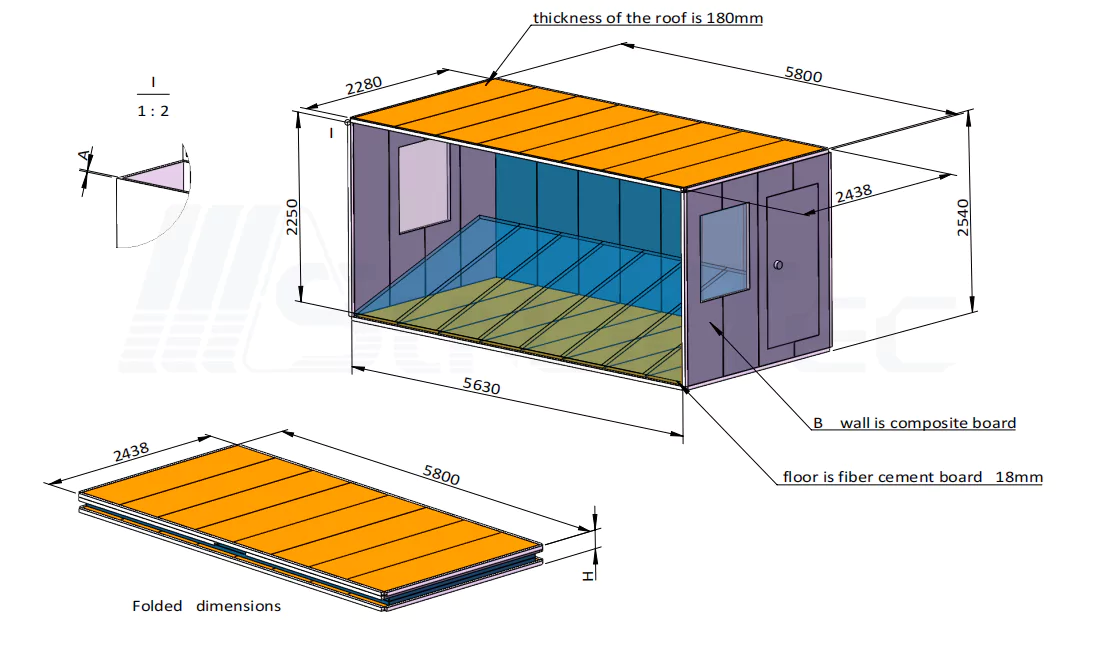
Homes that can move need to rest on firm, flat spots like concrete or cement to perform well. If you stray from this, such as using loose stones, it can cause sinking unevenly or washing away. Bases of gravel won’t do because water can erode them. This puts the hold-downs at risk. In turn, it endangers steadiness and safety when facing weather like big rains or ground quakes.
What Anchoring Options Exist for Challenging Terrains?
In hilly or bumpy lands, pillars of concrete with steel bolts sunk in offer a safe hold on slants or soft ground. As another choice, bases of cement let you place it straight or fix with bolts based on how much you need to move it. For full moving purposes, adding a trailer works well. You can fit a trailer frame under the build for shifting spots without losing firmness.
What Makes the Interior Layout Efficient for Living?
The capsule’s shape allows smart planning of the inside area. Its sleek form makes the best use of room inside without hurting the build’s strength. Features built in, like cabinets that fit modules, improve this even more. Such built-in storage and seats add to smooth flow in the space. At the same time, they help keep things balanced.
Which Models Support Long-Term Living?
Certain types come ready with all the setup for full living. Look at the E6 With Balcony Space Capsule, for one. It gives 38m² of space divided well, with two sleeping rooms, a washing area, a sitting space, and a balcony that wraps around 270 degrees for wide views. The frame uses square tubes dipped in hot zinc, which stay solid and last long. Every model but D3 allows staying for extended periods thanks to full hookups for utilities.
How Are Energy Systems Incorporated?
Indeed. Regular units link right up to the country’s power lines for steady energy. This setup provides reliable power without needing other sources. While not the usual way, options from the sun are possible. You can add systems that catch sunlight if you ask, but they aren’t the standard since the focus stays on tying into the grid. People wanting to go without grid power can get special setups made to fit.
Who Leads in Manufacturing These Capsule Homes?
If you want a trusted maker with deep knowledge in exact building, Sunlit Tec stands out as a great pick. They have more than ten years working with steel builds and homes that move. The team creates fresh designs for space capsule houses that suit buyers around the world. Their range includes space capsules, apple cabins, ready-made houses, container homes, community projects, smart stores, and more. Each item uses frames of galvanized steel and panels of aviation aluminum for top-notch lasting power. Before shipping, every piece goes through tough checks for quality. You can also adjust them to match what you need.
How Do Capsule Design Features Elevate Home Integrity?
Shapes with curves, parts that connect in modules, and top materials all work together to build toughness in different settings. This mix of form and smart building makes capsule homes tougher than usual straight-sided ones. It ensures they hold up well across various uses and places.
Is Investing in Capsule Homes Strategically Sound?
Yes, particularly when you think about protection, lasting time, and saving on energy. The ideas from aerospace building bring big gains in safety, how long they last, and how nice they are to live in. When you add easy moving and quick setup, these homes provide a smart choice for the future.
FAQ
Q1: Are space capsule homes suitable for permanent residence?
A1: Yes, models such as E1 or E6 feature complete living facilities including kitchen, bathroom, bedroom, and lounge areas suitable for long-term habitation.
Q2: What kind of foundation is required for installation?
A2: hardened level surface such as concrete is mandatory; gravel bases are not permitted due to erosion risk. For uneven terrain, concrete pillars with embedded bolts are recommended. This approach keeps the structure secure and prevents problems over time.
Q3: Does Sunlit Tec provide maintenance or monitoring systems?
A3: No maintenance services or surveillance systems are included; however, during the warranty period, damaged parts will be replaced free of charge as applicable. This covers key fixes to keep your home running smoothly.

 English
  Spanish
  Arabic