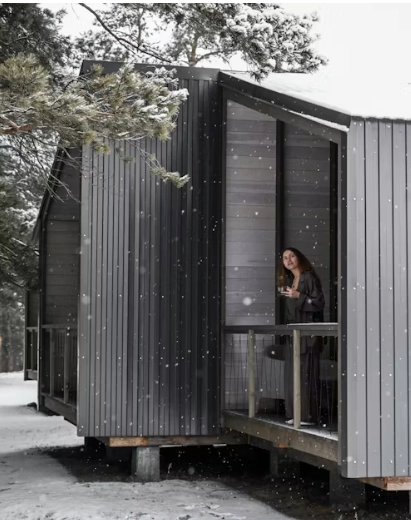
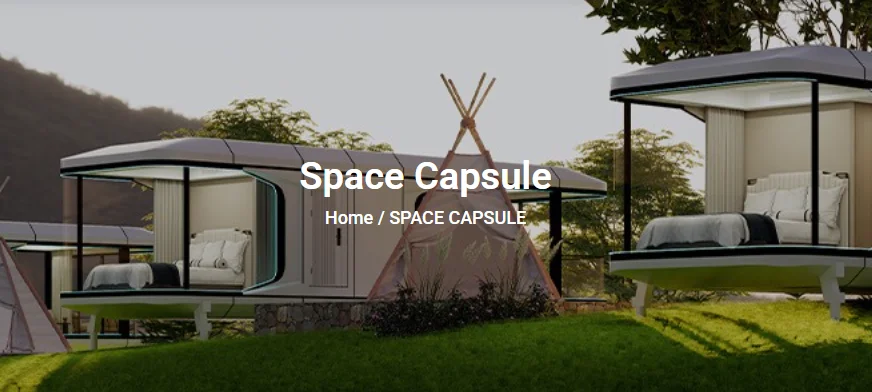
The design principles of space capsules have greatly shaped today’s capsule houses. They stress high efficiency, strong durability, and full self-sufficiency. These land-based homes bring aerospace ideas to life. Examples include smart space use, easy-to-swap life-support setups, top-notch heat barriers, and tough mixed materials. This impact reaches building strength for storms and quakes. It also touches room layouts drawn from space stations. Plus, it covers off-grid power options. In the end, these homes focus on mental health in tight spots. They allow easy growth and lasting green living.
Historical Influence of Space Capsule Design on Modern Habitats
The idea of capsule houses pulls strong inspiration from aerospace building history. It comes mainly from how space capsules changed over time for crewed trips. These small, all-in-one living spots were first made for survival in space. Now, they shape our views on comfort, easy changes, and green living on Earth.
Evolution of Space Capsule Architecture
Space capsules have seen many building improvements. This started with NASA’s Mercury and Apollo projects. It continues with current private space efforts. Early versions aimed to boost strength in tiny areas. They blended life-support tools and safe return from space. Items like the Apollo Command Module stressed heat protection, even weight spread, and smart inside plans for limited rooms.
These key steps set the base for today’s capsule house growth. Mobile homes mean factory-built prefab structures that move whole or break down, ship, and rebuild easily. This matches space capsule thinking well. Both are small, movable, and stand-alone.
Translating Aerospace Constraints into Habitability Principles
We take these limits and apply them to ground living fixes. As a result, we get main comfort advances:
Interior volume optimization: Each square meter serves many roles. Sleep areas also act as rest spots. Storage blends into walls and floors.
Modular systems: Just like space station parts, new capsule homes use simple connect-and-go pieces for water, power, and weather control.
Safety and insulation: Drawn from spaceship outer layers, capsule houses add strong heat shields and tough outer covers.
The insulation layer uses polyurethane with fire safety to stay non-burning. All inside stuff comes from green materials. This keeps everything safe.
Structural Engineering Considerations in Capsule House Selection
You need to grasp the materials and strength limits of capsule houses. This helps pick one that lasts through varied weather and land types.
Materials Derived from Aerospace Applications
Lots of capsule houses use top space materials:
Lightweight composites such as aviation aluminum and coated steel give lasting strength without too much weight.
Insulation systems copy spaceship stack methods with foam or carbon sheets.
External coatings fight UV rays and fire to deal with long outside time.
The main frame of the mobile house comes from coated steel pipes. They make sure the whole place stays safe. This reaches a quake resistance of 10 and wind resistance of 12.
Load-Bearing and Environmental Resistance Capabilities
Capsule houses face tough conditions. They must handle:
| Environmental Factor | Aerospace-Inspired Feature |
| Wind loads | Aerodynamic shell design from re-entry capsules |
| Seismic activity | Reinforced base frames using stress dispersion |
| Water intrusion | Waterproof barriers adapted from spacecraft |
Wind resistance level 12 Earthquake resistance level 9
Interior Spatial Dynamics Inspired by Orbital Living Modules
Inside a capsule home, room planning copies orbiting bases like the ISS. Every part works for a purpose.
Compact Zoning and Functional Segmentation
Drawn from space station parts:
Sleep pods stay apart from shared areas.
Bathrooms stack up to save floor space.
Fold-out tables, wall beds, and pull-back storage boost daily use.
It takes little ground. But the inside room gets used fully. So, even if small, it has all needed parts.
Ergonomics and Human Factors Engineering
Space building uses lots of body size info:
Surfaces fit sitting or lying poses.
Light setups match body clock needs.
Control boards and screens look like spaceship cockpits for easy handling.
Environmental Control Systems Influencing Capsule House Comfort Levels
Weather control in capsule houses takes a lot from sealed life support in space trips.
Climate Regulation Technologies Adapted from Space Capsules
Space-based tech includes:
Radiant barrier insulation for hands-off heat management.
Underfloor heating systems, key in cold spots.
One way is to add thicker insulation. This acts like a warmer coat for the house. It fights cold better. Another way is to add floor heating.
Energy Efficiency Through Aerospace-Inspired Systems Integration
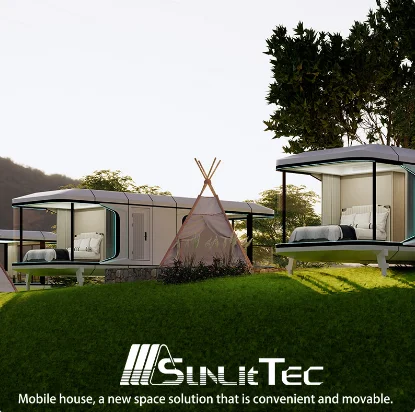
Power setups follow satellite models:
Solar panels paired with battery banks.
Smart boards for live power checks.
With the smart control setup, people can run the whole house smartly. They just use one phone to handle all devices live.
Modular Design Philosophy in Capsule Architecture Selection
The modular idea lets things grow and link up. It works much like the International Space Station.
Scalability and Interconnectivity Principles from Orbital Modules
Capsule houses allow:
- Link-up growth, like adding baths or sleep rooms.
- Stand-alone running or shared setups.
Transportation and Deployment Efficiencies Informed by Launch Constraints
Drawn from launch rules:
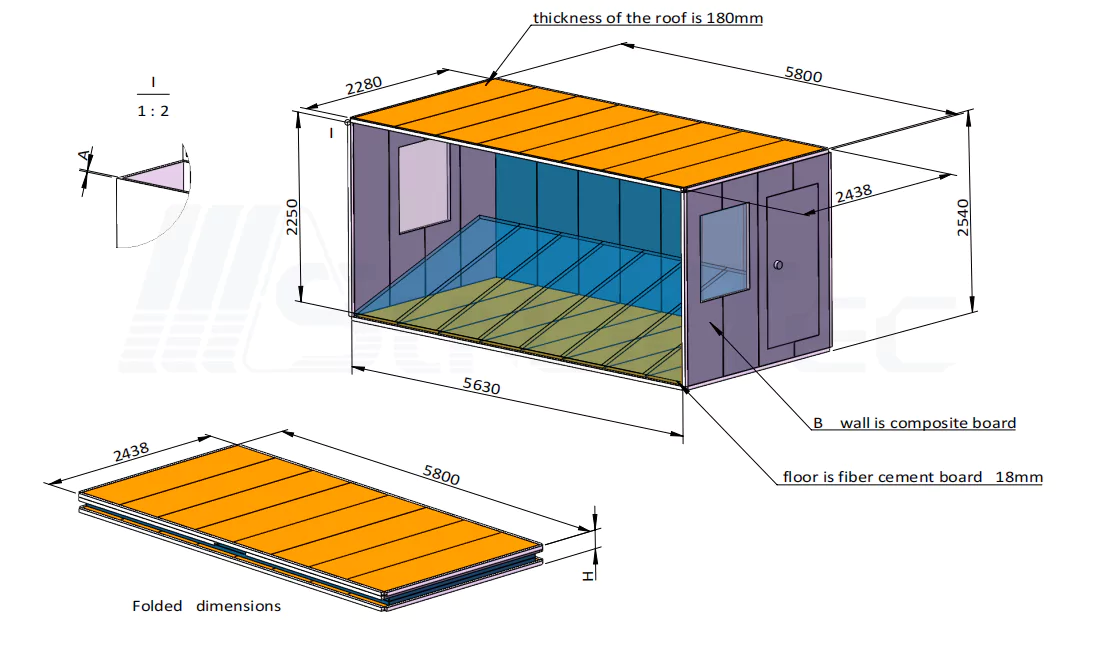
- Units pack flat or build ahead for crane moves.
- Fold designs cut ship space.
Some mobile houses fold up. This makes moving the whole thing easier.
Aesthetic Influence of Space Capsules on Modern Capsule Houses
Capsule houses match not just use but the look of spaceships too.
Exterior Form Language Borrowed from Spacecraft Design
Main traits include:
- Smooth shapes for wind fight.
- Round windows like view tops.
- Dull finishes with heat panel feels.
Interior Design Language Reflecting Minimalist Efficiency
Taken from spaceship insides:
- Single-color schemes with spot lights.
- Built-in control hubs like dashboards.
The inside layout and style can change to fit varied wants.
Psychological Resilience as a Design Factor in Confined Spaces
Mind health counts in tight living. Capsule plans cut stress with careful thought.
Insights from Long-Duration Missions Applied to Earth-Based Capsules
Methods cover:
- Bold colors and mixed feels for sense boosts.
- Sound blocks with space walk strips or boards.
The sound cut and calm reach 25–30 decibels. This blocks outside noise well.
Privacy, Autonomy, and Social Zoning Strategies
Plans keep self-rule:
- Separate sleep areas.
- Custom via changeable inside setups.
Fitted with advanced door locks, they guard private space. Users stay free from outside bother.
Key Factors When Selecting a Capsule House Based on Aerospace Principles
When picking your top capsule house, check how it fits needs and safety rules.
Alignment Between Mission Profile (Use Case) and Module Capabilities
Line up your wants with part details:
| Use Case | Recommended Specs |
| Off-grid living | Solar power + water recycling |
| Remote research | High insulation + satellite connectivity |
| Family dwelling | Multi-room modular units |
Match long-term or short stays with build traits
Regulatory Compliance and Safety Standards Inspired by Aerospace Protocols
Safety comes first:
- Fire block checks.
- Quake and wind strength proofs.
- Simple-reach fix designs.
Fire safety levels, build certs, and green effect reviews
Sunlit Tec: A Trusted Supplier of Advanced Capsule Houses
Sunlit Tec leads where space accuracy meets prefab home new ideas.
Engineering Excellence Rooted in Aerospace Innovation
Sunlit Tec uses space-level materials and build ways. They make types like X5 (28m²) or E6 (38m²). These come with smart locks, glow heat, and wide-view windows.
These ready-made capsules mix aviation aluminum plate and double-layer hollow Low-E6+18A+6 glass. This gives great heat control.
Customization Options Aligned with Mission-Critical Requirements
Sunlit Tec offers:
- Land-based heat shields
- Smart link-ups
- Growable setup plans
Their cabins fit any ground. Be it hills or sands. This makes them great for trip spots or home stays.
Synthesis of Aerospace Design Principles into Capsule House Selection Strategy
Picking a capsule house based on space ideas brings lasting strength. It also boosts user health. Best plans mix:
- Build toughness
- Changeable growth
- Power saving
- Mind ease
Sunlit Tec started in 2014. It grew from its first steel build work. Now, it leads in movable home new ways. Mobile homes cover: space capsules, apple capsules, board houses, container houses and various customized mini houses. The company ships worldwide to Europe, America, Southeast Asia, and the Middle East. Strict quality checks apply. Sunlit Tec gives fresh fixes that fit your needs. Their goods blend strong space-level builds with nice looks. This suits trip getaways, no-grid life, or city small homes.
FAQ
Q1: How are capsule houses different from traditional tiny homes?
A1: Capsule houses draw straight from space build ideas. They stress changeability, heat saving, strength under hard conditions, and small multi-use plans. They often add high materials not common in usual tiny homes.
Q2: Can capsule houses operate fully off-grid?
A2: Yes. Many capsule houses plan for no-grid work. This includes built-in solar panels, water reuse, compost toilets or waste water fixes. These come from spaceship life-support tech.
Q3: What is the expected lifespan of a well-designed capsule house?
A3: With good care and fine materials like space mixes or treated metals from makers like Sunlit Tec, capsule houses last 20–50 years. This depends on weather hit and use level.