
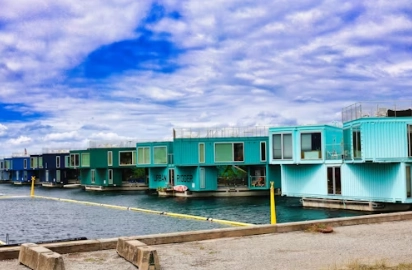
The structural complexity of a container house greatly impacts its cost. Designs featuring several rooms, like one-bedroom-one-living-room setups, demand extra internal walls, plumbing lines, and electrical wiring. This setup raises both material needs and labor efforts. Multi-storey options, such as the Double-storey triangle house C7, involve added steel supports and careful engineering plans. Those elements push up the overall expense. Yet, the double-layer style delivers a villa-like feel at a price under 1/10 of a standard villa’s cost.
Moreover, adding lasting living features like kitchens and bathrooms brings major expenses. These require strong waterproofing, plumbing parts, and air flow systems. Such additions make the project more involved and costly.
Why Do Material Choices and Interior Standards Affect Overall Budget?
Choosing materials strongly influences the durability and ease of a container house, and it also ties directly to the price. The core frame of the mobile house uses galvanized steel pipes, and these ensure solid safety for the whole structure. They achieve a seismic resistance of level 10 and a wind resistance of level 12. Still, these galvanized steel frames cost more than simple steel builds.
Besides that, upscale interior touches such as SPC fireproof flooring, double-glazed Low-E windows, or imported kitchen parts boost the spending a lot. People who pick tailored options with top-quality finishes need to plan for higher upfront costs. In essence, while basic choices keep budgets low, premium selections enhance comfort but demand more funds from the start.
What Site Preparation Steps Are Required Before Installation?
A solid foundation remains essential for container houses, and the unit must sit on a firm, flat surface like concrete. Gravel won’t work because it can erode on bumpy land. In spots with rough or sloped areas, such as hillsides, you need support like concrete posts with steel bolts sunk in. These steps secure the house against shifts in the ground.
For setups that might move later, adding a trailer base during building allows easy shifting. However, this choice adds expense for extra strength in the frame. Such mobility suits short-term or changing uses, like seasonal spots, and keep options open without full rebuilds.
How Does Utility Setup Influence Container House Pricing?
Linking a container home to electricity and water requires thorough planning. Basic versions hook up straight to the main power grid. Solar panels come only if you ask for them specifically. So, if your location has no grid nearby and you want solar power, figure in costs for the gear and setup work. This extra layer can raise the total price noticeably.
Kitchens and bathrooms make utility tasks even trickier. Plumbing lines have to link well to local drains or waste systems. In far-off places, you might add things like water storage or cleaning units. Those requirements heighten the project’s details and expenses, turning a simple install into a broader effort that affects the final budget.
Why Do Delivery Distance and Installation Logistics Matter?
Moving and setting up the house can form a large part of the total cost, particularly in hard-to-reach areas. Mobile houses count as big custom items, and they don’t allow returns or swaps. The items get checked closely before shipping. In city spots, you may need approvals for cranes or brief road blocks. Outlying zones could call for special trucks or drawn-out setup times.
Units that come in pieces need assembly at the site, which takes time and workers. On the other hand, fully built ones cut down on-site labor but demand more space during transport because of their size. Either way, these logistics shape how much you pay, especially when distance stretches the process.
How Do Different Types of Container Houses Compare in Functionality?
Simple container homes work well for short stays. For instance, D3 models give small living areas with one room and a bathroom, and they suit quick needs like worker camps or urgent shelters where basic setups fit. These low-price options skip many inside walls and keep utility add-ons to a minimum, making them practical for brief purposes without extra spending.
Which Models Are Equipped for Full-Time Residential Living?
Bigger setups like the C2 modular container house provide plans ready for ongoing stays. C2 container houses can be modularized and disassembled according to demand for convenient transportation and installation. These include a bedroom, living space, kitchen, and bathroom, much like regular flats in purpose.
Good insulation, steady air flow, and home-level finishes allow these to handle full-year living in all kinds of weather. As a result, they offer reliable comfort for daily life, bridging the gap between portable designs and fixed homes through thoughtful features that support long-term use.
How Do Expandable and Multi-Level Options Maximize Space Efficiency?
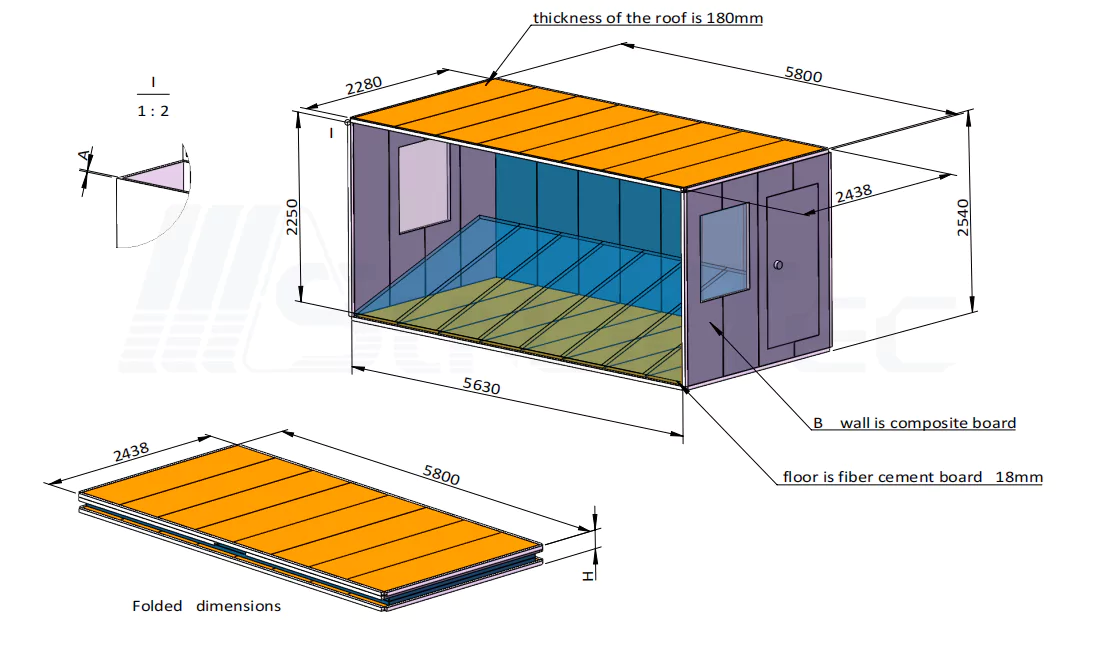
Expandable types tackle tight space issues by unfolding right at the site after delivery. The expandable container house has the same size as a regular container after being folded, which makes it easy to transport. They shine for family setups, or vacation builds where travel limits size but arrival needs room.
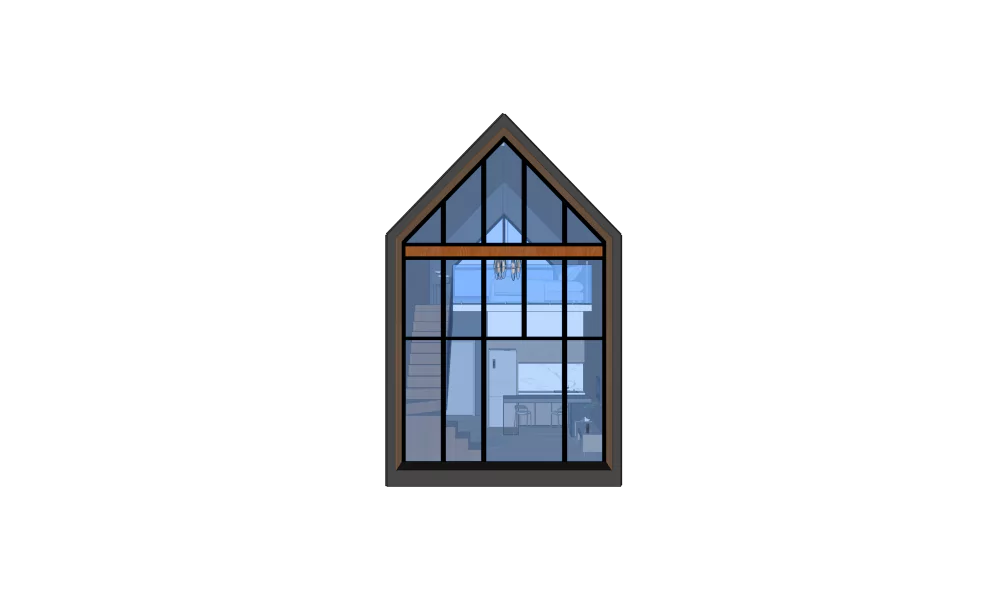
Stacked designs like the Double-storey triangle house C8 make smart use of height. Equipped with oversized floor-to-ceiling windows, it greatly improves the indoor lighting effect, making the space brighter and more transparent. Overall, both approaches stretch available area cleverly, fitting more function into less space while keeping the build straightforward and effective.
What Regional Factors May Influence Container Home Pricing?
Rules on land use and construction differ across places. In certain areas, even short-term homes face checks or approvals. Those paperwork steps pile onto your spending. Some districts ban container builds outright or ask for changes to match look standards. Consequently, knowing local guidelines early helps avoid surprise fees that alter the budget.
Why Do Labor Rates Vary Between Regions?
Worker access plays a key role in installation costs. In isolated or hilly spots, experts might travel far or camp during the job, which hikes pay rates. City centers provide more skilled hands but charge steeper hourly fees due to demand. Thus, where you build directly sways how much labor adds to the total, often making remote sites pricier despite fewer regulations.
Do Environmental Conditions Demand Structural Adjustments?
Yes, they do. Hilly lands call for tougher bases to handle slope risks. City constraints on machine entry might need unique transport plans. Tough climates require better warmth barriers or rust-proof materials to last. In short, adapting to the surroundings ensures safety but can introduce costs for reinforcements that vary by the location’s challenges.
What Customization Options Drive Up Cost?
Buyers often seek changes like added storage, work areas, or tiered floors. These bring custom ease, but they call for fresh design work and material shifts, which raise the end price. Even so, the tailored fit often justifies the extra outlay for those seeking a space that matches their lifestyle precisely.
Are Exterior Add-Ons Like Balconies Available?
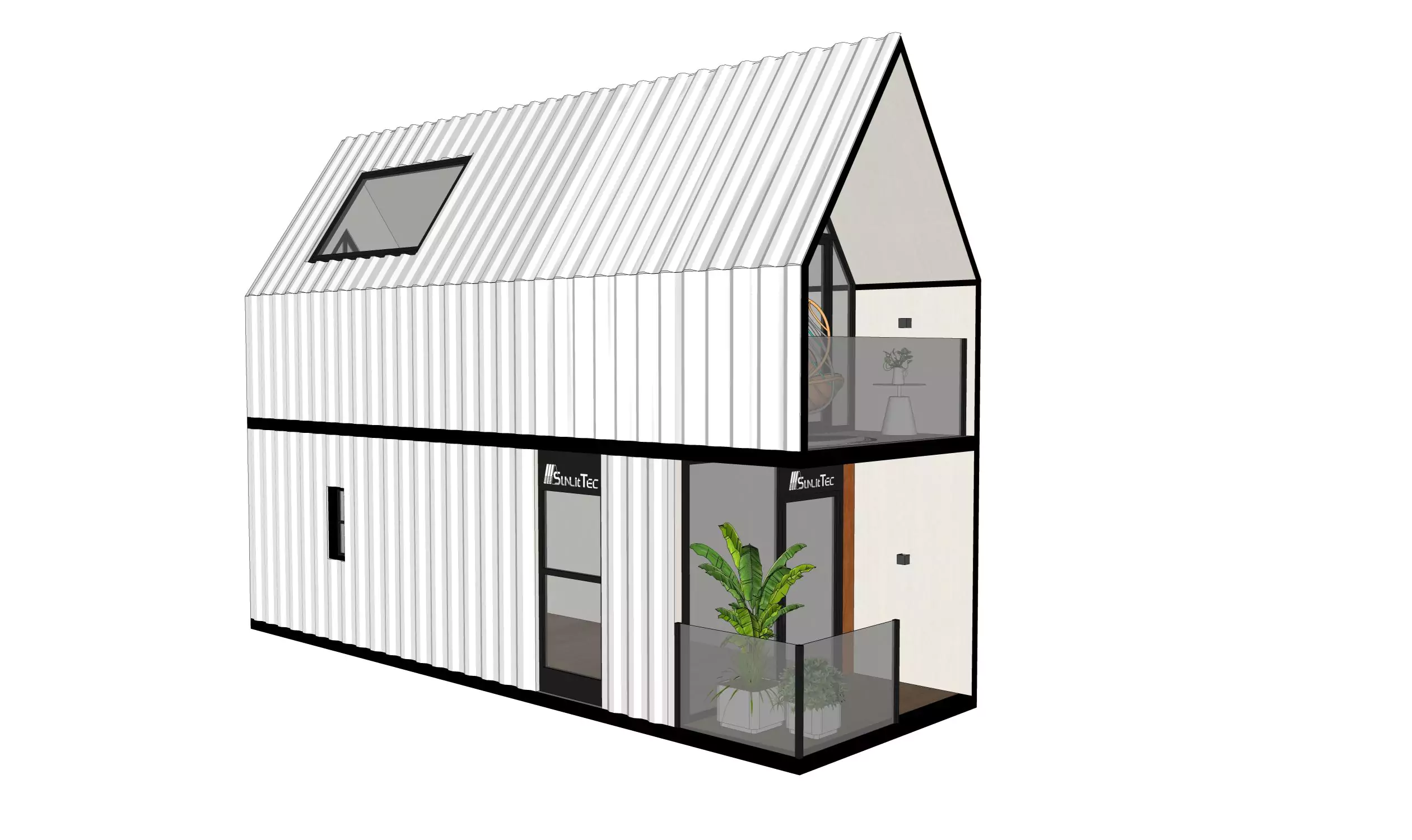
Yes, and they bring added load and detail to the build. The C1 container house is designed with the standard size of a 20-foot sea freight container, ensuring its convenience during transportation and stacking. Balconies need extra frame supports and protection from the weather. While appealing for outdoor access, such features complicate engineering and increase material use, thereby elevating the overall expense.
Is Smart Home Integration Possible?
Though not common in every type, smart features like temperature controls or auto lights can go in if requested. These bring handy modern perks but add to gear prices and setup hours. Ultimately, they enhance daily living with tech, yet the investment is reflected in a higher initial cost for the advanced setup.
Why Is Sunlit Tec a Trusted Supplier of Modular Container Houses?
Sunlit Tec emerges as a worldwide source for clever modular home solutions, suited for quick setups or steady living. The company’s product line covers space capsules, apple cabins, prefabricated houses, container houses, public projects, smart supermarkets, and so on.
What sets them apart? Their frames are constructed using galvanized steel pipes with excellent seismic (level 9) and wind resistance (level 12) properties. They offer a wide portfolio—from compact C1 units to expansive C4 Double Layered Custom Shop Container Houses. Each structure is prefabricated in advanced manufacturing facilities,s ensuring quality control from start to finish. Customization services include renderings based on client input.
With international export capabilities and expertise in both OEM and ODM services, Sunlit Tec continues to deliver cutting-edge modular housing across continents, and their focus on durable builds and flexible options builds trust among users seeking reliable, innovative solutions for diverse needs.
What Should You Keep in Mind When Budgeting for Container Homes?
Think about the space you really require against what seems nice. Small units meet core wants at modest prices, whereas broad designs give better living perks at steeper rates. Striking this balance involves weighing daily use against long-term value, ensuring you get enough room without overspending on unused areas.
Why Is Terrain One of the Most Critical Cost Drivers?
The land type where you place the home can ease setup or force costly groundwork. From flat concrete pads to bolted steel on inclines, the base must fit the site’s traits, and this factor often surprises buyers, as poor ground adds prep work that rivals the house cost itself, highlighting the need for early site checks.
Should I Customize or Choose Standard Models?
Tailoring brings lasting joy but raises prices through design tweaks. Off-the-shelf types offer clear costs yet might miss personal elements that boost comfort. Deciding depends on your priorities: quick and affordable versus unique and fitting, with standards suiting most while customs appeal to specific visions.
FAQ
Q1: Can container homes be relocated after installation?
A1: Yes, if built with an integrated trailer chassis during production; otherwise, relocation requires professional lifting equipment.
Q2: Are solar panels included in all container homes?
A2: No, these homes are configured to connect directly to the power grid. Solar systems are installed only if specifically requested.
Q3: What kind of surface is acceptable for placing a container house?
A3: Only hardened surfaces like concrete slabs are suitable; gravel foundations are not permitted due to erosion risks.

 English
  Spanish
  Arabic