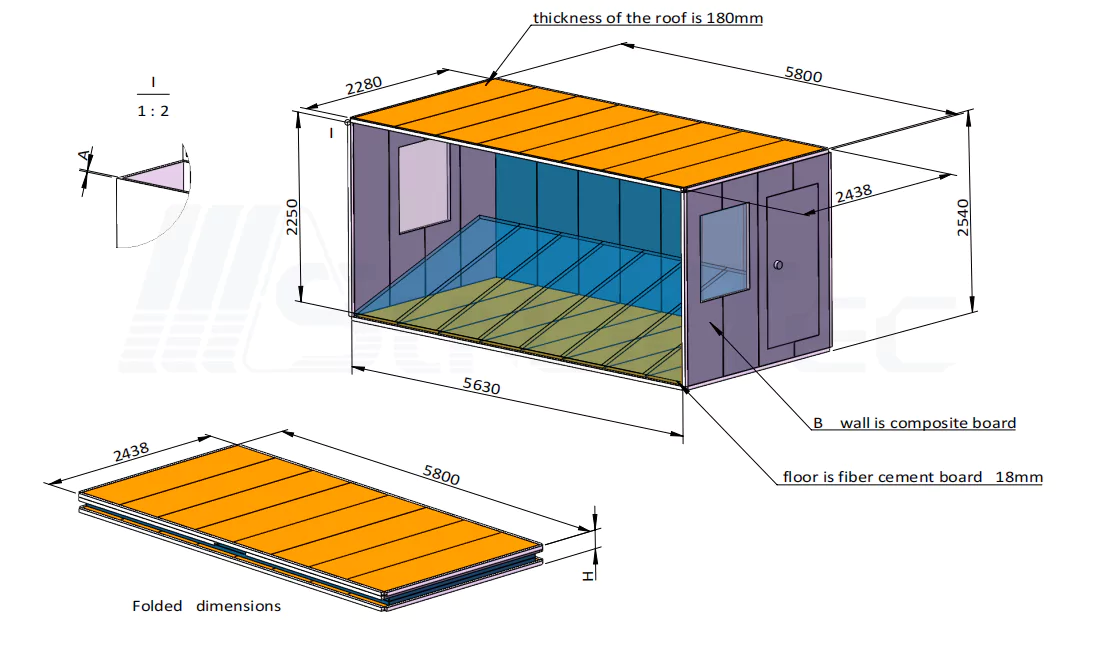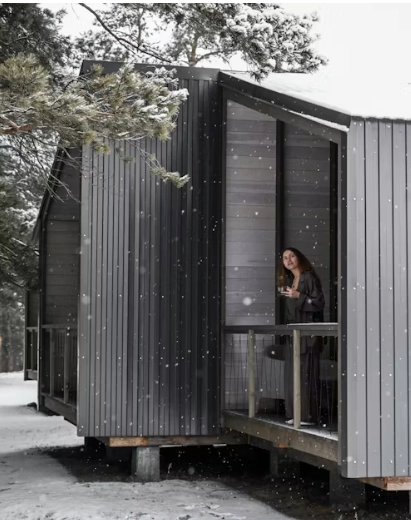

In the world of modern architecture, shipping container homes catch attention for their special mix of tough industrial build and flexible design options. These buildings offer a sturdy path forward. It is key to grasp how their built-in toughness matches up with the needs of living in them for many years.
What Determines the Long-Term Durability of Container Houses?
Shipping container homes have become a sensible and budget-friendly choice compared to old-style building methods. Yet, their lasting power depends on various linked elements. Material picks, weather surroundings, and smart design work all shape how these homes hold up through the years.
How Does the Structural Integrity of Containers Affect Their Durability?
Every container house starts with its steel frame, and this setup is made to handle the tough demands of worldwide shipping. Still, the changes that turn a plain cargo box into a cozy living space can test this basic strength. Because of that, adding extra support becomes a must. It helps ensure the home performs well for a long time.
Standard ISO containers are inherently robust, but how do modifications compromise this strength?
Standard ISO containers are built to carry heavy cargo and stack high. They give a solid starting point. However, adding things like windows and doors without the right backups can weaken the overall firmness. These cuts break the flow of weight, particularly in setups with multiple units or layers on top.
Adding strength through welded steel frames or support beams is vital to bring back the original power after changes. Also, high-tensile corten steel fights off rust well, but it needs careful making methods to keep its toughness. Weak welding or bad lining up during changes can create weak spots.
Which Materials Best Resist Corrosion and Environmental Degradation?
When facing the wear of time and nature, picking the right materials acts as the main shield. From salty sea breezes to sticky inland air, the best guard systems decide if a container home will stand strong for many years or break down too soon.
How critical is material selection and coating in coastal or humid environments?
In homes made from containers that last a long time, rust stands out as a top reason for breakdown. Using galvanized steel for the frame boosts defense against nature’s harm a lot, and this works even better with rust-stopping primers and strong sealants meant for sea use. Such steps matter most in areas near the coast or with lots of dampness, where salty air speeds up rusting.
Coatings that protect, like powder types and paints based on epoxy, stop rust from starting in tiny cracks. On top of that, insulation picks need thought to avoid damage from built-up water inside. Closed-cell spray foam and barriers against vapor work best. They cut down on the moisture that builds up indoors. Otherwise, it could eat away at the structure from within.
Can Container Houses Withstand Different Climates Over the Years?
A house should feel safe no matter the weather. For buildings from containers, getting comfort all year and staying strong calls for careful planning, and it must tackle issues from hot and cold swings, sun rays, and dampness. In this way, a simple metal box turns into a home that responds well to the weather.
How does climate variability impact structural integrity and comfort?
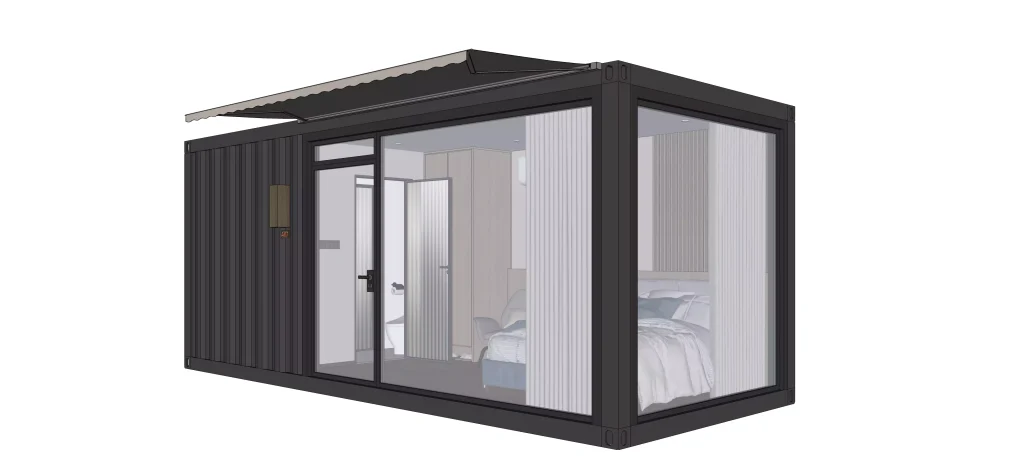
Heat moving through metal parts, known as thermal bridging, often causes problems in steel builds, and it can hurt how well the home saves energy and raise the chance of water buildup. How it holds up changes with different weather types. In very hot or cold places, this bridging becomes a big worry. So, steady layers of insulation and breaks for heat flow are needed. They help keep the inside steady over time.
Besides that, long stays under the sun’s rays and cycles of freezing and thawing can wear down outside layers. Coatings with blockers for UV and stretchy paints help make surfaces last longer. Good airflow planning is just as important. It fights back against extra dampness inside and stress from heat. Proper ventilation design is essential to mitigate internal humidity and thermal stress.
What Engineering Choices Ensure Structural Stability Over Time?
A container house stays as firm as its base. The groundwork, which many skip over, does a lot to spread out weight, stop shifts, and keep everything even and safe. This holds through years of use and changes in the surroundings.
Why is foundation preparation so vital for container house longevity?
The base of a container home affects how long it will stand. Gravel bases won’t work because they can wash away easily. Hard, flat surfaces are a must. On hilly or bumpy land, concrete posts with bolts sunk in or full slab bases provide a firm hold. These not only give steadiness but also stop twisting from uneven loads.
If moving the home is needed, a trailer base can work when getting around is key, but it has to match load rules for strength. Even so, anchors are required when they’re in place. This prevents movement from strong winds or small earthquakes.
How Does Load Management Influence Multi-Unit Configurations?
Stacking or joining containers means their single strengths must blend into one solid whole. Careful planning redistributes weights and strengthens links. This way, designs with many units become strong, lasting builds instead of weak put-together.
What reinforcements are needed when stacking or connecting multiple containers?
Whenever containers stack or link side by side, the paths for weight must get reworked. Inside walls might not line up with outside frame parts anymore, and this leads to spots of high pressure. Strong joints and beam backups make sure the setup stays firm in builds with several units.
Exactly lining up in modular parts also keeps link points from building up strain from heat changes or settling ground. Fitting into modular systems needs close fits. This avoids tiredness or breaks in the long run.
What Makes Sunlit Tec’s Capsule Homes a Durable Solution?
Sunlit Tec’s E1 Fully Enclosed Space Capsule shows strong lasting power. It uses a hot-dip galvanized square tube frame covered in aviation-grade aluminum panels. Its structure is composed of hot-dip galvanized square tubes and aviation aluminum plates, which are both sturdy and have excellent insulation performance. The unit is delivered fully assembled, requiring only two hours after landing for move-in readiness.
Likewise, their E6 With Balcony Space Capsule gives 38 m² of space to live in, with wide views. It is built for ease of use over time. Its skeleton is composed of hot-dip galvanized square tubes, which are stable and durable. Except for the D3 model, all Sunlit Tec capsules feature full residential layouts including bedroom, living room, kitchen, and bathroom—making them viable for permanent residence.
The energy supply system connects directly to the national grid; photovoltaic systems are optional based on client needs. Foundations must be hardened surfaces—gravel is not permitted—and uneven terrain requires concrete piers with embedded bolts. A trailer chassis is optional for mobility while maintaining structural compliance.
Are Container Houses More Durable Than Traditional Homes?
Container homes bring several pluses over a standard building. Faster assembly reduces exposure-related construction delays. Modular scalability allows easy expansion. Factory prefabrication enhances quality control. However, challenges include improper modifications that risk compromising the structure. Coastal environments accelerate corrosion without proper protection.
Which Elements Are Most Critical for Ensuring Durability?
Adding strength after changes is a must. Good prep for the site keeps the base steady through time. Choosing materials that fight off wear from the surroundings well. Bringing all these parts together makes sure a container home stays safe, useful, and good-looking for many years.
FAQ
Q1: Can Sunlit Tec’s space capsule houses operate off-grid using solar power?
A1: While Sunlit Tec’s models are primarily designed for connection to the national power grid, photovoltaic panels can be installed upon request based on specific project requirements.
Q2: What kind of foundation is required for installing a container house?
A2: A hardened level surface, such as a concrete slab, is required; gravel foundations are not permitted due to erosion risks.
Q3: Does Sunlit Tec provide repair services if something breaks?
A3: Sunlit Tec does not offer repair services; however, during the warranty period, any damaged components will be replaced by shipping new parts directly to the customer.