As cities become more crowded and worries about the environment grow stronger, architecture is changing in big ways. One of the smartest answers is the growth of the “space capsule house.” This is a modern, small, and effective way to live. It mixes smart design and ready-to-assemble building methods. The idea is becoming popular because it gives lasting home options in busy cities and far-off spots.
Historical Context of Compact Living Concepts
The start of small homes goes back to the start of the 1900s. That is when mobile homes and travel trailers first appeared. Later, these grew into better planned ready-made houses.
Mobile homes, in a general way, mean factory-built ready-made structures. These can move as one piece. Or they can break down, ship easily, and put back together.
In the early 1900s, factory-made travel trailers came out in the United States. People see them as the early form of ready-made homes.
Ideas from airplane building and factory making have shaped today’s small homes a lot. Space capsule homes show these traits with their smooth shapes and useful insides. City growth and green living needs have boosted the call for such fixes. This is true especially in huge cities and places for visitors.
Defining the Space Capsule House
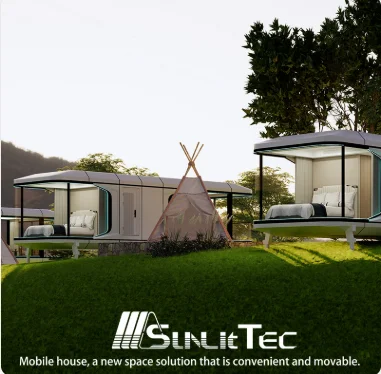
The space capsule house is a fresh type of ready-made tiny homes. It stands out with smooth shapes like an airplane and full living setups inside.
In build, it has a small ready-to-use part. Some come with decks and parts that open up. This gives flexible spots for living or business.
Inside, it blends key areas. These include a sleep room, wash area, cooking spot, and sitting space. All fit in a tiny area.
Next to travel trailers or usual box homes, space capsules aim for half-lasting or full-time living. They have better heat protection and nicer looks.
Technological Foundations of Space Capsule Housing
New steps in building tech for tiny homes have made capsule houses possible. This comes from big progress in stuff science and ready-made methods.
Materials and Construction Techniques
Space capsule houses use top-quality stuff from airplane tech. This keeps them strong yet easy to move.
The key frame of the mobile house uses coated steel tubes. These make sure the whole thing is safe. It can handle shakes up to level 10 and winds up to level 12.
The mobile house builds with many fine materials. These include space aluminum sheet covers, coated steel tube frames, two-layer low-heat glass, SPC fire-safe floors, and bamboo fiber walls.
Ready-making means all parts come together in the factory. Then it ships as one and sets up fast for moving in.
These stuff give great heat blocking. So, they stay comfy in very cold or hot weather. That ranges from -40°C to +40°C. Just add better heat guards if needed.
Energy Systems and Infrastructure Integration
While off-grid changes are possible in the future, today’s capsule homes link to regular setups.
They hook to the country’s power lines as the main power source. This keeps things steady and working well.
Water flow and waste systems fit with city pipes.
Air and heat systems work best for small areas. They give good control of warmth all year.
Functional Design Principles for Long-Term Living
Even though they are small, space capsule homes aim for ease and real use. This happens through fresh inside planning tricks.
Spatial Optimization Strategies
Smart space use lets these units handle daily tasks in very little room.
Furniture that changes and clever area splits make zones for sleep, cook, eat, and clean.
Wide-view windows and roof lights boost the feel of space with real light.
270° wide French windows make the area see-through and full of light. This adds to beauty and health.
Layout Configurations for Different Lifestyles
Moving to flexible plans lets many kinds of people find fits in capsule homes.
One-bedroom with living room, kitchen, and bathroom (e.g., E1, E6 models)

This suits single people or pairs who want full home features:
All other models can set up with complete basics. These include kitchen, bathroom, bedroom, and living area. So, they work well for long stays.
Units like the E6 give 38m² of space. It has full home setups inside a smooth cover.
Studio-type capsule with integrated bathroom (e.g., D3 model)
This fits short stays or as an extra building:
Except for the D3 model (one-room-one-bath), all other models can set up with full basics. This shows its job as an add-on or guest spot.
Site Preparation and Installation Requirements
Setting up a space capsule house needs care for ground strength and hold-down ways. This makes sure it lasts and stays safe.
Ground Conditions and Foundation Guidelines
Good ground work is key:
It works only on hard, flat ground. This gives steady base and long life.
Gravel does not work. It can wash away and cause problems.
Anchoring Methods for Fixed vs. Mobile Deployment Options
Based on the plan, for lasting or moving use, pick different base ways.
Fixed Installations: Concrete base with embedded bolts or steel plates
- It needs concrete posts with built-in bolts. Or use a full concrete base.
Mobile Installations: Custom trailer chassis integration
- For needs to move: It links to a special trailer base. This keeps the build strong while allowing shifts.
Sustainability and Environmental Performance Considerations
Green living fits right into the space capsule house’s main idea.
Reduced Ecological Footprint Through Compact Design
- It uses less stuff than old building ways.
- The small size cuts energy needs for warm or cool air.
Potential for Off-grid Adaptation (Where Applicable)
Though not part of the standard:
- The ready-to-use build lets users add sun power or rain water systems later if they want.
Market Trends Driving Adoption of Space Capsule Homes

The need is rising fast in packed cities and out-of-way places.
Rising Demand in Urban and Remote Regions Alike
Two main groups push this growth:
- City folks who want simple green lives.
- Nature travel businesses put capsule units in pretty spots. They use them for special stay options.
Regulatory Shifts Supporting Alternative Housing Models
- Land use changes allow small home projects.
- Governments give perks for eco-friendly builds. These match capsule house tech.
Sunlit Tec as a Trusted Supplier of Space Capsule Homes
Among top makers, Sunlit Tec shines as a leader in ready-to-use living fixes.
Company Background and Product Innovation Focus
SUNLIT TEC is a firm that focuses on space system answers for today’s mixed cabins, mobile houses, container fix-ups, smart groups, and more.
From planning to drop-off, Sunlit Tec keeps high standards. They use exact building and custom help for buyers.
Layout Versatility Across E1–E6 Models
Setups include one-bedroom, sitting room, kitchen, bathroom plans. These fit full-time homes and work for many user types.
Structural Safety & Installation Support
Tips on right base prep make sure it lasts long. Optional trailer bases add choice for moving.
Key Architectural Implications for Future Living Spaces
Space capsule houses do more than look new in building. They point to a fresh way in home planning.
Integration of Aerospace-Inspired Design into Domestic Architecture
Space capsule homes mix exact building skills with life fit. They give shape and use in small areas.
Viability as Permanent Housing Solutions Beyond Temporary Use
With right setup ways and good planning:
These builds give lasting ease like normal homes.
FAQ
Q1: Can a space capsule house be installed on sloped or uneven land?
A1: Yes, but it requires concrete pillars with pre-buried bolts or a full concrete foundation. Gravel is not permitted due to erosion risks.
Q2: Does the space capsule house come equipped with a monitoring alarm system?
A2: No. Sunlit Tec space capsules do not include surveillance or alarm systems by default. Users may install third-party systems if desired.
Q3: Is the space capsule house suitable for permanent residence?
A3: Yes. Except for the D3 model (one-room-one-bath), all other models can be configured with full amenities including kitchen, bathroom, bedroom, and living area—making them ideal for long-term living.