
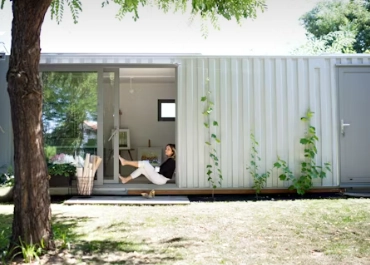
Mobile homes, in a broad sense, mean factory-assembled prefabricated buildings that can be relocated as a whole or simply taken apart, shipped, and put back together. This built-in modularity lets you expand or shrink the setup according to your requirements. You might need a small unit for single-person living, or perhaps a linked setup for a household or office—these container setups can be piled up and joined in inventive ways. The C4 double-layered container house serves as a clear instance; its two-level design makes the most of height by providing a practical base-floor work area plus extra storage or utility room on top. Because of this piling feature, container homes work well in city areas where space is scarce but the need for usable room is strong. Besides, this modularity supports fast changes. If you want to turn an office into a home area, then with parts already made away from the site, the switch happens swiftly and cheaply.
Can shipping container homes really speed up construction?
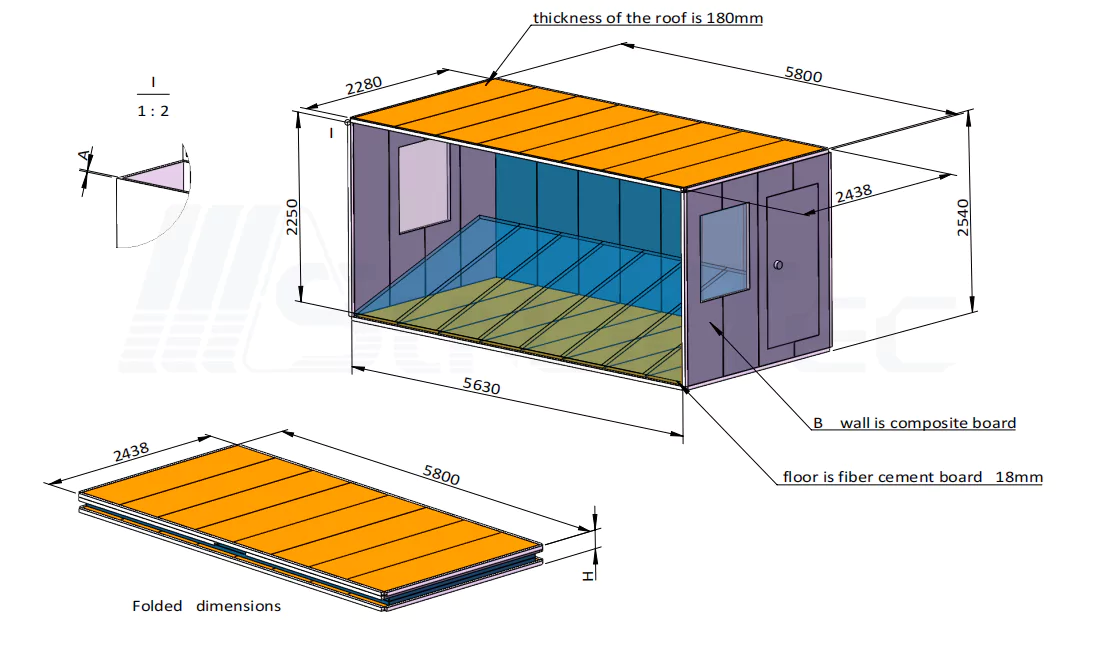
Yes—they do so in a big way. Many mobile houses follow the idea of modularization, and every section acts like a separate “building block” that factories can pre-make and put together. As a result, rather than waiting months for usual building work, most of your home gets finished in a managed factory environment. After the units are made, workers transport them to the spot you pick and set them up in just hours. For instance, Sunlit Tec’s fully enclosed E1 Space Capsule arrives complete and can be placed and ready for use in two hours once it reaches the site. You skip holdups from bad weather, worker shortages, or mistakes on location. This smooth process from delivery to setup proves very useful when you require quick move-in, whether for homes, businesses, or urgent shelters.
How strong and durable are these steel structures?
Shipping containers get designed to endure harsh ocean weather. They start out sturdy. The primary frame of the mobile house uses galvanized steel pipes, which guarantee the house’s overall safety and reach a quake resistance of 10 along with a wind resistance of 12. This means they hold up well in everyday situations. No matter if you deal with heavy snow, seaside gusts, or earthquake areas, these builds stay dependable. The E6 Space Capsule, for one, includes hot-dip galvanized square tubes covered in aviation aluminum plates—this mix gives solid strength along with good warmth protection. Their firm frame supports fixed setup or easy moving without losing build quality. That makes a strong case for why these homes see more use in far-off areas and risky spots.
Are shipping container homes truly sustainable?
Yes—and that’s one of their top draws. Repurposing shipping containers fits with circular economy ideas. Instead of allowing these huge steel boxes to decay after carrying goods, you give them fresh use as places to live. What’s more, because they get made off-site ahead of time, the building process creates less trash, less noise bother, and less upset to the environment at your land. These homes also cut down on using usual materials such as concrete and brick, which leave bigger carbon marks. They handle heat well too. Units like the E1 capsule use aviation aluminum panels with strong warmth-keeping ability to keep inside areas cozy in tough weather. You can add solar or wind energy if you aim for off-grid living, though Sunlit Tec units typically link straight to the main power grid.
Are container homes cost-effective across the project lifecycle?
The cost cuts start with buying materials and last through daily use. Building mobile houses often costs less since they use factory making and site joining methods, which shorten on-site work time and worker pay. You gain from lower running costs as well. Good warmth layers mean you need less heat or cool air, and the setup bothers your land little—which leads to smaller costs for fixing the site. Look at the E1 Fully Enclosed Space Capsule for an example: it gives 28m² of fully warmed living area with a bath, sitting space, and sleep room, all using just 8KW of power in total. That’s cheap to run without giving up quality or style.
Key Considerations for Site Preparation and Installation
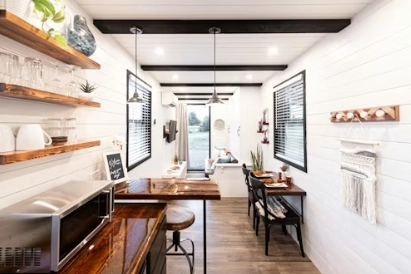
The structure must sit on firm ground, as that’s vital for steady support. Solid, flat surfaces prove key for keeping the build safe. Bases made of gravel won’t do, since they can wash away with time. If your spot slopes—like on a hill or in mountains—you have two solid choices: concrete posts with built-in steel bolts or a complete cement slab base. Each option gives a lasting hold for the container home, while making sure it stays straight and safe over years.
Is it possible to make container homes mobile?
Yes—and this feature opens up fresh ways to live. By adding a trailer base to the unit, your home can shift spots easily with help from cranes and flat trucks. It offers freedom: you can move it anytime to wherever you choose. Still, the tying-down setup needs to match the land type and follow local rules.
Long-Term Residential Functionality of Container Homes
Sure. Beyond small types like D3 (one bed, one bath), most setups can provide complete home plans—sleep room, sitting area, kitchen, bath—all in smart space use. They suit ongoing living thanks to clever room arranging. The E6 capsule takes it a step further by adding a pair of bedrooms with an open sitting area and deck. With 38m² overall and careful split of uses, it brings a cozy home vibe inside a modular body.
How well do these homes adapt to different climates?
Warmth protection matters most—and these homes do it right. Materials like polyurethane foam and Low-E double-layer glass give top heat-blocking power. Can they allow normal life at -40 degrees Celsius? Yes, just add extra warmth layers and floor heat. On the other hand, in hot, wet spots with strong warmth, added-thick warmth layers (up to 150mm) paired with multi-part cooling units keep inside areas fresh with little effort. Linking to the national grid ensures steady power no matter the weather area.
Sunlit Tec as a Trusted Supplier of Space Capsule Homes
When you feel set to check out this forward-thinking home option, think about teaming with a top name in combined modular building: Sunlit Tec. Sunlit Tec focuses on space system answers for today’s combined cabins, including pre-made homes like space capsules and container houses. Their items look sharp yet work well—they get built to handle rough spots while giving clean looks that fit city or outlying places. From the E1 capsule perfect for one person to the roomy E6 for groups or visitors, every piece uses galvanized steel frames and aviation aluminum plates for long life and warmth savings. You can pick changes like trailer bases for moving or ground anchors for staying put.
FAQ
Q1: Can Sunlit Tec space capsule homes be installed on sloped or mountainous land?
A1:Yes, installation on uneven terrain requires concrete pillars with pre-installed steel bolts or a full cement foundation to ensure structural stability.
Q2: Are Sunlit Tec homes equipped with surveillance or alarm systems?
A2:No, Sunlit Tec does not provide monitoring or alarm systems as part of its standard product offerings.
Q3: What happens if a component is damaged during the warranty period?
A3:If any parts are damaged within the warranty period, Sunlit Tec will send replacement components.

 English
  Spanish
  Arabic