
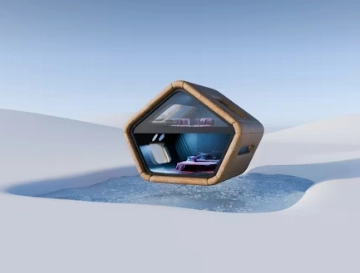
The growth of structures inspired by space capsules comes straight from progress in aerospace engineering. These mobile homes focus on aerodynamic performance with their smooth, capsule-shaped designs. Such rounded shapes cut down on wind drag.
Their small, adaptable arrangements show a careful way of using space wisely. Spacecraft have to make the most of every bit of room, and these homes do the same.
As a result, they turn into very practical options for living and business uses. Mobile homes, in a general way, mean buildings that are put together in factories as prefab units. These can shift entirely or break down easily, move around, and be put back together again. This flexibility opens doors for various needs, from quick setups to lasting homes. People appreciate how they fit into different lifestyles without much hassle.
Why Are Advanced Materials Critical in Capsule Architecture?
New ideas in materials hold a key spot in keeping things strong and comfortable for living. To keep residents safe, the core structure of the mobile house uses galvanized steel pipes. These pipes make sure the whole house performs safely overall. They reach an earthquake resistance of level 10 and a wind resistance of level 12. Moreover, this base pairs up with high-quality aluminum from aviation or mixed panels. Those provide better heat control inside. Without such choices, the homes might not hold up well against weather or daily wear.
On top of that, the way parts connect in modules allows for quick setup right at the location. This speed matters a lot for urgent placements or fancy resort builds. Take the E1 space capsule as an example of this smart approach. It uses aviation aluminum panels along with a hot-dip galvanized square tube setup. Together, they give a solid guard against bad weather and good heat-keeping abilities. E1 capsules rely mostly on those aviation aluminum panels. They add just a bit of glass, too. This mix helps build an office or living spot that’s cozy in winter and fresh in summer. Explore the E1 model. If you look closer, you’ll see how these details make a big difference in everyday comfort and long-term use.
How Do Designers Maximize Space Efficiency in Limited Footprints?
Inside room counts as a top value, so planners use zoning plans to split up spots into useful parts like rest areas, meal zones, and work spots. Then, furniture that serves many purposes boosts how well the space works. Items like beds that fold away, built-in storage spots, and seats that change function show up often in these designs. By mixing these ideas, designers turn tight areas into places that feel open and handy for daily life.
They also improve brightness and air flow with big-view windows and roof lights. The D3 capsule comes with 270° panoramic floor-to-ceiling windows. These let people inside take in the outside views while staying put. Plus, such features help boost the quality of the air indoors. They also give a sense of wider space, even when the actual size stays small. In the end, these touches make the homes feel more inviting and less boxed in, which helps users enjoy their time there more fully.
Are Expandable Container Houses Truly Versatile?
These expandable units have walls that fold, so they stay small for moving but open up wide once in place. When it comes to folding transport, certain mobile houses come in foldable styles. That setup makes shifting the whole thing much easier overall. Most types can fit setups with several rooms, like cooking areas, washrooms, and sleeping quarters. Because of this, they work great for stays that last a long time. What follows is that their style attracts interest from tourism projects and steady home needs in city gaps. Overall, this range of uses shows why they fit so many situations, from short trips to full-time living.
What Site Conditions Must Be Met Before Installation?
Even with their easy-to-assemble nature, getting the site ready remains very important. Mobile homes work only on firm, even ground, like concrete pads or cement posts fixed with bolts inside. Loose gravel spots don’t hold up because they can wash away over time. If the focus is on easy moving, you can add trailer bases as extra supports.
Can Design Influence Market Value and End-User Experience?
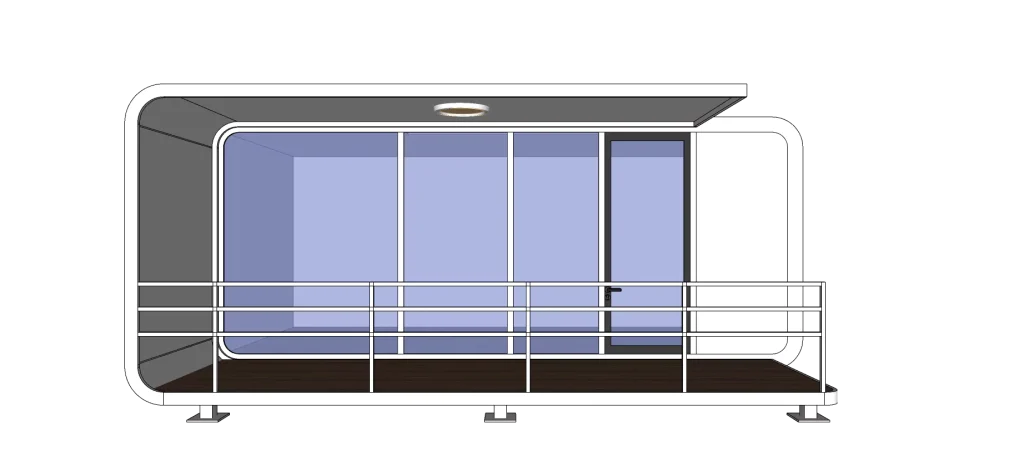
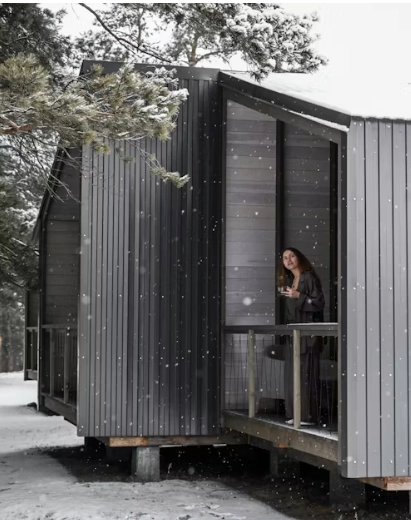
Capsule houses set apart with their clean lines and forward-looking style. This way of shaping things connects strongly in places full of tech fans and green travel areas. You can change the outer looks, from bright metal covers to simple black-and-white finishes. Those options help match local styles without trouble. The Apple Cabin P3.3 with Terrace shows clearly how adding outdoor decks boosts both the practical side and eye appeal. It mixes inside comfort with outside nature in a smooth way. Such features not only catch eyes but also raise the worth in sales, making them a smart pick for builders and owners alike.
Do Curved Forms Improve Psychological Comfort?
Yes—shapes like domes bring out a natural sense of protection and closeness. Add in nature-inspired touches, such as wood from trees or lots of natural light coming in, and they help build better mental health. These upsides to feelings fit perfectly with spots for relaxation or living away from the main grid.
Where Do These Units Fit in Real-World Applications?
Skip types like D3 that have just one room and a bath, and most capsule units come with complete setups—bedroom, sitting area, kitchen, and washing space—perfect for all-year stays. Apart from the D3 model (one-room-one-bathroom), most Sunlit Tec space capsule houses handle all home tasks, from the living room to the kitchen, bath, and bedroom, which fit them for ongoing living. They hook up right to the country power lines in the usual way. You can get solar add-ons if asked specially, but they’re not the norm. All this makes tying into services simple, skipping tricky off-grid setups. In cities or far spots, they blend in well, offering steady homes without big builds. Their ready-to-go nature saves time and fits tight budgets, too.
Are They Suitable for Temporary Installations?
Absolutely. The insides finished at the factory mean you can set them up fast, in just hours after they arrive. The full cabin gets built in the plant, ships complete, and lets you settle in two hours after it touches down. Their small size for hauling helps with delivery to out-of-the-way places or spots for events where old-style buildings won’t work. This quick process shines in situations like festivals or relief efforts, where speed counts most. Plus, once done, they provide reliable shelter without ongoing fixes.
What Drives ROI in This Segment?
Worldwide need grows fast because city land prices climb and more folks want simple living ways. As cities spread quickly and people move more, calls for short-term and movable homes keep going up. In travel areas above all, space capsule homes turn into main draws at sites themselves, which lifts stay numbers and guest interest. Their fresh twist pulls in visitors after deep, hands-on stays instead of usual spots. This pull boosts business returns, especially in places that push unique experiences. Over the years, such demand shaped whole markets toward quicker, greener options.
How Do Costs Compare to Traditional Builds?
Building in modules cuts down a lot on waste from making and work done right there. Making in factories and putting together on-site shortens build time on location and cuts worker expenses. The pre-made style gives a tighter hold on spending while keeping top build marks. These units lower costs over their full life with good energy use and finishes that need little upkeep. When you stack them against old methods, savings add up in time, materials, and effort. Owners see faster payoffs, making them a go-to for smart investments in housing today.
Why Trust Sunlit Tec for Space Capsule Housing?
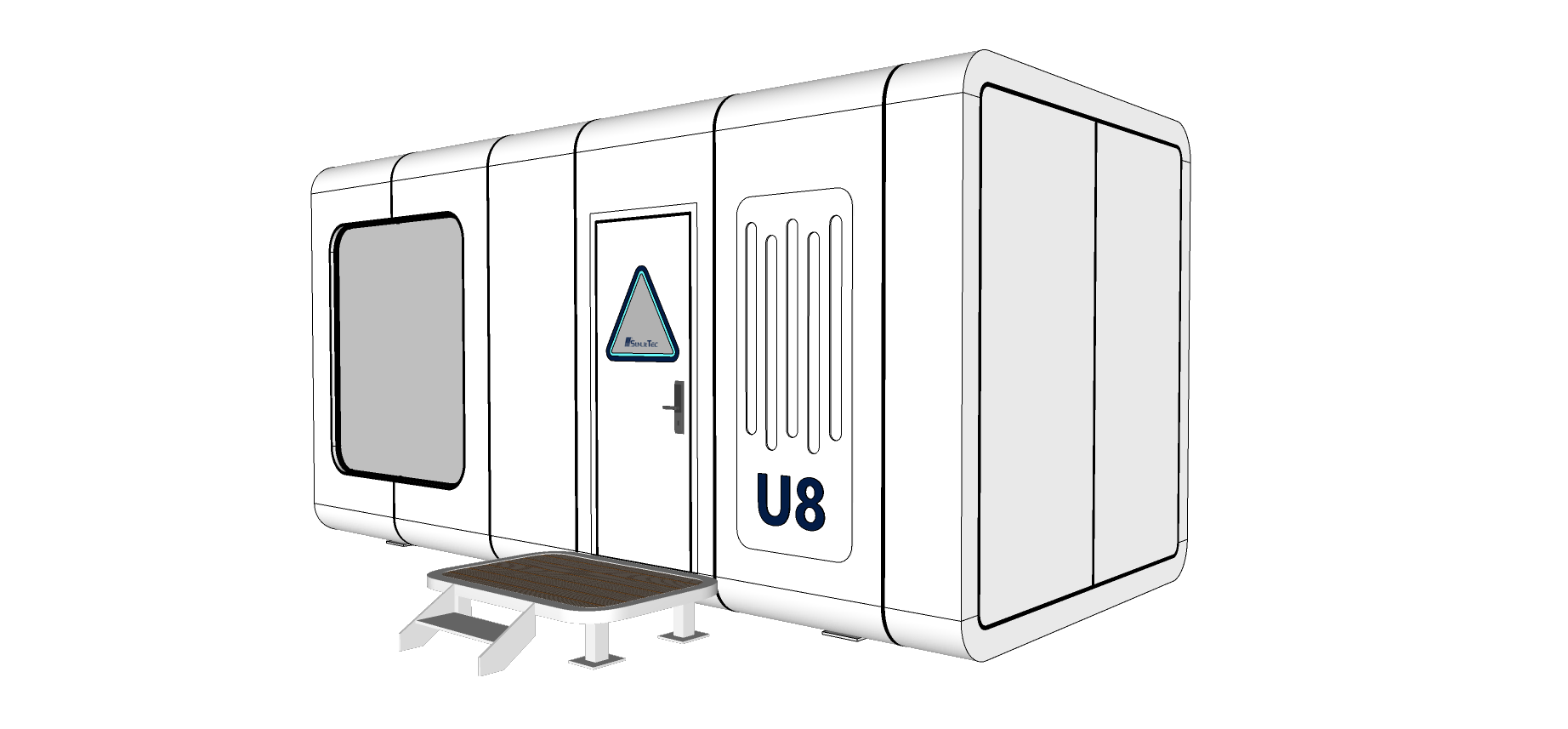
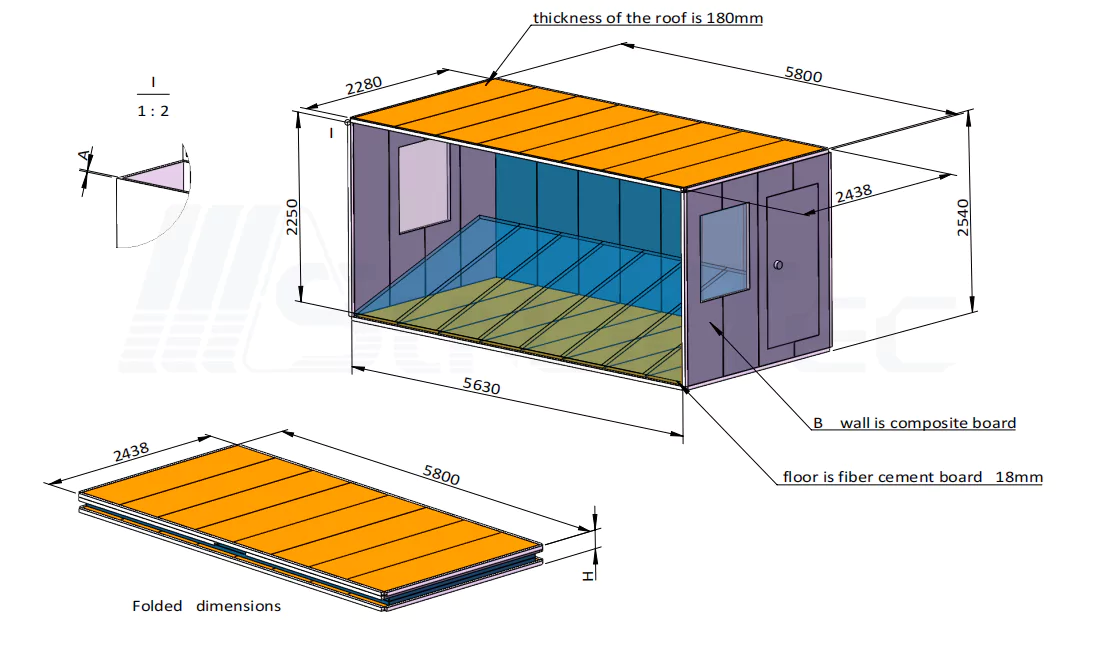
As a top maker in this area, Sunlit Tec gives a wide set of items, from space capsules like the U8 model to two-level triangle homes (C7), and adjustable container shops (C4). The space capsule U8 is 6.3 meters long, 3 meters wide, and 3.1 meters tall. You can adjust the inside plan to fit your exact wants. Every item blends current looks with solid build strength—great for guest stays, workspaces, or shop setups. This variety lets buyers pick what matches their goals, from small personal units to larger business ones. Sunlit Tec’s range covers needs across scales, ensuring options for everyone in the field.
How Does Sunlit Tec Ensure Quality?
Every model relies on galvanized steel frames to stay tough and handle the surroundings well. Buyers get choices in how rooms are arranged, matched to what they plan to use them for—be it small hotels or their own homes. The firm helps with sending worldwide and gives full how-to advice when setting up. Their straight-from-factory sales keep prices fair without cutting corners on checks through all the manufacturing steps.
What Should Buyers Know Before Investing?
You need a solid base to start. Good picks cover concrete flats or cement stands locked with bolts deep in. Loose gravel bases get banned because they shift and weaken. For times when moving matters on flat land, tack on a trailer frame. Shoppers ought to steer clear of rough ground unless fixed ahead—think hills or mushy dirt spots. Proper prep avoids headaches down the line, keeping the unit stable and safe for years. Checking this early saves money and ensures a smooth setup from day one.
How Compatible Are These Units with Infrastructure?
They build them to link easily to regular power networks. You can add solar boards if you ask, though not in the starting setup. Usually, they plan to join the country’s main power system right away. Solar boards come only if you specify for the job’s needs. Guard setups don’t come standard, but you can fit them later if you want. This setup makes blending with local services straightforward, cutting setup worries.
FAQ
Q1: Can capsule houses be used for permanent living?
A1: Yes—models excluding D3 offer full residential features such as kitchen, bathroom, bedroom, and living room layouts ideal for long-term use.
Q2: What type of foundation is needed for installation?
A2: Hardened level ground is required. Concrete platforms or pillars with embedded bolts are recommended; gravel is prohibited due to erosion concerns. Choosing the right base ensures stability and prevents issues over time, which is key for safe and lasting placement.
Q3: Are solar panels standard on all units?
A3: No—they connect directly to national power grids by default. Solar panels are available upon request, depending on project scope. This flexibility lets users match the unit to their energy needs, whether sticking to grid power or going greener with add-ons tailored to the site.

 English
  Spanish
  Arabic