Modern coastal regions face stronger winds every year. For many buyers, especially those considering temporary housing or mobile onsite offices, storm safety becomes the biggest doubt. You want something that stands firm even when the weather turns rough. Modular container houses attract attention because they look sturdy and practical, yet some still wonder whether they can survive a hurricane or a fast-moving typhoon.
Before diving into the technical aspects, it helps to know where these houses come from. One manufacturer that appears frequently in global project cases is Sunlit Tec. Its background in metal structure engineering and modular fabrication runs through many of the projects shown in its company profile. When browsing its product library or the real construction scenes displayed in its case section, you notice that many units are placed in windy deserts, ports, and exposed hillsides. These environments are not gentle, which already hints at the structural toughness required for such work.
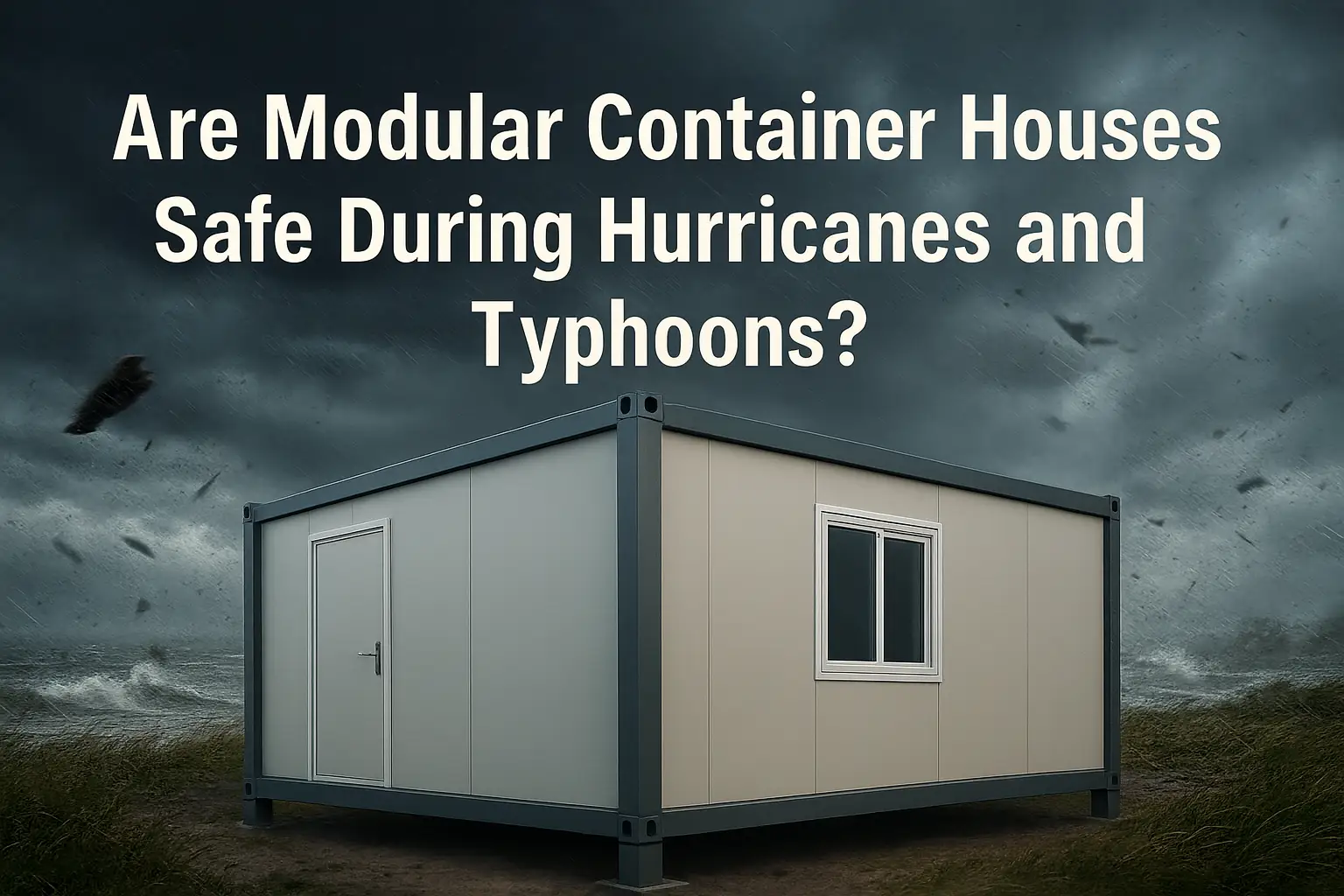
What Structural Features Protect Modular Container Houses in Severe Storms?
When dealing with extreme winds, the structure matters more than anything. A modular container house relies on a steel skeleton, and the frame carries the entire load. It behaves differently from a wooden cabin or a prefab panel hut.
Reinforced Steel Frame for Wind Resistance
A steel frame distributes force through vertical corner columns and cross-connected beams. During strong winds, pressure usually hits the edges first. The frame transfers these loads downward into the foundation instead of letting the wall panels absorb the shock. This is why modular units with heavy steel bases tend to shake less, even during level-12 winds, which are common in coastal typhoon seasons.
Integrated Enclosed Design for Structural Stability
The structure of a container house works as a single enclosed box. That enclosure blocks twisting forces. In storms, houses often fail not because they collapse but because they twist and tear along weak points. An enclosed container avoids many of those weak joints because the structure is pre-engineered as a single module.
Certified Wind Load Performance up to Level 12
Many engineered modular houses undergo pressure simulation during production. While actual numbers vary by configuration, factory-built units usually reach wind performance levels suitable for exposed areas. Sunlit Tec’s industrial background—indicates that the modules used in its product line follow the common structural requirements expected in storm-prone zones.
How Do Sunlit Tec Container Houses Enhance Storm Safety?
If you look through the company’s product information, you notice its focus on metal treatment, corrosion control, and long service life. These traits indirectly relate to hurricane resistance because storms often include salt spray, sand, and flying debris.
Galvanized Steel Framework With Anti-Corrosion Durability
Coastal humidity tends to corrode untreated steel fast. Once corrosion starts, the strength of the frame drops. Heavy-galvanized steel solves that by forming a protective layer that resists rust even after long exposure. This is why metal modules from industrial suppliers typically last longer in island regions.
Factory-Engineered Modules Ensuring Consistent Quality
Storm safety depends on consistency. You don’t want a unit that performs differently because it was assembled loosely onsite. Factory engineering keeps dimensions stable. Panels fit tightly, and roof seams align properly, so wind doesn’t sneak into gaps.
Customizable Reinforcement Options for Coastal Regions
Some users add thicker walls or reinforced corner joints when their projects sit in high-risk wind corridors. Manufacturers accustomed to offshore or port-region projects often support these upgrades.
Are C1 and C2 Modular Houses Suitable for Hurricane-Prone Areas?
Two modular systems from Sunlit Tec often appear in discussions: the C1 and C2 models. Their structure may look simple, but each type targets a different practical request.
C1 Standard Container Design for Low Shipping Risk
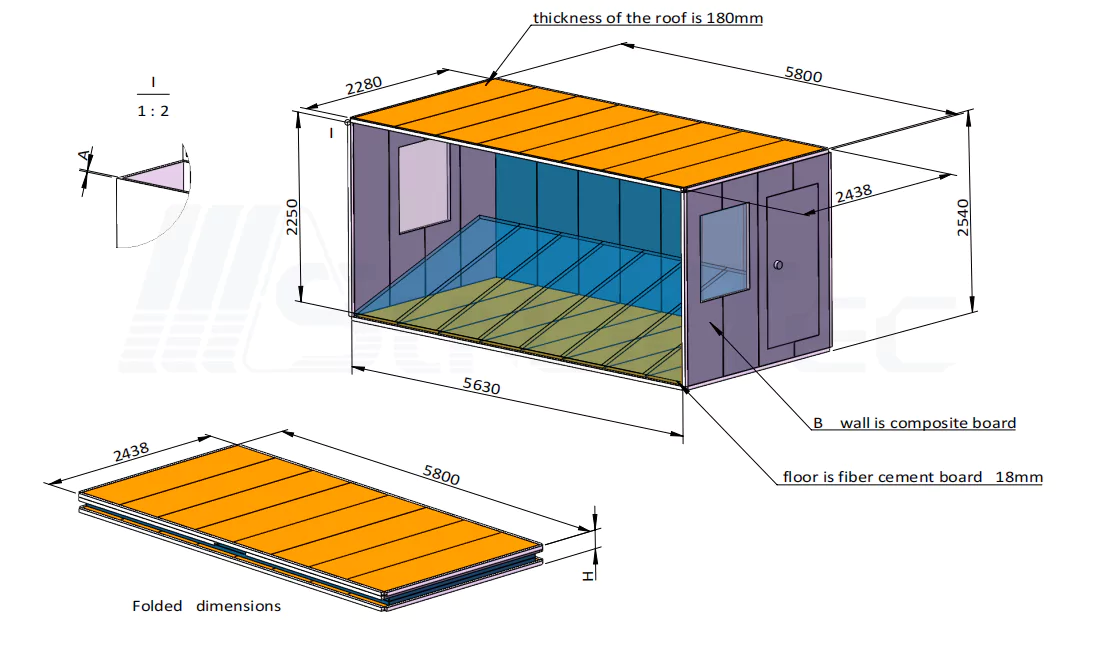
The C1 container house follows a structure close to standard shipping containers. This form naturally handles transport pressure, so it also handles side wind pressure better than many lightweight prefab units. The frame sits in a compact cube shape that spreads force evenly.
C2 Modular Split-Shipment Structure for Flexible Installation
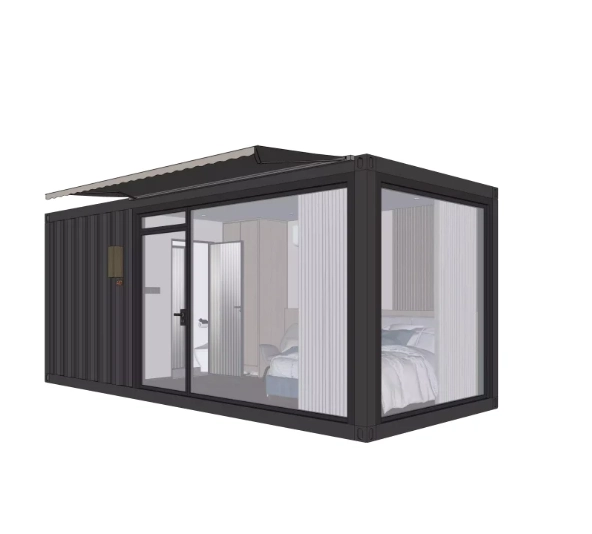
The C2 model ships in pieces, which helps when your location is hard to reach or the crane space is limited. Even though it is modular in parts, it still uses a heavy steel skeleton when assembled. For regions where storms hit often but transportation is complicated, this flexibility becomes useful.
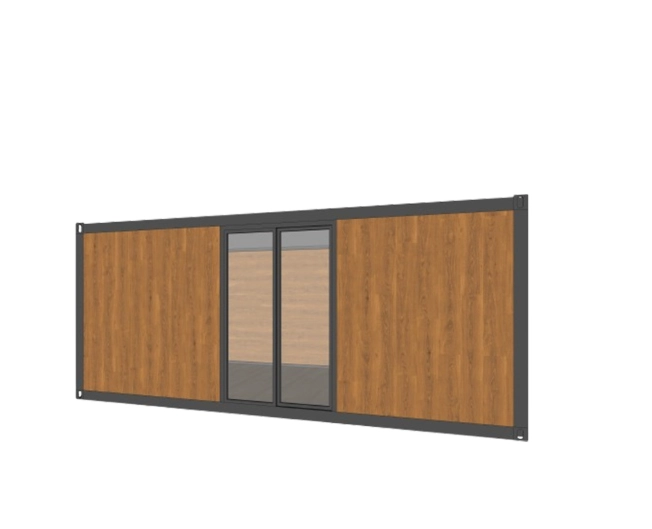
Cost-Effective Construction With Strong Safety Performance
Storm-resistant housing does not always need extreme cost. Container frameworks offer a balance: steel where you need strength, panel insulation where you need indoor comfort. This combination makes C1 and C2 practical choices for mobile offices, worker dormitories, or temporary housing that must stay secure.
How Do Materials Used in Modular Houses Improve Safety During Typhoons?
Materials play a large part in how well a house stands during a storm. Lightweight materials often bend or break first when debris strikes.
Double-Layer Low-E Glass for Impact Mitigation
Windows usually fail first during storms. Many modular units use double-layer Low-E glass. Even when struck by gravel or branches carried by wind, the layers absorb impact better than single sheets.
Polyurethane and OSB Insulation for Thermal and Structural Protection
Polyurethane core insulation feels light, but it sticks strongly to steel surfaces. This helps wall panels maintain their shape. OSB structural layers add stiffness, reducing panel vibration when winds pick up.
Fireproof and Weatherproof Exterior Panels
Exterior panels usually include a fire-rated layer and weather-resistant coating, useful not only during storms but also during daily coastal humidity cycles.
What Installation Methods Improve Storm Resistance for Container Houses?
Even the best structure needs proper installation. Many failures occur not because the module is weak but because anchoring is poor.
Ground Anchoring Systems for Wind Stability
In hurricane zones, installers often anchor the frame through steel base plates. These plates bolt into concrete footings, stopping the house from lifting during upward wind pressure.
Optimized Site Planning for Water and Debris Control
Positioning matters. Setting the house slightly higher prevents water intrusion. Placing it away from loose objects also reduces impact risk. Many project photos in the case section show container houses placed in clear open sites for exactly this reason.
Can Modular Container Houses Be Maintained Easily After a Hurricane?
Maintenance helps you keep the structure in shape. After a storm, some inspections are simple enough for any user.
Replaceable Modular Panels for Quick Repair
Panels that dent or scratch during a typhoon can be replaced without tearing down the whole unit. That reduces downtime in construction environments.
Durable Exterior Surfaces Requiring Minimal Upkeep
The weather-resistant coating holds up well against salt spray and strong UV exposure, so you don’t repaint them often.
Sunlit Tec After-Sales Support and Spare Parts Supply
The support team offers replacement parts and consultation when required.
FAQ
Q1: Can a modular container house withstand typhoon-level winds?
A: Yes. A properly anchored steel-frame unit handles strong winds because the force spreads through the frame instead of stressing individual panels.
Q2: Are C1 and C2 models suitable for coastal construction camps?
A:They work well in coastal regions due to their steel structure and corrosion-resistant materials.
Q3: Do container houses require special maintenance after a storm?
A:Only simple checks are usually needed, such as inspecting panels, windows, and anchors.