
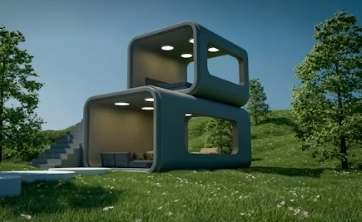
The key to capsule house design is a smart emphasis on small size and smart use of space. Builders craft these homes carefully to provide the best possible use in very limited areas. The style relies on ready-made parts, where every piece comes pre-made from the factory for easy setup and growth potential. Modular design: most mobile houses are built with the concept of modularization, and each part is like an independent “building block”, which can be prefabricated and assembled by the factory.
Instead of creating separate rooms in the usual way, capsule houses blend different areas into shared spaces that serve multiple purposes. For example, places for living and sleeping might use items that change function, such as beds that fold away or storage hidden in walls. This mix of uses in common areas makes the home feel livable and cozy without giving up ease.
What Structural Materials Enhance Durability in Harsh Environments?
The strength of capsule houses comes from the materials they use. The main frame of the mobile house is made of galvanized steel pipes, which can ensure the overall safety performance of the house, achieving a seismic resistance level of 10 and a wind resistance level of 12. Outer layers typically include high-quality aluminum sheets from aviation sources or mixed aluminum materials that resist rust, water, and changes in heat.
The E1 space capsule, for example, uses hot-dip galvanized square tubes and aviation aluminum plates, which are both sturdy and have excellent insulation performance. Plus, all building materials get special treatment beforehand to handle long exposure to the elements. This makes them work well in various weather conditions, from seaside spots to high mountains or dry deserts.
How Do Site Conditions Influence Installation Methods?
A solid base is absolutely essential. Capsule houses need to go on firm, flat surfaces like concrete pads. Loose ground like gravel is not allowed because it can wear away over time. In hilly or rough areas, special setups are required, such as concrete posts with bolts sunk in, to keep everything steady.
For people who want to move their home, there are choices like trailer bases that support mobile use. These come with the right bracing, so the house can shift positions but stay firmly in place when not moving.
How Is Space Efficiency Achieved in Capsule House Interiors?
Smart planning in capsule houses creates effective use of space without needing lots of room. Fixed furniture that builds in, items attached to walls, and beds that convert help cut down on mess while making things more practical. The layout of one bedroom, one living room, one kitchen, and one bathroom inside, reasonable planning, and complete facilities is typical among Sunlit Tec’s models (excluding D3), balancing residential comfort with compactness.
Open layouts are common in these designs because they let light spread well and allow easy movement. Using height wisely divides the area without building walls, such as putting beds up on raised platforms or fitting bathroom spots into built-in nooks.
How Are Functional Zones Organized in Limited Footprints?
Clever ways of dividing space let capsule homes separate personal and shared areas smoothly. Doors that slide or walls that fold can close off bathrooms from main rooms. Small kitchens and living areas often connect with one long surface for working or preparing food.
E6 With Balcony Space Capsule provides an excellent example of functional zoning within a 38m² footprint, offering two bedrooms, a hall, and a balcony—fully supporting long-term habitation.
What Livability Features Support Daily Use in Capsule Houses?
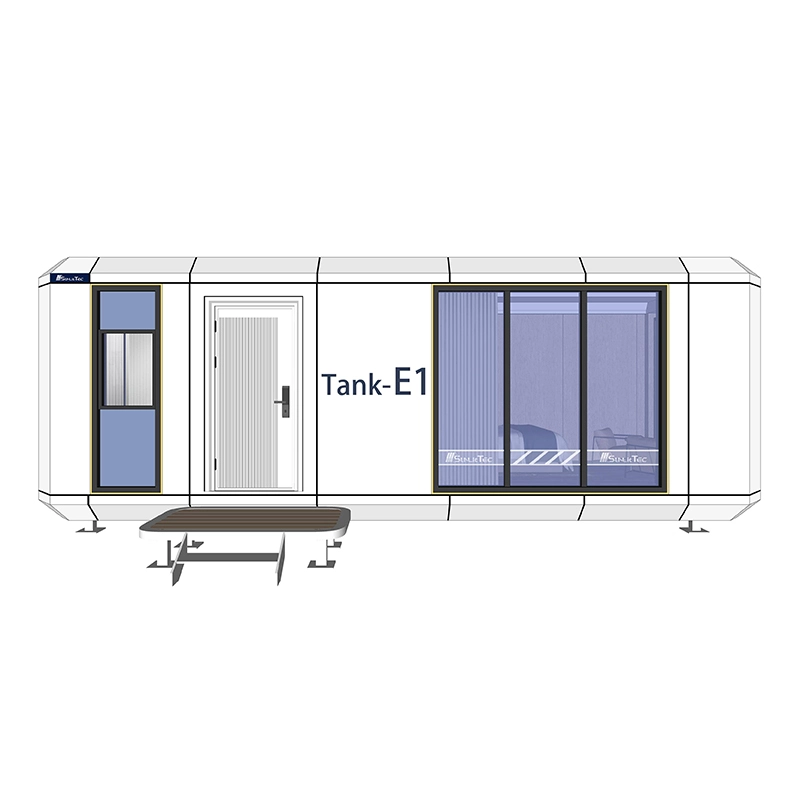
These homes are simple to set up and connect. They link straight to the main power lines for steady electricity. Water systems arrive already built in, so they just need to hook up to the local supply.
Units like the E1 Fully Enclosed Space Capsule are delivered with integrated water circuits and plug-in cards for power—enabling rapid deployment with minimal site preparation.
What Thermal Comfort and Ventilation Systems Are Employed?
Keeping a steady temperature matters a lot in small spaces. Windows with two layers of glass and walls with good insulation hold in the warmth or coolness inside. Optional heating under the floor works well in very cold places. Natural air flow systems pair with low-energy cooling and heating units to move air around while keeping the space sealed tight.
Capsule models can also be equipped with advanced insulation layers up to 150mm thick in extreme heat or cold regions. Underfloor heating is like a warm source hidden beneath one’s feet, continuously releasing gentle and stable heat from the ground.
How Do These Units Meet Safety Standards?
Capsule homes follow strict rules for building safety. The main frame of the mobile house is made of galvanized steel pipes achieving a seismic resistance level of 10 and a wind resistance level of 12. Inside, they use materials that slow down fire when needed. Although monitoring systems are not provided by default, third-party solutions can be integrated as needed.
Where Can Capsule Houses Be Practically Applied?
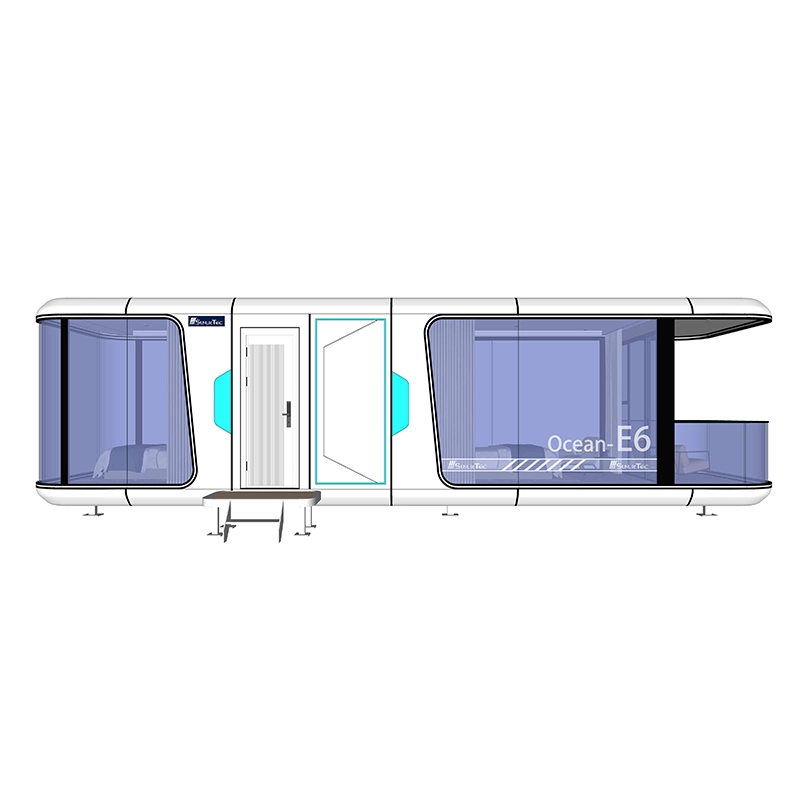
Yes, they work great for long-term living. The ready-to-assemble style of capsule homes fits ongoing home needs in cities or far-off places. Models such as the E6 With Balcony Space Capsule offer full residential features within a compact footprint—ideal for long-term occupancy without sacrificing modern amenities.
Can They Be Used for Temporary Lodging or Events?
People often use capsule houses for short stays in travel spots or at gatherings because they set up fast and don’t harm the land much. Their small size means they fit even in tricky spots if the ground supports them well.
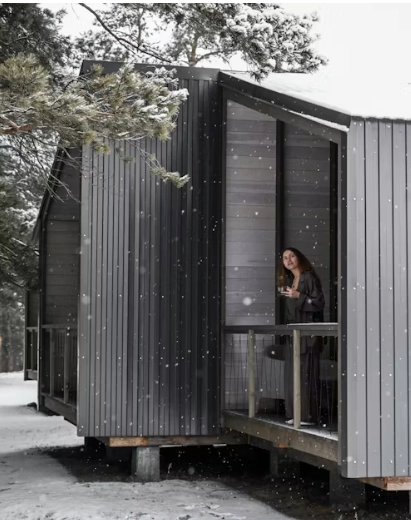
Mobile homes can provide unique accommodation experiences allowing tourists to get closer to nature—a major draw for eco-resorts or seasonal pop-up accommodations.
What About Emergency Response and Worksite Use?
The pre-built setup of these homes makes them perfect for quick shelters in crises or housing for workers on job sites. It can be used as an emergency shelter to quickly relocate the affected population. Being easy to transport lets them arrive fast in disaster areas or moving work locations.
Who Is Leading Innovation in Capsule Housing Solutions?
If you want dependable, attractive, and working capsule homes, look at Sunlit Tec. It started as a steel building firm in 2014 and grew into a worldwide maker of modern cabin systems. Their offerings include space capsules, apple cabins, and changes to containers, giving custom choices for business or home uses.
Supported by frames of galvanized steel and quality materials like aviation aluminum panels and SPC fireproof flooring, their products follow global safety rules and green standards. The company’s philosophy centers on “stylish space, practical space, comfortable space, green space”.
Whether you need a ready-made model like the E1 or a custom-tailored layout mounted on a trailer chassis for mobility—Sunlit Tec delivers with precision-engineered quality and scalable design options.
How Does This Provider Support Long-Term Ownership?
Sunlit Tec offers spare part replacement within warranty periods but does not include maintenance services. Monitoring/alarm systems not provided by default; clients may integrate third-party solutions if needed. Their after-sales process ensures that clients are well-informed about installation, usage, and upgrades—with renderings provided prior to production based on customer preferences.
What Should You Remember About Capsule House Design?
Clever ways of organizing space, such as open designs and furniture that fits right in, make the most of small areas. These modular setups give options for homes, businesses, or guest stays.
Why Is Structural Strength and Site Planning So Vital?
Capsule houses must sit on strong, even ground like concrete slabs, and gravel bases are not permitted. Capsule houses must be installed on hardened level ground such as concrete slabs. The steel frame coated with zinc lets them handle tough weather for many years.
Who Is Driving Innovation in This Market Segment?
With advanced prefab engineering and global delivery capabilities, Sunlit Tec remains at the forefront—blending futuristic aesthetics with real-world livability through its diverse product line and technical expertise.
FAQ
Q1: Can capsule houses be relocated after installation?
A1: Yes. If mobility is required, customized trailer chassis can be added to allow relocation. However, proper anchoring is necessary when stationary.
Q2: What kind of foundation is required for installing a capsule house?
A2: Capsule houses must be installed on hardened level ground such as concrete slabs. In mountainous terrain, concrete pillars with embedded bolts or cement bases are mandatory.
Q3: Are monitoring systems included by default?
A3: No. Monitoring or alarm systems are not provided by default but can be integrated independently using third-party solutions.

 English
  Spanish
  Arabic