Introduction
By 2026, modular housing has shifted from a minor concept to a standard option. It is altering commercial development approaches. Expanding urban areas and stricter eco regulations are fueling the demand for versatile, green, and affordable building methods.
In general terms, mobile homes are factory-built prefab units that people can move, take apart, and put back together without much trouble. This basic idea supports the 2026 modular housing movement. It involves building in a managed setting and then shipping for fast setup on location.
Commercial developers are leaning more toward modular building. It addresses two major issues: time and expenses. Unlike past projects that might drag on for years because of poor weather or lack of workers, modular housing allows off-site work to occur alongside site prep. The result is faster completions without dropping standards. Plus, this provides an important benefit in the current crowded property market. Developers interested in exploring these solutions can visit Sunlit Tec for more insights.
Key Innovations in Modular Housing
Prefabrication Technology Advancements
Current prefab methods rely on precise engineering and automation. Factories use robotic welding and computer modeling to create modules with fine precision. Light steel prefabricated housing sticks to basic designs. Parts are prepared in advance, transported, and joined on-site like pieces of a puzzle. This method reduces waste, increases durability, and maintains consistency over several units. It suits large efforts like hotels or office spaces well.
Sustainable and Energy-Efficient Materials
Sustainability is no longer optional—it’s a requirement. Developers choose materials that follow eco guidelines and improve energy conservation. Mobile house mainframes use galvanized steel pipes. These offer strong safety features with seismic resistance level 10 and wind resistance level 12. Insulation layers employ fire-rated polyurethane. And all interior materials are environmentally friendly. Such features align with global eco objectives. They also lower ongoing expenses via enhanced energy performance.
Faster Construction and Scalability Benefits
Speed stays a main plus of modular building. Modules made at the same time as site setup can cut overall build times by up to 50%. Prefabricated units get put together fast on location. This trims labor expenses and lessens business interruptions. For developers handling various sites or step-by-step growth, scaling is straightforward. New units fit in without disturbing current activities.
Benefits for Commercial Developers
Cost Reduction and ROI Improvements
Modular housing provides substantial cost benefits over regular construction. Compared to traditional brick and concrete structure houses or permanent buildings, the construction cost of mobile houses is usually lower because they adopt factory production and on-site assembly methods, reducing on-site construction time and labor costs. These reductions lead straight to better ROI for developers. They have to juggle profits with eco requirements.
Shorter Project Timelines and Reduced Labor Dependency
With a lot of the work handled off-site in stable settings, weather holdups turn minor. The approach needs fewer expert workers at the site too. This is a big help during worldwide worker shortages that hit building fields everywhere.
Flexible Design and Customization Options
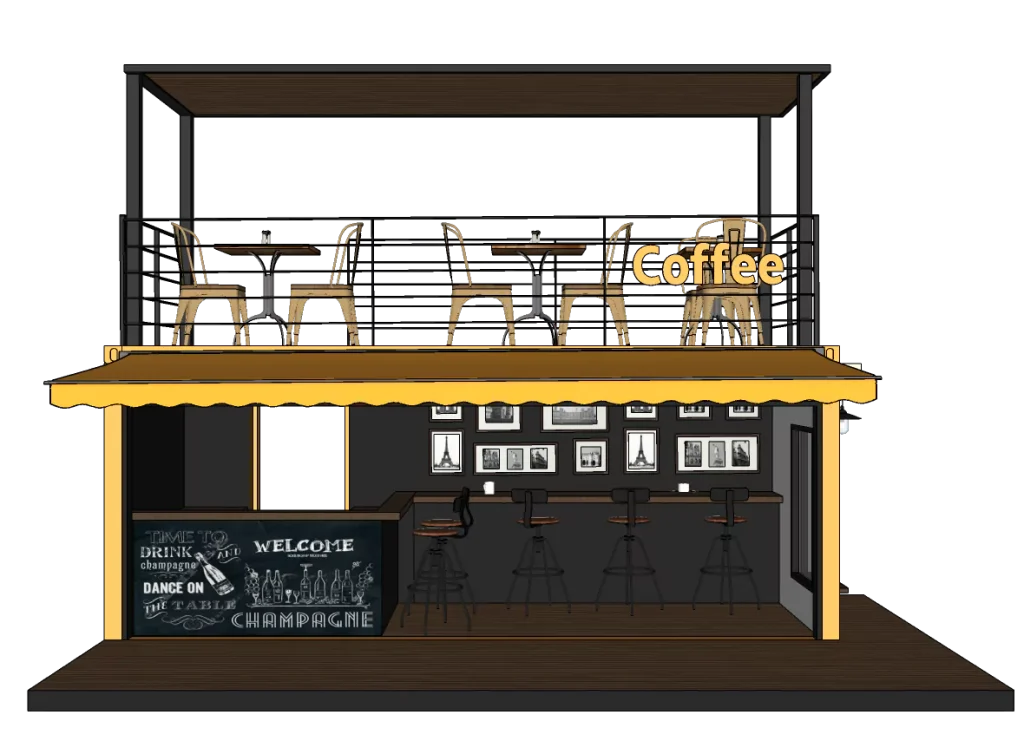
Current modular setups favor adaptability instead of sameness. Developers can adjust layouts for hotel rooms, shop units, or housing groups. They use swappable modules that fit different landscapes and styles. Inside plans and surfaces can be altered for various uses—like guest stays, stores, workplaces, or lounges. This aids inventive building ideas while keeping production smooth.
Sunlit Tec Modular Solutions
Sunlit Tec leads this shift with its varied lineup of modular items made for business use and visual charm. Founded in 2014 as a steel structure company, Sunlit Tec grew into mobile house creation. It blends forward-thinking design ideas with top engineering accuracy.
Product Overview
Sunlit Tec offers a range of integrated modules—Space Capsules, Apple Cabins, Board Houses, and Container Houses—engineered for durability, comfort, and smart integration:
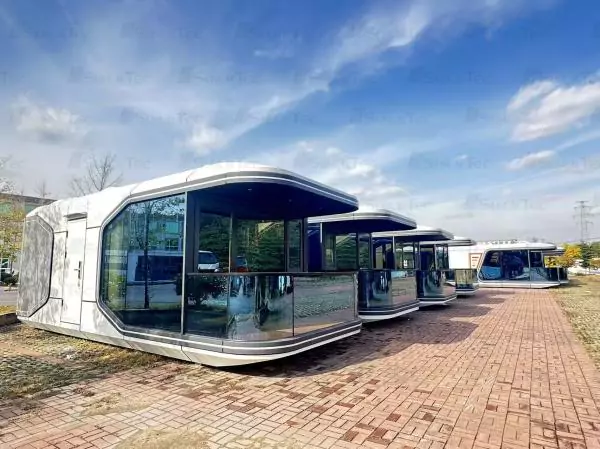
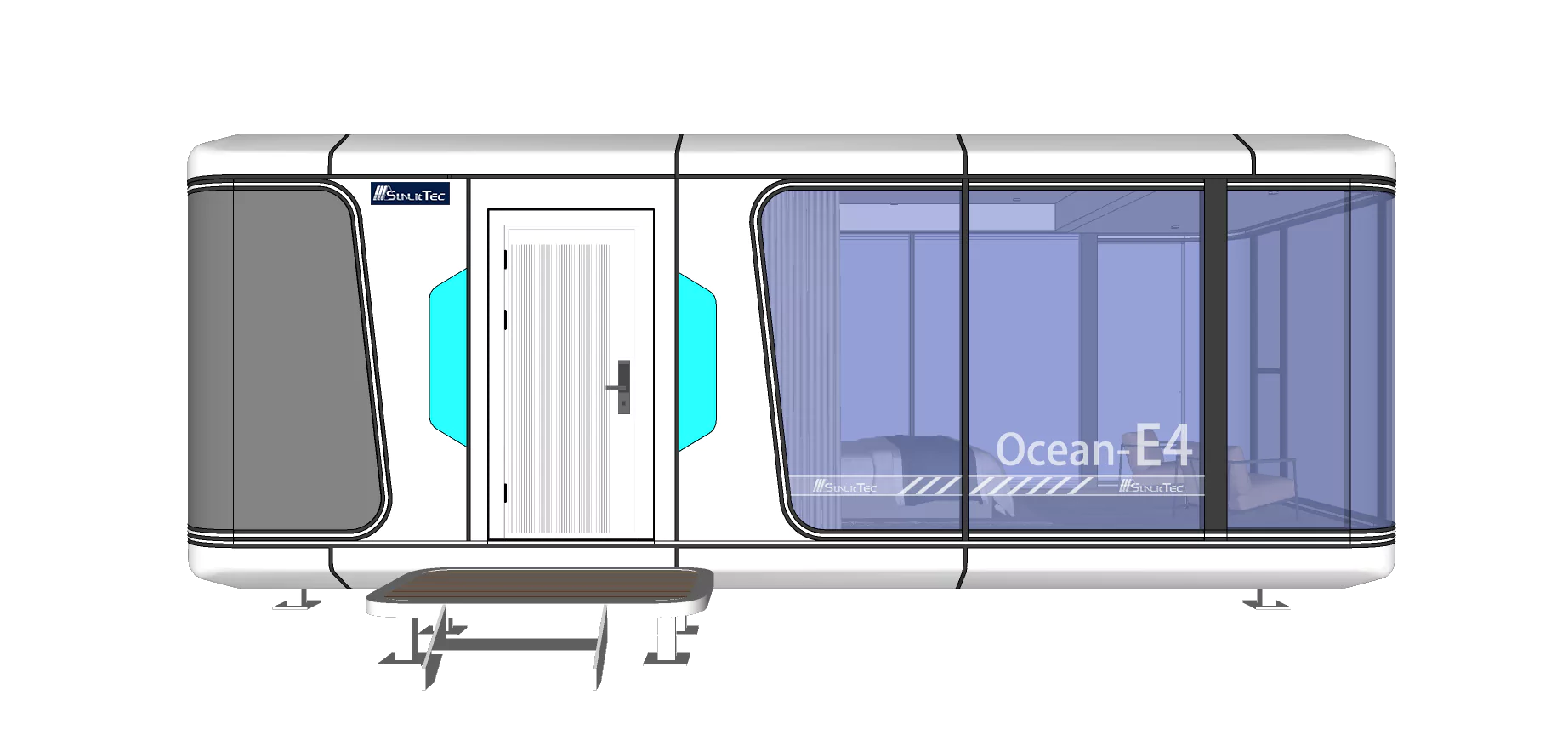
- Space Capsules:Compact yet luxurious units with panoramic windows and intelligent locks.
- Apple Cabins:Lightweight aluminum structures suited for resorts or compact offices, with customizable interiors.
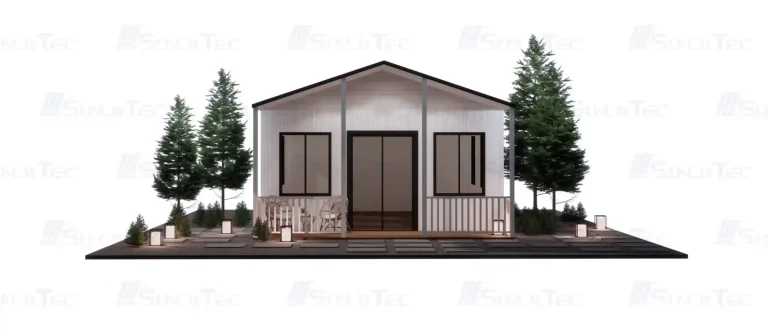
- Board Houses:Foldable designs enabling bulk shipment at lower logistics costs while providing full residential amenities.
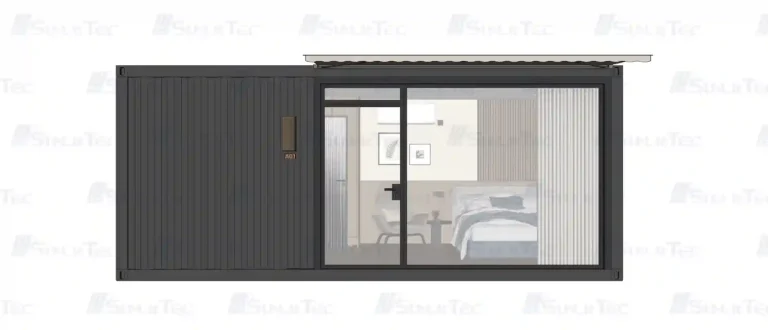
- Container Houses:Modular units built to sea freight standards for cost-effective exportation.
Each model focuses on fast setup. Most units let people move in within two hours after arrival. They also adapt well to different grounds, from hills to dry areas.
Case Study Example
A client from Southeast Asia worked with Sunlit Tec to set up a Space Capsule. It served as a versatile yard space for office and relaxation. After a few design changes aimed at weather toughness and fresh looks, the job finished in two months from start to end. The client liked its comfort in humid times due to better insulation. This shows Sunlit Tec’s skill in engineering.
Implementation Considerations
Regulatory and Zoning Insights
Before starting any modular job, developers need to handle local zoning rules. These control land use or height limits. While many areas now accept modular setups under normal codes, talking early with officials aids smooth permissions.
Logistics and On-Site Assembly Strategies
Shipping plans are vital in project setup because modules differ in size. Some are small cabins that fit regular containers. Others are bigger and need special transport. Some mobile houses are made in a foldable form… Simply fold the houses in a certain way for transportation, which saves space and is more suitable for long-distance transportation. After arrival, on-site setup usually means linking ready electrical and plumbing parts. This gets help from clear video guides from Sunlit Tec’s tech group.
For rough grounds or hill areas, bracket fittings or concrete bases provide steadiness. They do this without major digging. And that cuts down on eco harm during install.
Conclusion & Next Steps
In 2026, modular housing keeps changing current development methods. It mixes quickness, green practices, versatility, and low costs. For commercial developers looking for setups ready for the future and matching world eco standards, Sunlit Tec gives tested know-how. This comes from jobs in Europe, North America, Southeast Asia, and the Middle East.
Developers keen on checking custom modular plans can reach Sunlit Tec’s advice team. Or they can get their full PDF guide with tech details and examples.
FAQs
Q1: What is modular housing, and how does it differ from traditional construction?
A: Modular housing includes prefab parts built off-site in managed spots before transport for last setup on site. Unlike old ways that need full building from base up at the location, these units cut weather delays and keep steady quality checks.
Q2: How much cost savings can commercial developers expect with modular solutions?
A: Based on size and material picks, developers often save 20 to 40% over regular jobs. This comes from fewer work hours and briefer schedules from prefab building steps.
Q3: Can modular buildings be customized for specific commercial projects?
A: Yes—Sunlit Tec focuses on custom setups where clients pick layout roles like work areas or hotel spaces. They use modules that swap and fit many grounds.
Q4: How long does it typically take to construct a modular building?
A: Most average-size jobs finish in three months after deal sign. This is because off-site making happens with base prep at the same time.
Q5: Are Sunlit Tec’s modular systems compliant with local building codes worldwide?
A: Absolutely—all materials carry environmental certifications while structural designs meet international safety benchmarks including seismic resistance level 9–10 standards; compliance documentation accompanies every shipment globally certified for export use.