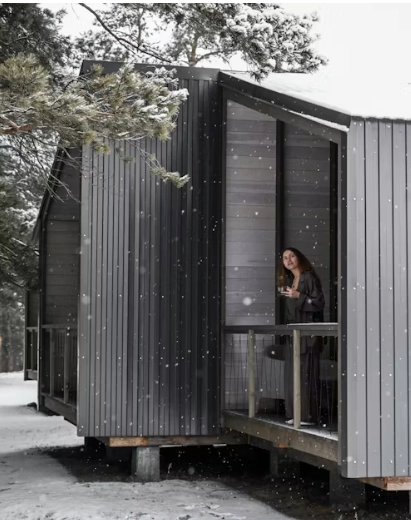
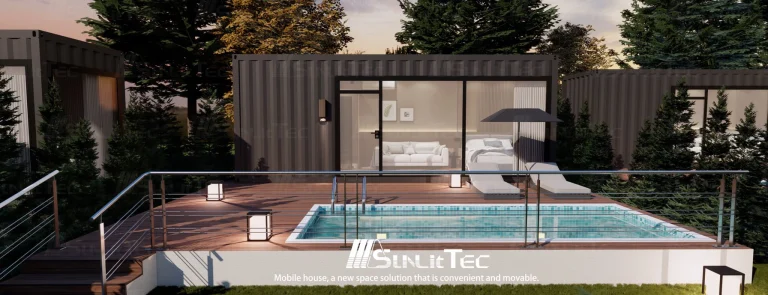
Las casas móviles, en un sentido amplio, significan edificios prefabricados montados en fábrica que las personas pueden mover como un todo o desmontar fácilmente, transportar y volver a juntar. Estas estructuras ofrecen una gran flexibilidad. Además, cuestan menos que los edificios tradicionales. Dentro de esta categoría, las casas de contenedores brillan por su capacidad de crecer y adaptarse a diferentes diseños. El enfoque modular significa que la mayoría de las casas móviles utilizan un sistema en el que cada sección actúa como un “separado; bloque de construcción. ” Las fábricas fabrican estas piezas con antelación. Luego, los trabajadores pueden montarlos en el sitio o desglosarlos por sección para su transporte. Después de eso, rápidamente unen todo en la ubicación. Este método permite a los profesionales comenzar con una configuración simple. A medida que sus necesidades cambian con el tiempo, pueden agregar más espacio a su área de trabajo o vivienda. La gente los usa para cosas como una oficina en casa, un artista’ espacio de trabajo, o incluso configuraciones con múltiples unidades. Las casas de contenedores se adaptan rápidamente a tales necesidades.
Otra ventaja importante es la forma en que se expanden hacia arriba. Los diseños apilables permiten construir más alto sin necesidad de grandes cambios en la base. Esto funciona bien para lotes de pequeñas ciudades donde el espacio es limitado. Cuando la cantidad de espacio necesario cambia, las personas pueden reorganizar el diseño fácilmente. Por lo tanto, las casas de contenedores preparan a los usuarios para lo que viene a continuación en sus carreras o vidas.
¿Se pueden construir y desplegar estas casas más rápido que las tradicionales?
Sí, pueden hacerlo. Uno de los puntos fuertes de las casas de contenedores es lo rápido que suben y comienzan a trabajar. La velocidad de construcción es rápida. Todo el proceso toma poco tiempo. Además, estas casas ahorran energía y ayudan al medio ambiente. También manejan la vida diaria durante mucho tiempo. Debido a la forma en que prefabrican todo, los equipos construyen las unidades lejos del sitio. Cuando llegan, las piezas a menudo están completamente juntas o casi listas para conectarse. Como resultado, el tiempo dedicado a construir allí disminuye mucho.
Dado que gran parte del trabajo ocurre dentro de las fábricas en condiciones estables, el mal tiempo apenas ralentiza las cosas. La forma sencilla en que se ejecutan estos proyectos se adapta tanto a lugares urbanos ocupados como a lugares lejanos para trabajar. Este ritmo rápido significa que los profesionales se enfrentan a menos pausas cuando cambian a una nueva configuración. En resumen, mantiene sus horarios en el buen camino sin mucha molestia.
¿Cuán duraderas son estas estructuras en condiciones duras?
La durabilidad se destaca como algo más que un agradable complemento, es’ es un punto fuerte principal. El marco central de la casa móvil utiliza tubos de acero galvanizado. Estos materiales mantienen todo seguro y sólido. Alcanza una resistencia al terremoto de nivel 10. Para el viento, maneja hasta el nivel 12. Así que, la estructura se mantiene bien en lugares difíciles, ya sea’ temblores desde el suelo o fuertes tormentas como tifones.
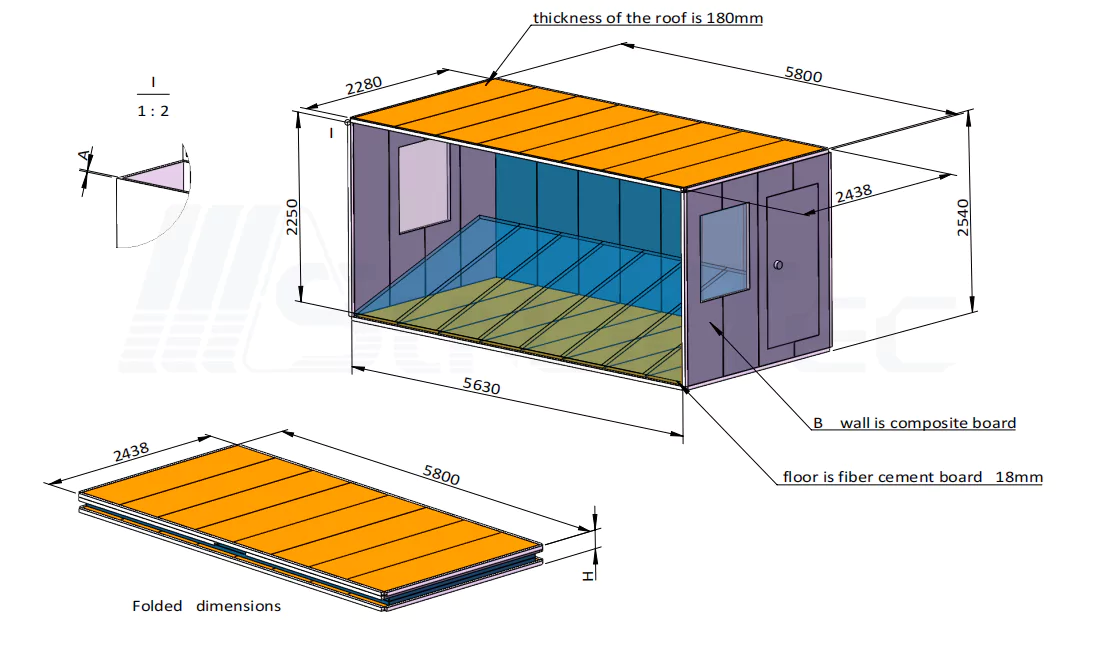
Las piezas extra fuertes, como el poliuretano para mantener el calor dentro y fuera, junto con los paneles hechos de aluminio de calidad aeronáutica, duran mucho tiempo con poco desgaste. Los constructores usan muchos artículos de alta calidad en la casa móvil. Eso incluye carcasas de láminas de aluminio espacial, marcos de tubos de acero galvanizado, vidrio que’ s doble capa y baja emisividad, pisos que’ s SPC y a prueba de fuego, además de tablas de fibras de bambú. Todo esto hace que las casas de contenedores sean una gran opción para los profesionales que necesitan configuraciones constantes en áreas difíciles de manejar. Incluso en lugares con clima malo o terreno inestable, estas construcciones permanecen confiables y siguen siendo fuertes a lo largo de los años.
¿Son estas casas eficientes energéticamente y ecológicas?
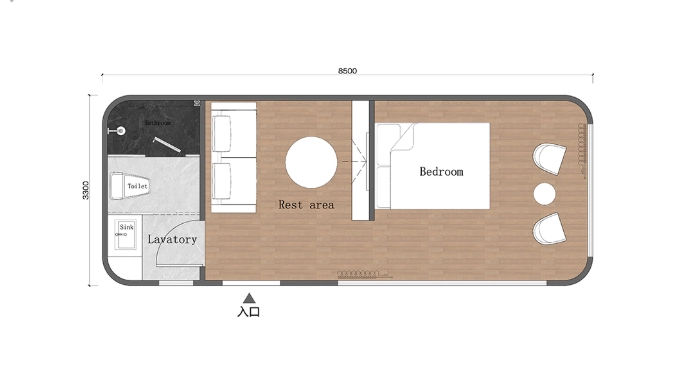
El ahorro de energía viene directamente del diseño inteligente y ajustado. El tamaño más pequeño ayuda a reducir la energía utilizada para calentar o enfriar. Cápsula espacial totalmente cerrada E1por ejemplo. Agregan materiales modernos para el aislamiento. Estos mantienen la temperatura interior constante, no importa lo que’ sucediendo fuera. Las cápsulas E1 utilizan principalmente paneles de aluminio de aviación. También se mezclan en un poco de vidrio. Esta configuración crea un lugar acogedor en invierno y fresco en verano, perfecto para oficinas o hogares.
¿Qué’ s más, casi todos estos modelos se conectan directamente al país’ principales líneas eléctricas. Así que ’ No hay necesidad de sistemas complicados que funcionen por sí mismos. El acoplamiento a las redes eléctricas nacionales proporciona un flujo constante de energía, evitando por completo la molestia de configuraciones fuera de la red. Y como estas casas a menudo reutilizan contenedores de envío antiguos o módulos listos de antes, se extienden el tiempo que duran los materiales. Esto atrae a los profesionales que se preocupan por las prácticas verdes y quieren alcanzar metas para el planeta. En general, estas características hacen que el uso diario sea más suave, al tiempo que reducen los residuos y las facturas.
¿Puedes presupuestarlo con precisión para un proyecto de casa de contenedores?
Pronosticar bien los costos es una de las principales razones por las que los profesionales eligen casas de contenedores. Los tamaños establecidos para cada módulo permiten a los planificadores calcular los presupuestos con más precisión desde el principio. Las piezas estándar, como las paredes, los marcos y los acabados interiores, reducen los gastos sorpresa al comprar o configurar. Debido a que todo sigue un patrón, los equipos evitan esos saltos inesperados en el precio que plagan a otras construcciones.
Además, la necesidad de mantenimiento se mantiene baja gracias a materiales resistentes que se resisten. Elecciones como estas conducen a menores costos durante toda la vida de la casa, ya que las cosas no’ t se rompe mucho con el tiempo. Si es’ Con el dinero invertido al principio o el gasto en cuidados más tarde, las casas de contenedores dan a las personas un sólido control sobre sus finanzas. Este camino claro ayuda a los profesionales a planificar con antelación sin preocupación, asegurando que los proyectos se mantengan dentro de los límites y brinden valor duradero.
¿Puedes reubicar estas unidades sin perder la integridad estructural?
Muchos profesionales necesitan moverse por el trabajo, por lo que los turnos físicos ocurren con frecuencia. Las casas de contenedores manejan esto bien a través de dos caminos principales: montar en remolques para facilitar el viaje o configurarlos para mantenerse en posición. Si alguien quiere cambiar la unidad regularmente, puede fijarla a remolques especiales hechos para el trabajo. De esta manera, se desplaza a nuevos puntos sin muchos problemas.
Para los puntos que ganaron’ Como las regiones montañosas o las tierras con pendientes, las casas de contenedores necesitan sentarse en terreno firme y plano. Piense en bases de hormigón o pernos hundidos profundamente en la tierra para laderas de montaña. Gravel ganó’ t hacer porque puede lavarse con el tiempo y causar problemas. Aquellos que planean mantener las cosas en un solo lugar pueden sentirse seguros. Cuando se ancla a la derecha, la construcción mantiene su fuerza sin importar lo que suceda. Esta flexibilidad coincide con la vida en movimiento de muchos en los negocios, permitiéndoles tomar su espacio donde la oportunidad lo llame.
¿Son estas casas adecuadas para la vida profesional durante todo el año?

Sí, encajan perfectamente con ese papel. Modelos como el E6 con Balcón Cápsula Espacial Ofrecer mucho más que una simple cobertura. Su marco utiliza tubos cuadrados galvanizados en caliente, que proporcionan un soporte constante y un largo desgaste. El exterior se cubre con placa de aluminio de aviación. Esto agrega protección contra el frío, el calor y el viento. En el interior, estas unidades vienen con todo lo básico para una vida completa: habitaciones para dormir separadas de las demás, baños privados, lugares para cocinar, áreas para relajarse e incluso balcones al aire libre para mezclar trabajo con descanso.
Cosas como sistemas de aire acondicionado, calefacción opcional desde el suelo, herramientas de cocina inteligentes y diseños que se ajustan a la forma en que se mueven las personas hacen que la vida profesional diaria sea suave todo el año. Las cápsulas E6 proporcionan un espacio tranquilo para los que están dentro. No importa si el objetivo es trabajar desde lejos o establecerse para siempre, estos diseños se centran en la facilidad y hacer las cosas. Convierten cualquier lugar en un paraíso productivo, apoyando rutinas desde el amanecer hasta el atardecer sin perderse un ritmo.
Sunlit Tec: Un proveedor confiable de casas de cápsulas espaciales
Si usted’ re pensando en poner dinero en hogares o espacios de trabajo basados en contenedores, Sunlit Tec aporta habilidades de construcción de primer nivel apoyadas por el know-how de todo el mundo. Tienen más de 15 años en la fabricación de hardware para la construcción y marcos de acero. Con el tiempo, esto los ha convertido en Mejores jugadores en la creación de áreas modulares que funcionan en todas partes del planeta.
Ya sea una pequeña oficina justo en su patio o una cápsula completa en un lugar de trabajo lejano, ofrecen soluciones que funcionan bien y se sienten personales. Su gama de productos abarca opciones que puede ajustar para adaptarse a diversas necesidades en el trabajo, desde cabinas pequeñas para una persona hasta unidades grandes con varias habitaciones que mezclan un buen aspecto con una función sólida. Con esta variedad, los profesionales encuentran exactamente lo que aumenta su rendimiento y se ajusta a su estilo, todo respaldado por un equipo que entiende las demandas del mundo real.
Preguntas frecuentes
Q1: ¿Qué tipo de fundación se requiere para una casa de contenedores?
A1: Las casas de contenedores deben colocarse en superficies planas endurecidas como losas de hormigón o fijarse utilizando pernos incrustados en columnas de hormigón en terreno desigual; No se permiten bases de grava debido a riesgos de erosión.
Q2: ¿Pueden las casas de contenedores Sunlit Tec conectarse a la red eléctrica nacional?
A2: Sí, todas las cápsulas espaciales de Sunlit Tec están diseñadas para integrarse directamente con la red eléctrica nacional sin requerir sistemas de energía fuera de la red.
P3: ¿Los servicios de mantenimiento están incluidos en las casas de contenedores Sunlit Tec?
A3: Sunlit Tec no proporciona servicios de mantenimiento; Sin embargo, los componentes dañados dentro del período de garantía serán reemplazados después de la verificación.

 Spanish
  English
  Arabic