Segunda planta 6.75m² ¿Qué características de vivibilidad apoyan el uso diario en casas de cápsulas?
Estas casas son sencillas de instalar y conectar. Se conectan directamente a las principales líneas eléctricas para obtener electricidad constante. Los sistemas de agua ya están integrados, por lo que solo necesitan conectarse al suministro local.
Unidades como el
Se suministran con circuitos de agua integrados y tarjetas enchufables para la alimentación, lo que permite un despliegue rápido con una preparación mínima del sitio.
¿Qué sistemas de confort térmico y ventilación se emplean?
Mantener una temperatura constante es importante en espacios pequeños. Las ventanas con dos capas de vidrio y las paredes con buen aislamiento mantienen la calidez o la frescura en el interior. Calefacción opcional bajo el suelo funciona bien en lugares muy fríos. Los sistemas de flujo de aire natural se combinan con unidades de refrigeración y calefacción de baja energía para mover el aire mientras mantiene el espacio sellado.
Los modelos de cápsula también pueden equiparse con capas de aislamiento avanzadas de hasta 150 mm de espesor en regiones de calor o frío extremos. La calefacción por suelo radiante es como una fuente de calor escondida debajo de uno’ pies, liberando continuamente calor suave y estable del suelo.
¿Cómo cumplen estas unidades con los estándares de seguridad?
Las casas de cápsula siguen reglas estrictas para la seguridad del edificio. El marco principal de la casa móvil está hecho de tuberías de acero galvanizado que logran un nivel de resistencia sísmica de 10 y un nivel de resistencia al viento de 12. En el interior, utilizan materiales que ralentizan el fuego cuando es necesario. Aunque los sistemas de monitoreo no se proporcionan por defecto, las soluciones de terceros se pueden integrar según sea necesario.
¿Dónde se pueden aplicar prácticamente las cápsulas?
Sí, funcionan muy bien para la vida a largo plazo. El estilo listo para montar de las casas de cápsula se adapta a las necesidades permanentes de hogar en ciudades o lugares lejanos. Modelos como el
Ofrecer características residenciales completas dentro de una huella compacta, ideal para ocupación a largo plazo sin sacrificar comodidades modernas.
¿Se pueden utilizar para alojamiento temporal o eventos?
La gente a menudo utiliza casas de cápsula para estancias cortas en lugares de viaje o en reuniones porque se establecen rápidamente y no’ perjudica mucho la tierra. Su pequeño tamaño significa que encajan incluso en lugares complicados si el suelo los sostiene bien.
Las casas móviles pueden proporcionar experiencias de alojamiento únicas que permiten a los turistas acercarse a la naturaleza, un atractivo importante para los eco-resorts o alojamientos emergentes de temporada.
¿Qué pasa con la respuesta de emergencia y el uso del sitio de trabajo?
La configuración preconstruida de estas casas las hace perfectas para refugios rápidos en crisis o viviendas para trabajadores en sitios de trabajo. Se puede utilizar como refugio de emergencia para reubicar rápidamente a la población afectada. Ser fácil de transportar les permite llegar rápidamente en áreas de desastre o lugares de trabajo móviles.
¿Quién está liderando la innovación en soluciones de cápsula?
Si quieres casas cápsulas confiables, atractivas y funcionales, mira
Empezó como una empresa de construcción de acero en 2014 y se convirtió en un fabricante mundial de sistemas de cabina modernos.
Sus ofertas
incluyen cápsulas espaciales, cabinas de manzanas y cambios en contenedores, lo que ofrece opciones personalizadas para usos comerciales o domésticos.
Apoyados por marcos de acero galvanizado y materiales de calidad como paneles de aluminio de aviación y pisos resistentes al fuego SPC, sus productos siguen las normas de seguridad globales y los estándares verdes. La filosofía de la empresa se centra en “espacio elegante, espacio práctico, espacio cómodo, espacio verde”.
Ya sea que necesite un modelo ya hecho como el E1 o un diseño a medida montado en un chasis de remolque para la movilidad, Sunlit Tec ofrece opciones de diseño escalables y de calidad diseñada con precisión.
¿Cómo apoya este proveedor la propiedad a largo plazo?
Sunlit Tec ofrece reemplazo de piezas de repuesto dentro de los períodos de garantía, pero no incluye servicios de mantenimiento. Sistemas de vigilancia/alarma no proporcionados por defecto; Los clientes pueden integrar soluciones de terceros si es necesario. Su proceso posventa garantiza que los clientes estén bien informados sobre la instalación, el uso y las actualizaciones, con renderizaciones proporcionadas antes de la producción basadas en las preferencias del cliente.
¿Qué debes recordar sobre el diseño de la cápsula?
Maneras inteligentes de organizar el espacio, como diseños abiertos y muebles que encajan justo, aprovechan al máximo las áreas pequeñas. Estas configuraciones modulares ofrecen opciones para hogares, negocios o estancias de huéspedes.
¿Por qué la fuerza estructural y la planificación del sitio son tan vitales?
Las casas de cápsulas deben sentarse en tierra fuerte y uniforme como losas de hormigón, y no se permiten bases de grava. Las casas de cápsulas deben instalarse en terreno plano endurecido como losas de hormigón. El marco de acero recubierto con zinc les permite soportar el clima duro durante muchos años.
¿Quién está impulsando la innovación en este segmento de mercado?
Con ingeniería prefabricada avanzada y capacidades de entrega global, Sunlit Tec sigue a la vanguardia, mezclando estética futurista con vivibilidad del mundo real a través de su diversa línea de productos y experiencia técnica.
Q1: ¿Se pueden reubicar las casas de la cápsula después de la instalación?
A1: Sí. Si se requiere movilidad, se puede añadir un chasis de remolque personalizado para permitir la reubicación. Sin embargo, es necesario un anclaje adecuado cuando está estacionario.
- Q2: ¿Qué tipo de fundación se requiere para instalar una casa de cápsula?
- A2: Las casas de cápsulas deben instalarse en terreno plano endurecido como losas de hormigón. En terrenos montañosos, pilares de hormigón con pernos incrustados o bases de cemento son obligatorios.
- Q3: ¿Los sistemas de monitoreo están incluidos por defecto?
A3: No. Los sistemas de monitoreo o alarma no se proporcionan por defecto, pero se pueden integrar de forma independiente utilizando soluciones de terceros.
Análisis de la eficiencia espacial y el diseño funcional de las cápsulassunlit-tec
| La parte principal de su proyecto de casa prefabricada es la propia unidad prefabricada. Este costo incluye el precio base y cualquier cambio personalizado. | no solo tiene productos de alta calidad, sino que también proporciona a los clientes un soporte de servicio integral. La empresa’ El equipo de diseño profesional puede producir rápidamente dibujos de diseño detallados basados en las necesidades específicas de los clientes, que cubren varios aspectos como la apariencia, el diseño funcional y la configuración de las instalaciones. Desde la producción del producto hasta la instalación y depuración, SUNLIT TEC seguirá todo el proceso para garantizar que cada proyecto pueda implementarse perfectamente, proporcionando a los clientes soluciones sin preocupaciones y tranquilizantes. |
| Análisis de la eficiencia espacial y el diseño funcional de las cápsulas1sunlit-tec | Análisis de la eficiencia espacial y el diseño funcional de las cápsulas2sunlit-tec |
| Explore el diseño de la casa en cápsula: maximizando la eficiencia del espacio, materiales duraderos y diseños inteligentes para una vida moderna y compacta. Ideal para uso permanente o temporal. | Análisis de la eficiencia espacial y el diseño funcional de las cápsulas - sunlit-tec |
| 2025-12-30 – sunlit-tec | Explorando la eficiencia de la casa de contenedores de envío en la construcción moderna |
/ Explorando la eficiencia de la casa de contenedores de envío en la construcción moderna
Las casas móviles, en un sentido amplio, significan edificios prefabricados montados en fábrica que pueden ser reubicados como un todo o simplemente desmontados, enviados y reunidos. Esta modularidad incorporada le permite expandir o reducir la configuración según sus necesidades. Es posible que necesite una pequeña unidad para una sola persona, o tal vez una configuración vinculada para un hogar o una oficina: estas configuraciones de contenedores se pueden apilar y unir de maneras inventivas.
La casa de contenedores de doble capa C4
sirve como una instancia clara; su diseño de dos niveles aprovecha al máximo la altura proporcionando un área de trabajo práctica en el piso base más almacenamiento adicional o sala de servicios en la parte superior. Debido a esta característica de apilamiento, las casas de contenedores funcionan bien en áreas urbanas donde el espacio es escaso pero la necesidad de espacio útil es fuerte. Además, esta modularidad soporta cambios rápidos. Si desea convertir una oficina en un área doméstica, entonces con piezas ya hechas fuera del sitio, el cambio ocurre de forma rápida y barata.
- ¿Pueden las casas de contenedores realmente acelerar la construcción? En la instalación de líneas de agua y electricidad, la nueva casa triángulo se coloca de acuerdo con las normas locales, utilizando tuberías y cables de alta calidad, cubriendo iluminación, enchufes, líneas de suministro de agua y drenaje, e interfaces reservadas. Después de que la casa haya aterrizado, solo necesita conectar los circuitos de agua y electricidad para moverse directamente, y realmente puede moverse con su bolsa.Sí, lo hacen en gran medida. Muchas casas móviles siguen la idea de modularización, y cada sección actúa como una “ bloque de construcción” que las fábricas pueden pre-fabricar y montar. Como resultado, en lugar de esperar meses para los trabajos de construcción habituales, la mayoría de su casa se termina en un entorno de fábrica gestionado. Una vez que las unidades están hechas, los trabajadores las transportan al lugar que escoge y las instalan en pocas horas. Por ejemplo, la cápsula espacial E1 totalmente cerrada de Sunlit Tec llega completa y puede colocarse y estar lista para su uso en dos horas una vez que llegue al sitio. Se omiten los atrasos por mal tiempo, escasez de trabajadores o errores en la ubicación. Este proceso sin problemas, desde la entrega hasta la instalación, resulta muy útil cuando necesita mudarse rápidamente, ya sea para hogares, negocios o refugios urgentes.
- ¿Cuán resistentes y duraderas son estas estructuras de acero?
- Los contenedores de envío se diseñan para soportar el duro clima del océano. Comienzan fuertes. El marco principal de la casa móvil utiliza tubos de acero galvanizado, que garantizan la casa’ seguridad general y alcanzar una resistencia al terremoto de 10 junto con una resistencia al viento de 12. Esto significa que se soportan bien en situaciones cotidianas. No importa si se trata de nieve pesada, ráfagas costeras o áreas de terremotos, estas construcciones permanecen confiables. La cápsula espacial E6, por un lado, incluye tubos cuadrados galvanizados en caliente cubiertos con placas de aluminio de aviación, esta mezcla proporciona una resistencia sólida junto con una buena protección contra el calor. Su marco firme soporta configuración fija o fácil movimiento sin perder la calidad de construcción. Eso hace un argumento fuerte por qué estas casas ven más uso en áreas lejanas y lugares de riesgo.
¿Son las casas de contenedores realmente sostenibles?
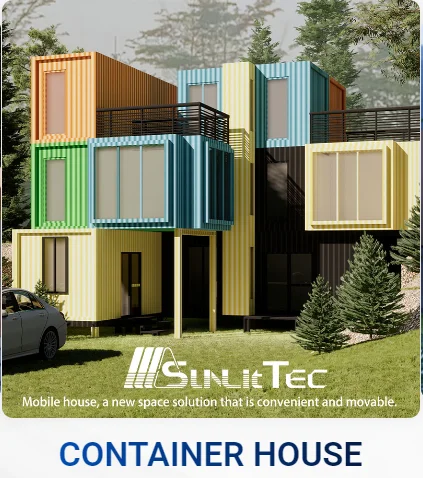
Sí, y eso’ es uno de sus principales sorteos. La reutilización de los contenedores de envío encaja con las ideas de economía circular. En lugar de permitir que estas enormes cajas de acero se descompongan después de transportar mercancías, se les da un uso fresco como lugares para vivir. ¿Qué’ Además, porque se hacen fuera del sitio con antelación, el proceso de construcción crea menos basura, menos ruido y menos molestia para el medio ambiente en su tierra. Estas casas también reducen el uso de materiales habituales como el hormigón y el ladrillo, que dejan huellas de carbono más grandes. También manejan bien el calor. Unidades como la cápsula E1 utilizan paneles de aluminio de aviación con una fuerte capacidad de mantenimiento de calor para mantener las áreas interiores acogedoras en condiciones climáticas difíciles. Puede agregar energía solar o eólica si desea vivir fuera de la red, aunque las unidades Sunlit Tec generalmente se conectan directamente a la red eléctrica principal.
¿Son las casas de contenedores rentables a lo largo del ciclo de vida del proyecto?
Los recortes de costes comienzan con la compra de materiales y duran hasta el uso diario. La construcción de casas móviles a menudo cuesta menos ya que utilizan métodos de fabricación y unión en el sitio, lo que acorta el tiempo de trabajo en el sitio y el salario de los trabajadores. También se beneficia de menores costos de funcionamiento. Las buenas capas de calor significan que necesita menos calor o aire fresco, y la configuración molesta su tierra poco, lo que lleva a menores costos para arreglar el sitio. Mira el
por ejemplo: ofrece 28m² de zona de estar totalmente calentada con baño, espacio de estar y dormitorio, todo usando solo 8KW de potencia en total. Eso’ es barato para ejecutar sin renunciar a la calidad o el estilo.
Consideraciones clave para la preparación e instalación del sitio
La estructura debe sentarse en terreno firme, ya que’ es vital para un apoyo constante. Las superficies sólidas y planas son clave para mantener la construcción segura. Bases hechas de grava won’ t hacer, ya que pueden lavarse con el tiempo. Si su lugar se inclina, como en una colina o en las montañas, tiene dos opciones sólidas: postes de hormigón con pernos de acero incorporados o una base completa de losa de cemento. Cada opción da un agarre duradero para la casa del contenedor, al tiempo que se asegura de que se mantenga recto y seguro durante años.
¿Es posible hacer que las casas de contenedores sean móviles?
El diseño de la casa de contenedores se ha convertido en un área avanzada de la arquitectura modular. Se equilibra. ..
sunlit-tec
Por qué las casas de contenedores ofrecen 7 beneficios estratégicos para los profesionales
Explorando el diseño de la cápsula espacial para soluciones de vida portátiles
/ Explorando el diseño de la cápsula espacial para soluciones de vida portátiles
- La casa de cápsula espacial se basa en un enfoque al diseño que enfatiza la simplicidad, la adaptabilidad y un estilo orientado al futuro. Estas ideas van más allá de la apariencia. Ellos desempeñan un papel clave en las casas fáciles de mover. El contorno suave imita las líneas elegantes de naves espaciales reales. Esto reduce la resistencia al aire al moverlo. También aumenta la resistencia de la construcción. El aspecto general se siente fuerte y actual. A menudo se ven acabados limpios, grandes áreas de vidrio y un tamaño general pequeño.
- En el interior, los diseñadores aprovechan al máximo cada espacio. La configuración combina necesidades básicas como descanso, tareas y limpieza. Todo esto encaja en un espacio estrecho. El resultado es una configuración que funciona bien y se siente natural. Esta idea coincide con la creciente necesidad de casas que puedes llevar contigo. Al mismo tiempo, mantienen un sentido de facilidad y clase.
¿Qué materiales hacen que estas estructuras sean ligeras y resistentes?
El esqueleto principal de una cápsula espacial generalmente utiliza tubos de acero recubiertos y láminas de aluminio de aeronaves. Estas opciones ofrecen una buena mezcla de bajo peso y resistencia duradera. La estructura central se basa en tubos de acero recubiertos. Ayudan a garantizar la seguridad total del hogar. Los trabajadores aplican recubrimientos que resisten el fuego y la oxidación. Esto permite a la casa manejar varios tipos de clima. También prolonga el tiempo que dura. Mantener el calor dentro o fuera también importa mucho. La parte aislante utiliza un material de espuma con un alto nivel de seguridad contra incendios. Esto hace que sea difícil quemar. Así que la casa se mantiene acogedora dentro. Incluso los puntos difíciles como las arenas calientes o los resfriados congelados no lo molestan mucho.
¿Cómo se configura el interior de una cápsula espacial para la comodidad?
- Para obtener el mejor uso de su pequeño tamaño, el interior de una cápsula espacial se divide en secciones transparentes. Hay lugares para dormir, áreas para actividades diarias o trabajo, y un baño. Los planificadores piensan cuidadosamente en estas divisiones. Evitan cualquier sensación de aglomeración. Las cápsulas E6 vienen en un sorprendente tono azul. Ese color llama la atención de inmediato. Sus amplias ventanas de 270 grados permiten entrar mucha luz. Además, el balcón de 3,3 metros de ancho se siente como parte del aire libre. Agrega la sensación de espacio y hace que el área sea más práctica. Objetos como sillas se convierten en lugares para dormir. Las mesas se fijan a las paredes. El almacenamiento se esconde en las paredes o debajo del suelo. Todo esto permite a las personas cambiar cómo usan la habitación a medida que avanza el día, además de que los puntos ocultos para las cosas encajan directamente en las paredes y los pisos. Esto mantiene el suelo limpio y abierto.
- ¿Cómo se manejan los servicios públicos como la electricidad y el agua?
- La configuración de alimentación permite cambios fáciles. La versión básica se conecta directamente a la red eléctrica principal, lo que hace que sea fácil comenzar a usarla tan pronto como la configure. Si alguien quiere ir sin la red o enfocarse en la energía verde, puede agregar paneles solares. Las tuberías para el agua y los cables para la energía están listos en el interior. Todo funciona sin problemas desde el primer día.
¿Qué se requiere para transportar e instalar estas unidades?
- A pesar de que la construcción se mueve fácilmente, necesita establecerla justo por seguridad. Coloque la casa de la cápsula en una base firme y plana como el hormigón. Si el suelo se inclina o se siente tembloroso, use postes de hormigón con pernos hundidos. También detienen cualquier deslizamiento alrededor. Para moverlo, algunos modelos tienen partes de remolque extraíbles o puntos para levantarlo. Pero no puedes usar bases de piedra sueltas. Pueden cambiar y causar problemas. Piense en esto al elegir un lugar.
- ¿Dónde se pueden aplicar efectivamente las cápsulas espaciales?
- Sí, trabajan bien allí. Estas casas móviles suben rápidamente y bajan igual de rápido. Eso se ajusta perfectamente a las necesidades. Se adaptan a la ayuda de emergencia después de desastres o campamentos de trabajadores en sitios de construcción lejanos. Ya que terminan en una fábrica, simplemente coloca las piezas en el sitio. No se necesitan grandes trabajos de construcción. Puede agrupar varios juntos para hacer configuraciones más grandes. Agregar lugares compartidos como áreas de comedor o oficinas. Este enfoque los hace excelentes para esfuerzos de ayuda o proyectos de trabajo en lugares difíciles.
¿Se pueden utilizar en entornos comerciales o de hospitalidad?
Claro, encajan perfectamente. La forma moderna y la comodidad lista para usar atraen a la gente. Piense en ellos en campings con un toque de lujo, tiendas a corto plazo o pequeñas habitaciones de hotel. Tome el
Tiene un montón de espacio dentro a 38 metros cuadrados. Capacidad para 2 a 4 personas fácilmente. Características como el balcón con vistas amplias lo hacen perfecto para lugares de viaje. Los propietarios pueden agregar sus propios logotipos o looks interiores especiales. Adaptarlos para que coincidan con lo que los huéspedes quieren. Esto aumenta su uso en eventos divertidos o exhibiciones de corta duración.
¿Son adecuadas como soluciones de vida a largo plazo?
Sí, aguardan estancias continuas. Van más allá de tiendas básicas o refugios sencillos ya hechos. La mayoría de los tipos de cápsulas espaciales, excepto las básicas como la D3, vienen con características completas para el hogar. Por ejemplo, el
incluye una zona para dormir, sala de estar, espacio para cocinar y baño. Todo empaquetado en 28 metros cuadrados. Estos son buenos hogares adicionales en patios, lugares para visitantes o áreas de trabajo tranquilas lejos. Ofrecen espacio privado sin necesidad de grandes permisos de construcción que duran para siempre.
¿Qué aspectos legales y de seguridad hay que tener en cuenta?
Las casas de cápsula espacial cuentan como construcciones móviles o a corto plazo en muchos lugares. Por lo tanto, necesitan seguir las reglas para ese tipo de casas o viviendas pequeñas. Si los utiliza para negocios o vida, el permiso necesita cambiar. Cada unidad cumple con estrictas normas globales sobre protección contra incendios, flujo de aire, soporte de peso y uso de energía. Todas las partes interiores usan cosas seguras y amigables con la naturaleza para mantener las cosas seguras. Las fábricas siguen los pasos establecidos para comprobar la calidad durante la fabricación.
¿Cómo se comparan con otras opciones de vivienda portátil?
Sí, proporcionan una mayor facilidad. La forma de cápsula cerrada proporciona una mayor protección contra el calor o el frío. También bloquea los sonidos mejor que carpas o cajas de envío cambiadas. Cuando agrega sistemas para controlar el aire, se siente bien dentro de cualquier época del año. Esto los diferencia en tranquilidad y confort constante de las opciones más antiguas.
¿Combinan durabilidad con atractivo visual?
Sí, ambos lo hacen bien. El exterior utiliza láminas de aluminio de aeronaves que combaten la oxidación. Al mismo tiempo, mantiene un buen aspecto. Las cápsulas E1 se construyen principalmente de esos paneles de aluminio de aviación. Se sienten sólidos y mantienen bien el calor. Bajo uso regular, no se necesita cuidado adicional. Se mantienen muy bien en diferentes contextos.
Superficie del edificio:Primer piso20.3m² ¿A quién se puede confiar como proveedor de cápsulas? Consumo total de energía: 10KW Si quieres una fuente confiable para nuevas ideas y opciones personalizadas en casas de cápsulas, es una opción sólida en todo el mundo. Ofrecen instalaciones espaciales listas para montar para uso doméstico, comercial y público en la actualidad. Durante más de diez años, han trabajado en construcciones y piezas de acero para Europa y Estados Unidos, y ahora se centran en viviendas móviles. Esto los ha convertido en un go-to para estilos de cabina combinados.
Longitud (L): 5.9M Ancho (W): 6.3M Altura (H): 2.4M
Su alineación
va de pequeñas unidades de una habitación a las más grandes de dos habitaciones con espacios al aire libre. Al comprar, Sunlit Tec ayuda con los planes de diseño. Usted recupera su dinero después de la compra final. Proporcionan imágenes claras para el trabajo a medida. Los materiales vienen certificados de los principales fabricantes mundiales. Si algo se rompe bajo garantía, envían piezas nuevas.
¿Cómo abordan las casas de cápsula espacial los desafíos de la vida moderna?
Las casas de cápsula espacial ofrecen una manera inteligente de manejar las crecientes necesidades de viviendas en ciudades atestadas, áreas de riesgo o zonas de viajes ocupadas. Se mezclan en casi cualquier entorno. Imagínalos en colinas altas o patios de la ciudad. Esto les da un gran rango sin molestias.
El diseño sellado trae puntos privados sin sentirse cortado. Mezcla el uso inteligente del espacio con una verdadera comodidad. Además, el aspecto de movimiento fácil salta la planificación pesada. No importa si es para escapadas rápidas o casas estables, establecen un nuevo camino para la vida en una pequeña ciudad, estancias flexibles para los huéspedes y pequeñas casas verdes.
Q1: ¿Se puede instalar la casa de la cápsula espacial en cualquier tipo de terreno?