En el mundo cambiante de los diseños de edificios modulares, las casas de contenedores van más allá de las simples cajas. Ahora forman una amplia gama de opciones. Saber cómo se agrupan ayuda a elegir el correcto, y esta elección debe coincidir con sus necesidades prácticas, ideas de estilo y fortaleza futura.
¿Cómo se clasifican las casas de contenedores por forma estructural?
Su camino para ser propietario de una casa de contenedores comienza con una decisión básica. Esa es la forma estructural. Establece el hogar’ tamaño, posibilidades y aspecto principal. ¿Te gustan las configuraciones pequeñas y sencillas? ¿O quizás más grandes y flexibles? ¿Quizás los diseños altos te atraen? Aprender estos tipos principales es un punto de partida importante.
¿Las casas de contenedores de unidad única siguen siendo relevantes hoy en día?
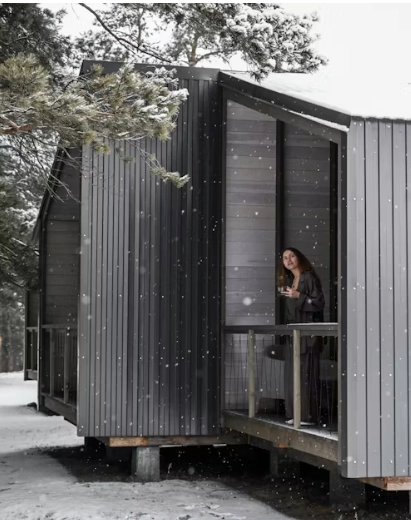
Sí, lo son. Las casas de contenedores de una sola unidad siguen siendo una opción común para espacios de vida pequeños y prácticos. Los constructores usan solo un contenedor de envío o una parte de marco de acero lista para fabricarlos. Dentro, obtienes una configuración sencilla pero útil. La gente a menudo los utiliza para estancias cortas, lugares de oficina en sitios o habitaciones adicionales para los huéspedes. Tome el El diseño de la nave espacial E4 enfatiza la suavidad de las líneas, y la apariencia general es hermosa y generosa, dando a la gente una sensación de modernidad y comodidad. de Sunlit Tec. Cuenta con un dormitorio y un baño en solo 18m². Además, incluye un buen aislamiento y características de configuración rápida.
¿Qué hace que las casas modulares combinadas sean versátiles?
Unidades modulares combinadas unen varios contenedores. Pueden vincularse lado a lado o una sobre la otra, lo que crea áreas más grandes con múltiples habitaciones. Tales configuraciones funcionan bien para hogares o lugares de trabajo duraderos. Pero necesitas apoyo adicional donde se conecten. Esos mantienen todo estable. Mira el contenedor C2, y se puede desmontar y combinar según las necesidades. Por lo tanto, muestra cambios fáciles en la configuración y se adapta a diferentes usos.
¿Son las casas de contenedores de varios pisos seguras y escalables?
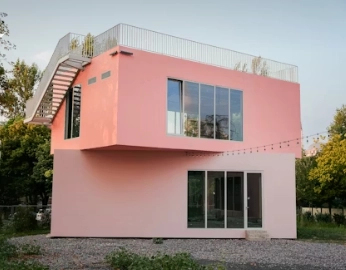
Sí, son seguros y pueden crecer fácilmente. Las casas de contenedores apilables le permiten construir sin ocupar más espacio en tierra, lo que se adapta bien a áreas urbanas o lugares de negocios. El C7 Casa Triángulo de Dos Pisos adopta una quilla de tubo de acero galvanizado por inmersión en caliente de alta resistencia y una conexión de proceso de soldadura. Alcanza el nivel de resistencia sísmica 9 y el nivel de resistencia al viento 12.
¿Cómo influye el diseño exterior en la utilidad doméstica del contenedor?
El techo y las paredes de una casa de contenedores hacen más que simplemente proteger del clima. Ellos dan forma a lo bien que funciona, su estilo y cómo encaja con el entorno. Las opciones en el diseño exterior afectan al manejo de la lluvia o el sol. También ponen la mirada desde la calle. En resumen, estas selecciones aumentan tanto la utilidad como el aspecto.
¿Por qué elegir diseños de techo plano?
Las casas de contenedores de techo plano dan un estilo fresco y actual. También aportan ventajas reales. Puedes añadir cosas en la parte superior, como paneles solares, si quieres. Pero la fuente de energía por defecto es la red nacional, por lo que las instalaciones solares solo vienen como extras. Los techos planos también facilitan el manejo del agua de lluvia.
¿Cómo mejoran los techos?
Los techos inclinados o inclinados ayudan con el control del calor y el flujo de agua. Se parecen a techos de casa de estilo antiguo, y esto atrae a las personas que quieren una sensación familiar en casa. Sin embargo, todavía obtiene las ventajas de las construcciones modulares rápidas. En lugares fríos, estos techos impiden que la nieve se acumule. Esto se suma a su lado práctico.
¿Son las estructuras curvas como la cabina de manzana más que estética?
Sí, ofrecen beneficios reales más allá de la apariencia. Tomar modelos como el Superficie del edificio: 5m²La forma redondeada resiste mejor a los fuertes vientos, y la terraza adicional abre nuevos usos. Funciona perfectamente para lugares de vida o relajación.
¿Qué configuraciones de diseño funcionales están disponibles?
Un hogar’ valor real se muestra en el uso diario. La estructura importa, pero las configuraciones internas cuentan más. Ellos deciden cuán acogedora, rápida y suave se siente la vida. Desde las necesidades básicas hasta la comodidad total, la forma en que se dispone el espacio convierte un edificio en un verdadero hogar.
¿Pueden las unidades básicas satisfacer las necesidades de vida a corto plazo?
Sí, pueden manejar estancias breves muy bien. Las unidades básicas como el modelo D3 se centran en piezas clave para puntos a corto plazo. Tienes un lugar para dormir y un baño. Aunque’ es pequeño, tiene el poderoso rendimiento del nivel de resistencia al terremoto 9 y el nivel de resistencia al viento 12. Por lo tanto, la seguridad y la facilidad son estándar.
¿Qué modelos admiten uso residencial completo?
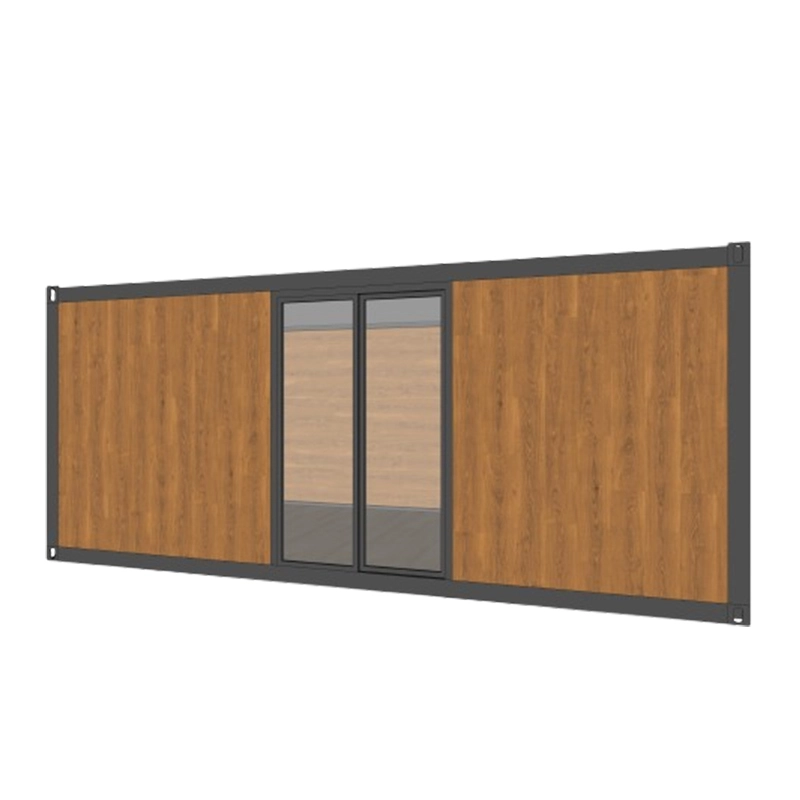
Disposiciones totalmente equipadas en una sala de estar, cocina, dormitorio y baño. Todo esto encaja en tamaños modulares. Las opciones como P6 o C1 lo dan todo para una vida continua. Destaca el modelo C1. Está diseñado de acuerdo con el estándar de un contenedor de 20 pies, asegurando la uniformidad en tamaño y estructura. Esto mantiene los costos de movimiento bajos.
¿Hay configuraciones para uso comercial?
Sí, varias opciones se ajustan a las necesidades empresariales. Unidades como el modelo C4 crean configuraciones de dos niveles. La parte inferior puede ser espacio de trabajo. En la parte superior, agrega almacenamiento o un área de descanso. La tienda adopta una estructura de doble capa que utiliza efectivamente el espacio. Esto lo hace perfecto para pequeñas tiendas o lugares de café en movimiento. Allí, el tráfico a pie importa mucho.
¿Cómo se manejan los requisitos de movilidad y fundación?
Cualquier edificio fuerte necesita un buen vínculo con el suelo. Elegir entre una base fija o un marco móvil establece el hogar’ estabilidad, y también decide si se mantiene o puede cambiar. Y esa elección da forma a su lugar duradero y capacidad de viajar.
¿Son fiables las instalaciones estacionarias?
Los modelos estacionarios necesitan puntos firmes como almohadillas de hormigón o postes con pernos incorporados. Usted puede’ t usar bases de grava sueltas. Se desgastan demasiado rápido. Para mantenerlo bajo, utilice una placa metálica y el método de perno. trabajan en diversas tierras.
¿Qué hay de las variantes móviles con marcos de remolque?
Algunos vienen con bases de remolque como complemento, y esto te permite mover todo sin desmontarlo. Pero compruebe las reglas locales para moverlo. Estas unidades rodantes se ajustan a trabajos que cambian de lugar. Piense en programas o oficinas pop-up.
¿Las características estéticas influyen en el rendimiento?
Hoy’ s construcción de contenedores, se ve y lo bien que funciona van de la mano. Las cubiertas, los paneles laterales y los pequeños toques hacen más que mirarse bien. Protegen la construcción, mejoran el mantenimiento de calor y establecen lo duro que es, además de cambiar la forma en que se enfrenta al clima exterior.
¿Son los acabados estándar lo suficientemente duraderos?
Sí, se aguantan bien. Unidades como la cápsula espacial U8 utilizan marcos tubulares de acero galvanizado. Estos combaten la oxidación y dan un elegante ambiente de estilo fábrica. Ayuda a durar en el hogar o en el trabajo.
¿Qué opciones de paredes decorativas existen?
Puede agregar paneles que se parecen a madera o tienen patrones elevados en metal. Ayudan a mantener el calor y hacer las cosas más bonitas. Todo sin dañar la construcción’ La fuerza. Por ejemplo, “P3.2 reemplaza parte de la pared cortina de vidrio con paneles de la Gran Muralla al aire libre para mejorar la privacidad”. Mantiene el mismo tamaño general.
¿Por qué vale la pena considerar este proveedor?
Para los expertos que buscan socios sólidos en viviendas modulares, Superficie del edificio:Primer piso20.3m² destaca. Proporcionan casas de contenedores ajustables de alta calidad. Estos siguen estrictas reglas de construcción. Con más de diez años en el trabajo de acero y las ventas en todo el mundo, la compañía se centra en formas frescas. Piense en las cápsulas espaciales y las cabinas de Apple. Se adaptan a muchos usos, desde lugares de estancia hasta tiendas y escapadas.
Sunlit Tec se encarga de todo, desde los planes hasta la entrega. Eso incluye dibujos adicionales si es necesario, ajustes internos y enlaces a redes eléctricas. Su sitio señala que puede mudarse tan pronto como las líneas de agua y electricidad estén conectadas. Esto acelera la instalación en todo tipo de tierras. Desde lotes de la ciudad hasta lugares montañosos, funciona.
Longitud (L): 5.9M Ancho (W): 6.3M Altura (H): 2.4M
Q1: ¿Se pueden instalar casas de contenedores de Sunlit Tec en terreno desigual?
A1: Sí. Para terrenos no endurecidos como zonas montañosas, se deben instalar pilares de hormigón con placas o pernos de acero incrustados. No se permiten cimientos de grava debido a riesgos de erosión.
Q2: ¿Los sistemas de energía solar son estándar en las casas de cápsulas espaciales Sunlit Tec?
A2: No. La fuente de energía por defecto es la red nacional. Los paneles solares solo se instalan a petición especial, en función de los requisitos del proyecto.
Las casas de contenedores simples funcionan bien para estancias cortas. Por ejemplo, los modelos D3 ofrecen pequeñas áreas de estar con una habitación y un baño, y se adaptan a necesidades rápidas como campamentos de trabajadores o refugios de emergencia donde caben las configuraciones básicas. Estas opciones de bajo precio saltan muchas paredes interiores y mantienen los complementos de utilidad al mínimo, lo que los hace prácticos para fines breves sin gasto adicional.
A3: Sunlit Tec ofrece piezas de repuesto de forma gratuita dentro del período de garantía, pero no ofrece servicios de reparación. Los sistemas de monitoreo no están incluidos en las configuraciones estándar.