الجدران المصنوعة من الفولاذ المموج ، جنبا إلى جنب مع الصب الزاوية ، توفر قوة هيكلية طبيعية ، مما يخلق نظام أحادي الهيكل ينتشر الأحمال بشكل موحد في جميع أنحاء الإطار بأكمله. تم تطوير هذا النهج للتصميم لأول مرة لدعم عمليات تراكم الشحن في جميع أنحاء العالم ، وهو يسمح بتكوين الحاويات على عدة مستويات طويلة ، مع الحفاظ على شعور قوي بالتوازن سليمًا. علاوة على ذلك ، تسافر القوى الهبوطية من الأحمال العمودية مباشرة عبر الصب الزاوية المعززة ، والتي تثبت قوتها بما فيه الكفاية لإدارة الضغوط الشديدة من الضغط دون التذبذب تحت الإجهاد.
ومع ذلك ، كلما تم تقطيع أجزاء كبيرة من الحاوية لتتناسب مع الأبواب أو النوافذ أو لتوسيع الغرفة الداخلية ، فإن هذا النوع من التغييرات قد تضعف الصلبة الهيكلية الأساسية. التغييرات مثل تقطيع الجدران أو إنشاء فتحات جديدة يمكن أن تضر بالسلامة الهيكلية ، والتي تتطلب دعمًا إضافيًا مثل الأطر الفولاذية والقوائم للحفاظ على الأمور آمنة ومنع أي مخاطر.
ما هي الشروط الأساسية المطلوبة للاستخدام على المدى الطويل؟
من أجل تحقيق المتانة الهيكلية الدائمة وتجنب أي غرق للأساس مع مرور الوقت ، تحتاج منازل الحاويات إلى الجلوس على الأرض التي تبقى ثابتة ومعبئة بقوة. الصلبة، حتى الأسطح الصعبة هي ضرورة لوضعها بأمان دون مشاكل. في الأماكن التي تكون فيها الأرض متدحمة أو تميل على زاوية ، فإن أعمدة الخرسانة المجهزة بالمسامير الغارقة في العمق ضرورية للحفاظ على كل شيء بشكل ضيق. يتم استبعاد قواعد الحصى تماماً لأنها تشكل مخاطر من التآكل وتصبح متقلبة خلال فترات الاستخدام.
كيف يمكن الاحتفاظ بالسلامة الهيكلية في البناء المخصص؟
بمجرد إزالة أو تغيير الألواح الرئيسية للهيكل ، غالباً ما يضيف خبراء الهندسة المزيد من الإطارات المصنوعة من الفولاذ ، بالإضافة إلى التثبيت لتعويض ما فقد في العملية. خذ، على سبيل المثال، حالة تركيب شرفة أو بناء يصل إلى عدة طوابق؛ تتطلب الإعدادات مع أكثر من وحدة دراسة دقيقة لكيفية تحرك الأحمال لنسخ النسخ الاحتياطي للأجزاء أعلاه بشكل صحيح. في البناء التفصيلي مثل منزل مثلث مزدوج الطوابق C7يضمن تركيب كيل من أنابيب من الفولاذ المجلفن بالغمر الساخن بقوة عالية أنه يقف ضد الزلازل حتى المستوى 9 ويحافظ على قوة ضد الرياح التي تصل إلى المستوى 12.
ما مدى مرونة خيارات التصميم في معمارية الحاويات؟
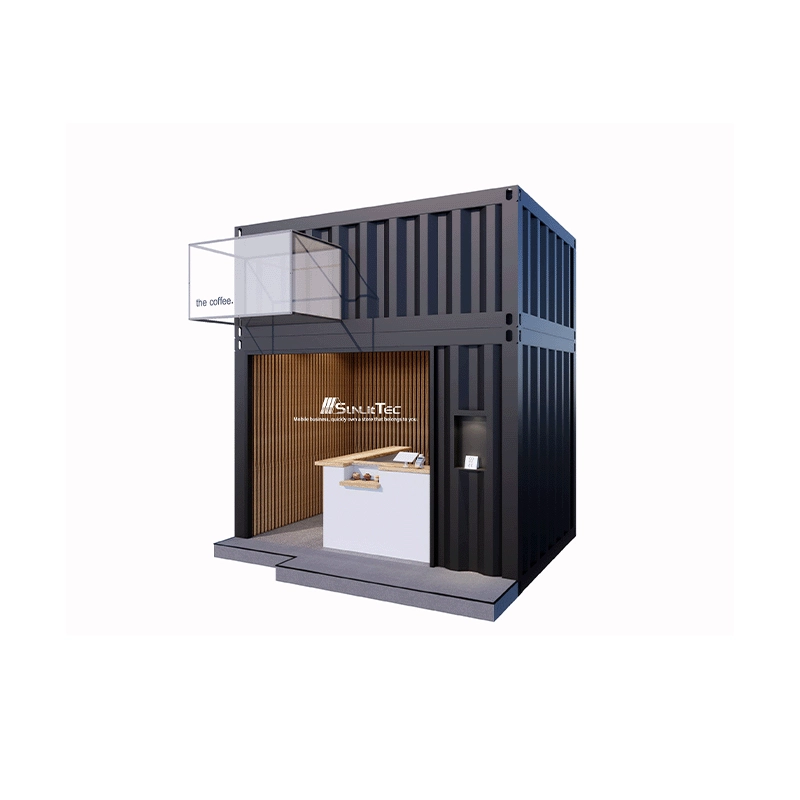
بيوت الحاويات توفر قدرا كبيرا من وحدات الترتيبات. يمكنك الانضمام إلى الوحدات جنبًا إلى جنب في خط أو تراكمها فوق الأخرى لتشكيل منازل ذات غرف كثيرة ، جنبًا إلى جنب مع المتاجر أو مكاتب العمل المصممة خصيصًا لتناسب أغراض مختلفة. انظر إلى نموذج C4والذي يستخدم إعدادا في طبقتين، حيث يعمل الطابق السفلي كمنطقة للمهام، والطابق العلوي يعمل كمنطقة تخزين للحفاظ على الأشياء المخزنة بعيدا بشكل أنيق. هذا النوع من الإعداد يعزز مدى استخدام المساحة بشكل جيد ويسمح بتغييرات تتكيف بسهولة مع الاحتياجات في أماكن العمل أو المعيشة المنزلية على حد سواء.
هل التخصيص الداخلي ممكن؟
من المؤكد أنه من الممكن تعديل الداخل لتناسب الأذواق. يمكن تحسين الوحدات الأساسية عن طريق إضافة المطابخ والحمامات والبقع للاسترخاء ، مما يعطيهم جميع الميزات اللازمة للعيش مثل المنزل العادي. يمكن اختيار الأشياء لعزل الداخل ، بالإضافة إلى الأغطية والأرضيات ، لتتناسب مع الطقس المحيط وما يريده الناس شخصياً. علاوة على ذلك ، يتم مساعدة وضع أسلاك للطاقة والأنابيب للمياه داخل مساحات الجدران عن طريق إعدادها في وحدات مسبقاً أثناء صنعها في موقع المصنع.
يعطي منزل الحاويات C1.1 مع شرفة مثالًا جيدًا على كيفية تغيير الإعداد الداخلي بسهولة ، وتعزز الشرفة الخارجية مدى مريحة ومفيدة الشعور بالعيش هناك يومًا بعد يوم.
ما هي التحسينات الخارجية الشائعة؟
يمكن لخيارات التغطية الخارجية ، مثل الألواح الخشبية أو الجانبين من مواد مختلطة ، تحويل مظهر المصنع العادي إلى جبهات تشعر بالراحة للاستخدام المنزلي. شرفات على الأسطح والشرفات - كما هو الحال في كابينة أبل P3.3- إدخال مناطق خارجية تعمل بشكل جيد للاحتياجات اليومية. يمكن للمرء الاستفادة من الشرفة للحصول على نظرات هادئة على المنظر ، والاجتماعات مع الآخرين ، والوجبات التي يتناولها في الهواء الطلق ، وكلها تسلط الضوء على مدى قدرة حتى المباني الصغيرة على دعم العيش بالكامل.
أين يتصادم الهيكل والإبداع؟
إن الذهاب بعيدًا جدًا مع التغييرات دون نصائح هندسية قوية يمكن أن يتحول إلى خطر سريعًا. قطع الكثير يضر بناء أحادي الكوك الرئيسي للحاويات ، وقبل كل شيء ، إذا تم سحب الأجزاء الكبيرة التي تحمل الوزن دون أي قوة إضافية لاستبدالها. الإعدادات لأكثر من قصة واحدة يجب أن تلتزم بقواعد صارمة لنشر الأحمال. يمكن أن يؤدي الخطأ في التصاميم ذات المستويات المتعددة إلى الانحناء خارج الشكل أو حتى الانهيار تماما. أيضا، إضافة العزل في وقت لاحق قد يقلل من الغرفة داخل ذلك’ حرة الاستخدام، وهذا يضرب أكثر صعوبة في الوحدات التي تبدأ صغيرة.
كيف يسمح البناء النموذجي بالحرية الإبداعية؟
حتى مع هذه الحدود في مكانها ، فإن المادة البدائية - الفولاذ المجلفن - تعطي قوة قوية وتكافح الصدأ في جميع أنواع أنماط الطقس. الإطارات من الفولاذ المجلفن تحمل الصدأ، بغض النظر عن المناخ الذي تواجهه. كما يؤدي صنع الأشياء في وحدات إلى بناء الأجزاء مسبقاً والتي تقصر وقت العمل في الموقع وتقلل التكاليف للعمال في العمل. بسبب هذا ، تناسب منازل الحاويات بشكل مثالي لإعدادات سريعة مثل البقع المنبثقة التي تستمر لفترة قصيرة أو المنازل التي تهدف إلى البقاء في مكانها للأبد.
هل هناك قيود قانونية أو إقليمية على النشر؟
يجب عليهم اتباع القواعد إلى الرسالة. يجب أن تتوافق أي تعديلات على الهيكل مع علامات السلامة التي وضعها المهندسون. الطرق للخروج في الحرائق ، والإعدادات لتدفق الهواء ، وطبقات الدفء يجب أن تتطابق مع الرموز في تلك المنطقة. الخطوات للحصول على تصاريح تتغير اعتمادا على ما إذا كان البناء يخدم للعيش في أو إدارة الأعمال التجارية.
ما هي العوامل القائمة على الموقع التي تؤثر على التثبيت؟
وضع الأرض لديها رأي كبير في كيفية تخطيط القاعدة. الأرض التي’ دعوات الميل أو الخشنة لقواعد الأعمدة الخرسانية مع المسامير المحددة في العمق. تحتاج الأماكن المعرضة للأعاصير إلى فحص كيفية دفع الرياح للبقاء آمنة. في مناطق الطقس البارد ، يجب على السقف التعامل مع الأحمال من الثلج المتراكم دون التنازل.
كيف يتم دمج أنظمة الطاقة في منازل الحاويات؟
معظم منازل الحاويات تتصل مباشرة بخطوط الكهرباء من الخدمات المحلية. الأسلاك والإعدادات للكهرباء جاهزة في الداخل ، لذلك يتم تشغيلها بسرعة بمجرد وصول الوحدة.
هل يمكن إضافة الحلول الشمسية خارج الشبكة؟
بالطبع، ولكن فقط إذا طلب ذلك بشكل خاص. الطريق الرئيسي يرتبط بالشبكة الكبيرة للطاقة ، ولكن يمكن إضافة الألواح التي تلتقط الشمس عند الطلب لأماكن بعيدة عن الخطوط. يمكن إعداد وحدات لتخزين الطاقة في البطاريات لتتناسب معها بشكل صحيح لتشغيلها بالكامل خارج الشبكة.
لماذا هذا المورد خيار موثوق به؟
الناس الذين يبحثون عن منازل حاويات عالية الجودة مصنوعة مع هندسة دقيقة وخيارات لتعديل حسب الحاجة العثور مساحة المبنى:الطابق الأول 20.3m² تلمع كمورد رائد على المسرح العالمي. وتظهر مجموعة منتجاتهم عناصر مثل Apple Cabin P6 و U8 Space Capsule، والتي تجمع بين المظهر المستقبلي والراحة المناسبة للعيش المنزلي الكامل.
كل وحدة باستثناء D3 تتعامل مع إقامات طويلة للعيش ، مع تغطية جميع الأساسيات في الداخل. إنها تستريح على إطارات من الفولاذ المجلفن بنيت صعبة للبقع الصلبة وتأتي تهيئة للتحرك على الفور. تتخطى Sunlit Tec خدمات الإصلاح ، لكنها تسلم خطوات واضحة لوضعها معا لكل مشتري.
بغض النظر عما إذا كنت تخطط لمكان هروب هادئ أو إعداد مع عدة وحدات للإقامة ، فإن المجموعة المهرة هناك تساعد في تحويل الأفكار إلى بناء حقيقي من خلال الرسومات المقبلة والخطط لتعديل الوحدات لتتناسب بالضبط.
الطول (L): 5.9M العرض (W): 6.3M الارتفاع (H): 2.4M
Q1: هل يمكن نقل منازل الحاويات بعد التثبيت؟
A1: نعم ، يمكن نقل منازل الحاويات إذا تم تركيبها على هيكل مقطورة مخصصة. المرافق الثابتة التي تستخدم أسس الخرسانة ليست مصممة للتنقل.
Q2: هل تقدم Sunlit Tec أنظمة الطاقة الشمسية بشكل افتراضي؟
A2: لا. تربط Sunlit Tec منازل كبسولة الفضاء مباشرة بالشبكة الوطنية. يتم تثبيت الألواح الشمسية فقط بناء على طلب خاص.
س3: أي نوع من الأرض مناسبة لتركيب منزل الحاويات؟
A3: مطلوب سطح مستوى صلب. الحصي غير مسموح به بسبب خطر التآكل. بالنسبة للتضاريس المنحدرة ، هناك حاجة إلى أعمدة خرسانية مع مسامير مضمنة.