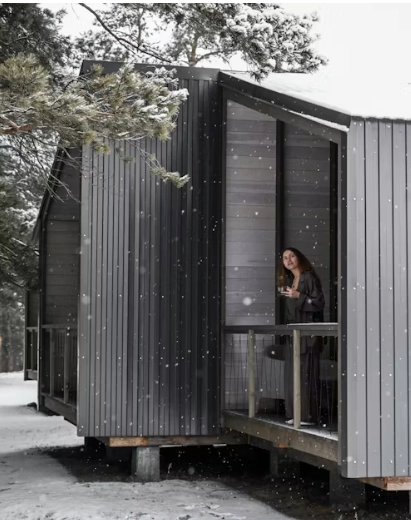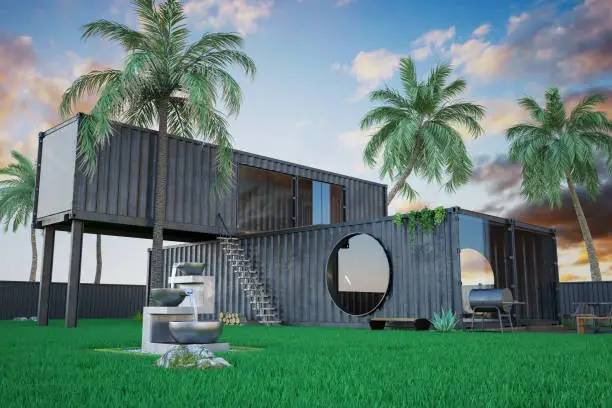
الفائدة الرئيسية للبناء للأعلى مع تصاميم الحاويات تأتي من الاستفادة القصوى من المساحة الداخلية مع تقليل استخدام الأرض. من خلال الاستفادة من الارتفاع ، يمكنك تقليص المساحة المطلوبة على الأرض ولكن تعزيز المساحة الداخلية ، والتي تهم كثيرا في أماكن المدينة أو الأماكن المزدحمة حيث تكلف الأرض ثروة.
التصاميم مع مستويين تسمح لك بتقسيم الاستخدامات بشكل جميل. يمكنك تعيين الطابق السفلي للمهام المشتركة. في الوقت نفسه ، يعطي الطابق العلوي أماكن أكثر هدوءًا وأكثر خصوصية. مثل هذا الإعداد يزيد من السهولة وينسخ التقسيمات المنزلية على الطراز القديم ، مما يحول المكان إلى شيء مريح حقًا للعيش فيه.
عندما يتعلق الأمر ببناء القوة ، فإن الارتفاع يعني أنك بحاجة إلى دعم أفضل. يجب أن تعزز الهيكل للتعامل مع الوزن من فوق. خذ الأطر الفولاذية المجلفنة ، على سبيل المثال ، وتتميز بمقاومة السحب القوية والحماية ضد الصدأ. غالبا ما يختارهم البناء للحفاظ على كل من المستويات قوية وآمنة.
ما الذي يجعل توزيع الحمل في التصاميم متعددة المستويات أمراً حاسماً؟
في المنازل المصنوعة من حاويات مكدسة مع طوابق متعددة، الحفاظ على الأمور آمنة ودائمة يعتمد على الحصول على تدفق الوزن بشكل صحيح. عليك معرفة هذه المسارات بدقة لدعم ثابت على مر السنين. كل حاوية تحتاج لتوزيع حمولتها بالتساوي إلى نقاط الأساس. بهذه الطريقة ، يمكنك تجنب الأماكن التي يتراكم فيها الضغط بشكل كبير. قد يؤدي هذا التراكم إلى الانحناء أو التشوه مع مرور الوقت.
يستخدم البناء إصلاحات جديدة للحد من هذه المخاطر ، ويضيفون اتصالات قوية أو أعمدة فولاذية مستقيمة. التركيب في أعمدة الصلب أو المفاصل الصلبة يبني صلابة أفضل في البناء. هذه الأجزاء تأخذ القوى الجانبية بشكل جيد، كما أنها تبقي القطع المكدسة في خط مستقيم، والذي يحمل حتى في الرياح القوية أو الزلازل.
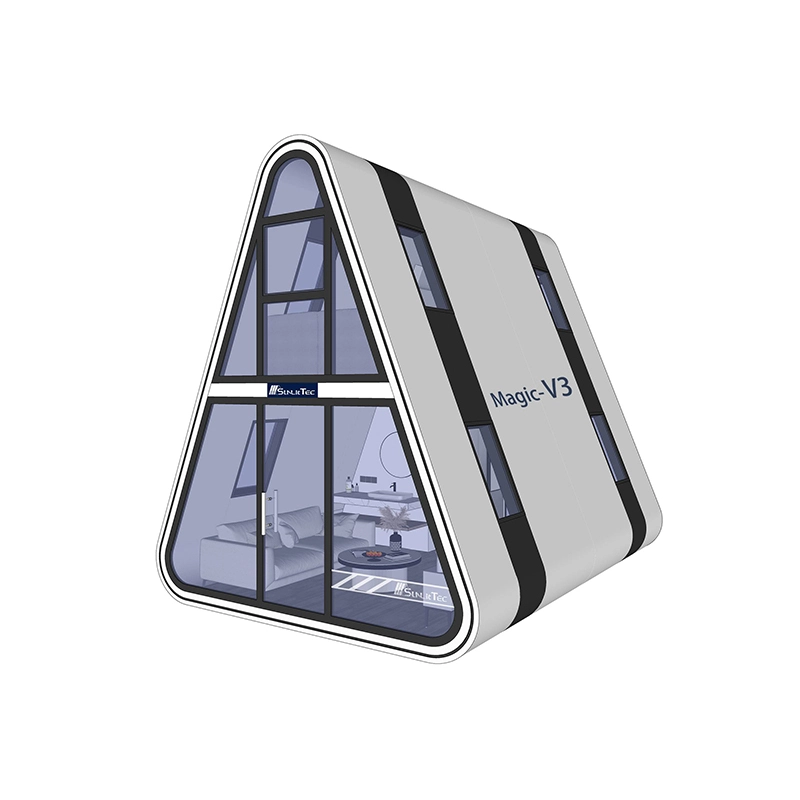
يمكنك رؤية هذه الطريقة في العمل في منزل مثلث مزدوج الطوابق C7 من Sunlit Tec. يستخدم هذا النموذج إطار أنابيب فولاذية مغلفنة قوية و لحام صلب. ونتيجة لذلك ، يتعامل مع الاهتزازات حتى المستوى 9 والنواف حتى المستوى 12.
كيف تقسم الوظائف بين الطوابق؟
يضع مستوى الأرض للأنشطة الجماعية يستفيد بشكل كبير من سهولة الوصول والحركة السلسة. يشمل الإعداد الشائع في الصالة ومكان الطبخ ومنطقة تناول الطعام والحمام. هذا النوع من الخطة يساعد الناس على الاتصال والتعامل مع المهام المنزلية اليومية. في نفس الوقت ، يحافظ على الأنابيب والخطوط في نقطة مركزية واحدة.
الخطط التي تبقى مفتوحة تعزز هذا أكثر ، وتجعل الغرف تشعر بأنها أكبر وتسمح بدخول المزيد من الضوء الطبيعي. بالإضافة إلى ذلك ، فإن الخطوات مباشرة إلى مساحات الفناء تحسن تدفق الهواء وتجعل المنطقة أكثر عملية. على سبيل المثال ، يظهر منزل الحاويات C1.1 مع الشرفة هذا بشكل جيد. يضيف استخدام خارجي إضافي من خلال سطحه المدمج. هذه الطوابق تمتد مساحة للمتعة ورفع الراحة العامة في كل الطرق.
كيف يدعم الطابق العلوي الخصوصية؟
عادة ما يحفظ الناس المستوى الأعلى لغرف النوم أو زوايا العمل حيث يعد الهدوء والعزلة الأكثر أهمية. كونها عالية بشكل طبيعي تحجب أصوات الطرق وحشود المشي أدناه.
لجعلها أكثر راحة ، غالبا ما يضيف البناء فناءات أو سطح السطح إلى الخطة. يمكنك تركيب شرفات أو شرفات لتنمية الغرفة في الهواء الطلق. يمثل حجب الضوضاء أهمية كبيرة أيضًا ، مما يساعد في الأرضيات بين المستويات والجدران الخارجية على حد سواء ، مما يبقي مستويات الصوت منخفضة لتحقيق سلام أفضل.
ما هي الميزات الهيكلية المطلوبة لسطح السطح؟
نعم، ولكن فقط إذا قمت بتصميمها بشكل صحيح. تحتاج إلى أوراق سقف أقوى ودعم معدني لتحمل الأوزان المتحركة. فكر في الكراسي والأشخاص وحتى التراكم من الثلج أو المطر. علاوة على ذلك ، فإن الطبقات المقاومة للماء ضرورية لوقف قطرات في أعلى وحدة. هذه الغطاءات تمنع تسرب الماء إلى الحاوية العليا. عليك أيضًا توجيه المطر مع إعدادات الصرف المدمجة. وإلا، قد تتجمع المياه وتضر بالمبنى.
كيف يمكن أن تكون سطح السطح على حد سواء وظيفي وجميل؟
الطوابق العليا تعمل بشكل رائع كمناطق الاسترخاء. غالبا ما يضيف الناس مقاعد مجتمعة، صناديق النباتات، وغطاء الظل، ولكن السلامة تأتي أولا. يجب عليك وضع حواجز لمطابقة القواعد للمناطق العالية. هذه السكك الحديدية تضمن عدم سقوط أحد في مناطق الفناء المرتفعة. اختر الأشياء للأسطحة التي تحارب أشعة الشمس والطقس الرطب والتحولات الحرارية دون أن تتعطل بسرعة. يجب أن تتعامل الأسطح على سطح السطح مع العناصر لتستمر لفترة طويلة.
كيف يتم تحسين التصميم الداخلي ضمن أحجام ضيقة؟
في الإعدادات الصغيرة مثل مساكن الحاويات ، تثبت المعدات التي تقوم بالعديد من الوظائف المفتاحية. السرير الذي يطي بعيدا، والمكاتب على الجدران، والتخزين الذي يتحول يسمح للبقع التعامل مع احتياجات مختلفة دون الازدحام. يمكنك تخفيف الأشياء في خطوات أو أقل من المقاعد لكسب كل بوصة. حالة جيدة هي مقارنة بالهندسة المعمارية التقليدية ، فإن منازل الحاويات C4 لديها تكاليف بناء وصيانة أقل ، مما يمكن أن يوفر للمستخدمين المال. وهذا يجعله خيارا مثاليا للمشاريع أو المرافق المؤقتة ذات الميزانيات المحدودة.. يخلط بذكاء مناطق المعيشة في لقطات ضيقة. ومع ذلك ، فإنه يبقي الأمور تعمل بشكل جيد في كلا الطابقين.
كيف يتم إدارة الإضاءة وتدفق الهواء؟
تحصل على ضوء جيد وهواء نقي عن طريق وضع النوافذ وثقوب الهواء بحكمة. تصف الفجوات على الجانبين المتواجهين يخلق رياحة عبر. للضوء من فوق ، أضف نوافذ السقف أو نوافذ الجانب العالي. مثل هذا السقف أو النوافذ العالية تجلب سطوع لكلا المستويين. هذا الإعداد يجعل الداخل يشعر الخفيفة والرياح ، مما يقلل من الأضواء المزيفة المطلوبة في النهار أيضًا.
ما هي خيارات التأسيس القائمة على أساس التضاريس؟
ولكن ليس مباشرة على التراب الفضيح أو الحجارة. يمكنك’ t استخدام قواعد الحصى لأنها قد تغسل بعيدا ؛ الذهاب إلى أرض ثابتة أو مسطحة أو وسائد الخرسانة القوية بدلا من ذلك. على التلال أو الأراضي الخشنة ، تعطي الأعمدة الخرسانية مع المسامير الغارقة قاعدة مؤكدة ، والتي تدعو إلى أعمدة الخرسانة مع المسامير الغارقة أو قواعد الخرسانة المسطحة مع المسامير. إذا كنت تريد شيءًا قابل للتحرك ، اطلب قاعدة مقطورة خاصة للسماح بنقل الشيء كله في وقت لاحق.
هل يمكن لمنازل الحاويات ذات الطابقين دعم المعيشة على المدى الطويل؟
-بالتأكيد اليوم’ غالبًا ما تحتوي على جميع أساسيات المنزل: المطابخ الصغيرة والحمامات مع الرذاذ وغرف النوم والصالات. يمكن أن يكون لدى الإعدادات صالة ، ومنطقة نوم ، ومكان طبخ ، وحمام جاهز لإقامة بدوام كامل. يمكن أن تتناسب جميع أنظمة الهواء الدافئ والهواء البارد وخطوط المياه والتكنولوجيا الذكية بناءً على ما تريده.
هل تضمن الراحة الحرارية على مدار السنة؟
نعم، إذا كنت تستخدم أشياء من الدرجة الأولى. يحافظ العزل القوي على درجات الحرارة الداخلية حتى في جميع الأحوال الجوية. لوحات من البولي يوريثان بالإضافة إلى الزجاج مع طبقتين تقلل من فقدان الحرارة كثيرا.
كيف يتم توفير الطاقة لمنازل الحاويات ذات الطابقين؟
معظم منازل الحاويات تتصل بسهولة بشبكة الطاقة الرئيسية مع أجزاء الأسلاك المعتمدة. تخطط الوحدات العادية لربط مباشر بالشبكة باستخدام بت كهربائية متحققة.
هل يمكن دمج الطاقة المتجددة؟
نعم، ولكن’ ليس بالطريقة المعتادة. يمكن للعملاء الحصول على لوحات شمسية إضافية إذا طلبوا الطاقة بدون شبكة. هذه اللوحات تستمر عندما يحتاج الناس إلى إعدادات خارج الشبكة.
هل تبحث عن مورد موثوق بمنزل الحاويات؟
إذا كنت تهدف إلى بناء منزل حاوية من طابقين ’ s ذكية، قابلة للتعديل، ومصنعة للتحمل، تبدأ مع مساحة المبنى:الطابق الأول 20.3m². هم’ لقد كان عميقا في أعمال الصلب منذ عام 2014. مع مرور الوقت ، نمت Sunlit Tec إلى اسم رائع في جميع أنحاء العالم لمنازل الحاويات الجاهزة.
وتغطي تشكيلاتهم الخزانات الصغيرة ذات الغرفة الواحدة مثل معالجة شواغل الفضاء حتى تلك الكبيرة متعددة المستويات مثل بيت المثلث C7. كلها تأتي مع إطارات فولاذية مغلفنة وتكنولوجيا الدفء المتطورة. يتم بناء كل قطعة مسبقا في مصنعها الجديد مع قطع دقيقة. يتم تجميعها بشكل كامل لإعداد سريع ، عادة في ساعتين فقط بمجرد وصولها.
Sunlit Tec’ يتعاون المخططون مع المشترين لإنشاء رسومات تناسب أرضك واحتياجاتك اليومية. يتأكدون من أن كل شيء يتوافق مع قواعد بناء المنطقة أيضًا.
الطول (L): 5.9M العرض (W): 6.3M الارتفاع (H): 2.4M
Q1: هل يمكن وضع منازل الحاويات مباشرة على التربة أو الحصى؟
A1: لا، لا يسمح بأسس الحصى بسبب مخاطر التآكل المحتملة؛ مطلوبة أسطح مستوى صلبة أو قواعد الخرسانة المسلحة.
Q2: هل يتم تضمين الألواح الشمسية في جميع الوحدات؟
A2: لا ، الألواح الشمسية ليست قياسية ؛ يتم تثبيتها فقط بناء على طلب خاص عندما تكون هناك حاجة إلى حلول طاقة خارج الشبكة.
Q3: هل يقدم المورد خدمات الإصلاح بعد التثبيت؟
A3: لا تقدم Sunlit Tec خدمات الصيانة ولكنها ستستبدل الأجزاء المعيبة خلال فترة الضمان إذا حدث الضرر في ظروف الاستخدام العادية.